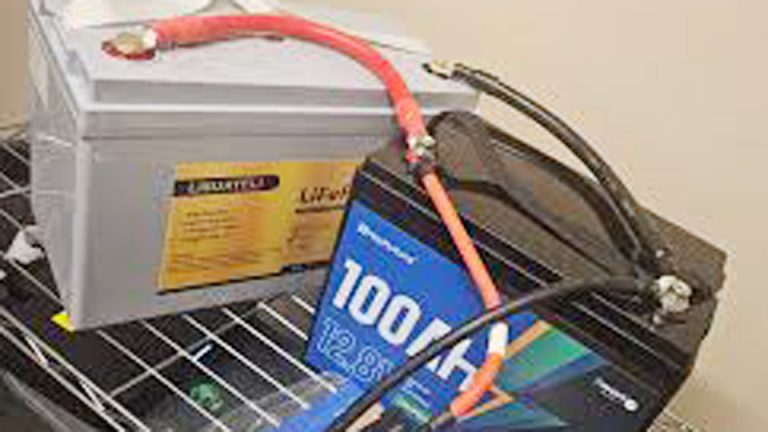
How to Charge a KTM Lithium Battery
You don’t realize how sensitive a KTM lithium battery is until the bike refuses to start after sitting for a few weeks. I’ve seen riders connect the wrong charger, leave the battery on an old trickle charger overnight, and end up with a swollen or completely dead pack.
That’s why so many KTM owners eventually start searching for how to charge KTM lithium battery the right way before they damage an expensive battery.
Lithium batteries behave very differently from traditional lead-acid ones. They charge faster, weigh less, and perform great in high-performance bikes—but they also need the correct charging method. Using the wrong charger or ignoring voltage limits can shorten battery life, trigger charging issues, or even create overheating risks.
What makes this frustrating is that most charging problems don’t show up immediately. The bike may start fine for a while, then suddenly struggle one morning or fail completely after storage. I’ve dealt with plenty of riders who thought the battery was defective, when the real issue was improper charging habits.
I’ll show you the safest and most effective way to charge a KTM lithium battery step by step. You’ll learn which chargers actually work, common mistakes to avoid, and practical tips to keep your battery healthy, reliable, and ready to start every time you hit the ignition.
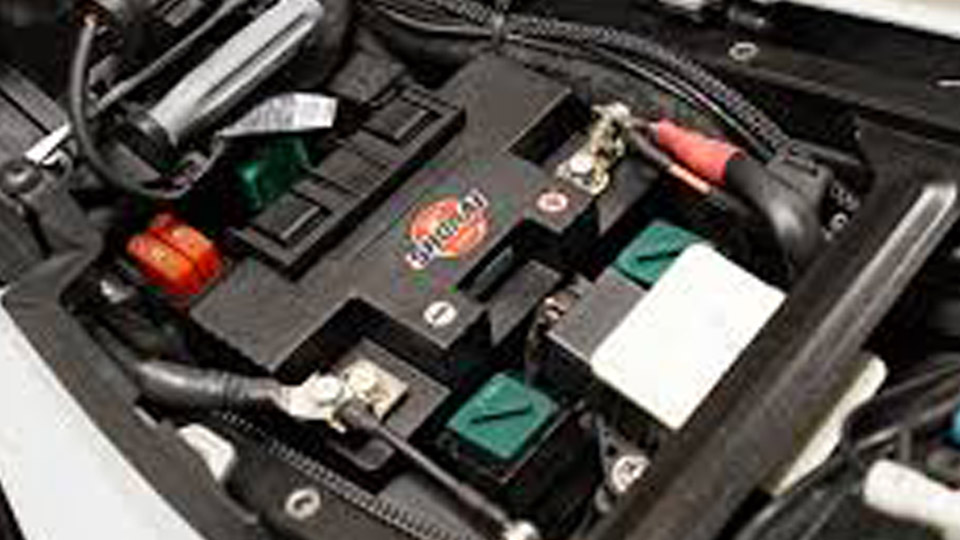
Image by k1600forum
Why Lithium Batteries Are Popular on KTMs
KTM has embraced lithium (often LiFePO4 chemistry) for good reason. These batteries slash weight—sometimes by 3–6 pounds compared to lead-acid equivalents—while delivering strong cranking amps and much lower self-discharge. On a lightweight enduro or motocross bike, every pound matters for handling and power delivery.
In practice, I’ve seen riders gain noticeably snappier throttle response and easier starts in cold weather once they switch. Lithium units hold voltage better under load and recharge faster. But they aren’t plug-and-play in every sense.
The charging profile, voltage limits, and storage habits differ enough that treating them like your old flooded battery leads to shortened lifespan or outright failure.
Understanding Battery Chemistries: Lead-Acid, AGM, Gel, and Lithium
Before diving into charging specifics, let’s ground this in the types you’ll encounter.
Flooded Lead-Acid: Traditional, affordable, but heavy. Requires regular electrolyte checks and venting. They tolerate overcharging better but sulfate easily if neglected.
AGM (Absorbed Glass Mat): Maintenance-free sealed version of lead-acid. Better vibration resistance, good for KTMs that see rough terrain. Still heavier than lithium.
Gel: Similar to AGM but with silica-thickened electrolyte. More sensitive to high charging voltages.
Lithium-Ion (LiFePO4): The star for modern KTMs. Extremely lightweight, 2000–5000+ cycles possible, minimal self-discharge (around 1-3% per month), and high discharge rates. They include a Battery Management System (BMS) for protection against over-discharge, over-charge, and temperature extremes.
Pros and Cons Comparison:
- Weight: Lithium wins hands-down (often under 2 lbs vs. 4–10+ lbs for lead-acid).
- Lifespan: Lithium lasts 3–5x longer in cycles.
- Maintenance: Lithium is virtually maintenance-free; no watering, minimal corrosion.
- Cost: Lithium costs more upfront but pays back over years.
- Cold Performance: Newer LiFePO4 handles cold better than older lithium types, but extreme cold still reduces output temporarily.
- Safety: LiFePO4 is far more stable than older lithium-ion chemistries; less fire risk when properly managed.
For KTM dirt bikes and many street models, LiFePO4 12V batteries (typically 2–5 Ah effective capacity but high CCA) are common replacements.
Voltage Basics and What “Healthy” Looks Like
A nominal 12V lithium battery for motorcycles actually rests higher. Fully charged, expect 13.2–13.6V or even up to 13.8V right off the charger. After resting a few hours, 13.0–13.4V is solid. Below 12.8V, it’s worth charging soon. Drop under 12V and you risk triggering BMS protection.
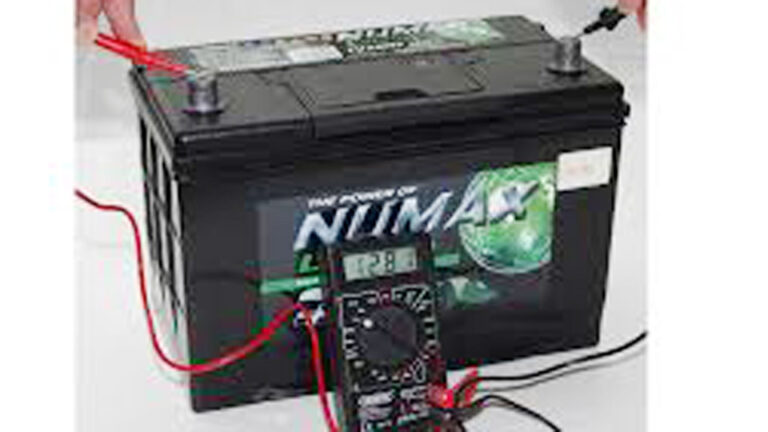
Always use a digital multimeter for quick checks. On the bike, measure across the terminals with the key off. This simple habit catches issues early.
How to Charge a KTM Lithium Battery: Step-by-Step
Here’s the exact process I follow in the shop and at home.
Safety First: Work in a well-ventilated area. Wear eye protection. Never charge near flammable materials. Inspect the battery for swelling, cracks, or leaks—do not charge damaged units.
Disconnect the Battery: For best results and to protect the bike’s ECU and electronics, remove the battery or at least disconnect the negative terminal. Some riders leave it connected with a pigtail SAE connector, but I prefer full disconnection for deep charges.
Choose the Right Charger: This is critical. Use a charger with a dedicated lithium or LiFePO4 mode. Brands like NOCO (Genius series), Optimate Lithium-compatible models, or KTM’s own PowerParts chargers work well. Avoid standard lead-acid chargers or those with desulfation/equalization modes—they can push voltage too high (14.4V+ sustained) and damage cells or trigger BMS shutdown.
Connect Properly: Red to positive, black to negative. Secure connections.
Select Mode and Charge: Set to LiFePO4 or Lithium. Most smart chargers handle the CC/CV (constant current/constant voltage) profile automatically. Charging time varies by capacity and depth of discharge—often 1–4 hours for a typical KTM bike battery.
Monitor: Watch for heat. The charger should switch to float/maintenance mode automatically. Once complete (usually indicated by green light or full bar), disconnect negative first.
Reinstall and Test: Reconnect, start the bike, and verify voltage.
Pro Tip from Experience: If the battery is deeply discharged and the BMS has shut it down, some chargers have a “wake-up” or recovery mode. Apply a low current briefly to bring voltage above the BMS threshold.
Choosing and Using Chargers for KTM Lithium Batteries
KTM offers official chargers, including affordable trickle-style and more advanced units with diagnostics. Aftermarket smart chargers with lithium profiles are widely used. Look for:
- Lithium-specific algorithm
- Auto shut-off or maintenance mode safe for LiFePO4
- Temperature compensation if you ride in varying climates
- SAE quick-connect for convenience on the bike
Never leave a non-smart charger unattended for long periods.
Common Charging Mistakes (And How to Avoid Them)
I’ve seen these repeatedly:
- Using the Wrong Charger: Lead-acid modes often overcharge lithium, causing heat or reduced capacity.
- Overcharging: Leaving it plugged in indefinitely with a non-lithium charger.
- Charging in Extreme Temps: Avoid below freezing or above ~113°F (45°C) without temperature-protected equipment.
- Ignoring Voltage: Assuming it’s fine because the bike starts—check regularly.
- Deep Discharging Repeatedly: While BMS helps, repeated drops below safe levels shorten life.
Battery Maintenance Beyond Charging
Lithium needs far less care, but habits matter. Keep terminals clean and tight. Check voltage monthly. For storage (winter or long trips), charge to 50–70%, disconnect from the bike, and store in a cool, dry place (ideally 50–77°F). Avoid full charge or full discharge for storage.
In solar or deep-cycle setups (common for off-grid users who also ride), match charging controllers to lithium profiles—most MPPT controllers have LiFePO4 settings.
Real-World Usage: Cars, Motorcycles, Solar, and More
On KTMs, lithium shines for quick starts after weeks of sitting. In cars or trucks, similar principles apply but with higher capacity batteries. Solar homeowners love LiFePO4 for daily cycling without the maintenance headaches of lead-acid. Power tools and UPS systems benefit from fast recharge and consistent voltage.
I once helped a buddy with an off-grid cabin setup who swapped his bank to lithium. Charging became predictable, and runtime increased noticeably.
Troubleshooting Charging Issues
- Won’t Charge: Check connections, try recovery mode, verify charger compatibility.
- Overheating: Stop immediately, check charger mode.
- BMS Shutdown: Recovery charge or wait for self-reset.
- Low Voltage After Charge: Possible weak cell—test individually if accessible or replace.
Safety Considerations
Lithium is safe when respected. Use proper chargers, avoid physical damage, and never puncture cells. In case of fire (rare with LiFePO4), use Class D extinguisher or sand—never water.
Comparison Table: Battery Types for Motorcycle Use
| Feature | Flooded Lead-Acid | AGM | LiFePO4 Lithium |
|---|---|---|---|
| Weight | Heavy (4-10+ lbs) | Medium | Very Light (1-2 lbs) |
| Lifespan (Cycles) | 300-800 | 500-1200 | 2000-5000+ |
| Maintenance | High (water, clean) | Low | Minimal |
| Self-Discharge | High | Medium | Very Low |
| Cold Cranking | Good when healthy | Good | Excellent (with caveats in extreme cold) |
| Upfront Cost | Low | Medium | Higher |
| Best For | Budget, occasional use | Vibration-heavy use | Performance, frequent riders |
Practical Recommendations
- Match charger voltage/current to your battery’s specs (usually 14.4–14.6V max for LiFePO4 absorption).
- For KTM models, consider a permanent SAE pigtail for easy top-ups without full removal.
- Test your charging system (alternator output) annually—over or under-charging from the bike itself harms any battery.
- Buy quality: Cheap no-name lithium packs often have poor BMS and inconsistent cells.
Taking Care of Your Investment
After years of wrenching on batteries across bikes, solar arrays, and shop tools, the pattern is clear: the riders and technicians who treat lithium with its specific needs get years of reliable service.
You now know the charger requirements, voltage targets, storage habits, and mistake patterns that trip up even experienced users.
One pro-level tip I swear by: Every time you charge, note the resting voltage 24 hours later. A healthy KTM lithium battery should hold strong. If it drops noticeably, investigate connections, parasitic drains, or early cell imbalance. This single habit catches 80% of emerging issues before they strand you.
FAQ
What voltage should a fully charged KTM lithium battery show?
Expect 13.2–13.8V right after charging. After resting, 13.0–13.4V is excellent. Use a multimeter for accuracy.
Can I use a regular motorcycle charger on a KTM lithium battery?
No. Standard lead-acid chargers can damage it. Always use a lithium-specific or LiFePO4 mode charger.
How do I store my KTM lithium battery over winter?
Charge to 50–70%, disconnect it, and keep in a cool, dry indoor spot. Check voltage every 1–2 months and top up if needed.
Do KTM lithium batteries need a special tender?
A smart lithium-compatible maintainer is okay for short periods, but many experts recommend against long-term trickle charging. Periodic full charges and proper storage work better.
Is it safe to jump-start a KTM with a lithium battery?
Yes, but use caution and proper cables. Lithium delivers high current quickly. Prefer a lithium-to-lithium or compatible setup to avoid stress.