How to Charge a Dead Travel Trailer Battery
You’ve just arrived at your campsite after a long drive, flipped on the lights in your travel trailer, and nothing happens. The fridge won’t kick on, the water pump is silent, and that familiar click from the battery compartment tells you everything: your house battery is dead.
It happens to the best of us—whether from leaving a light on, parasitic drains over winter storage, or simply not keeping it topped up during the off-season.
Learning how to charge a dead travel trailer battery safely and effectively saves you time, money, and frustration on the road. Over the years working with automotive, solar, and RV systems, I’ve seen every mistake in the book.
A properly charged and maintained battery keeps your lights on, your appliances running, and your adventures going without expensive roadside calls or premature replacements.
I’ll walk you through everything hands-on: identifying your battery type, testing a dead one, choosing the right charging method, avoiding common pitfalls, and making smarter long-term decisions.
Whether you’re a weekend warrior, full-time boondocker, or DIY mechanic, you’ll leave with practical steps you can use immediately.
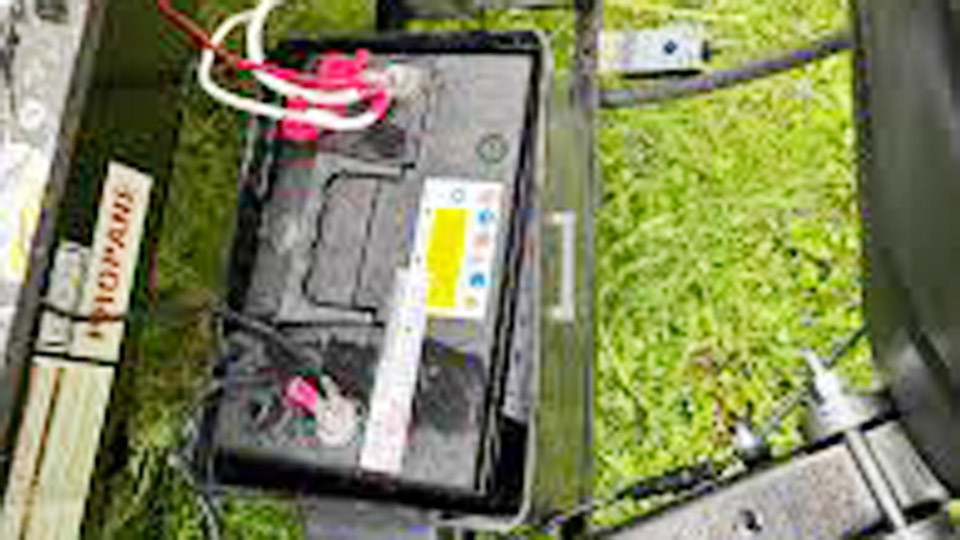
Image by RV Lifestyle Group
Understanding Travel Trailer Batteries: The Foundation
Travel trailer batteries are deep-cycle house batteries designed to provide steady power over time rather than the quick bursts of a starting battery. They power everything from interior lights and USB ports to slide-outs, water pumps, and sometimes even inverters for off-grid use.
Most setups run on a 12-volt system. Capacity is measured in amp-hours (Ah)—a 100Ah battery can theoretically supply 1 amp for 100 hours or 5 amps for 20 hours before depletion (though real-world use is lower due to efficiency losses).
Voltage tells the story of charge level: a healthy 12V battery rests around 12.6–12.8V when fully charged and drops below 12.0V when significantly discharged.
Common Battery Types for Travel Trailers
I’ve installed and troubleshot hundreds of these. Here’s what you need to know:
Flooded Lead-Acid (Wet Cell):
The traditional, budget-friendly option. These have removable caps for checking and adding distilled water. They tolerate abuse better than some realize but require regular maintenance. Expect 300–700 cycles at 50% depth of discharge (DoD). They’re heavier and can off-gas hydrogen during charging, so ventilation matters.
AGM (Absorbed Glass Mat):
Sealed, maintenance-free, and spill-proof. The electrolyte is suspended in fiberglass mats. They charge faster than flooded, resist vibration well (great for trailers), and handle deeper discharges slightly better. Lifespan often reaches 400–1,000 cycles. More expensive upfront but worth it for many users.
Gel:
Similar to AGM but with a silica gel electrolyte. Excellent for very deep discharges and safety (minimal gassing). They charge more slowly and are sensitive to overcharging. Less common now in RVs due to lithium alternatives, but still reliable in specific setups.
Lithium-Ion (LiFePO4):
The game-changer for serious users. Lightweight (often half the weight of lead-acid for similar capacity), 80–100% usable DoD, 2,000–6,000+ cycles, and faster charging. They maintain higher voltage under load so your appliances run better.
Upfront cost is higher, but the total cost of ownership drops dramatically over time. They need compatible chargers and BMS (Battery Management System) protection.
Pros and Cons Comparison
| Battery Type | Cycle Life | Usable DoD | Weight (per ~100Ah) | Charge Time | Upfront Cost | Best For |
|---|---|---|---|---|---|---|
| Flooded Lead-Acid | 300–700 | ~50% | 60–70 lbs | 8–12 hrs | Low | Budget, occasional use |
| AGM | 400–1,000 | ~50% | 60–70 lbs | 6–10 hrs | Medium | Reliable, low maintenance |
| Gel | 500–1,000 | 50–60% | 65–75 lbs | 8–15 hrs | Medium | Deep discharge, safety |
| LiFePO4 | 2,000–6,000+ | 80–100% | 25–35 lbs | 1–4 hrs | High | Boondocking, longevity |
Real talk: If you’re boondocking frequently or hate maintenance, lithium pays for itself in 2–4 years through fewer replacements and better efficiency. For light weekend use with shore power always available, AGM or flooded still works fine.
How to Test If Your Travel Trailer Battery Is Truly Dead
Don’t assume it’s dead—test first. A weak connection or blown fuse can mimic a dead battery.
Step-by-Step Testing:
Safety first: Park on level ground, wear gloves and eye protection, and turn off all loads.
Visual inspection: Look for corrosion on terminals, cracks in the case, or bulging. Clean terminals with a baking soda/water mix and a wire brush.
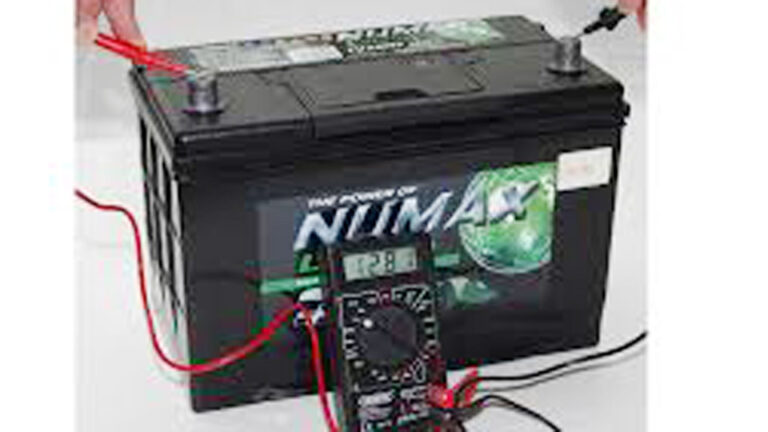
Voltage check with multimeter: Disconnect the battery if possible for a resting voltage. Fully charged: 12.6–12.8V. 12.4V is about 75% charged. Below 12.0V is critically low—recharge immediately. Below 11.8V for lead-acid often means sulfation has started.
Load test: Use a battery load tester (or a carbon pile tester at an auto shop). A good battery should hold voltage under load.
For lithium: Check the BMS indicators or Bluetooth app if equipped. Many will shut down protection circuits at very low voltage.
I’ve revived many “dead” batteries that were just deeply discharged and sulfated from sitting. Prompt charging prevents permanent damage.
How to Charge a Dead Travel Trailer Battery: Proven Methods
There are several reliable ways. Choose based on your situation.
1. Using Shore Power (Most Common)
Plug your trailer into 120V AC power. The onboard converter/charger turns AC into DC and charges the battery while powering 12V systems.
- Turn off heavy loads initially to let the battery take priority.
- Many stock converters are basic (13.6–13.8V). They work but don’t fully charge lead-acid batteries optimally or handle lithium well.
- Monitor for 4–8 hours minimum. Use a smart multistage charger if upgrading.
2. Dedicated Battery Charger or Maintainer
For a completely dead battery, remove it or isolate it and use an external smart charger.
- Match the charger to your battery chemistry (lead-acid, AGM, lithium modes).
- For dead batteries, start with a low-amp setting (2–10A) to avoid stress, then increase.
- Smart chargers (like those with desulfation or repair modes) are worth the investment.
Practical Tip: If the battery is extremely low (below 10V), some chargers won’t recognize it. Jump it briefly with another battery or use a charger with a “dead battery recovery” feature.
3. While Driving (Tow Vehicle Charging)
The 7-way connector provides charge from your tow vehicle’s alternator. Great for highway trips, but limited—often just a trickle unless you install a DC-DC charger.
DC-DC chargers (like Redarc or similar) are excellent upgrades. They boost voltage and current for proper charging even at idle or varying speeds.
4. Solar Charging
Ideal for off-grid. A solar panel + MPPT charge controller maintains or charges batteries efficiently. Size your system properly—300–600W is common for a 200–400Ah bank.
5. Generator + Charger
Combine a generator with your converter or an external charger for faster recovery at remote sites.
Step-by-Step: Charging a Completely Dead Battery Safely
Here’s my garage-tested process:
Isolate and inspect — Disconnect negative terminal first. Check electrolyte levels in flooded batteries (add distilled water only).
Choose charger — Set to correct profile. For lead-acid/AGM: Bulk (14.4–14.8V), Absorption, Float (13.2–13.8V). Lithium: Usually 14.2–14.6V bulk, no float or very low.
Connect — Positive first, then negative. Use proper gauge cables.
Charge slowly at first — Especially for deeply discharged lead-acid. Monitor temperature—warm is okay, hot is bad.
Monitor progress — Check voltage every hour. Full charge for lead-acid takes longer due to the absorption stage.
Reconnect and test — After charging, load test and verify under real use.
Voltage and Current Guidelines (Approximate):
- Bulk/Absorption (Lead-acid/AGM): 14.4–14.8V
- Float: 13.2–13.8V
- Lithium: 14.4–14.6V (follow manufacturer)
- Current: C/10 to C/5 rate (10–20A for 100Ah battery) is safe for most.
Common Charging Mistakes (And How I’ve Learned Them)
- Using the wrong charger profile → Overcharges lithium or undercharges lead-acid, causing sulfation or BMS shutdown.
- Ignoring temperature → Charging below freezing damages lead-acid; lithium has strict ranges (usually 32–113°F or better).
- Letting it sit dead → Sulfation hardens on plates, permanently reducing capacity.
- Overcharging → Causes gassing, heat, and water loss in flooded batteries.
- Mixing battery types → In a bank—don’t do it without proper isolation.
- Cheap automotive trickle chargers → Often lack proper stages for deep-cycle use.
One real failure I saw: A friend left his flooded batteries on a basic maintainer for months. They dried out and sulfated badly. Regular checks would have prevented it.
Battery Maintenance for Longer Life
- Flooded: Check water monthly, clean terminals, equalize periodically.
- AGM/Gel: Keep clean and secure; test annually.
- Lithium: Minimal, but monitor via app and avoid extreme temps.
- Store at 50–80% charge in cool, dry conditions. Use a maintainer for long storage.
Safety Considerations
Batteries contain serious energy. Ventilate during charging (especially flooded), avoid sparks near gassing batteries, and never charge in enclosed unvented spaces. Wear protection. Lithium fires are rare with quality BMS but require specific extinguishers if they occur.
For travel trailers, secure batteries against vibration and road shock.
Real-World Applications Beyond Travel Trailers
These principles apply to cars, motorcycles (trickle charge), solar home systems, UPS backups, and power tools. Understanding your specific chemistry and usage pattern is key.
Choosing the Right Battery and Charger for Your Needs
Match capacity to your loads. Calculate daily Ah usage (lights, fridge, etc.) and size accordingly with headroom. For lithium conversions, upgrade your converter or add a DC-DC charger.
Final Takeaways for Confident Battery Management
You’ve now got the knowledge to diagnose, charge, and maintain your travel trailer battery like a pro. Understand your battery type, use the right charger with proper settings, test regularly, and avoid the common traps that kill batteries early. This saves hundreds (or thousands) over years and keeps your adventures uninterrupted.
The single best pro-level tip I can share: Install a quality Bluetooth battery monitor (like Victron or similar) and a smart multistage charger tailored to your chemistry. Watching real-time voltage, current, and state-of-charge takes the guesswork out and prevents 90% of failures before they happen.
FAQ
How long does it take to charge a dead travel trailer battery?
It depends on capacity, discharge level, and charger amperage. A 100Ah battery at 50% might take 4–8 hours on a 10–20A charger. Deeply discharged or larger banks take longer—plan for overnight on shore power or a good solar setup.
Can I charge my travel trailer battery with my car?
Yes, via the 7-way connector while driving, but it’s often insufficient for full charge. A DC-DC charger dramatically improves results and protects your vehicle alternator.
Is it safe to charge a completely dead battery?
Yes, with the right smart charger. Avoid very high amps initially on lead-acid. Lithium with BMS usually handles recovery well if not damaged.
What’s the best charger for a travel trailer battery?
A programmable multistage smart charger with specific modes for your battery type. For mixed or upgraded systems, look at models with lithium and AGM settings plus temperature compensation.
How often should I charge my travel trailer battery?
Keep it above 50% for lead-acid types. Recharge after every trip and use a maintainer during storage. For lithium, you have more flexibility but regular top-ups still extend life.