How Lead Acid Batteries Are Recycled Safely & Efficiently
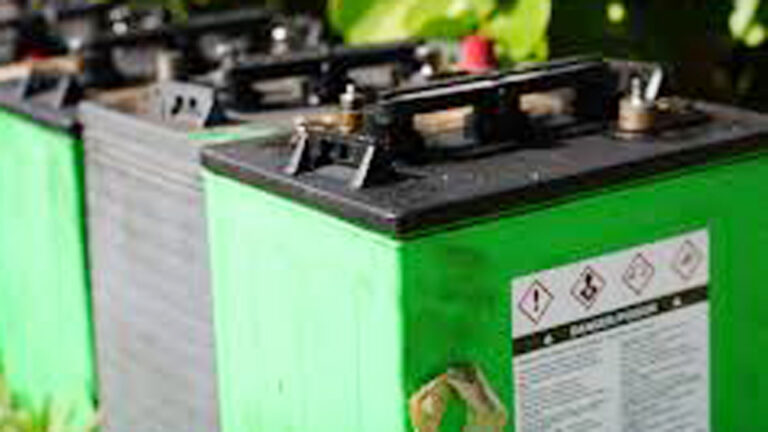
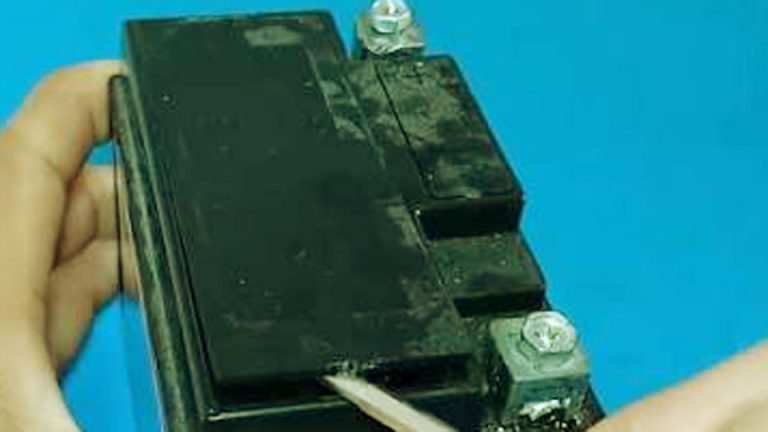
A swollen, leaking lead-acid battery sitting in the corner of a garage is something I see more often than people expect. Most folks know these batteries eventually die, but very few know what actually happens after they’re dropped off at a recycling center.
That’s why so many people ask me: how lead acid batteries are recycled, and whether the process is really safe for the environment.
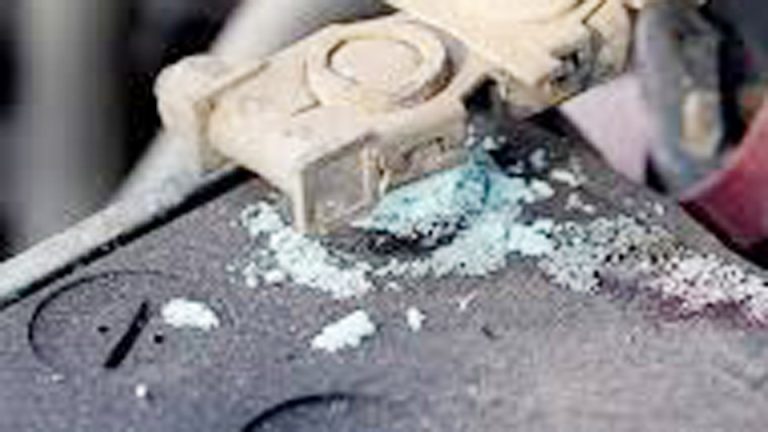
The truth is, these batteries contain materials that can be both valuable and dangerous if handled the wrong way. I’ve seen old batteries crack open, spill acid, and corrode everything around them because someone stored or disposed of them improperly.
At the same time, I’ve also seen how recycling recovers usable lead and plastic that can go straight back into manufacturing new batteries.
Understanding the recycling process matters for more than just environmental reasons. Proper recycling helps prevent toxic contamination, reduces waste, lowers manufacturing costs, and keeps hazardous materials out of landfills. It also explains why old batteries often have a trade-in value when buying a new one.
I’ll break down exactly how lead-acid batteries are collected, dismantled, cleaned, and turned into reusable materials. You’ll also learn what happens inside recycling facilities, why the process is tightly controlled, and the mistakes that can create serious safety risks if old batteries are handled the wrong way.

Image by reuters
Why Lead-Acid Battery Recycling Matters in Real Life
Batteries fail for many reasons: sulfation from sitting discharged, overcharging that boils off electrolyte, or simply reaching the end of their cycles. A typical automotive battery lasts 3–5 years, while deep-cycle versions in solar or RV use might go 5–8 years with good care.
When they die, improper disposal risks acid leaks that damage soil and water, plus lead contamination that affects health.
Recycling recovers lead, plastic, and acid efficiently. New lead-acid batteries often contain 80% or more recycled material, creating a strong circular economy. This keeps costs down and environmental impact lower compared to primary lead production.
Understanding Lead-Acid Battery Types Before Recycling
Not all lead-acid batteries are identical, and their construction affects handling and recycling.
Flooded (Wet Cell) Batteries
Traditional design with liquid sulfuric acid electrolyte. Common in cars, motorcycles, and some deep-cycle applications. They require watering and are prone to spills if damaged.
AGM (Absorbent Glass Mat)
Electrolyte is absorbed in fiberglass mats. Sealed, vibration-resistant, and maintenance-free. Popular in modern vehicles, RVs, and marine use. They handle deep discharges better than flooded types but cost more.
Gel Batteries
Electrolyte thickened into a gel. Excellent for deep cycling in solar and off-grid setups. Sensitive to overcharging but very resistant to stratification.
All these share lead plates/grids, lead paste, polypropylene cases, and sulfuric acid, making them highly recyclable. Lithium-ion (including LiFePO4) differs significantly in chemistry and recycling processes, which I’ll touch on later for comparison.
Battery Basics: Voltage, Capacity, and Lifespan
Lead-acid batteries are nominally 2V per cell, so a standard car battery is 12V (6 cells). Capacity is measured in Amp-hours (Ah) — how much current it can deliver over time. A 100Ah battery can theoretically supply 5A for 20 hours.
Real-world lifespan depends on depth of discharge (DoD), temperature, and charging habits. Automotive starting batteries (SLI) handle shallow cycles, while deep-cycle versions tolerate 50%+ DoD regularly. Heat accelerates degradation; sulfation from chronic undercharging is the top killer I see in workshops.
Pro Tip: Test voltage regularly. A healthy 12V battery rests around 12.6–12.8V. Below 12.4V, it’s significantly discharged and at risk.
Charging Methods and Common Mistakes
Proper charging prevents premature failure and makes recycling less frequent.
Use a smart charger matched to your battery type. Flooded batteries tolerate higher voltages (up to 14.4–14.8V absorption), while AGM and gel need tighter limits (typically 14.2–14.5V) to avoid gassing or drying.
Mistakes I’ve seen too often:
- Using a generic charger on AGM/gel → overcharging and venting.
- Leaving batteries on old trickle chargers indefinitely → sulfation or boiling.
- Storing discharged → permanent damage.
- Ignoring temperature compensation → charging issues in hot/cold garages or solar sheds.
For solar systems, use MPPT controllers with proper lead-acid profiles. In vehicles, check alternator output — over or undercharging both shorten life.
Maintenance and Storage to Extend Life
For flooded batteries, check electrolyte levels monthly and top with distilled water. Keep terminals clean and coated with dielectric grease. Store at full charge in cool, dry conditions (around 50–70°F ideal). Avoid concrete floors directly — use wood or insulation to prevent self-discharge.
Deep-cycle solar banks benefit from occasional equalization charges (controlled overcharge) to desulfate and mix electrolyte, but only on flooded types.
Real-World Scenario: In off-grid solar, mismatched panels or undersized banks lead to chronic partial state of charge (PSoC), causing sulfation. Monitor with a good battery monitor (voltage + current + Ah tracking) rather than guessing.
Step-by-Step: How Lead Acid Batteries Are Recycled
Here’s the practical process at specialized facilities.
- Collection and Transportation: Drop off at auto parts stores, service centers, or recyclers. Core charges ($5–20) incentivize returns. Batteries ship in pallets to smelters under strict hazmat rules.
- Receiving and Inspection: Facilities inspect for non-lead batteries or hazards. Sorting prevents contamination.
- Breaking and Separation: Batteries go into a hammer mill that crushes them safely in a controlled environment. Acid drains and is captured. Pieces enter a separation tank (hydro-separator): lead sinks, polypropylene plastic floats, and other materials separate. Screens filter paste.
- Material Processing:
- Lead: Cleaned, smelted in furnaces, refined into ingots. Recovered lead goes back to battery makers.
- Plastic: Washed, melted into pellets for new cases or other products.
- Acid: Neutralized, treated, and often converted to sodium sulfate or purified water. Some reuses in new electrolyte.
- Refining and Reuse: High-purity lead alloys form new grids and plates. The loop is incredibly efficient — nearly everything finds a new purpose.
The entire process happens under tight environmental and safety controls, including air filtration and wastewater treatment.
Safety Considerations When Handling Dead Batteries
Wear gloves and eye protection. Never tip or puncture a battery. Store upright in a sturdy, leak-proof container away from kids and pets. If acid spills, neutralize with baking soda and dispose properly.
For DIYers: Don’t attempt to disassemble or “reclaim” lead at home. Smelting risks toxic fumes and is heavily regulated.
Comparison of Battery Types: Performance, Cost, and Recycling
| Battery Type | Lifespan (Cycles) | Maintenance | Cost | Best For | Recycling Notes |
|---|---|---|---|---|---|
| Flooded Lead-Acid | 300–800 (deep) | High (water checks) | Lowest | Cars, solar (budget) | Excellent, standard process |
| AGM | 500–1,200+ | None | Medium-High | Vehicles, marine, RV | Same high recovery |
| Gel | 500–1,000+ | None | High | Solar deep cycle | Same |
| Lithium (LiFePO4) | 2,000–5,000+ | None | Highest | Solar, EV, high-cycle | Different process, lower current rates |
Lead-acid wins on recyclability and upfront cost; lithium excels in longevity and weight.
Pros of Lead-Acid: Affordable, proven, highly recyclable, tolerant of abuse in some ways.
Cons: Heavier, lower energy density, more maintenance on flooded types, sensitive to deep discharge if not designed for it.
Real-World Usage Examples
- Cars and Motorcycles: SLI batteries handle starting loads. Recycling is easy at any parts store.
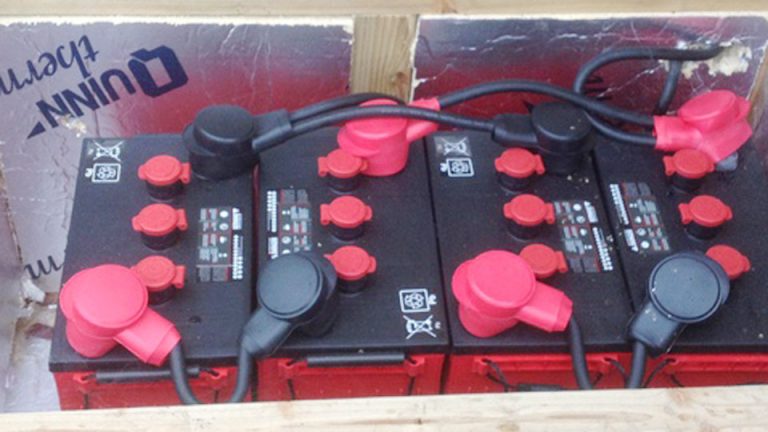
- Solar and Off-Grid: Deep-cycle banks in 12V, 24V, or 48V configs. Proper sizing and charging are critical.
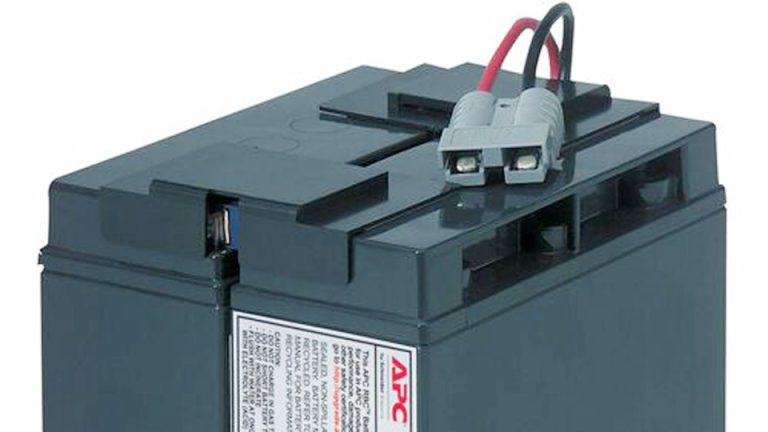
- UPS and Backup: AGM often used for no-spill reliability in offices or homes.
- Power Tools and Equipment: Smaller sealed lead-acid in scooters, wheelchairs, or emergency lights.
In my experience, solar users who invest in quality chargers and monitors get the most cycles before recycling day.
Troubleshooting Common Battery Issues
- Won’t hold charge: Test for sulfation or parasitic drain.
- Swollen case: Overcharging — check regulator.
- Low voltage: Could be bad cell; individual cell testing helps on larger banks.
- Slow cranking: Often corrosion or weak battery — load test it.
A simple multimeter and load tester are essential garage tools.
Practical Recommendations for Buyers and Users
Choose based on application: flooded for cost-sensitive solar, AGM for vibration-prone vehicles. Match charger profiles exactly. Buy from reputable brands with warranties. Always recycle — never landfill.
For storage: Charge fully, disconnect, and check every 3 months. Temperature matters more than most realize.
Lithium-Ion Comparison and the Future
Lithium batteries (especially LiFePO4) offer longer life and efficiency but have more complex recycling involving hydrometallurgical or pyrometallurgical methods to recover lithium, cobalt, nickel, etc. Lead-acid’s infrastructure is mature and near-perfect in recovery.
As lithium adoption grows in solar and EVs, expect improvements there too. For many stationary uses, lead-acid remains practical and environmentally sound due to recycling success.
Key Takeaways for Better Battery Management
You now understand the full journey: selecting the right type, charging and maintaining it properly, and ensuring it enters the recycling stream when its service life ends. This knowledge saves money, prevents failures, and supports sustainability.
The strongest pro-level tip I share with technicians: Treat every battery with a battery monitor or regular voltage logging from day one. Data beats guesswork every time — you’ll catch issues early, optimize charging, and maximize every cycle before that final trip to the recycler.
FAQ
How do I recycle a lead-acid car battery near me?
Take it to any auto parts store (AutoZone, O’Reilly, etc.) or service center. They accept them for core credit or free drop-off. Many municipalities have household hazardous waste events.
Can I recycle AGM or gel batteries the same way as flooded ones?
Yes. All lead-acid variants go through the same facilities. Keep them intact and upright.
Is it safe to store old batteries in my garage before recycling?
Yes, if upright in a cool, dry place away from flammables. Place in a plastic tub to contain leaks. Don’t store for years — recycle promptly.
What happens to the acid from recycled batteries?
It’s neutralized and treated. Often converted to useful compounds like sodium sulfate for detergents or other industrial uses, or purified.
Are lead-acid batteries better for the environment than lithium because of recycling?
In terms of current recycling rates, yes — the 99% closed loop is hard to beat. Lithium recycling is improving rapidly but starts from a lower base. Choose based on your specific performance needs.