How to Recycle a Lithium Battery Safely and Responsibly
I’ve pulled more than a few swollen or dead lithium batteries out of cars, solar setups, power tools, and UPS systems over the years. One thing always stands out: tossing them in the regular trash isn’t just lazy—it’s dangerous. Lithium batteries can cause fires in landfills or recycling trucks, release toxic chemicals, and waste valuable materials like lithium, cobalt, nickel, and copper that we could recover.
Learning how to recycle a lithium battery the right way protects your family, your community, and the environment while supporting the circular economy for the batteries powering our vehicles, homes, and gadgets.
Whether you’re a weekend mechanic swapping a car battery, an off-grid homeowner with solar storage, or an EV driver staring at an aging pack, this guide walks you through safe handling, preparation, drop-off options, and the bigger picture of battery care that extends life and makes end-of-life recycling easier.
Image by chemistryworld
Why Lithium Battery Recycling Matters More Than Ever
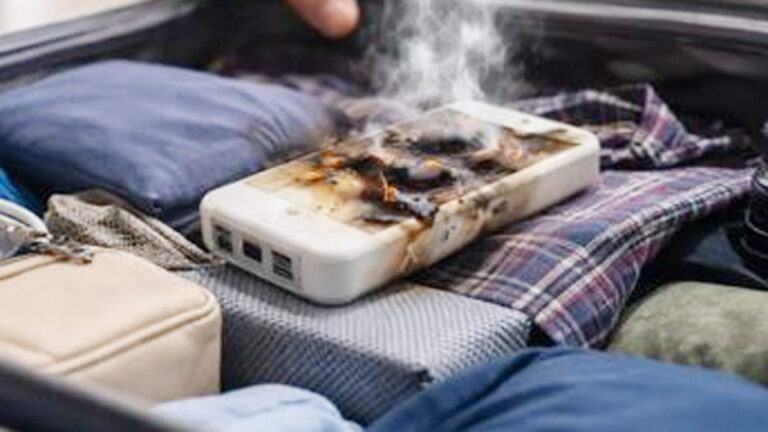
Lithium-ion batteries (including LiFePO4 variants) dominate modern applications because they offer high energy density, long cycle life, and low maintenance compared to traditional lead-acid types. But their chemistry makes improper disposal risky. Damaged or short-circuited cells can trigger thermal runaway—rapid overheating that leads to fire or explosion.
In the US, the EPA strongly advises against putting lithium batteries in household trash or curbside recycling. They belong at specialized collection points to prevent fires at material recovery facilities and to recover critical materials.
Recycling recovers up to 95% or more of key metals in advanced processes, reducing the need for new mining and lowering the environmental footprint of new battery production. As EV adoption grows and solar storage expands, getting this right at the individual level scales up to real impact.
Understanding Lithium Battery Types and When Recycling Becomes Necessary
Not all lithium batteries are identical, and knowing your type helps with safe handling and recycling.
Common Lithium Chemistries:
Lithium-ion (Li-ion, e.g., NMC, NCA): Found in EVs, laptops, phones, power tools. High energy density but more sensitive to heat and over-discharge.
LiFePO4 (LFP): Popular in solar storage, RVs, and marine systems. More stable, longer cycle life (often 2,000–5,000+ cycles), and safer thermally.
Compare these to older technologies for context:
| Battery Type | Cycle Life (to 80% capacity) | Depth of Discharge (Recommended) | Weight | Upfront Cost | Long-Term Value | Safety Notes |
|---|---|---|---|---|---|---|
| Flooded Lead-Acid | 300–500 | 50% | Heavy | Low | Low | Maintenance required, gassing |
| AGM/Gel | 400–1,000 | 50–70% | Heavy | Moderate | Moderate | Sealed, good vibration resistance |
| Li-ion (NMC) | 1,000–2,000+ | 80–90% | Light | High | High | Needs BMS, thermal concerns |
| LiFePO4 | 2,000–5,000+ | 80–90% | Moderate | High | Excellent | Very stable, wider temp range |
Pros and Cons Summary:
Lead-acid family: Cheap initially but heavier, shorter life, and lower efficiency. Great for starter batteries in gas cars but poor for deep cycling in solar.
Lithium: Lighter, more usable capacity, faster charging, but higher upfront cost and require proper battery management systems (BMS) to prevent issues.
Batteries signal it’s time for recycling when capacity drops significantly (below 70-80% for many applications), they won’t hold a charge, swell, leak, or show physical damage.
In EVs, packs often have 8–10+ years or 100,000+ miles of warranty coverage, with real-world degradation around 1–2% per year under normal use. Many retain usable capacity for second-life applications like stationary storage.
Battery Maintenance and Charging: Extend Life, Simplify End-of-Life
Proper care reduces failure rates and makes recycling safer because healthy batteries are easier to handle.
Charging Basics:
- Use a charger matched to your chemistry and voltage. For 12V LiFePO4 systems, bulk/absorption is typically around 14.2–14.6V. Never use lead-acid chargers on lithium without proper settings—they can overcharge.
- Avoid full 100% daily charges if possible for longevity; many BMS handle this, but shallower cycles help.
- Charge at moderate currents (0.2C to 0.5C is gentle). High C-rates generate heat.
- Monitor temperature—ideal charging between 32–113°F (0–45°C). Cold charging can cause lithium plating.
Storage Tips:
- Store at 40–60% state of charge for long periods.
- Keep in a cool, dry place (50–77°F ideal). Avoid temperature swings.
- Use fire-resistant bags or containers for multiple cells.
Common Mistakes I See in Workshops:
- Using the wrong charger voltage, leading to swelling or reduced life.
- Storing fully charged or fully discharged.
- Ignoring BMS warnings or poor connections that cause imbalance.
- Over-discharging below safe cutoffs (usually 2.5–3.0V per cell for Li-ion, higher for LiFePO4).
Troubleshooting Quick Checks:
- Test voltage with a multimeter.
- Check for heat, swelling, or unusual odors.
- For packs, use a battery analyzer if available.
Following these practices means fewer premature failures and batteries that reach true end-of-life in better condition for recyclers.
Step-by-Step: How to Prepare and Recycle a Lithium Battery
Safety First – Always:
- Inspect the battery: Look for damage, leaks, swelling, or punctures. If damaged, handle with extra care—place in a non-conductive container with sand or kitty litter to absorb potential leaks.
- Discharge safely if possible (for smaller batteries). Some collection points prefer this, but don’t force it on large or damaged packs.
- Protect terminals: Cover with electrical tape or place each battery/device in its own plastic bag to prevent shorts.
- Use PPE: Gloves and eye protection recommended, especially for damaged units.
- Do not puncture, crush, incinerate, or attempt to disassemble yourself.
Finding a Recycling Location (USA):
- Retailers: Home Depot, Best Buy, Staples, AutoZone, and many others partner with Call2Recycle. They accept rechargeable batteries up to certain sizes/weights.
- Household Hazardous Waste (HHW) facilities: Check your county or city website.
- Earth911.com or Call2Recycle.org locators for nearby drop-offs.
- Manufacturer programs: Many EV and battery makers (Tesla, etc.) have take-back or mail-in options.
- Electronics recyclers for devices with non-removable batteries.
For larger EV or solar packs, contact certified facilities or your installer/dealer. Some offer pickup or second-life evaluation.
What Happens at the Recycling Facility?
Typical industrial process:
- Collection and sorting.
- Discharge/deactivation.
- Dismantling/shredding into “black mass.”
- Material recovery via hydrometallurgy (chemical leaching), pyrometallurgy (high-temp smelting), or advanced direct recycling methods that preserve more structure.
These recover metals for new batteries, reducing environmental harm.
Real-World Applications and Recycling Scenarios
Cars and Motorcycles: Starter or auxiliary lithium batteries. Recycle at auto parts stores.
Solar and Off-Grid: Deep-cycle LiFePO4 banks. When degraded, check for second-life before full recycling. Many solar installers handle this.
EVs: Large packs often get repurposed for energy storage before materials recovery. Warranties cover early failures.
Power Tools and Electronics: Small packs go to retail drop-offs. Tape terminals and bag them.
UPS/Backup: Similar to solar—professional handling for larger systems recommended.
Safety Risks and How to Avoid Them
Thermal runaway is the big one. Triggers include physical damage, overcharging, extreme heat, or internal shorts. Prevention starts with quality batteries, proper BMS, and respectful handling at end-of-life.
Never mix lithium with lead-acid recycling streams—this can damage equipment and create hazards.
Choosing and Maintaining Batteries for Longevity
Match the battery to the use case. For solar/deep cycle, LiFePO4 shines. For high-performance EVs or tools, specific Li-ion chemistries work best. Factor in total ownership cost—lithium often wins despite higher price due to cycles and efficiency.
Routine maintenance: Keep connections clean and tight, balance cells in packs, monitor via apps or gauges where available, and avoid deep storage without periodic top-ups.
Practical Takeaways for Confident Battery Management
You’ve now got the knowledge to handle lithium batteries from purchase through maintenance to responsible recycling. Understanding types, charging voltages (match your spec—don’t guess), storage at partial charge, and safe drop-off protocols means fewer headaches and lower risks.
One pro-level tip from the workshop: When decommissioning a larger lithium pack, document its history (cycles, usage) and voltage readings before drop-off. Facilities appreciate it, and it sometimes qualifies the pack for second-life programs instead of immediate shredding—extending its useful life even further.
By recycling properly, you’re closing the loop on materials that took significant energy to produce. Keep doing the small things right—tape those terminals, find the right bin, and maintain what you’ve got—and these systems will serve you reliably for years.
FAQ
Can I throw lithium batteries in the trash?
No. They pose fire risks in waste streams and should never go in regular garbage or curbside recycling. Take them to dedicated collection points.
H3: How do I find a lithium battery recycling center near me?
Use Earth911.com, Call2Recycle.org, or check retailers like Home Depot, Best Buy, or your local HHW facility. Many accept them free.
What should I do with a swollen or damaged lithium battery?
Handle minimally, tape terminals or bag separately, and take immediately to a hazardous waste or battery recycler. Do not store long-term or charge.
Are EV batteries recyclable?
Yes. Many programs handle full packs. They often go through evaluation for second-life stationary storage before material recovery.
How long do lithium batteries last before needing recycling?
It varies: consumer electronics 2–5 years, EV packs 8–15+ years or 100,000–300,000+ miles with low degradation, solar LiFePO4 10+ years with thousands of cycles. Capacity below 70–80% often signals end-of-vehicle use but not total end-of-life.