How to Recycle Nickel Metal Hydride Batteries Safely
A rechargeable battery suddenly stops holding charge the way it used to. You keep swapping it back into the charger, but the runtime gets shorter every time. At some point, it becomes clear the battery has reached the end of its life—and that’s when people start asking what to do next, especially: how to recycle nickel metal hydride batteries safely and correctly.
These batteries are found in everything from cordless phones and power tools to hybrid systems and backup devices.
I’ve seen plenty of situations where old NiMH batteries end up tossed into regular trash simply because people don’t know the risks or the proper disposal method. The problem is, that “small mistake” can lead to environmental damage and unnecessary safety hazards.
Proper disposal isn’t just about being responsible—it’s about safety and efficiency. Nickel metal hydride batteries contain materials that shouldn’t be left in landfills, and handling them the wrong way can lead to leakage or contamination. On top of that, recycling helps recover valuable metals and reduces long-term costs on resources.
I’ll walk through simple, practical steps to recycle NiMH batteries the right way, where to drop them off, what mistakes to avoid, and how to store old batteries safely until disposal.
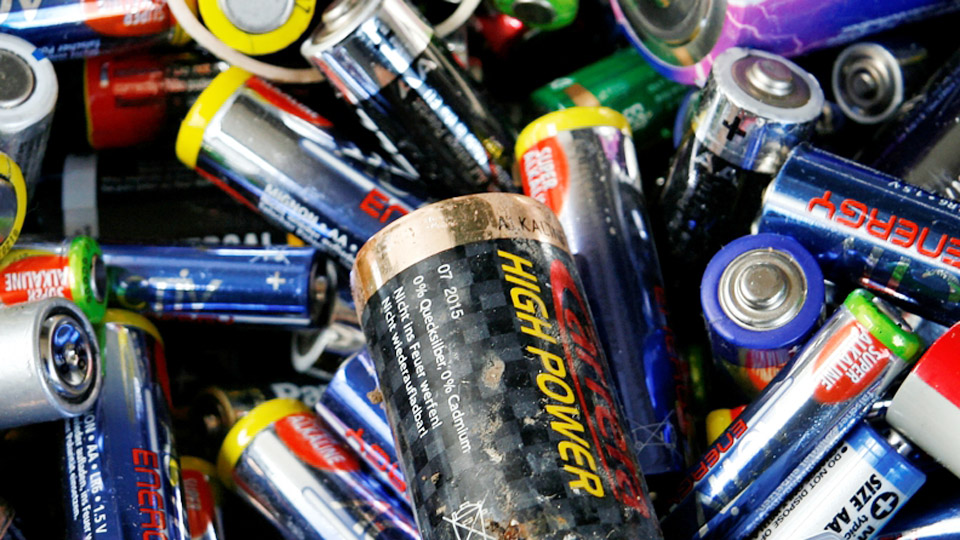
Image by global-recycling.info
Why NiMH Batteries Still Matter—and Why Recycling Them Is Non-Negotiable
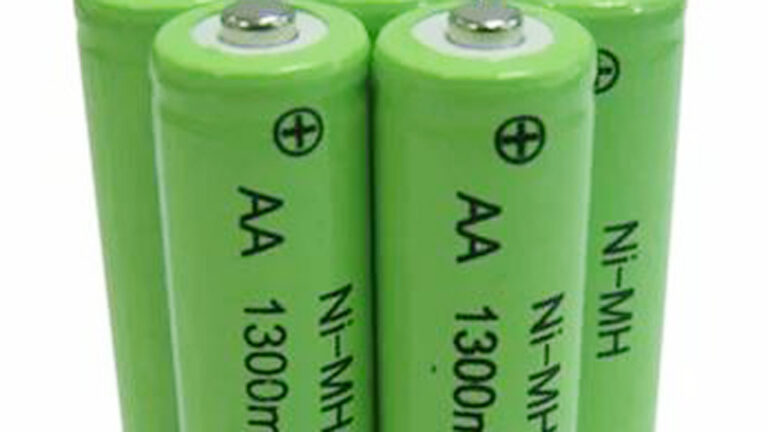
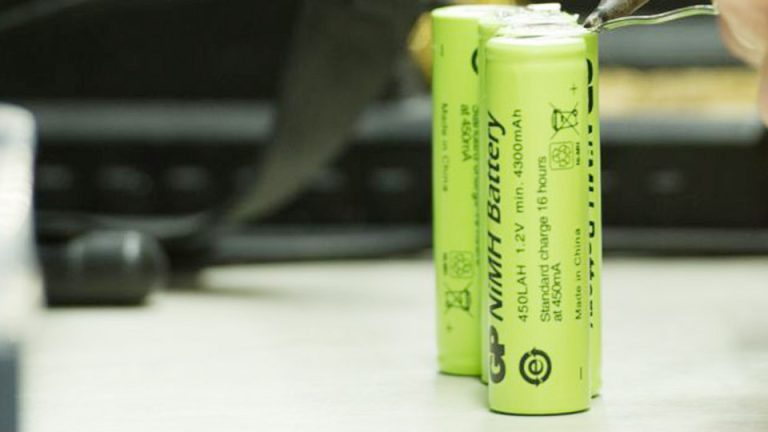
NiMH batteries powered the early hybrid revolution and remain common in consumer electronics, power tools, and some backup systems. They use a nickel hydroxide positive electrode, a hydrogen-absorbing alloy negative electrode, and an alkaline electrolyte.
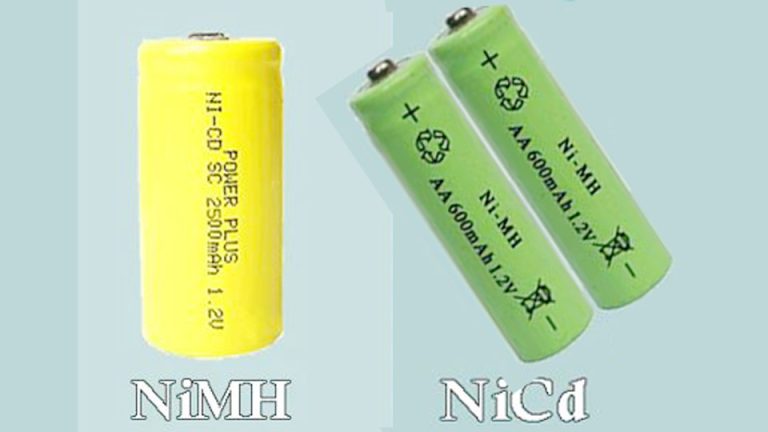
Compared to older nickel-cadmium (NiCd) cells, they offer higher capacity without the heavy cadmium toxicity, but they’re not as energy-dense or long-lived as modern lithium-ion or LiFePO4 options.
The catch? Like all rechargeables, tossing NiMH in the regular trash risks leaching metals into the environment. While not classified as hazardous waste under most U.S. DOT rules for small quantities, responsible recycling recovers valuable materials and prevents pollution.
I’ve seen DIYers ignore this and end up with corroded terminals or weak performance in their next build. Proper recycling closes the loop and saves resources.
Understanding Battery Chemistries: Where NiMH Fits In
To recycle smartly, you need to know what you’re dealing with. Here’s a breakdown of the main types I work with regularly.
Lead-Acid (Flooded, AGM, Gel): These are the workhorses in cars, motorcycles, UPS systems, and many solar setups. Affordable, but heavy with sulfation issues if not maintained. Voltage: 12V nominal. Capacity in Ah. Lifespan: 3–7 years with good care.
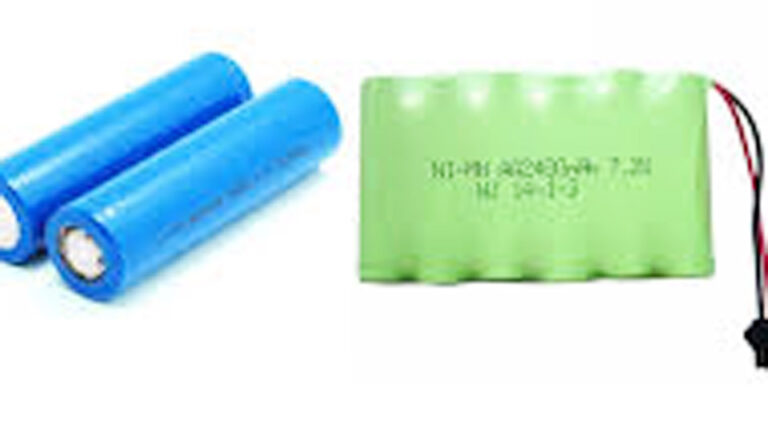
Nickel-Based (NiCd and NiMH): NiCd has memory effect and toxicity; NiMH improved on that. Common in older hybrids, AA/AAA rechargeables, and tools. Self-discharge is higher than lithium.
Lithium-Ion and LiFePO4: Dominant in EVs, modern solar storage, and high-performance tools. LiFePO4 is safer, more stable, and longer-lasting (often 10+ years), with flatter discharge curves. Voltage: 3.2–3.7V per cell. Much higher Wh/kg.
Pros and Cons Comparison:
Lead-Acid/AGM: Cheap upfront, proven in cold weather, but heavy and shorter cycle life. Great for starting batteries, less ideal for deep cycling.
NiMH: Decent energy density for their era, tolerant of overcharge to some extent, recyclable. But memory effect (less than NiCd), higher self-discharge, and lower efficiency than lithium.
Lithium (Li-ion/LiFePO4): Lightweight, high cycle life (2000+), fast charging. Higher initial cost, but better long-term value. Safety varies—LiFePO4 is thermally stable.
In real life, I recommend LiFePO4 drops for solar or deep-cycle needs whenever budget allows. For legacy NiMH packs in hybrids or tools, recycling is the end-of-life play.
Battery Lifespan, Degradation, and When to Recycle
Batteries don’t die suddenly—they degrade. NiMH cells lose capacity from repeated charge-discharge cycles, heat, and improper storage. Expect 500–1000 cycles depending on use. Signs it’s time: voltage drop under load, swelling, or failure to hold charge.
Common mistakes I see:
- Storing at full charge in hot garages (accelerates degradation).
- Mixing old and new cells in packs.
- Ignoring temperature—NiMH hates extremes more than some think.
Test with a multimeter or battery analyzer. If capacity is below 70-80% of original, recycle it.
Safety First: Handling and Preparing NiMH for Recycling
Rechargeables can still pack a punch. Always:
- Discharge fully if possible (use a safe discharger or the device itself).
- Tape terminals with electrical tape or bag individually to prevent shorts.
- Inspect for damage—leaking electrolyte needs extra care (gloves, ventilation).
- Never puncture or incinerate.
I’ve had a shorted pack spark in the shop; tape everything. For larger hybrid packs, consult a professional—high voltage is no joke.
Step-by-Step: How to Recycle Nickel Metal Hydride Batteries
Here’s the practical process I follow and recommend.
Step 1: Identify and Sort
Check labels for “NiMH” or chemistry symbols. Separate from lithium, alkaline, or lead-acid. Mixing chemistries complicates processing.
Step 2: Prepare
Tape terminals, bag if needed. For bulk (tools, hybrids), use sturdy containers.
Step 3: Locate a Drop-Off
- Retailers: Home Depot, Lowe’s, Best Buy, Batteries Plus—many partner with Call2Recycle (now The Battery Network). Free for most household rechargeables up to certain limits.
- Local HHW (Household Hazardous Waste) facilities or county programs.
- Manufacturer take-back or mail-in for specialty packs.
- Earth911 or Call2Recycle locators for nearby spots.
In most states, small quantities can go in trash, but don’t—recycle. California has stricter rules.
Step 4: What Happens at the Facility
Batteries are sorted, discharged if needed, shredded or disassembled. Hydrometallurgical or pyrometallurgical processes recover nickel, cobalt, rare earths, and more. Plastics and other materials get separated. Recovery rates are high for key metals.
I’ve toured similar operations—seeing nickel come back as powder for new alloys is satisfying.
Charging, Maintenance, and Extending Life (Before Recycling)
Good habits delay recycling. For NiMH:
- Use smart chargers with proper voltage (typically 1.2V nominal per cell, charge to ~1.4-1.5V).
- Avoid trickle charging long-term.
- Store at 40-50% charge in cool, dry conditions.
- Balance packs periodically.
For all types, match chargers to chemistry. Wrong voltage kills batteries fast—I’ve fried more than one pack that way.
Real-World Examples:
- Car starting: AGM lead-acid handles vibration and cold better.
- Solar deep-cycle: LiFePO4 or quality AGM for daily use.
- Power tools: NiMH or lithium packs—lithium wins on runtime now.
- UPS: Sealed lead-acid or lithium for backup.
Troubleshooting Common Battery Issues
- Won’t Charge: Check connections, charger compatibility, cell imbalance.
- Overheating: Bad cells or overcurrent.
- Leakage: Age or damage—dispose/recycle immediately.
- Reduced Runtime: Capacity loss—test and replace weak cells or whole pack.
Prevention beats cure. Use BMS (Battery Management Systems) on lithium setups.
Comparison Tables for Quick Decisions
(Imagine a clean table here: Battery Type | Nominal Voltage | Cycle Life | Cost | Best For | Recycling Ease)
NiMH sits in the middle—solid for its time, but lithium is pulling ahead for most new installs.
Broader Battery Ecosystem: Cars, Solar, Tools, and More
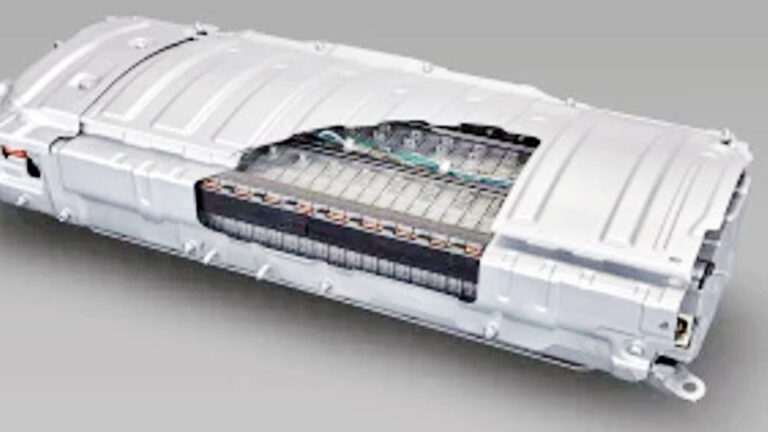
In hybrids, NiMH packs are being phased out for lithium, but many older Prius and such still run them. Solar users might have mixed systems. Always verify compatibility—voltage mismatches destroy inverters or chargers.
Maintenance routines: Check specific gravity on flooded lead-acid, clean terminals, equalize charges occasionally.
Environmental and Cost Impacts
Recycling NiMH recovers resources and reduces mining needs. While lithium gets more press, NiMH recycling is mature and effective. Long-term, choosing durable chemistries and recycling saves money and hassle.
Practical Recommendations and Pro Tips
- Invest in a good battery tester.
- Label everything—date installed, chemistry.
- For bulk generators (shops, fleets), set up a partnership with a recycler.
- Pro tip from the workbench: When rebuilding packs, capacity-match cells within 5% and use spot welding for reliability. And always have a fire extinguisher rated for electrical/metal fires nearby.
After years in the shop, the biggest lesson is respect the chemistry. Treat batteries right, and they’ll serve you. Recycle them responsibly when done, and you’re part of the solution.
Wrapping Up
You now have the knowledge to diagnose, maintain, extend, and properly recycle your NiMH (and other) batteries. Next time you’re staring at a dead pack in your garage or solar shed, you’ll know exactly what to do—confidently and safely.
For hybrid NiMH packs, consider professional refurbishment services before full recycle if capacity is marginal—sometimes individual modules can be salvaged, stretching your investment further.
FAQ
Can I throw NiMH batteries in the regular trash?
In small quantities in many states, yes, but it’s not recommended. Recycle them at retailers or HHW sites to recover materials and protect the environment.
How do I find a recycling location near me?
Use Call2Recycle/The Battery Network locator, Earth911, or check Home Depot, Lowe’s, or Best Buy. Many accept them free.
Are NiMH batteries hazardous waste?
Generally not for small consumer amounts under U.S. rules, unlike some lithium or lead-acid. Still, handle with care and recycle.
What’s the difference in recycling NiMH vs lithium-ion?
NiMH uses more established hydrometallurgical/pyrometallurgical paths focused on nickel recovery. Lithium requires careful discharge due to fire risk but recovers high-value materials too. Both are worthwhile.
How long do NiMH batteries last before needing recycling?
Typically 3–5 years or 500–1000 cycles in normal use. Test regularly; recycle when performance drops significantly.