Nickel-Metal Hydride Battery vs Nickel Cadmium: Key Differences
You’re standing in a store or scrolling through battery options online, trying to replace an old rechargeable battery pack. Then you notice two similar choices—NiMH and NiCd—and suddenly you’re comparing specifications, capacities, and compatibility instead of making a quick purchase. That’s when the question comes up: nickel-metal hydride battery vs nickel cadmium—which one is actually better?
It’s a comparison that confuses a lot of people because both battery types have been used in cordless tools, emergency lighting, toys, and other rechargeable devices for years. On the surface they seem similar, but their performance, charging behavior, lifespan, and maintenance requirements can be very different.
Choosing the wrong battery can lead to shorter runtime, more frequent charging, or compatibility issues that reduce the performance of your equipment. In some situations, it can even mean spending more money on replacements sooner than expected.
I’ll break down the key differences between NiMH and NiCd batteries, explain where each one performs best, and highlight the advantages and drawbacks that matter in real-world use. By the end, you’ll know exactly which battery type makes the most sense for your device and budget.
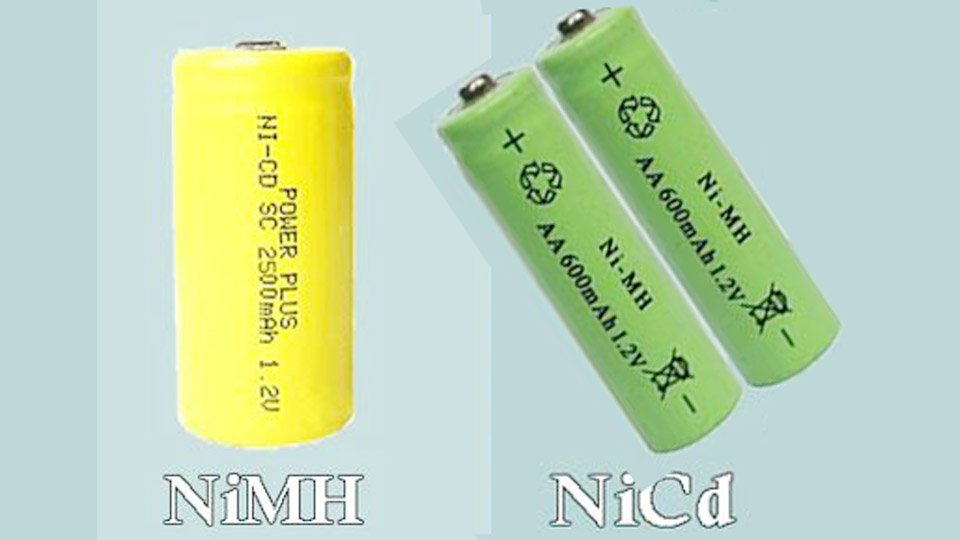
Image by tycorun
What Are Nickel Cadmium (NiCd) Batteries?
NiCd batteries have been around since the late 1890s, invented by Waldemar Jungner. They’re built with a nickel oxide hydroxide positive electrode and a metallic cadmium negative electrode, using potassium hydroxide as the electrolyte.
In practice, they deliver a steady nominal voltage of about 1.2V per cell, with excellent high-discharge performance. They shine when you need raw power quickly—think starting a tool or handling surge loads. I’ve pulled full capacity even at high drain rates that would make other chemistries sweat.
How NiCd Batteries Work in Real Use
During discharge, the chemical reaction releases electrons while converting materials at the electrodes. Charging reverses this. They’re rugged: they tolerate overcharging, deep discharges, and temperature swings better than many expect. In cold garages or hot engine bays, they’ve rarely failed me outright.
When and Why to Use NiCd
Use them in high-drain applications like professional power tools, emergency lighting, medical equipment, or aviation backups. They’re forgiving in rough environments where drops, vibrations, or inconsistent charging happen. For solar or deep-cycle needs? Not ideal unless you’re dealing with very specific high-current scenarios.
Practical Tips from the Shop
- Charge with dedicated NiCd chargers that handle their characteristics. Avoid mixing with NiMH on the same charger without verification.
- They have a “memory effect”—if you repeatedly recharge before full discharge, capacity seems to drop. Combat this with occasional full discharge cycles (down to about 1V per cell) followed by a proper recharge.
- Store them discharged or at partial charge in cool, dry conditions. Self-discharge is moderate, but don’t let them sit for months unused.
- Safety first: Cadmium is toxic. Never puncture, short-circuit, or incinerate them. Recycle properly—many auto parts stores or battery specialists take them.
Common beginner mistake I’ve seen: Using a universal charger that overcharges them, leading to heat buildup and venting. Always monitor the first few cycles.
What Are Nickel-Metal Hydride (NiMH) Batteries?
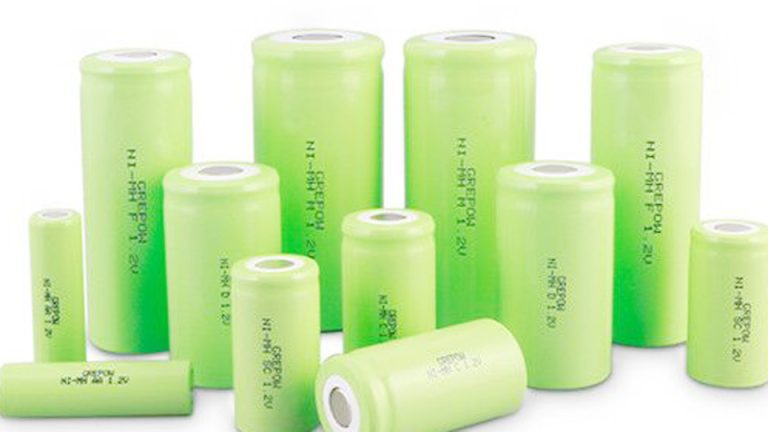
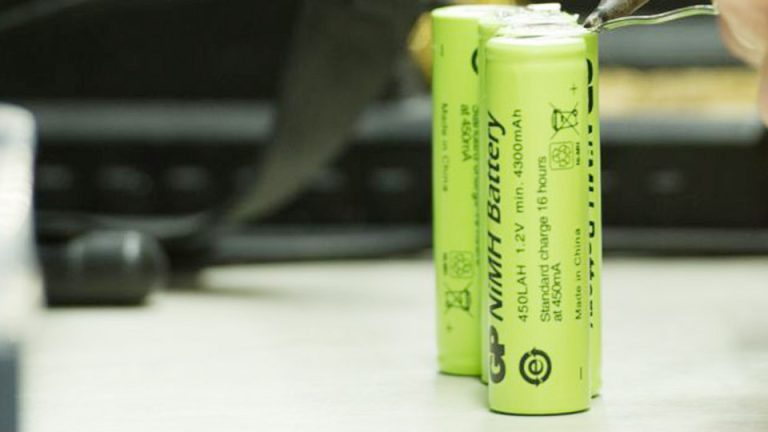
NiMH batteries evolved from NiCd tech in the 1990s to address toxicity concerns. They swap the cadmium negative electrode for a hydrogen-absorbing alloy, keeping the nickel positive electrode. This gives them 2-3 times the capacity of same-size NiCd cells while staying at 1.2V nominal.
How NiMH Works Day-to-Day
The chemistry stores more energy per volume. Discharge feels similar, but they often provide longer runtime in moderate-drain devices. In my solar garden lights and cordless mowers, they’ve extended usable time noticeably over old NiCd packs.
When and Why Choose NiMH
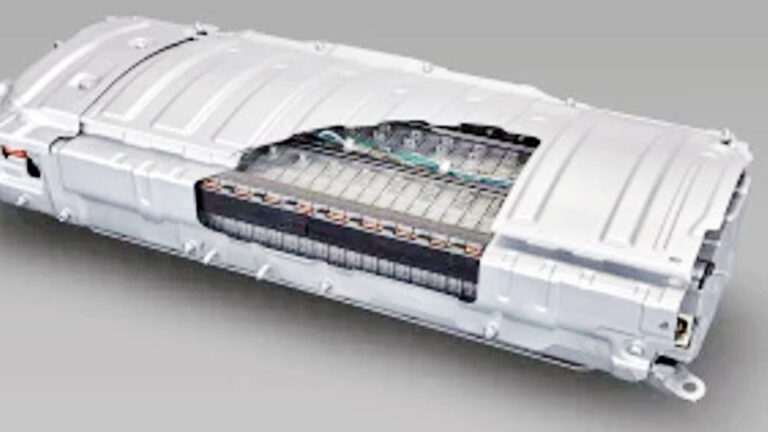
They’re excellent for consumer electronics, hybrid vehicle packs (like older Prius models), digital cameras, toys, and low-to-moderate drain solar setups. Higher energy density makes them lighter for the same runtime, and they’re far more environmentally friendly.
Hands-On Tips
- They self-discharge faster—up to 20-30% in the first day or so, then slower. Charge the night before heavy use, especially in RC vehicles or portables.
- Use smart chargers with delta-V detection or temperature monitoring. NiCd chargers can overheat NiMH cells.
- Less prone to memory effect, but still benefit from occasional full cycles.
- Voltage profile is flatter initially but drops more suddenly near end-of-life—plan for that in critical applications.
A real-world failure I’ve fixed: Mixing old NiCd and NiMH in a pack led to imbalance and early death. Match chemistries and capacities.
Direct C@omparison: NiMH vs NiCd Head-to-Head
Here’s what matters in the garage or on the job site:
- Capacity and Runtime: NiMH wins easily—often double or triple the mAh in the same size. A AA NiMH might give 2000-3000 mAh vs. 600-1000 mAh for NiCd.
- High-Drain Performance: NiCd excels. It handles 1.5-2A+ rates without drama; NiMH struggles and delivers less usable capacity at high amps. Perfect for pro drills vs. occasional homeowner use.
- Memory Effect: NiCd is more susceptible; NiMH much less so.
- Self-Discharge: NiCd is better for long storage; NiMH loses charge quicker.
- Lifespan and Cycles: Both can do hundreds to over 1000 cycles with care, but NiCd often edges out in abusive conditions. NiMH shines in gentler, frequent-use scenarios.
- Temperature Tolerance: NiCd handles extremes better, especially cold. NiMH performs decently but prefers moderate temps.
- Environmental Impact and Safety: NiMH is the clear winner—no toxic cadmium. Both need proper recycling, but NiMH is less hazardous.
- Cost: NiCd cheaper upfront in some cases, but NiMH often better long-term value due to capacity.
Quick Comparison Table (Approximate Real-World Values)
| Aspect | NiCd | NiMH |
|---|---|---|
| Nominal Voltage | 1.2V | 1.2V |
| Capacity (same size) | Lower (e.g., 600-1200 mAh) | Higher (2000-3000+ mAh) |
| High Discharge | Excellent | Good (limited) |
| Memory Effect | Pronounced | Minimal |
| Self-Discharge | Moderate | Higher |
| Cycle Life | 500-1500+ (rugged use) | 500-1000+ |
| Toxicity | Cadmium (high) | Low |
| Best For | Power tools, emergencies | Electronics, solar, hybrids |
Broader Battery Context: Where NiMH and NiCd Fit Among Other Types
Batteries aren’t one-size-fits-all. Here’s how they stack up against common alternatives I use regularly.
Lead-Acid (Flooded, AGM, Gel): Cheap, reliable for automotive starting and deep-cycle solar. Heavy, lower energy density, sensitive to deep discharges. AGM and gel variants are maintenance-free and vibration-resistant—great for RVs or boats, but not as portable as nickel types.
Lithium-Ion and LiFePO4: Higher voltage (3.2-3.7V), superior energy density, longer life, and low self-discharge. Ideal for modern EVs, high-end solar, and lightweight tools. More expensive upfront and require BMS protection, but worth it for many upgrades. NiMH/NiCd still compete in cost-sensitive or legacy setups.
In a solar system, I might pair lithium for the main bank but keep NiMH for smaller sensor or light backups. For cars, lead-acid or lithium dominate starting batteries; nickel types appear more in hybrids or accessories.
Step-by-Step: Testing, Charging, and Replacing Batteries
Testing Battery Health
- Use a multimeter for voltage (fully charged ~1.4-1.45V per cell resting).
- Load test with a battery analyzer or known device—note runtime.
- Check for heat or swelling during charge—red flags for failure.
Charging Best Practices
- NiCd: Constant current, often 0.1C to 1C rates. Allow some overcharge tolerance.
- NiMH: Slower or smart fast charge (0.5C-1C with termination). Avoid cheap trickle chargers long-term.
- Voltage ranges: Don’t exceed ~1.55V per cell during charge. Match charger to chemistry.
Replacing a Battery Pack
Measure old pack voltage and dimensions. For NiCd to NiMH swap (common upgrade), ensure same cell count for voltage compatibility. Test fit and balance. In power tools, I’ve upgraded successfully but monitored for heat on high loads.
Real-World Usage Examples
Cars and Motorcycles: NiCd/NiMH less common for main starting (lead-acid rules), but useful in older hybrids or accessory packs. NiCd’s cold cranking helped in winter emergencies.
Solar Systems: NiMH for small off-grid lights and sensors—higher capacity means fewer recharge cycles. Avoid deep cycling NiCd here.
UPS and Backup: NiCd for critical high-reliability setups due to robustness. NiMH for cost-effective shorter backups.
Power Tools and Electronics: Classic NiCd territory for pros; NiMH for lighter home use. I’ve seen cordless drills last decades on good NiCd maintenance.
Common Mistakes and How to Avoid Them
- Charging with the wrong charger: Leads to overheating or incomplete charges.
- Ignoring memory effect on NiCd: Results in “weak” batteries that aren’t truly dead.
- Poor storage: Heat and full charge accelerate degradation.
- Mixing cells: Causes imbalance—always use matched packs.
- Overlooking recycling: Environmental and legal issues.
Troubleshooting low performance? Fully discharge (safely), recharge fully, and repeat a couple cycles. Check connections for corrosion.
Maintenance Routines for Longevity
For both: Keep terminals clean, avoid extreme temperatures, and use every few months. For NiCd, monthly conditioning discharges. For NiMH, top off before use. In solar, ensure charge controllers match chemistry.
Safety Considerations
Both can leak or vent if abused. NiCd’s cadmium demands extra caution—wear gloves during handling old packs. Use proper enclosures, avoid shorts, and monitor for swelling. In vehicles or solar, fuse appropriately and ventilate if needed.
Practical Recommendations
- Charging: Follow manufacturer specs. For AA/AAA, dedicated smart chargers are cheap insurance.
- Storage: Cool (around 50-70°F), partial charge for NiMH; discharged for long-term NiCd.
- Compatibility: Voltage must match. Capacity upgrades are usually fine but test.
- When to Upgrade: From NiCd to NiMH for capacity; consider lithium for modern high-performance needs.
Choosing the Right Battery for Your Setup
Reflecting on dozens of failed packs I’ve revived or replaced, the nickel-metal hydride battery vs nickel cadmium choice boils down to priorities: toughness and high power (NiCd) or capacity and eco-friendliness (NiMH).
Most folks today benefit from NiMH in consumer and solar roles, while NiCd holds niche ground in demanding industrial or legacy applications.
You’re now equipped with the knowledge to diagnose issues, maintain what you have, or spec the right replacement without guesswork.
Always keep a spare matched cell or two and a good analyzer. When a pack starts failing unevenly, replacing the weakest cell early often saves the whole set and prevents cascade failures down the line.
FAQ
Can I replace NiCd batteries with NiMH?
Yes, in most cases for same-size, same-voltage packs. You’ll gain capacity, but verify charger compatibility and test high-drain performance. Avoid mixing in the same device.
Which has better lifespan—NiMH or NiCd?
NiCd often lasts longer under abuse and high cycles with maintenance. NiMH excels in normal use but suffers more from high self-discharge and heat.
How do I prevent memory effect?
For NiCd, fully discharge periodically. NiMH is far less affected—regular use usually suffices.
Are these batteries safe for solar lights?
NiMH is preferred for higher capacity and lower toxicity. Ensure proper charging from the solar panel controller.
What’s the biggest mistake with nickel batteries?
Using incompatible chargers or leaving them unused for long periods without maintenance. Always match chemistry and cycle them occasionally.