What Is a Nickel Metal Hydride Battery?

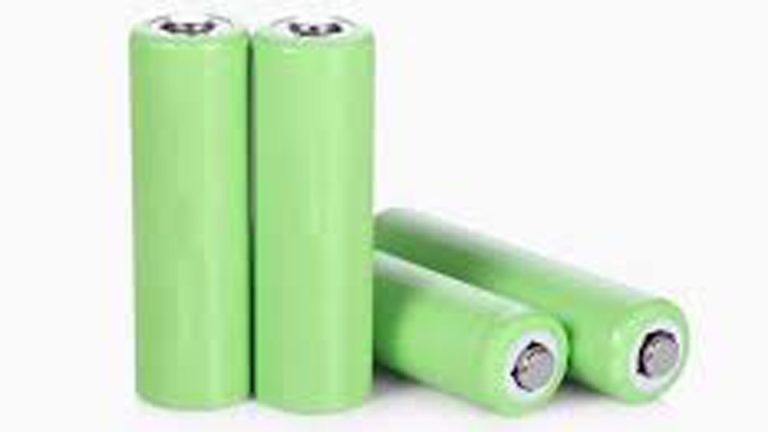
Image by mobilityengineeringtech
How NiMH Batteries Work
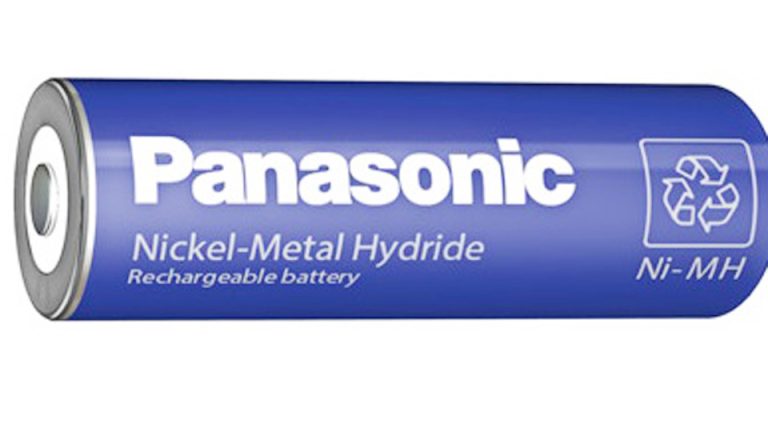
At their core, NiMH batteries use a chemical reaction between a positive nickel oxyhydroxide (NiOOH) electrode and a negative electrode made of a hydrogen-absorbing metal alloy. The electrolyte is typically an alkaline solution, usually potassium hydroxide.
During discharge, hydrogen ions move from the negative electrode to the positive one, releasing electrons to power your device. When you charge it, the process reverses.
This setup gives NiMH cells a nominal voltage of about 1.2V—lower than a fresh alkaline’s 1.5V, but they hold that voltage steadily through most of the discharge cycle, which makes them reliable in real use.
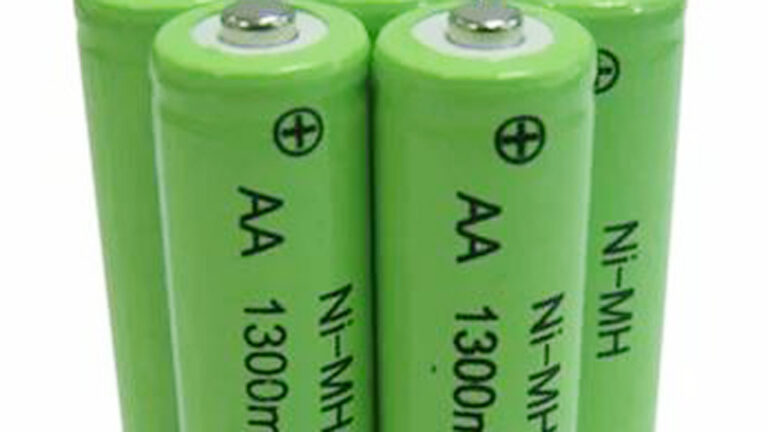
In practice, I’ve seen single cells or packs wired in series for higher voltages. A common AA NiMH might deliver 1.2–2.8 Ah capacity, while larger packs in hybrids scale up significantly.
Why NiMH Batteries Still Matter Today
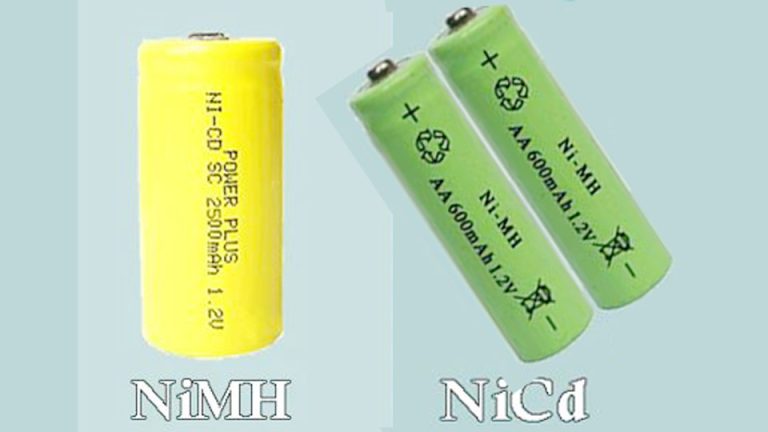
Despite lithium-ion dominating headlines, NiMH remains relevant for specific scenarios. They offer good energy density compared to older lead-acid or nickel-cadmium (NiCd) batteries—roughly double that of lead-acid in many cases—without the same toxicity or memory effect issues as NiCd.
They shine in applications needing moderate power, decent cycle life, and solid safety. Hybrids like older Toyota Prius models relied on them heavily. Power tools, cordless phones, digital cameras, and some solar garden lights or small backup systems still use them effectively.
NiMH vs. Other Battery Types: A Real-World Comparison
Choosing the right battery means matching chemistry to your needs. Here’s how NiMH stacks up against common alternatives I’ve worked with in garages and off-grid setups.
Battery Type Comparison Table:
| Aspect | Lead-Acid (Flooded/AGM/Gel) | NiMH | Lithium-Ion / LiFePO4 |
|---|---|---|---|
| Nominal Voltage | 2V per cell (12V battery) | 1.2V per cell | 3.2–3.7V per cell |
| Energy Density | Low (30–50 Wh/kg) | Moderate (higher than lead-acid) | High (120–200+ Wh/kg) |
| Cycle Life | 300–500 (50% DoD) | 500–2000+ | 2000–5000+ |
| Cost (Upfront) | Lowest | Moderate | Higher |
| Safety | Good but acid/gas risks | Very good, low fire risk | Requires BMS; thermal risks |
| Self-Discharge | Moderate | Higher (10–30%/month typical; LSD variants better) | Low |
| Temperature Tolerance | Poor in extremes | Good wide range | Varies; sensitive to heat |
| Best For | Cheap stationary storage | Hybrids, tools, portables | High-performance EV/solar |
Pros of NiMH:
- Safer than lithium in many abuse scenarios—no dramatic thermal runaway like some Li-ion packs.
- More environmentally friendly than NiCd (no toxic cadmium).
- Tolerant of high discharge rates in power tools.
- Reliable in moderate temperatures and for micro-cycling in hybrids.
Cons of NiMH:
- Higher self-discharge than lithium, especially standard cells.
- Lower energy density means bulkier packs for the same capacity.
- Charging requires care to avoid overcharge damage.
- Performance drops more noticeably in very cold conditions compared to some lithium options.
In my experience, if you need something affordable, safe, and proven for hybrid vehicles or tools without the complexity of a full BMS, NiMH often wins.
Common Applications in Everyday Life
Automotive and Hybrids: Older hybrid electric vehicles (HEVs) used large NiMH packs for their balance of power, longevity, and thermal stability. They handle the frequent charge-discharge cycles of regenerative braking well. If you’re working on a Prius or similar, understanding pack voltage and individual cell health is key.
Power Tools and Portables: Cordless drills, saws, and other tools love NiMH for high-rate discharge without immediate failure. They’ve powered countless job-site tools reliably.
Solar and Off-Grid: While lithium is popular for deep-cycle solar now, NiMH works in smaller systems or emergency lighting. They tolerate variable charging from solar panels decently when paired with proper controllers.
UPS, Electronics, and More: Backup systems, medical devices, and consumer gadgets use them where safety and moderate capacity matter more than maximum energy density.
Charging NiMH Batteries the Right Way
Charging mistakes kill NiMH batteries faster than almost anything else. I’ve seen packs ruined by cheap dumb chargers that just push current indefinitely.
Key Guidelines:
- Use a smart charger designed for NiMH. Look for -ΔV (negative delta voltage) detection or temperature monitoring to stop at full charge.
- Typical charge rate: 0.5C to 1C (C = capacity in Ah). For a 2000mAh AA, that’s about 1–2A.
- Fully charged voltage per cell peaks around 1.4–1.45V before dropping slightly.
- Avoid trickle charging long-term; use very low rates (<0.025C) only if needed for maintenance.
- Charge at room temperature—extreme heat is especially damaging.
Step-by-Step Charging Process:
- Inspect the battery for damage, leaks, or bulges. Discard if compromised.
- Use the correct charger. Match voltage and chemistry settings.
- Charge in a well-ventilated area.
- Monitor temperature—warm is normal near the end; hot means stop.
- Let it cool before use or storage.
Testing and Diagnosing NiMH Batteries
A good multimeter is your first line of defense in the garage.
Basic Voltage Test:
- Set multimeter to DC voltage.
- Fully charged cell should read ~1.3–1.4V open circuit.
- Under load, it should stay above 1.0–1.1V for usable power.
Capacity Check: For deeper insight, use a dedicated battery analyzer or discharge tester to measure actual mAh delivered. This reveals if a battery is holding its rated capacity or has degraded.
Troubleshooting Common Issues:
- Won’t charge: Check for reverse polarity in packs or dead cells pulling voltage down.
- Rapid self-discharge: Common in older or high-capacity cells; switch to low self-discharge (LSD) variants like Eneloop-style.
- Heat during use/charge: Indicates internal resistance increase—time to replace.
Maintenance and Storage Best Practices
Treat NiMH right and they’ll last hundreds to thousands of cycles.
- Store at moderate temperatures (ideally 0–20°C) in a charged state for short term, but avoid long-term full charge in heat.
- For long storage, discharge to about 50% and check periodically.
- Cycle them regularly—NiMH likes to be used.
- Clean terminals and avoid mixing old and new cells in packs.
Real-Life Failure Scenarios I’ve Seen:
One common mistake is leaving a hybrid pack unused for months; cells imbalance and self-discharge lead to failure. Another is using a NiCd charger on NiMH—wrong termination can overcharge. In solar setups, mismatched charge controllers cause gradual degradation.
Prevention: Balance cells in packs, use proper chargers, and monitor voltage regularly.
Battery Lifespan and Degradation Factors
Expect 500–2000+ cycles depending on depth of discharge, temperature, and care. Shallow cycles in hybrids extend life dramatically. Heat, overcharge, and deep discharges accelerate degradation. Self-discharge is a bigger issue than in lithium, but LSD versions mitigate this.
In cars or solar, factor in total cost of ownership—NiMH might need replacement sooner than lithium but with lower upfront and safety overhead.
Safety Considerations
NiMH is among the safer rechargeable chemistries. They vent hydrogen and oxygen under extreme overcharge but rarely catch fire like some lithium cells. Still:
- Never short-circuit.
- Avoid puncturing or crushing.
- Dispose of properly through recycling programs (they contain valuable metals).
- In packs, monitor for cell imbalance to prevent reverse charging weaker cells.
Practical Recommendations for Your Setup
For car owners: Check hybrid battery health with OBD tools or voltage monitoring. Replacement modules can breathe new life into older vehicles.
For solar users: Consider NiMH for smaller, low-maintenance auxiliary systems, but size appropriately for your inverter and load.
For tools: Stick with manufacturer packs or quality aftermarket NiMH for reliability.
Voltage and capacity tips: Always match pack voltage to the device. Calculate needs in Wh (Voltage × Ah) for accurate comparisons.
Choosing and Replacing Batteries
When shopping, look for capacity ratings, LSD claims, and reputable brands. For DIY replacements in tools or small packs, ensure cells have similar internal resistance.
Step-by-Step Battery Replacement (e.g., in a Power Tool):
- Discharge old pack safely.
- Disassemble carefully (note wiring).
- Match new cells by capacity and type.
- Spot-weld or use proper connections.
- Test the rebuilt pack thoroughly before heavy use.
Taking Care of Your Batteries Long-Term
The best advice from years in the workshop: Use them, charge them smartly, and inspect regularly. A little prevention goes further than heroic rescues on dead packs.
You’re now equipped with the knowledge to diagnose issues, choose wisely between NiMH and alternatives, and maintain them effectively. Whether it’s keeping a hybrid on the road, powering tools reliably, or setting up a dependable solar backup, the right approach turns batteries from a headache into a dependable asset.
In multi-cell packs, periodically do a full discharge/recharge cycle with a balancer or analyzer to equalize cells. It prevents the weakest link from dragging the whole pack down—something many techs overlook until it’s too late.
FAQ
How long do NiMH batteries last?
With proper care, 500–2000 cycles or 3–8+ years depending on use. Hybrids and tools see the higher end with moderate cycling; neglect shortens it dramatically.
Can I use NiMH batteries in place of alkaline?
Yes, in most devices. They deliver steady 1.2V and work well, though very low-drain gadgets might prefer alkalines for shelf life. LSD NiMH excel here.
Why do my NiMH batteries lose charge so fast?
High self-discharge is normal in standard cells, worsened by heat. Switch to low self-discharge versions and store cooler for better retention.
Are NiMH batteries safe for solar storage?
They can be for smaller systems, but lithium often edges them out for deep cycling and efficiency. Use proper charge controllers to avoid overcharge.
How do I revive a dead NiMH battery?
Check voltage first. If near zero, a smart charger might recover it after a few slow charge attempts, but severely damaged cells won’t hold capacity well. Replacement is often smarter.