How Long Do Lithium Coin Batteries Last? Real Lifespan
A car key fob works perfectly for years, then suddenly stops unlocking the doors one morning when you’re already late. Most people assume the remote is broken, but in many cases, the tiny lithium coin battery inside has simply reached the end of its life.
That’s usually when the question comes up: how long do lithium coin batteries last, and why do some seem to die much faster than others?
These small batteries power everything from watches and calculators to medical devices and security sensors. Even though they’re tiny, their lifespan can make a huge difference in reliability and everyday convenience.
I’ve seen cheap off-brand cells fail early, while quality lithium coin batteries kept working long after people expected them to die.
The tricky part is that battery life depends on more than just the expiration date printed on the package. Device power usage, storage conditions, temperature, and even the wrong battery type can affect how long they actually last in real-world use.
Ignore those factors, and you can end up dealing with dead remotes, lost settings, or devices failing at the worst possible time.
I’ll explain what affects lithium coin battery lifespan, how long they typically last in different devices, and the common mistakes that drain them faster. You’ll also get practical tips to help your batteries last longer and avoid unnecessary replacements.
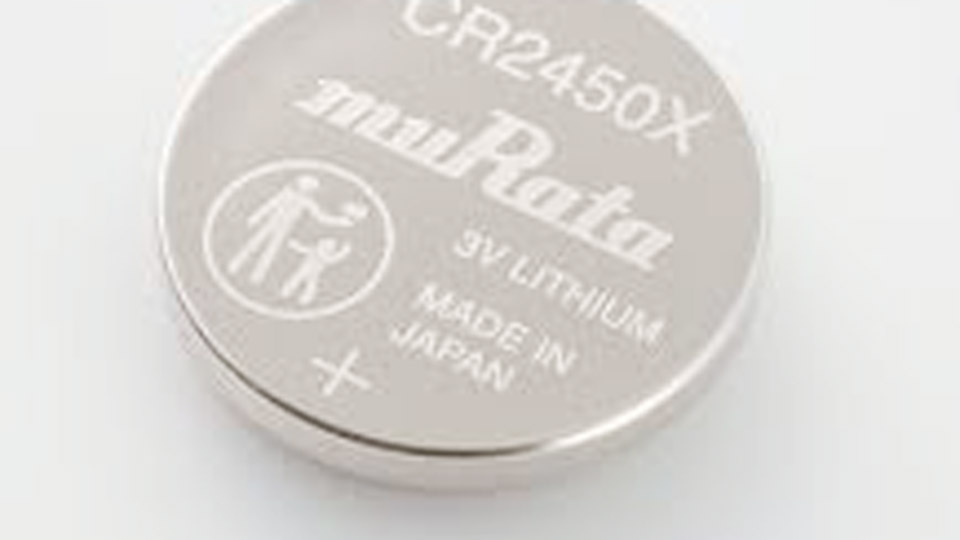
Image by mouser
What Are Lithium Coin Batteries and Why Do They Matter?
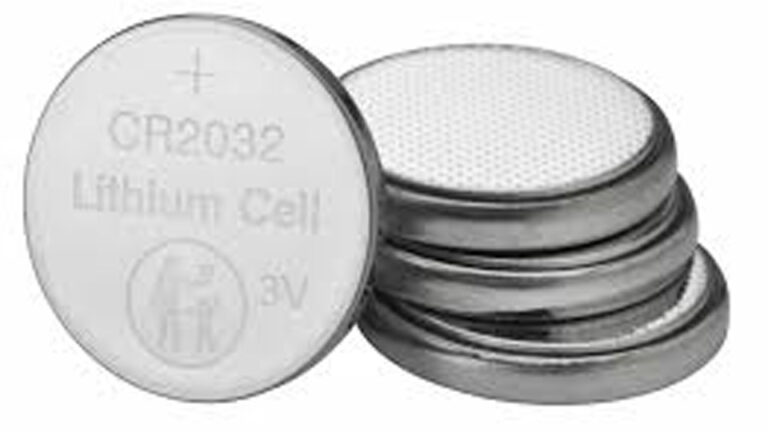
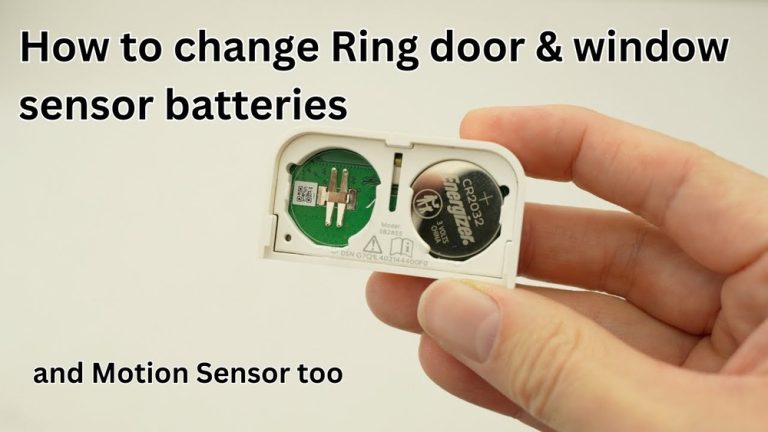
Lithium coin batteries (also called button cells or coin cells) are small, round, non-rechargeable power sources using lithium manganese dioxide chemistry. Common sizes include CR2032 (20mm diameter, 3.2mm thick), CR2025, CR2016, and CR2450.
They deliver a steady 3V nominal voltage with a flat discharge curve—meaning the voltage stays consistent until near the end of life, unlike alkalines that fade gradually.
You’ll find them in:
- Car key fobs and remote controls
- Computer motherboards (CMOS/RTC backup)
- Watches, calculators, and digital scales
- Wireless sensors, medical devices (glucose monitors), and toys
- Small solar-powered garden lights or LED gadgets
Their high energy density in a tiny package makes them ideal where space is tight and replacement should be infrequent.
Understanding Lithium Coin Battery Lifespan in Practice
Shelf life (uninstalled) for premium lithium coin cells reaches 10 years with about 1% capacity loss per year at room temperature. Many manufacturers guarantee they’ll retain 80–90% capacity after that period.
In-device lifespan varies dramatically:
- Very low-drain uses (watches, CMOS): 5–10+ years
- Moderate drain (key fobs, remotes with occasional use): 2–5 years
- Higher or continuous drain (some sensors or backlights): 6–18 months
Real example from my experience: A CR2032 in a garage door opener remote lasted nearly four years with daily use. In a rarely touched backup key fob stored in a drawer, the same battery type was still strong after six years. Heat kills them faster—leaving a key fob in a hot car in summer can cut life in half.
Key Factors That Determine How Long Your Coin Batteries Last
Temperature is the biggest enemy. Room temperature (around 20–25°C) is ideal. At 60°C, capacity can drop dramatically within months. Cold slows them down but doesn’t destroy capacity like heat does.
Current draw matters most. A device pulling 0.01mA might run for years; one pulling 0.5mA drains it much faster. You can roughly calculate expected life: Capacity (mAh) ÷ average current (mA) gives hours of runtime, then convert to months/years.
Humidity and poor sealing cause gradual self-discharge or leakage over time. Quality brands use better crimps and seals.
Age and manufacturing date count. Always check the expiration or manufacturing code on the package. A battery sitting on a store shelf for years has already used part of its life.
Lithium Coin Batteries vs. Other Common Types
Understanding coin cells in context helps when choosing batteries for broader applications.
Lithium Coin (Primary, 3V)
- Pros: Long shelf life, flat voltage, lightweight, reliable in cold/heat extremes
- Cons: Non-rechargeable, lower capacity than larger formats, can be expensive per unit
- Best for: Low-drain, set-and-forget devices
Alkaline Coin Cells (1.5V)
- Shorter life, voltage drops over time, cheaper upfront
- Lithium versions last 5–10x longer in many low-drain scenarios and maintain voltage better.
Larger Lithium-Ion Rechargeable (e.g., 18650, LiFePO4)
- Used in power tools, solar storage, EVs
- Hundreds to thousands of cycles, but require proper charging systems. They degrade over 2–10 years of active use depending on cycles and temperature.
Lead-Acid, AGM, Gel (Automotive/Solar)
- Heavy, lower energy density, but inexpensive for high-capacity backup. They self-discharge faster and need maintenance. Lithium alternatives (LiFePO4) offer 2–3x longer cycle life.
| Battery Type | Typical Lifespan | Voltage | Best Applications | Maintenance Level |
|---|---|---|---|---|
| Lithium Coin (CR2032) | 5–10 years shelf, 1–10 years use | 3V | Key fobs, watches, CMOS | Very low |
| Alkaline AA/AAA | 3–5 years shelf, months to years use | 1.5V | Flashlights, remotes | Low |
| LiFePO4 (Solar/Deep Cycle) | 2000–5000+ cycles (5–15+ years) | 12V/24V systems | Solar, off-grid, EVs | Low |
| Flooded Lead-Acid (Car) | 3–5 years | 12V | Starter batteries | Higher (check water) |
| AGM/Gel | 4–7 years | 12V | Marine, UPS | Low |
Real-World Applications and What to Expect
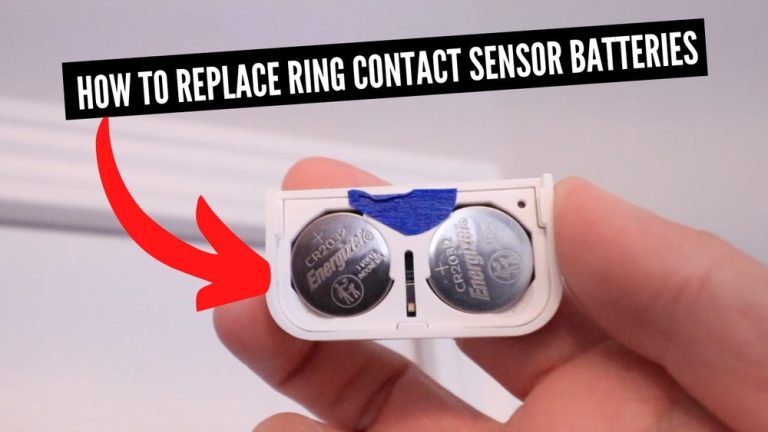
Automotive and Key Fobs: A CR2032 in a key fob usually lasts 2–4 years. If your car won’t lock/unlock reliably or the range drops, test or replace it. Pro tip: Keep a spare in the glovebox taped in its packaging.
Computers and Electronics: Motherboard CMOS batteries should last 5–10 years. If your PC forgets date/time or BIOS settings, it’s time. They’re cheap insurance against data issues.
Solar and Off-Grid Setups: Small coin cells appear in charge controllers or sensors. For main storage, move to larger lithium or lead-acid banks. Coin cells aren’t for high-capacity needs.
Power Tools and Portables: Use proper lithium-ion packs here, not coin cells. Coin cells shine in the small electronics inside tools (like LED indicators).
Step-by-Step: Testing, Replacing, and Maintaining Lithium Coin Batteries
Testing a Coin Cell:
- Use a digital multimeter set to DC voltage.
- Fresh or good battery reads ~3.0–3.3V under no load.
- Under load (connected to device), it should stay above 2.5–2.8V for reliable operation.
- Below 2.5V? Replace it.
Safe Replacement:
- Note the orientation (+ side usually up).
- Clean contacts with isopropyl alcohol and a cotton swab.
- Avoid touching terminals excessively.
- For key fobs, test range after install.
Storage Best Practices:
- Keep in original packaging or a dedicated non-conductive case.
- Cool, dry place (10–25°C), away from direct sun, metal objects, or humidity.
- Never store loose in a drawer with coins, keys, or tools—short circuits cause heat or fire risk.
- Tape terminals of used batteries before disposal.
Common mistakes I see: Mixing old and new batteries, using in high-drain devices not designed for them, or storing in hot vehicles/attics.
Charging, Safety, and Troubleshooting
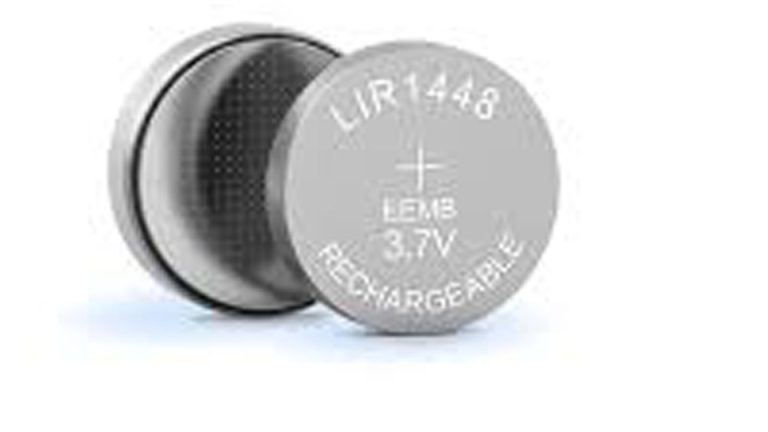
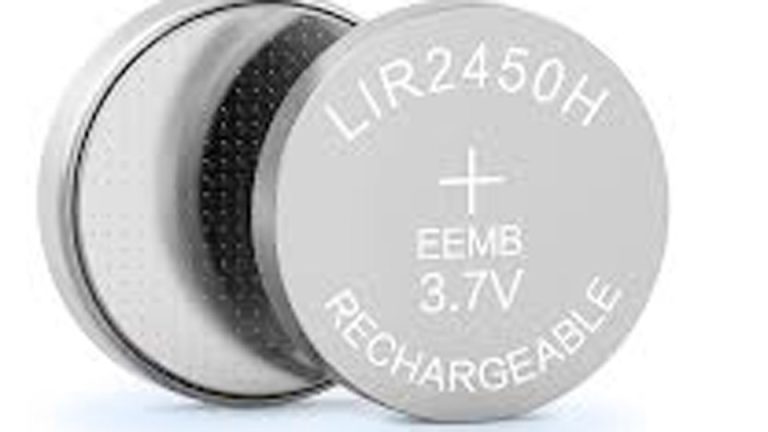
Lithium coin cells are primary (non-rechargeable). Attempting to recharge them risks leakage, overheating, or explosion. Use only the specified type for your device.
Safety Notes:
- Keep away from children—swallowing is a serious hazard.
- Dispose properly: Tape terminals and recycle at designated spots.
- Never puncture, incinerate, or short-circuit.
Troubleshooting Quick Guide:
- Device dead? Test battery voltage first.
- Intermittent operation? Check contacts for corrosion or loose fit.
- Short life? Evaluate device current draw or environmental heat.
Choosing the Right Battery for Your Needs
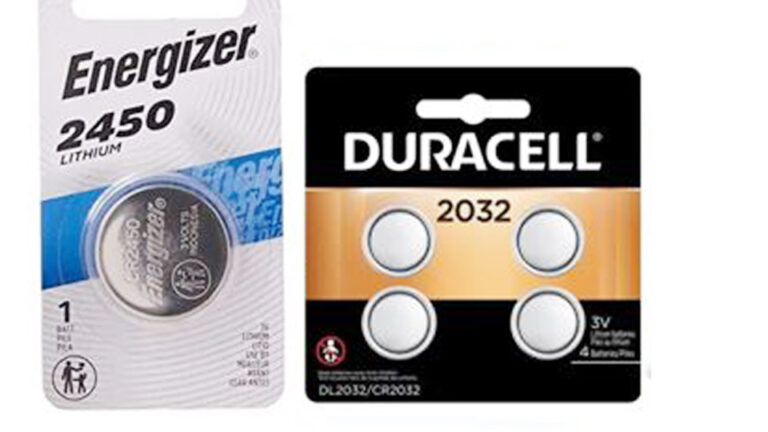
Match capacity and chemistry to the job. For coin cells, buy reputable brands (Energizer, Panasonic, Duracell, etc.) with clear date codes. Generic no-names often have higher self-discharge and shorter life.
For broader systems:
- Solar/off-grid: Consider LiFePO4 for longevity and safety.
- Automotive: AGM or lithium starter batteries where weight and cranking power matter.
- UPS/backup: Deep-cycle options with proper chargers.
Always verify voltage and physical size compatibility. A slightly thicker battery might not fit properly.
Practical Maintenance Routines for All Battery Types
Check coin cell devices annually if critical. For car batteries, inspect terminals and test voltage (12.6V+ rested for healthy 12V lead-acid). Solar users should monitor state of charge and temperature.
Avoid over-discharging any chemistry. For rechargeables, use smart chargers that prevent overcharge.
Taking Control of Your Battery Reliability
You now understand that lithium coin batteries can easily deliver years of dependable service when you respect their limits—proper storage, correct application, and occasional checks make all the difference.
Whether you’re keeping a key fob working, maintaining a solar sensor, or just avoiding surprise failures in daily drivers, the principles are the same: match the battery to the job, protect it from heat and shorts, and test when in doubt.
When replacing a coin cell in anything important (like a car key or medical device), install a fresh one and note the date on the device with a small sticker or in your phone. Five minutes now saves hours of frustration later.
FAQ
How long do CR2032 batteries really last in a key fob?
Typically 2–5 years with normal use. Frequent button presses or hot car storage shorten this; spares often last longer in a drawer.
Can you recharge lithium coin batteries?
No. They are primary cells. Recharging attempts can cause leaks, overheating, or rupture. Use rechargeable alternatives only where the device supports them (rare for coin sizes).
What shortens lithium coin battery life the most?
High temperatures, continuous or high current draw, and poor storage conditions. Room temperature with minimal drain gives the longest life.
Are lithium coin batteries better than alkaline button cells?
Yes, for most applications. They provide higher voltage (3V vs 1.5V), longer life, better temperature tolerance, and more stable output.
How should I store spare CR2032 batteries?
In their original packaging or a plastic case, in a cool, dry drawer or cabinet. Avoid loose storage near metal or in hot areas like garages or cars.