How to Charge NiMH Battery Without Charger Safely
If you use rechargeable batteries, you have probably seen NiMH batteries (Nickel Metal Hydride) in everything from cameras to toys and flashlights. Usually, you charge these batteries with a special charger designed for NiMH chemistry.
But what happens if your charger is lost, broken, or unavailable? Can you charge NiMH batteries without a charger, and is it safe? Many people wonder about this, and the answer is not simple.
I’ill explain everything you need to know about charging NiMH batteries without a charger—including safe methods, risks, practical steps, and what you should never do. You will also find real examples, comparisons, and tips that most guides miss.
Understanding Nimh Batteries
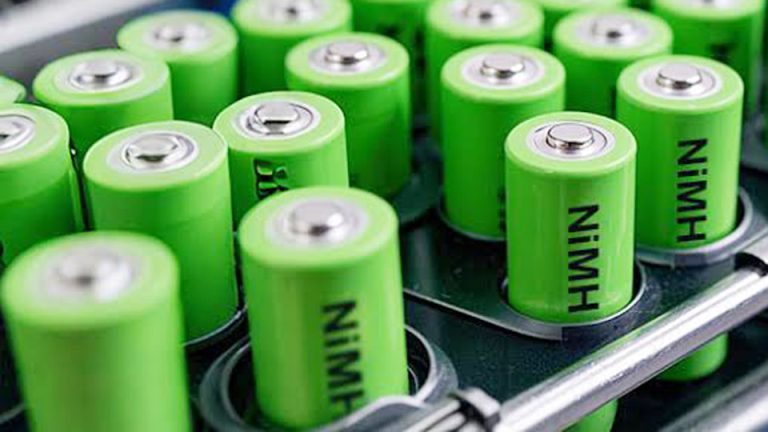
NiMH batteries are popular because they are rechargeable, hold more energy than older NiCd batteries, and do not suffer from the “memory effect” as much. They are used in many household devices and electronics.
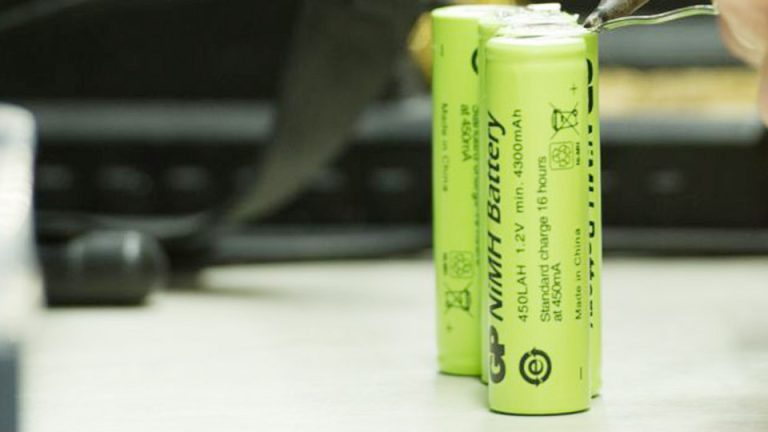
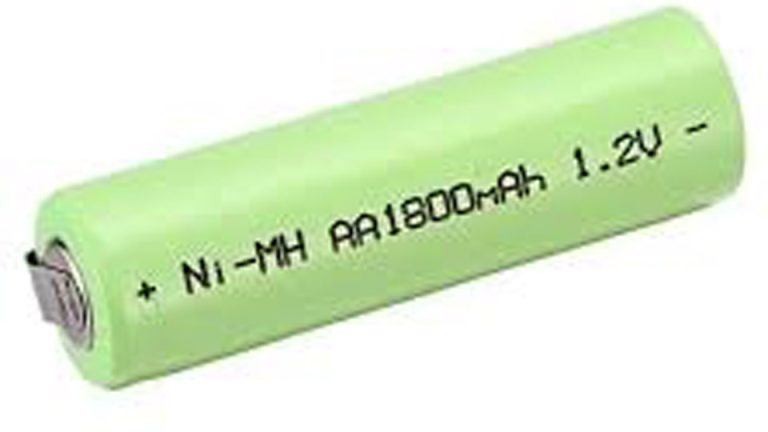
A standard AA NiMH battery has a nominal voltage of 1.2V and a capacity from 600 to 2800 mAh, depending on the brand and type.
How Do Nimh Batteries Work?
NiMH batteries store energy using a chemical reaction between nickel oxide hydroxide and a hydrogen-absorbing alloy. When you charge them, electricity reverses this reaction, storing energy for later use. The process is sensitive—charging too fast, using the wrong voltage, or incorrect polarity can damage the battery.
Why You Need The Right Charger
A proper charger controls how much current enters the battery, shuts off at the right time, and prevents overcharging. Overcharging or charging with the wrong method may cause leaks, overheating, or battery failure. This is why charging NiMH batteries without a charger requires extra care.
Is It Safe To Charge Nimh Batteries Without A Charger?
Let’s be clear: charging NiMH batteries without the correct charger is risky. There is no perfect replacement for a charger designed for NiMH chemistry. However, in emergencies, there are ways to charge your batteries with everyday items. You must follow safety tips to avoid damage or injury.
Here are the main risks:
- Overcharging: No automatic shutoff; can damage or destroy the battery.
- Overheating: Without proper controls, batteries can get hot and leak or burst.
- Short circuits: Incorrect wiring or connections may cause sparks or battery failure.
- Low efficiency: Uncontrolled charging may not fully charge the battery, leading to less use time.
Despite the risks, careful manual charging can sometimes work if you understand the limitations and safety rules.
Credit: www.reddit.com
Methods To Charge Nimh Batteries Without A Charger
If you must charge a NiMH battery without a charger, these are your main options. Each method needs careful monitoring and is best for emergencies only. Never leave batteries unattended while charging with these methods.
1. Using A Power Supply With Adjustable Voltage
A variable DC power supply lets you set voltage and current. This is the safest alternative because you can control the charging process.
Steps:
- Set the voltage: For a single AA NiMH battery, set to 1.4V–1.5V. For multiple batteries in series, multiply by the number of cells.
- Set the current: Limit to 0.1C to 0.5C (C = battery capacity in Ah). For a 2000 mAh battery, 0.1C = 200 mA. Lower current is safer.
- Connect the battery: Use alligator clips or proper holders. Double-check polarity.
- Monitor the temperature: Touch the battery every 10–20 minutes. If it gets warm or hot, stop immediately.
- Check voltage: When the battery voltage reaches 1.4V (per cell), disconnect.
Example
A 2000 mAh AA NiMH battery should be charged at 200–500 mA for 4–8 hours (depending on current). Never exceed 1. 5V per cell.
Pros And Cons
| Pros | Cons |
|---|---|
| Best control over voltage and current | Requires specialized equipment |
| Can charge multiple sizes | Must monitor manually |
| Lower risk if used properly | No automatic shutoff |
2. Using A Usb Cable And Resistors
A USB port supplies 5V, which is too high for a single NiMH cell. You must use a resistor to drop the voltage and limit the current.
Steps:
- Cut a USB cable: Expose the red (5V) and black (ground) wires.
- Add a resistor: A 15–22-ohm, 1-watt resistor in series will limit current to about 200–300 mA.
- Connect to the battery: Attach the red wire (through resistor) to the positive terminal, black to negative.
- Monitor: Check battery voltage and temperature every 20–30 minutes.
- Stop charging: When the battery reaches 1.4V (AA) or gets warm.
Example
Charging a 2000 mAh AA battery this way may take 8–10 hours. Only charge one battery at a time.
Pros And Cons
| Pros | Cons |
|---|---|
| Easy to find USB ports | Slow charging |
| No special tools needed | Requires resistor and basic wiring |
| Works in emergencies | Risk of overcharging |
3. Charging With Another Battery (jumper Method)
You can use a fully charged battery to transfer charge to a flat NiMH battery. This is not efficient but may help in a pinch.
Steps:
- Find a donor battery: Use a charged NiMH battery with the same voltage and capacity.
- Connect in parallel: Positive terminal to positive, negative to negative.
- Add a resistor: Use a 10–20-ohm resistor between batteries to limit current.
- Monitor: Check battery voltage every 15–20 minutes.
- Disconnect: When the voltages equalize, or after 1–2 hours.
Example
This method is best for giving a small boost, not a full charge. It may help if you need a few minutes of device use.
Pros And Cons
| Pros | Cons |
|---|---|
| No need for electronics | Inefficient |
| Quick setup | Can only equalize, not fully charge |
| Safe with low current | Donor battery loses charge |
4. Solar Panel Charging
If you have a small solar panel, you can charge NiMH batteries using sunlight. The panel must output the correct voltage and current.
Steps:
- Choose a panel: For AA NiMH (1.2V), a panel rated at 1.5–2V and 100–300 mA works best.
- Connect battery: Use a battery holder for safety.
- Monitor: Only charge in direct sunlight; check voltage every hour.
- Stop charging: When battery reaches 1.4V.
Example
On a sunny day, a 200 mA panel can recharge a 2000 mAh battery in about 10–12 hours.
Pros And Cons
| Pros | Cons |
|---|---|
| Eco-friendly | Slow charging |
| No electricity needed | Needs sunlight |
| Good for outdoor use | Panel must match battery voltage |
5. Emergency Methods (not Recommended)
Some guides suggest using household items like AA-to-AAA adapters, connecting batteries directly to wall adapters, or even using a 9V battery. These are dangerous and can destroy your battery or cause fire. Only use the above methods, and never attempt “quick hacks” that bypass safety.
Important Safety Tips
Charging NiMH batteries without a charger is not ideal, but if you must, follow these rules:
- Never charge unattended. Watch batteries at all times.
- Limit current. Too much current heats the battery.
- Monitor voltage. Stop at 1.4–1.5V per cell.
- Check temperature. If the battery feels warm, stop charging.
- Use resistors. Always limit current with a resistor.
- Avoid reverse polarity. Connecting the battery the wrong way can damage it.
- Don’t mix battery types. Only charge NiMH batteries this way, not Li-ion or NiCd.
A less-known tip: Old or damaged NiMH batteries may leak or fail even at low charge rates. If you see any liquid, corrosion, or the battery smells bad, do not try to charge it.
Why Not Use A Nicd Or Li-ion Charger?
You might think about using other types of chargers. However, NiCd chargers may overcharge NiMH batteries, as they use different charging curves and shutoff detection. Li-ion chargers are very dangerous for NiMH batteries because they use higher voltages and different chemistry. Never use the wrong charger type for your battery.
How Long Does Charging Take?
Charging time depends on the method, current, and battery size. Here’s a quick reference for a standard AA 2000 mAh NiMH battery:
| Method | Typical Current (mA) | Approx. Time (hours) | Risk Level |
|---|---|---|---|
| Proper Charger | 500–2000 | 1–4 | Low |
| Power Supply | 200–500 | 4–10 | Medium |
| USB + Resistor | 100–300 | 8–16 | Medium |
| Solar Panel | 100–200 | 10–20 | Medium |
| Battery-to-Battery | 50–200 | 1–4 (partial) | Low |
Note: These times are estimates. Always check battery temperature and voltage.
Common Mistakes When Charging Without A Charger
Many beginners make these errors, which can destroy the battery or cause accidents:
- Skipping the resistor: Directly connecting to a power source sends too much current.
- Using high voltage: Exceeding 1.5V per NiMH cell can cause leaks or explosions.
- Not monitoring: Leaving the battery charging for hours can cause overcharge and failure.
- Charging damaged batteries: Swollen, leaking, or old batteries are unsafe to charge by any method.
- Mismatched connections: Wrong polarity or loose wires can short-circuit the battery.
One less-obvious mistake: Using USB fast chargers or high-current adapters. These can provide several amps, which is far too much for safe NiMH charging.
What To Do If Something Goes Wrong
If you notice smoke, strange smells, heat, or leaking fluid from the battery:
- Unplug everything immediately.
- Move the battery to a non-flammable surface (like concrete) using gloves or tongs.
- Do not touch leaking fluid—it can irritate skin.
- Ventilate the area.
- Dispose of the battery properly at a recycling center. Do not throw in regular trash.
Can You Build A Diy Nimh Charger?
Yes, if you have electronics experience, you can build a simple charger using a LM317 voltage regulator or similar components. This lets you set the voltage and current, and add a timer for extra safety.
However, this still lacks the advanced safety features of commercial chargers, such as delta-V cutoff (which stops charging when the voltage drops slightly at full charge).
For most people, buying a proper NiMH charger is safer and usually costs less than $20. If you regularly use rechargeable batteries, investing in a real charger is the best solution.
Comparison: Charging Methods Vs. Proper Charger
To help you decide when (or if) to use these methods, here’s a side-by-side comparison:
| Feature | Proper NiMH Charger | DIY/Alternative Methods |
|---|---|---|
| Automatic shutoff | Yes | No |
| Controlled charging current | Yes | Manual/approximate |
| Safety | Very high | Medium/low |
| Cost | Low to moderate | Usually free if parts available |
| Convenience | High | Low |
| Accuracy of full charge | Very accurate | Poor to fair |

Credit: www.youtube.com
Real-world Example: Charging A Aa Nimh Battery With A Usb Cable
Suppose you have a dead AA NiMH battery and no charger, but you have a USB cable, a 20-ohm resistor, and some basic tools.
- Cut the USB cable and expose the wires.
- Solder one end of the resistor to the red (5V) wire.
- Connect the other end of the resistor to the battery’s positive terminal.
- Connect the black (ground) wire to the battery’s negative terminal.
- Plug the USB into a computer or USB wall adapter.
- Set a timer for 8 hours, checking the battery every hour for heat or leaks.
- When the battery reads 1.4V or gets warm, unplug and remove it.
This method is not perfect, but it can get your device working in an emergency.
Environmental Note
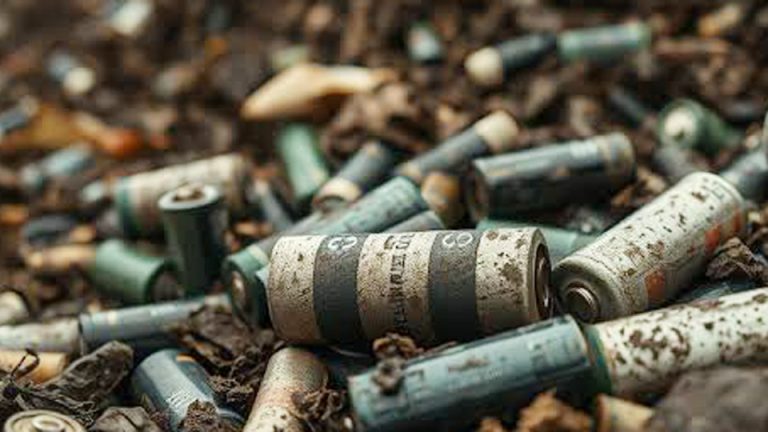
NiMH batteries are less toxic than older NiCd batteries, but they still contain chemicals that can pollute the environment. Always recycle old batteries at a proper recycling center. Never burn or throw them in the trash.
Wrapping Up
Charging NiMH batteries without a charger is possible, but it comes with risks. If you follow the steps and safety tips above, you can get your devices working in an emergency. However, for regular use, investing in a good charger is the safest and most reliable choice.
Always put safety first and never leave charging batteries unattended.
Frequently Asked Questions
What Happens If I Overcharge A Nimh Battery?
Overcharging causes heat, leaks, and may destroy the battery. In rare cases, it may burst or catch fire. Always monitor battery temperature and stop charging at 1. 4–1. 5V per cell.
Can I Use An Alkaline Battery Charger For Nimh Batteries?
Some chargers are “universal,” but most alkaline chargers do not detect NiMH chemistry correctly. This can lead to overcharging or undercharging. Use only proper NiMH-compatible chargers.
How Can I Tell If My Nimh Battery Is Fully Charged?
A fully charged NiMH battery will have a voltage between 1. 35V and 1. 45V. It may also get slightly warm at the end of charging. Never rely on heat alone as an indicator.
Is It Safe To Charge Nimh Batteries In Series?
You can charge multiple NiMH batteries in series if the charger or power supply is designed for the total voltage. However, differences in battery age or capacity may cause uneven charging. Monitor each cell if possible.
Can I Revive A Completely Dead Nimh Battery?
If a NiMH battery drops below 0. 9V, it may not hold charge well, and charging could be unsafe. Sometimes a slow trickle charge can revive it, but often it is better to recycle and replace the battery.