What Are Lithium Coin Cell Batteries CR2032? Specs & Uses
You hop in your truck after a long day, press the key fob, and nothing. The doors stay locked, the panic button is dead, and you’re standing in the parking lot wondering why these little things always fail at the worst moment.
Or maybe your computer suddenly forgot the date and time, or that wireless thermometer in the garage stopped working. In most of these cases, the culprit is a humble CR2032 lithium coin cell battery.
I’ve replaced hundreds of these over the years in key fobs, motherboards, sensors, and small electronics. Understanding what lithium coin cell batteries like the CR2032 are, how they work, and when to use (or replace) them saves real time and frustration.
More importantly, it connects to the bigger picture of choosing and maintaining batteries across your vehicles, solar setup, tools, and backup systems. Let’s walk through it like we’re in the shop together.
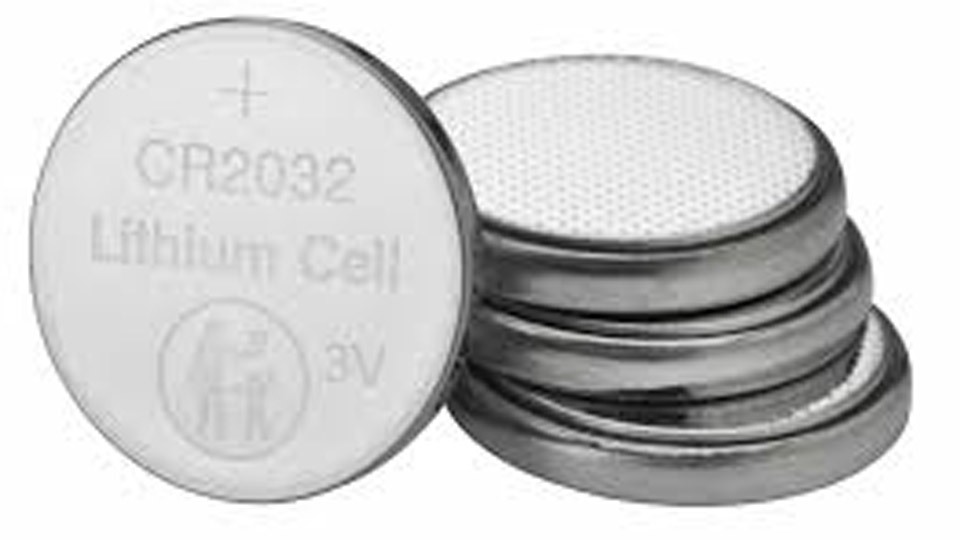
Image by verbatim-europe
What Exactly Is a CR2032 Lithium Coin Cell Battery?
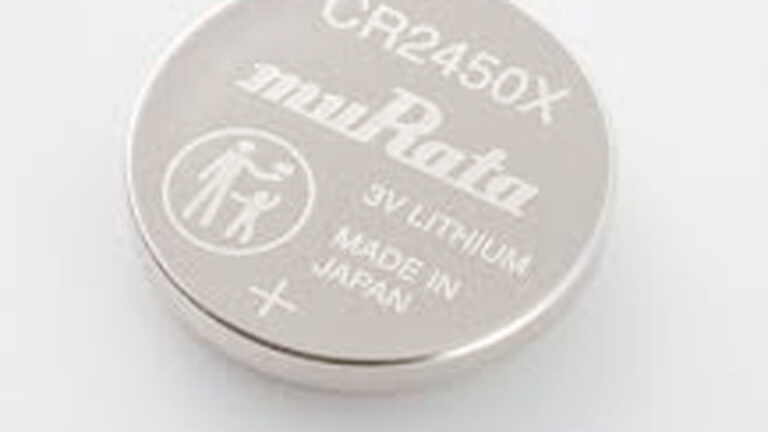
The CR2032 is a non-rechargeable 3V lithium coin (or button) cell. The naming breaks down simply: “CR” stands for lithium manganese dioxide chemistry with a round shape. “20” is the diameter in millimeters (20 mm), and “32” is the height in tenths of a millimeter (3.2 mm).
Typical specs you’ll see in real use:
- Nominal voltage: 3.0V
- Capacity: 210–240 mAh (varies slightly by brand; premium ones often hit the higher end)
- Chemistry: Lithium Manganese Dioxide (Li-MnO₂)
- Operating temperature: Generally -20°C to +60°C (some handle wider ranges)
- Shelf life: Up to 8–10 years when stored properly
- Weight: Around 2.9–3 grams
These are primary (disposable) cells, not rechargeable. They deliver a very flat discharge curve, meaning they hold steady voltage for most of their life before dropping off sharply near the end. That’s why your key fob works reliably for years and then suddenly dies.
How Lithium Coin Cells Like the CR2032 Actually Work
Inside that thin steel can is a lithium anode, manganese dioxide cathode, and an organic electrolyte. When the circuit closes, lithium ions move and create a steady 3V output. Unlike alkaline cells that start at 1.5V and sag quickly, the CR2032 gives consistent power to low-drain devices.
This makes it perfect for applications where you want long life without frequent changes. In a car key fob, it might draw micro-amps most of the time and brief higher bursts when you press buttons. In a motherboard CMOS, it keeps the BIOS settings alive with almost no drain.
Common Real-World Uses (And Why They Matter to You)
For car owners and DIY mechanics, the CR2032 shines in key fobs, tire pressure sensors (some models), and garage door openers. A dead fob battery is more than annoying — it can leave you locked out or stranded if your spare is also weak.
In electronics and computing, it’s the standard CMOS battery that maintains BIOS/UEFI settings. I’ve seen PCs lose time or boot settings because the old cell finally gave out after 5–7 years.
Everyday items include watches, calculators, fitness trackers, LED tea lights, remote controls, digital scales, and medical devices like glucose meters. Solar and off-grid folks use similar coin cells in charge controllers, wireless sensors, or data loggers. Power tool battery packs and some UPS systems have small monitoring cells too.
CR2032 vs. Other Button/Coin Cells: Practical Differences
Don’t mix them up. A CR2032 is thicker than a CR2025 (2.5 mm height, lower capacity) or CR2016. The extra thickness gives more active material and longer runtime.
Lithium (CR series) vs. Alkaline button cells:
- Lithium: 3V, higher capacity, better low-temp performance, long shelf life, stable voltage
- Alkaline: 1.5V, cheaper upfront, but faster self-discharge and voltage drop
Never substitute voltage-wise — a 1.5V cell in a 3V device won’t work properly, and higher voltage can damage sensitive electronics.
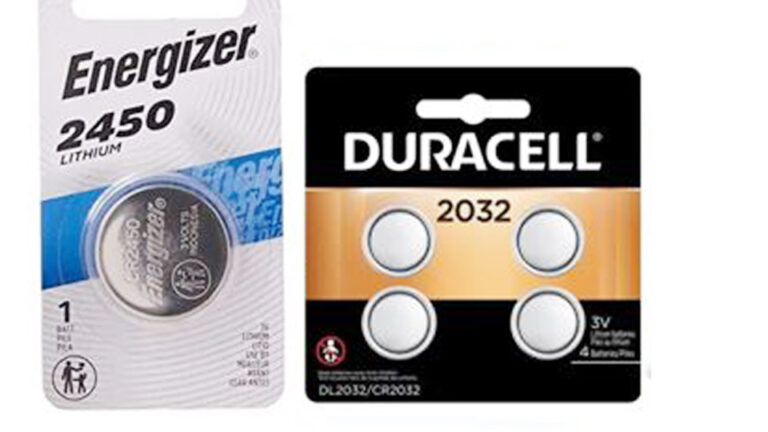
Equivalents and cross-references: Look for ECR2032, DL2032, or BR2032 (the BR series uses different chemistry for even longer storage in some cases). Stick with reputable brands like Energizer, Duracell, Panasonic, or Maxell for consistent capacity.
Step-by-Step: Replacing a CR2032 in Your Car Key Fob
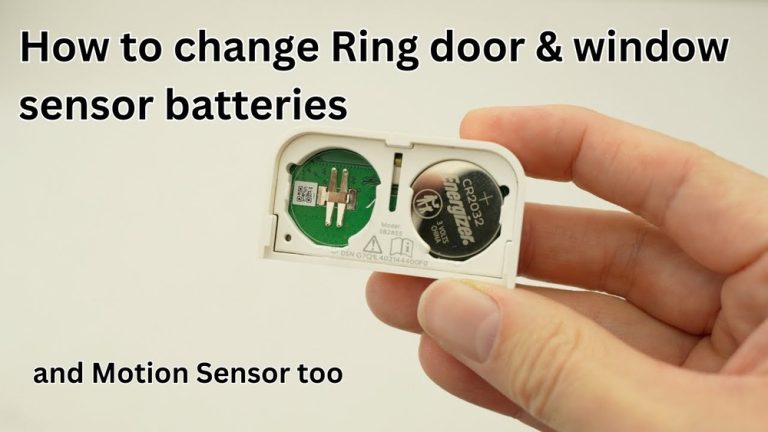
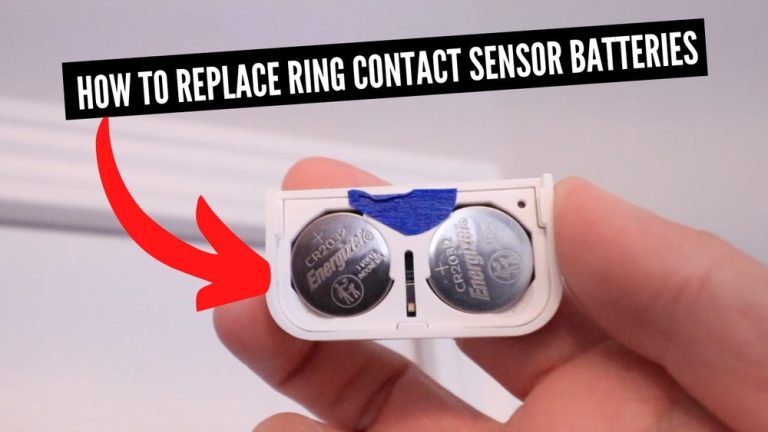
- Check your owner’s manual or open the fob carefully (usually a small slot or screws).
- Note the orientation — positive (+) side usually faces up or as marked.
- Remove the old cell. Clean any corrosion or debris gently.
- Insert the fresh CR2032. Test the fob range and buttons.
- Reassemble and test from a distance.
Pro tip from the garage: Replace proactively every 2–3 years if you live in extreme heat/cold. Buy a multipack and keep spares in your glovebox. I’ve avoided many roadside calls this way.
Battery Types Beyond Coin Cells: What Every User Should Know
While CR2032 handles low-power tasks, bigger systems need different tech. Here’s the hands-on breakdown I share with customers.
Flooded Lead-Acid: Traditional, affordable, needs maintenance (distilled water top-ups). Good for basic starter batteries but heavy and sensitive to deep discharge.
AGM (Absorbed Glass Mat): Sealed, vibration-resistant, higher discharge rates. Excellent for motorcycles, RVs, and vehicles with stop-start systems. Less maintenance than flooded.
Gel: Similar to AGM but uses gelled electrolyte. Better for very deep cycles in some solar setups, though more temperature-sensitive.
Lithium-Ion (especially LiFePO4): Game-changer for solar, off-grid, EVs, and high-cycle applications. Much lighter, 10x+ cycle life, higher usable capacity (you can discharge deeper safely), and faster charging. Higher upfront cost but lower long-term ownership expense.
Comparison Table: Choosing the Right Battery Technology
| Feature | Flooded Lead-Acid | AGM | Gel | LiFePO4 Lithium |
|---|---|---|---|---|
| Typical Voltage | 12V | 12V | 12V | 12.8V nominal |
| Cycle Life (to 50-80% DoD) | 300–500 | 500–1,200 | 500–800 | 3,000–10,000+ |
| Weight (for ~100Ah) | ~60–70 lbs | ~60–65 lbs | ~65 lbs | ~25–35 lbs |
| Usable Capacity | ~50% | ~60–80% | ~60–70% | 90–100% |
| Maintenance | High (water) | None | None | Minimal |
| Charge Time | Slow | Moderate | Moderate | Fast |
| Cost (initial) | Lowest | Medium | Medium-High | Highest |
| Best For | Basic cars | Vehicles/RVs | Some solar | Solar, off-grid, EVs |
Real talk: For a daily driver starter battery, AGM often hits the sweet spot. For house banks in solar or camper vans, LiFePO4 pays for itself quickly through efficiency and longevity.
Voltage, Capacity, and Charging: The Numbers That Matter
Always match voltage. A 12V system needs proper charging — flooded/AGM around 14.4–14.8V bulk, lithium needs specific profiles (often 14.2–14.6V for LiFePO4) to avoid damage.
Capacity in Ah (amp-hours) tells you how long it lasts under load. Wh (watt-hours) is better for comparing across voltages. A CR2032 at 3V and 220 mAh is only about 0.66 Wh — tiny compared to a 100 Ah 12V battery (1,200 Wh).
Common mistakes I see: Using a standard automotive charger on lithium (can cause overvoltage), or undercharging lead-acid batteries which leads to sulfation.
Practical Charging and Maintenance Tips from Experience
- For coin cells: Don’t recharge them — they’re not designed for it. Use quality replacements.
- Storage: Keep CR2032 and similar cells cool and dry (10–25°C ideal). Tape terminals or keep in original packaging to prevent shorts. Check voltage every 6–12 months for critical spares.
- Larger batteries: For lead-acid, keep topped up and avoid freezing when discharged. Lithium prefers 40–60% charge for long storage.
- Testing: Use a multimeter. A fresh CR2032 should read ~3.0–3.2V. Under load, watch for quick drops.
Safety Considerations: What Can Go Wrong
Lithium coin cells are generally safe but can cause issues if swallowed (big risk for kids/pets — they can burn internally). Short-circuiting creates heat. Never puncture or incinerate.
For larger lithium systems, use proper BMS (Battery Management System), avoid physical damage, and charge in safe conditions. Overheating or improper charging is where fires start — I’ve seen cheap chargers cause problems.
Lead-acid risks include acid leaks and hydrogen gas during charging. Ventilate and use eye protection.
Troubleshooting Common Battery Failures
- Key fob weak: Almost always the CR2032.
- Car won’t start but lights work: Check starter battery voltage (should be ~12.6V rested).
- Solar system underperforming: Check connections, charge controller settings, and individual cell voltages in a bank.
- Rapid degradation: Heat, deep discharges, or wrong charger.
Real-World Examples Across Applications
In my experience, a weekend warrior with a lifted truck benefits from AGM under the hood for vibration resistance. Off-grid cabin owners swear by LiFePO4 for daily cycling without babysitting. Power tools last longer with proper lithium packs. Even small coin cells keep your diagnostics accurate.
Choosing and Buying the Right Battery
Match the application. Buy name-brand for coin cells. For larger packs, look at warranty, cycle ratings, and BMS quality. Consider total cost of ownership — a cheap battery replaced often costs more.
Key Takeaways for Confident Battery Decisions
You’ve now got the practical knowledge: CR2032 lithium coin cells are reliable 3V workhorses for low-drain devices like key fobs and motherboards. They fit into a broader ecosystem where understanding chemistry, voltage, capacity, and maintenance separates frustration from smooth operation.
Whether you’re keeping your daily driver reliable, optimizing a solar setup, or just avoiding dead remotes, the principles are the same — right battery for the job, proper care, and proactive replacement.
For critical systems (vehicle, solar, or backup), test under load annually and keep detailed notes on install dates and performance. A simple spreadsheet or even marks on the battery saves hours down the road.
FAQ
How long does a CR2032 battery last in a car key fob?
Typically 2–5 years depending on usage, climate, and brand. Extreme temperatures shorten life. Replace every 2–3 years preventively.
Can I recharge a CR2032 lithium coin cell?
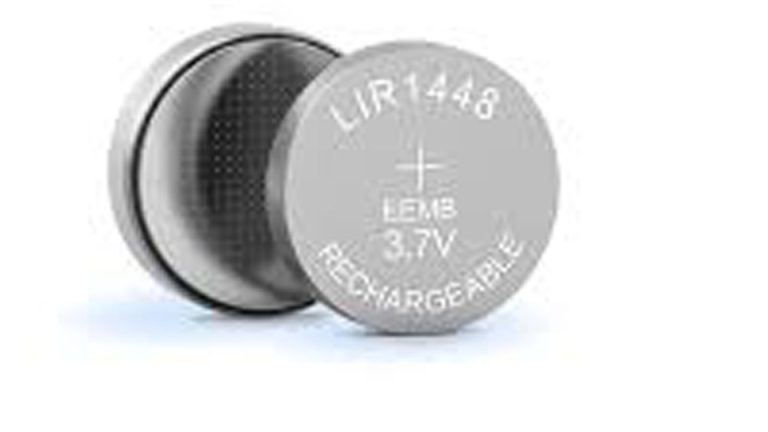
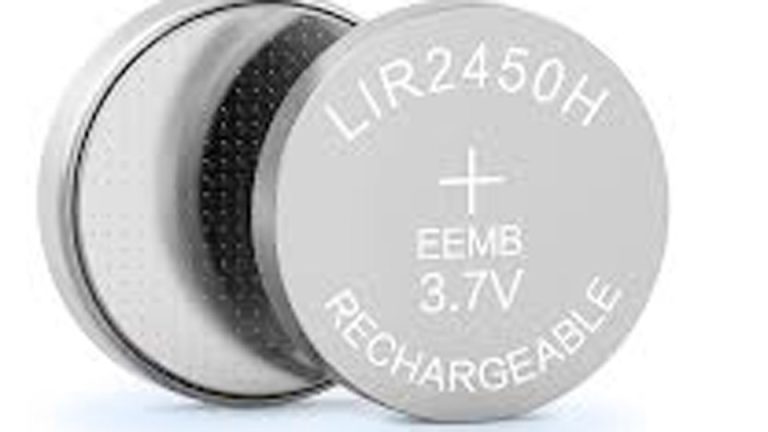
No. They are primary batteries. Attempting to recharge can cause leakage, overheating, or rupture. Use rechargeable alternatives like LIR2032 only if your device supports them.
What’s the difference between CR2032 and CR2025?
Same diameter and voltage, but CR2032 is thicker (3.2 mm vs 2.5 mm) and has higher capacity. They aren’t always interchangeable due to fit — check your device compartment.
Are all CR2032 batteries the same?
No. Capacity, discharge consistency, and longevity vary by manufacturer. Premium brands deliver closer to rated specs and better temperature tolerance.
How do I safely dispose of old CR2032 batteries?
Take them to recycling centers, auto parts stores, or electronics retailers that accept button cells. Do not throw in regular trash due to environmental and fire concerns.