How to Charge Sealed Lead Acid Battery for Longer Life
A sealed lead acid battery can seem completely dead one day and be back to working normally the next—but only if it’s charged the right way. I’ve seen people connect the first charger they find, hoping for a quick fix, only to end up with a battery that overheats, loses capacity, or never holds a full charge again.
That’s why learning how to charge sealed lead acid battery correctly is more important than many people realize.
The challenge is that sealed lead acid (SLA) batteries aren’t as forgiving as they look. Using the wrong charging voltage, leaving the battery on a charger for too long, or choosing an incompatible charger can shorten its lifespan and reduce its performance.
Whether the battery powers a UPS, mobility scooter, emergency lighting system, or motorcycle, proper charging helps it deliver reliable power when you need it most.
I’ve found that most charging problems come down to a few simple mistakes that are easy to avoid once you understand how SLA batteries work. A little extra care can save you from replacing an otherwise healthy battery and help you get the maximum value from your investment.
I’ll explain the correct charging process step by step, show you how to choose the right charger and charging settings, and share practical tips that can improve battery life, prevent common charging issues, and keep your sealed lead acid battery performing at its best.
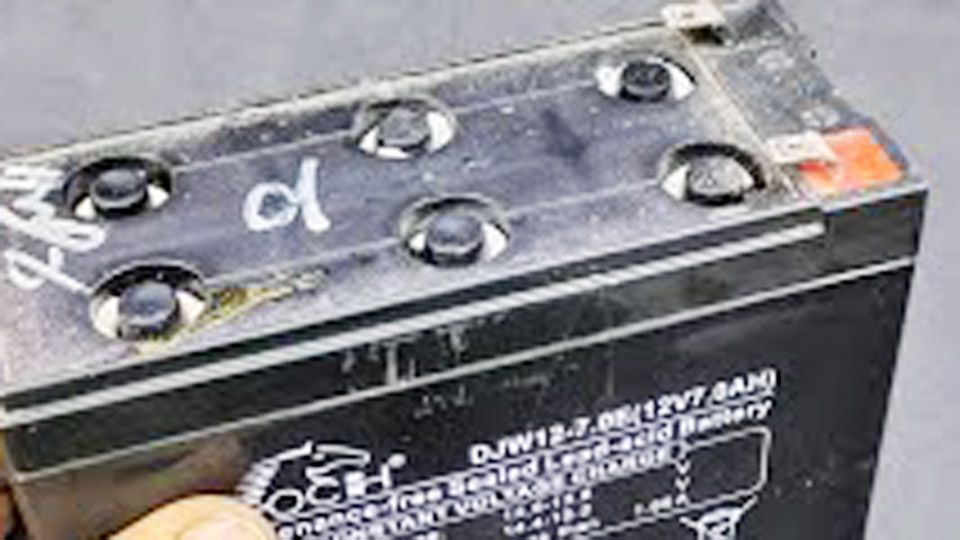
Image by GhostInventor
What Is A Sealed Lead Acid Battery?
A sealed lead acid battery is a type of rechargeable battery. You might hear it called a “SLA battery,” “VRLA battery” (Valve Regulated Lead Acid), or “maintenance-free battery.” Unlike older car batteries, these are sealed. That means you don’t need to add water or check liquid levels. They come in two main types:
- AGM (Absorbed Glass Mat): The acid is absorbed in glass mats.
- Gel Cell: The acid is mixed with silica to form a gel.
Both types are designed to prevent leaks and spills, making them safe for use indoors and in sensitive equipment.
Why Sealed Lead Acid Batteries Are Popular
- Low maintenance (no liquid refilling)
- Long shelf life (can hold charge for months)
- Reliable power for backup systems
- Affordable compared to lithium batteries
Common uses include emergency lighting, mobility scooters, alarm systems, and uninterruptible power supplies (UPS).
How Sealed Lead Acid Batteries Work
An SLA battery uses lead plates and sulfuric acid to store and release energy. When you charge the battery, you reverse the chemical reaction that happens during discharge. The battery stores energy until it’s needed.
Because these batteries are sealed, they have special valves. These let out small amounts of gas if pressure builds up inside, but they keep the battery closed under normal use. Overcharging or using the wrong charger can force these valves open, causing damage or leaks.
Why Proper Charging Matters
Many people think all you need to do is plug in a charger and wait. But incorrect charging is the number one reason SLA batteries fail early. Here’s why:
- Overcharging can dry out the battery, cause swelling, or even make it rupture.
- Undercharging causes a buildup called “sulfation” on the plates, which lowers capacity and shortens life.
- Using the wrong charger or wrong settings can destroy a new battery in weeks.
It’s not just about making your battery last. It’s also about safety, reliability, and getting the most value for your money.
Types Of Chargers For Sealed Lead Acid Batteries
Choosing the right charger is just as important as how you use it. Here are the main types you’ll find:
| Charger Type | How It Works | Best For |
|---|---|---|
| Manual Charger | Delivers constant current or voltage, must be turned off manually | Old batteries, careful users |
| Automatic (Smart) Charger | Adjusts current and voltage, stops or switches to trickle when full | Most SLA batteries, safest choice |
| Float Charger | Keeps battery at full charge with low, safe current | Standby batteries (UPS, alarms) |
A smart charger is usually the best choice for beginners. It prevents overcharging by sensing when the battery is full and switching to a safe maintenance mode.
Understanding Charging Stages
Charging a sealed lead acid battery is not just “on or off.” There are three main stages:
- Bulk Charge: The charger delivers a steady current. Voltage rises as the battery fills.
- Absorption Charge: Voltage is held steady, current slowly drops. This fills the battery to about 95-98% capacity.
- Float Charge: Voltage drops to a safe, low level. The charger maintains full charge without overcharging.
Some chargers handle these steps automatically. If you use a manual charger, you must watch the voltage and time carefully to avoid damage.
Step-by-step: How To Charge A Sealed Lead Acid Battery
Charging an SLA battery safely is easy if you follow the right steps. Here’s a practical guide for most home users.
1. Check Battery And Charger Compatibility
- Battery voltage: Most common are 6V or 12V. Match the charger to your battery’s voltage.
- Amp-hour (Ah) rating: This tells you how much energy the battery stores. Chargers should match or be lower than the battery’s maximum charging current (usually 0.1C to 0.3C, where C = Ah rating).
- Charger type: Use a charger rated for sealed (not flooded) lead acid batteries.
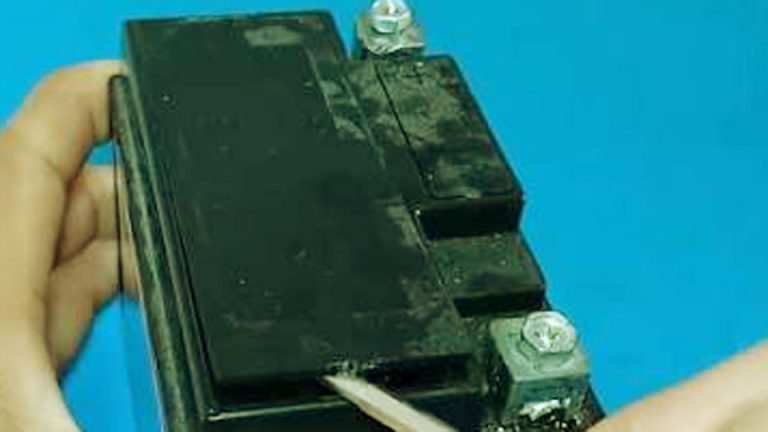
2. Inspect The Battery
Before charging, look for:
- Cracks or leaks
- Swelling
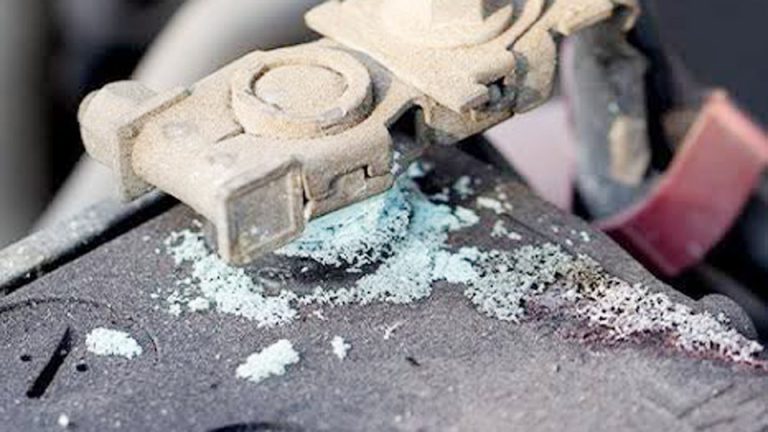
- Corroded terminals
If you see damage, do not charge the battery. Dispose of it safely.
3. Connect The Charger
- Turn off the charger before connecting.
- Attach the positive cable (usually red) to the battery’s positive (+) terminal.
- Attach the negative cable (usually black) to the battery’s negative (–) terminal.
- Make sure the connections are clean and tight.
4. Set The Correct Charging Voltage And Current
For most sealed lead acid batteries:
- Charging voltage: 2.3–2.45V per cell (so, for a 12V battery with 6 cells, set 13.8–14.7V)
- Charging current: Usually 10–30% of the Ah rating (for a 12Ah battery, use 1.2–3.6A)
Check your battery’s label or manual for exact numbers. Some batteries require lower voltages (especially gel types).
5. Start Charging
- Turn on the charger.
- Watch for indicator lights (if available).
- Charging time depends on how empty the battery is and the charger’s rate.
6. Monitor The Process
- Do not leave manual chargers unattended.
- Check that the battery does not feel hot to the touch (warm is OK, hot is not).
- Make sure there is no smell of rotten eggs (hydrogen sulfide gas) — this means overcharging.
7. Finish And Disconnect
- When the battery is full (charger says “charged,” or voltage reaches 2.3–2.45V/cell), turn off the charger.
- Disconnect the negative cable first, then the positive.
- Store or use the battery as needed.
Example: Charging A 12v 7ah Sla Battery
Let’s say you have a 12V 7Ah SLA battery for an alarm system.
- Use a smart charger rated for 12V SLA batteries.
- Set current to 0.7A (10% of 7Ah).
- Set voltage to 13.8–14.4V.
- Charging from empty to full will take about 8–10 hours.
How Long Does Charging Take?
The time needed depends on battery size, how empty it is, and the charger’s rate. Here’s a simple way to estimate:
Charging time (hours) = Battery Ah rating × 1.2 ÷ Charger current (A)
The 1.2 factor accounts for efficiency losses. For example, a 12Ah battery using a 1.2A charger: 12 × 1.2 ÷ 1.2 = 12 hours.
Common Charging Mistakes And How To Avoid Them
Many beginners make simple errors that shorten battery life. Here’s how to avoid them:
Using the wrong charger: A car charger for flooded batteries is not safe for SLA types. Use a charger designed for sealed or VRLA batteries.
Overcharging: Leaving a manual charger on too long can kill the battery. Always monitor charging or use an automatic charger.
Undercharging: Not charging fully or letting the battery sit empty causes sulfation, which is hard to reverse.
High charging current: Charging too fast can overheat and damage the plates.
Charging in hot places: Heat speeds up water loss and shortens life. Charge at room temperature if possible.
Ignoring charge voltage: Gel batteries, for example, need lower voltages than AGM. Always check the label.
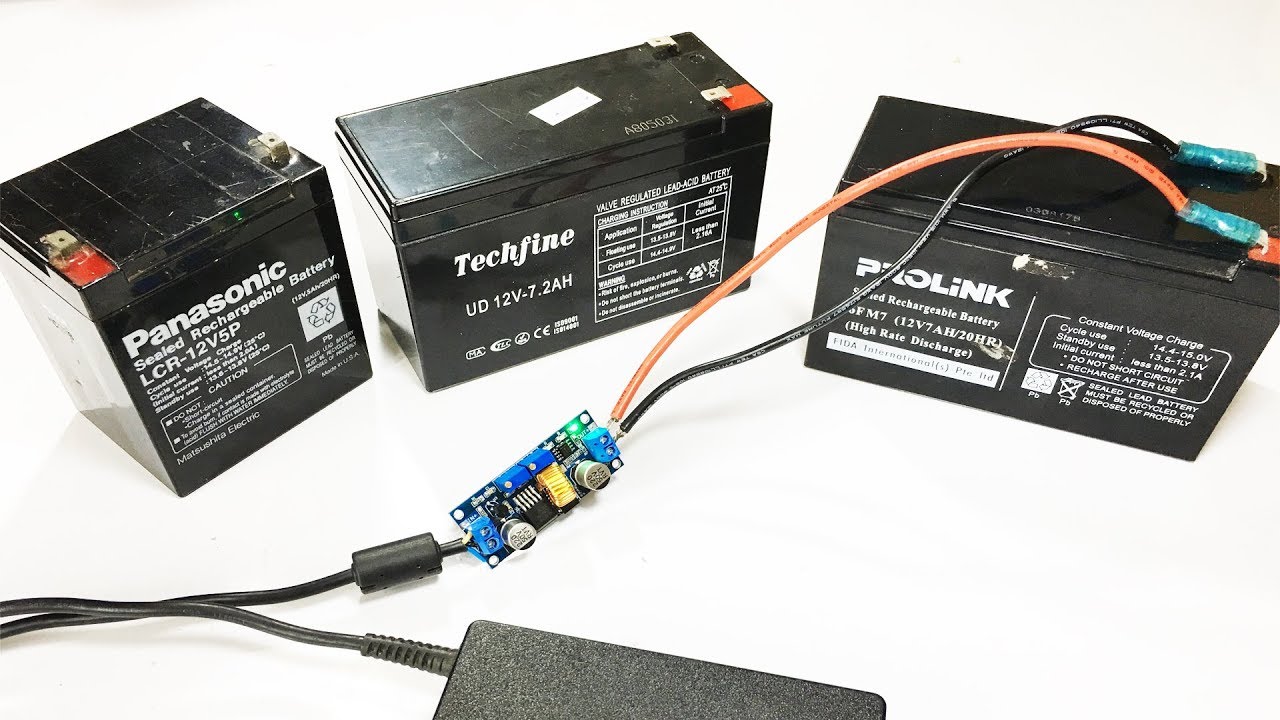
Credit: www.youtube.com
Charging Sla Batteries In Series And Parallel
Sometimes, you need more voltage or capacity than a single battery can provide. Here’s how to do it safely.
Charging In Series
- Batteries are connected end-to-end: Positive to negative.
- Total voltage is the sum of each battery.
- Use a charger that matches the total voltage.
Example: Two 12V batteries in series = 24V. Use a 24V charger.
Charging In Parallel
- All positive terminals connected together, all negatives together.
- Total voltage stays the same, capacity (Ah) increases.
- Use a charger for the battery’s voltage, but it should handle the total capacity.
Example: Two 12V 7Ah batteries in parallel = 12V 14Ah. Use a 12V charger rated for at least 1.4A (10% of 14Ah).
Important Notes
- Only connect identical batteries (same type, brand, age, and capacity) in series or parallel.
- If possible, charge each battery separately for best results.
- Unbalanced charging can cause one battery to overcharge and another to undercharge.
Charging Sla Batteries In Different Applications
SLA batteries are used in many ways. Here are some tips for common uses:
Uninterruptible Power Supply (ups)
- Most UPS systems have built-in smart chargers.
- Batteries stay on float charge for long periods.
- Test and replace batteries every 2-3 years.
Emergency Lighting
- Also uses float charging.
- Test lights every 6 months to ensure batteries are healthy.
Mobility Scooters And Electric Bikes
- Charge after every use.
- Never store empty; always top up before long storage.
Alarm Systems
- Batteries stay on charge 24/7.
- Replace every 3–5 years, even if they seem to work.
Temperature And Charging
Temperature has a big effect on SLA battery charging. Most batteries are rated at 25°C (77°F). Charging in hot or cold conditions changes the recommended voltage.
| Temperature | Voltage Adjustment | What to Watch For |
|---|---|---|
| 0°C (32°F) | Add 0.03V/cell | Charge more slowly, battery may hold less |
| 25°C (77°F) | No adjustment | Normal charging |
| 40°C (104°F) | Subtract 0.018V/cell | Avoid overheating, watch for leaks |
High temperatures speed up battery aging, while cold can slow charging. If possible, charge batteries at room temperature. Some smart chargers adjust for this automatically.
How To Store Sla Batteries (and Why Charging Before Storage Matters)
If you plan to store a sealed lead acid battery for more than a few weeks, always charge it first. An empty SLA battery can become “sulfated,” which is hard to fix. Here’s how to store it safely:
- Charge fully before storage.
- Store in a cool, dry place (ideally 15–25°C or 59–77°F).
- Top up the charge every 3–6 months if possible.
- Never let the voltage fall below 2.10V per cell (12.6V for a 12V battery).
SLA batteries lose about 3–5% of their charge per month at room temperature. Higher temperatures increase this loss.
How To Tell If Your Sla Battery Needs Replacement
Even with perfect charging, no battery lasts forever. Here are signs it’s time for a new one:
- Won’t hold a charge (drops to zero quickly)
- Swelling or bulging case
- Leaking acid or corrosion
- Voltage drops below 10V (for a 12V battery) after charging
- Age: Most last 3–5 years
If you see any of these, replace the battery. Don’t try to “revive” a badly damaged SLA battery.
Two Non-obvious Insights Most People Miss
- Partial charges are better than deep discharges. Many people think they must fully empty the battery before charging. For SLA batteries, this is not true. In fact, it’s best to recharge as soon as possible after use. Deep discharging shortens battery life dramatically.
- Mixing old and new batteries ruins both. When connecting batteries in series or parallel, always use batteries that are the same age and type. An old battery will drag down a new one, leading to early failure for both.
Troubleshooting: What To Do If Charging Goes Wrong
Sometimes, things don’t go as planned. Here’s what to do:
- Battery gets hot: Stop charging immediately. Let it cool. Check for overvoltage or high current settings.
- Charger won’t start: Make sure the battery isn’t fully dead (below 10V). Some smart chargers need a “kick” with a manual charger to get started.
- No indicator lights: Check connections, fuses, and try another charger if possible.
- Battery smells bad: Unplug everything. The battery may be leaking gas — ventilate the area and dispose of the battery safely.
Real-world Example: Comparing Sla Charging To Lithium Battery Charging
It’s common to wonder how charging an SLA battery compares to charging a lithium battery. Here’s a quick look:
| Feature | Sealed Lead Acid | Lithium (Li-ion) |
|---|---|---|
| Charging Voltage (12V battery) | 13.8–14.7V | 12.6V (strict max) |
| Overcharge Risk | High | Very High (can catch fire) |
| Float Charging | OK (recommended) | Not recommended |
| Charging Time | 6–12 hours | 2–5 hours |
| Self-Discharge | 3–5%/month | 1–2%/month |
This shows why you should only use chargers designed for SLA batteries, and never try to “mix and match” with lithium systems.
Wrapping Up
Charging a sealed lead acid battery the right way is easy once you know what to do. Choose the right charger, use the correct settings, and keep an eye on temperature and voltage. With a little care, your battery will give you years of reliable power.
Remember, prevention is always better than repair — treat your battery well, and it will take care of you.
Frequently Asked Questions
How Often Should I Charge My Sealed Lead Acid Battery?
It depends on use. For standby uses (like UPS or alarms), leave it connected to a float charger. For deep-cycle uses (mobility scooter, electric bike), charge after every use. Never let the battery sit empty for long.
Can I Use A Car Battery Charger For My Sla Battery?
Most car battery chargers are not safe for SLA batteries, especially small ones. They deliver too much current and may not stop at the correct voltage. Use a charger made for sealed or VRLA batteries.
What Happens If I Overcharge My Sla Battery?
Overcharging can cause the battery to heat up, swell, or leak gas. This shortens its life and may make it unsafe. Always use a smart charger or monitor a manual charger closely.
How Do I Know When My Sla Battery Is Fully Charged?
A smart charger will show an indicator light. For manual charging, measure the voltage: a fully charged 12V battery should read about 13.8–14.7V during charging, and settle to around 12.7–13V after resting.