How to Fix a Car Battery with a Dead Cell | No-Start Repair Tips
You turn the key on a cold morning and get nothing but a slow crank… or complete silence. The headlights may still work, but the engine refuses to start. After a quick voltage check, the problem points to something many drivers dread — a bad battery cell.
That’s when the question comes up: how to fix a car battery with a dead cell, and whether the battery can actually be saved.
A dead cell can make a battery act unpredictable. I’ve seen batteries charge overnight, show decent voltage for a short time, then fail again when the engine needs real starting power. That confusion often leads people to waste money on chargers, jump starts, or parts that were never the issue.
Knowing what to do matters because a dead cell affects reliability, charging performance, and safety. In some situations, there are troubleshooting steps worth trying.
In others, pushing a damaged battery too far can lead to overheating, leakage, or another no-start problem at the worst possible moment.
I’ll walk through how to identify a dead cell, what repair options are realistic, and when replacement is the smarter move. You’ll also get practical checks and real-world tips to avoid wasting time on a battery that’s already beyond recovery.
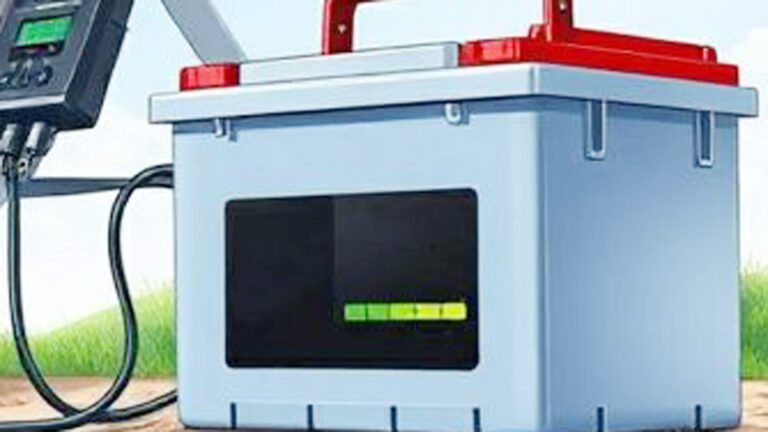
Image by capitalone
What Causes a Dead Cell in a Car Battery?
A standard 12V lead-acid battery has six cells, each producing roughly 2 volts when healthy. A dead cell usually means one of these has lost its ability to generate or hold that voltage due to chemical or physical degradation.
Common causes include:
Sulfation: Lead sulfate crystals build up on the plates when the battery sits discharged for too long. Mild sulfation can sometimes be reversed; heavy, hardened sulfation often cannot.
Plate Shedding and Shorts: Vibration, overcharging, or age causes active material to flake off the plates. This debris accumulates at the bottom and eventually shorts the cell.
Electrolyte Loss or Imbalance: Low fluid levels from heat or overcharging expose plates, leading to permanent damage. Contaminated or uneven electrolyte also creates weak cells.
Overcharging or Deep Discharging: Alternator issues, faulty regulators, or leaving lights on repeatedly stress individual cells unevenly.
Manufacturing Defects or Extreme Temperatures: Heat accelerates corrosion; cold slows chemical reactions and can crack cases.
In flooded lead-acid batteries, you can often spot the problem. In sealed AGM or gel types, it’s hidden until testing reveals it.
Signs You Have a Dead or Dying Cell
Don’t wait for total failure. Watch for these real-world indicators:
- The engine cranks slowly or clicks repeatedly.
- Voltage reads around 12V at rest but drops sharply under load (below 10V during cranking).
- One cell shows significantly lower specific gravity than others when tested with a hydrometer.
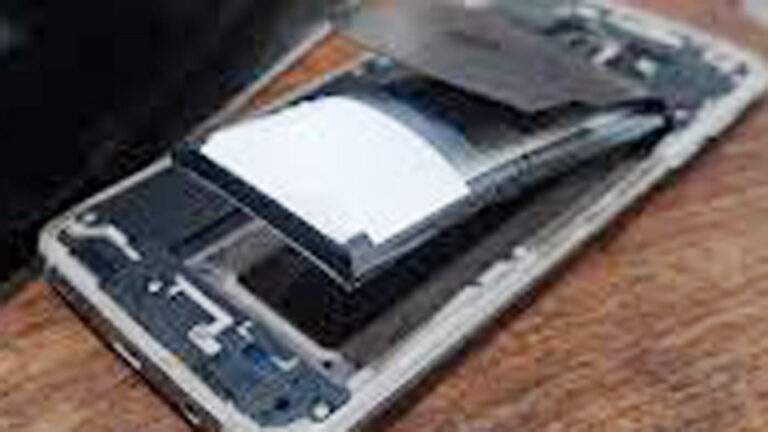
- Swollen battery case, rotten-egg smell, or visible corrosion/leakage.
- Battery charges to full voltage quickly but loses charge overnight or within days.
- Inconsistent electrical performance — dim lights, weak starter, or accessories cutting out.
I’ve pulled batteries from trucks that started fine after sitting but failed after 10 minutes of driving because one cell couldn’t keep up.
Battery Types and How Dead Cells Affect Them Differently
Understanding your battery chemistry is crucial before attempting any fix.
Flooded Lead-Acid (Wet Cell): Traditional, serviceable with removable caps. Most repairable but requires maintenance. A dead cell here often means low electrolyte or sulfation.
AGM (Absorbent Glass Mat): Sealed, spill-proof, higher vibration resistance. Excellent for modern vehicles with start-stop systems. Harder to fix internally because you can’t access cells easily. They tolerate deep discharges better than flooded but still suffer from sulfation if neglected.
Gel: Similar to AGM but uses gelled electrolyte. Sensitive to overcharging. Less common in cars today.
Lithium-Ion (including LiFePO4): Rare in traditional starter batteries but common in EVs, solar, and high-performance setups. Individual cell failure usually requires specialized BMS diagnostics and module replacement — not a DIY fix for most people. Lithium packs don’t have “dead cells” in the same lead-acid sense; issues are more about imbalance or BMS protection kicking in.
Comparison Table: Battery Types for Automotive and Deep-Cycle Use
| Battery Type | Lifespan (Cycles) | Maintenance | Cost (Relative) | Dead Cell Fixability | Best For | Voltage per Cell |
|---|---|---|---|---|---|---|
| Flooded Lead-Acid | 300-500 | High | Low | Moderate (access cells) | Budget cars, solar | ~2.0V |
| AGM | 500-800+ | Low | Medium-High | Low (sealed) | Modern vehicles, marine | ~2.0V |
| Gel | 400-700 | Low | Medium | Low | Deep cycle, solar | ~2.0V |
| LiFePO4 | 2000-5000+ | Very Low | High | Specialized (BMS) | EVs, off-grid, high-use | ~3.2V |
Lithium offers far more usable capacity (80-90% depth of discharge vs. 50% for lead-acid) and weighs half as much, but upfront cost is higher.
How to Diagnose a Dead Cell Step-by-Step
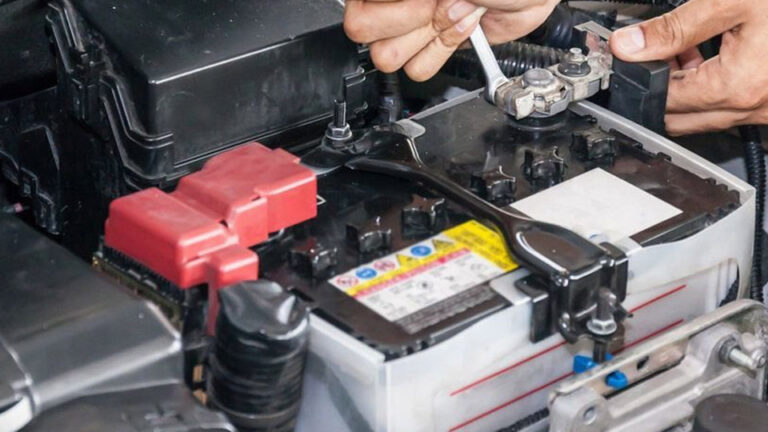
Safety first: Wear gloves, eye protection, and work in a ventilated area. Batteries contain sulfuric acid and can produce explosive hydrogen gas.
- Visual Inspection: Look for cracks, bulges, leaks, or heavy corrosion.
- Voltage Test: Use a digital multimeter. A healthy 12V battery at rest (after sitting 12+ hours) should read 12.6-12.8V. Below 12.4V indicates discharge; below 12V is critically low.
- Load Test: Use a battery load tester. Apply a load (half the CCA rating) for 15 seconds. Voltage should stay above 9.6V.
- Hydrometer Test (Flooded only): Test each cell’s specific gravity. Healthy cells read 1.265-1.280. A variation of 0.050 or more between cells points to a bad one.
- Individual Cell Voltage: On accessible batteries, carefully probe between cell straps (if possible) or use a carbon pile tester.
If one cell is consistently low while others are okay, you’ve likely found the culprit.
Can You Actually Fix a Dead Cell? Realistic Options
In many cases, especially with sealed or heavily damaged batteries, the honest answer is no — replacement is the safest, most reliable path. But for serviceable flooded batteries with mild issues, you have some options I’ve used successfully in the shop.
Option 1: Desulfation and Equalization Charge
- Use a smart charger with a recondition or desulfate mode.
- For flooded batteries: Add distilled water to proper levels first (never tap water or acid unless spilled).
- Run an equalization charge (controlled overcharge at 15-16V for 12V battery) for several hours. This breaks down sulfate crystals and balances cells. Monitor temperature and electrolyte levels closely.
Option 2: Electrolyte Replacement and Flushing (Advanced)
- Drain old electrolyte carefully into a neutralizing container (baking soda solution).
- Rinse cells with distilled water multiple times to remove sediment.
- Refill with fresh battery-grade electrolyte (specific gravity 1.265).
- Slow charge at low amps (2-10A) for 24-48 hours.
This works best on batteries not too old. Expect partial recovery at best.
Option 3: Pulse Desulfators
Some devices apply high-frequency pulses to dissolve crystals over days or weeks. Results vary — they’ve revived lightly sulfated batteries for me, but heavily damaged ones stay weak.
When to Stop and Replace
If the battery fails a load test after attempts, voltage drops quickly, or a cell is shorted (near 0V), replace it. Continuing to use it stresses your alternator and risks stranding you.
Proper Charging Methods to Prevent Future Dead Cells
Wrong charging is one of the biggest killers I see.
- Flooded Lead-Acid: Bulk ~14.4-14.8V, Float ~13.2-13.8V. Use temperature compensation.
- AGM: Bulk 14.4-14.7V, Float 13.5-13.8V. Avoid high equalization voltages.
- Lithium (LiFePO4): Typically 14.2-14.6V absorption, with BMS handling balance. No float needed long-term.
Use a quality multi-stage charger matched to your battery type. Never use a high-output charger without monitoring.
Maintenance Routines That Extend Battery Life
- Check fluid levels monthly in flooded batteries.
- Keep terminals clean and tight.
- Store batteries at 50-80% charge in cool, dry places. Recharge every 1-3 months if unused.
- Avoid deep discharges below 50% for lead-acid.
- Test batteries annually after 3 years of age.
For solar and deep-cycle systems, these routines matter even more because batteries see frequent cycling.
Real-World Examples Across Applications
In cars and motorcycles, a dead cell often shows up in winter or after vacation. One customer brought in a motorcycle battery that sat for six months — desulfation brought it back for another season.
Solar setups and off-grid homes use deep-cycle batteries that suffer from inconsistent charging. I’ve seen banks where one battery develops a weak cell and drags the whole string down. Matching batteries and using proper controllers prevents this.
UPS systems and power tools need reliable backup. A failing cell here can mean lost data or interrupted work.
Safety Considerations Every Time
- Never smoke or create sparks near charging batteries.
- Work outdoors or with excellent ventilation.
- Neutralize spills immediately with baking soda.
- Dispose of old batteries responsibly — they contain hazardous materials and are recyclable.
- For lithium, avoid puncture or extreme heat; use proper chargers to prevent thermal runaway.
Choosing the Right Replacement Battery
Match CCA (Cold Cranking Amps) to your vehicle’s requirements. Consider AGM upgrades for better durability in hot climates or vehicles with high electrical demands. For solar, prioritize deep-cycle ratings and Ah capacity.
Factor in total cost of ownership — a more expensive AGM or lithium often pays for itself through longer life and fewer failures.
Practical Reflection
Dealing with a dead cell teaches you to respect the chemistry happening inside that plastic box under your hood. Most failures come from neglect rather than sudden defects. By testing regularly, charging correctly, and addressing issues early, you avoid the majority of problems.
Wrapping Up
You’ve now got the knowledge to diagnose, attempt repairs where feasible, maintain different battery chemistries, and make smart replacement choices. Whether you’re keeping an old truck running, powering a solar cabin, or just ensuring your daily driver starts reliably, these hands-on practices make the difference.
Invest in a good conductance tester (like a Midtronics) rather than relying solely on voltage. It reveals hidden weaknesses in individual cells long before they cause a no-start situation — saving hours of diagnostic time.
FAQ
Can you fix a dead cell in an AGM battery?
Usually not effectively. AGM batteries are sealed, so you can’t access or replace individual cells easily. Desulfation chargers sometimes help mild cases, but severe dead cells mean it’s time for a new battery. Prevention through proper charging is key.
How long does a car battery with a dead cell last?
Not long. A single weak cell reduces overall capacity dramatically and can fail completely within days or weeks under normal use. Driving with it risks alternator damage.
Is it worth trying to revive a dead car battery?
For older, cheap flooded batteries — sometimes yes, if you’re handy and the cost of a new one hurts. For newer or critical-use batteries (especially AGM/lithium), replacement is usually smarter for reliability and safety.
What voltage indicates a dead cell in a 12V battery?
If one cell measures significantly lower (e.g., under 1.8-2.0V when others are ~2.1V) or the whole battery won’t hold above 12.4V at rest after charging, suspect a dead cell.
How do I prevent dead cells in my solar or deep-cycle batteries?
Use a quality charge controller with proper voltage settings, avoid discharging below 50% regularly, equalize flooded batteries monthly, and keep connections clean. Temperature control and matching battery ages in banks also help greatly.