How to Troubleshoot Car Battery Drain Fast & Accurately
You park your car at night with everything working perfectly, but the next morning the battery is completely dead. You jump-start it, drive for a while, and assume the problem is fixed—until it happens again a few days later.
That’s usually when people start searching for how to troubleshoot car battery drain without wasting money replacing parts that aren’t actually bad.
Battery drain problems can be frustrating because the cause isn’t always obvious. Sometimes it’s a glove box light staying on, a faulty alternator, an aftermarket accessory, or even a small electrical fault slowly draining power while the car sits parked. I’ve seen people replace perfectly good batteries multiple times before finding the real issue.
Ignoring the problem can leave you stranded at the worst possible time, damage the battery over time, and lead to expensive repairs if the drain keeps getting worse. The good news is that many parasitic drain problems can be found with a few simple checks and the right troubleshooting process.
I’ll walk you through practical step-by-step methods to track down battery drain problems, test the charging system properly, and figure out whether the issue is the battery, alternator, or something quietly pulling power in the background.
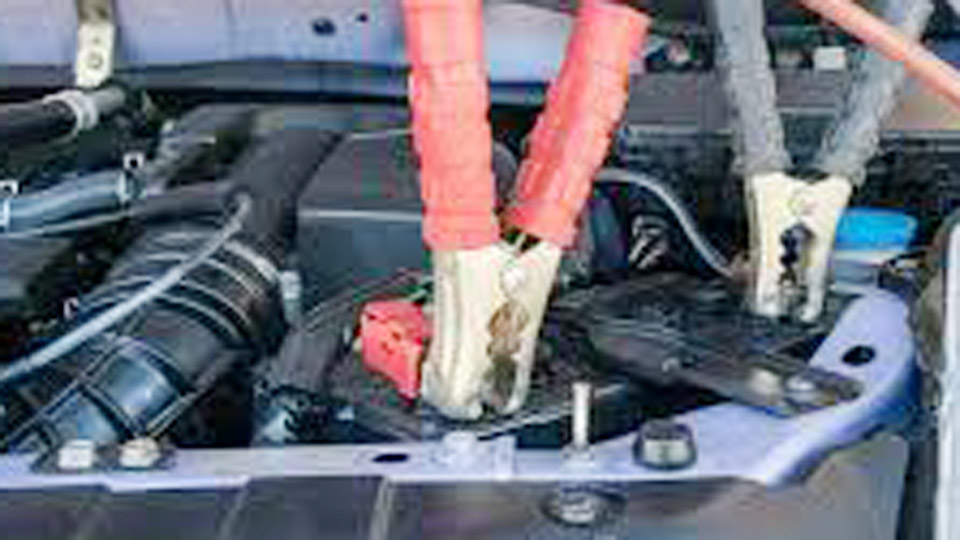
Image by veteranautos.av
Understanding Car Battery Drain: What’s Normal and What’s Not
Battery drain happens when current continues to flow from the battery even when the engine and all accessories are supposed to be off. Modern cars have a small “parasitic draw” — usually between 20-50 milliamps — to keep memory in the ECU, radio presets, alarm systems, and clocks alive. Anything consistently above 50-75 mA is considered excessive and will eventually kill the battery.
Lead-acid batteries (the most common type) lose charge faster in heat, while cold weather makes them struggle to deliver power. A brand-new battery can still drain quickly if the root cause isn’t fixed. I’ve seen perfectly good AGM batteries replaced multiple times because owners never found the real culprit.
Common Causes of Car Battery Drain
1. Parasitic Draws from Electrical Components
This is the number one cause I encounter. Faulty door switches that keep interior lights on, a glove box light that doesn’t turn off, or a trunk light stuck on. Alternators with bad diodes can also drain the battery even when the engine is running.
2. Aftermarket Acblems
A failing alternator doesn’t just stop charging — it can leak current backward through the system. Bad voltage regulators or worn brushes create resistance and heat, leading to slow but steady drain.
4. Battery Age and Condition
Most car batteries last 3–5 years. Sulfation on lead-acid plates, low electrolyte levels in flooded batteries, and internal shorts in any chemistry reduce capacity dramatically. A battery that tests fine at 12.6V but only has 200 cold cranking amps left will die fast.
5. Environmental Factors
Extreme heat accelerates chemical degradation. Leaving a car unused for weeks (common with seasonal vehicles) allows slow self-discharge. Corrosion on terminals creates high resistance, making the battery appear drained.
Battery Types: Which One Are You Working With?
Understanding your battery chemistry is critical before troubleshooting.
Flooded Lead-Acid
Traditional wet-cell batteries. Affordable but require maintenance. They vent gases and need distilled water top-ups. Best for older vehicles without electronics-heavy systems.
AGM (Absorbed Glass Mat)
Sealed, spill-proof, and more vibration resistant. They handle deep discharges better than flooded types and recharge faster. Common in modern cars with start-stop systems. Higher upfront cost but longer life in demanding conditions.
Gel Batteries
Similar to AGM but use silica to immobilize electrolyte. Excellent for deep-cycle use in solar setups or RVs, but sensitive to overcharging. Not ideal for high-current starting in cars.
Lithium-Ion (LiFePO4)
Lightweight, high energy density, and very long cycle life (often 2000+ cycles). Popular in performance cars, motorcycles, and off-grid solar. They need specific chargers and BMS (Battery Management Systems) protection. Expensive but can last 8–10 years.
Pros and Cons Comparison
| Battery Type | Lifespan (Years) | Cost | Deep Discharge Tolerance | Maintenance | Best For |
|---|---|---|---|---|---|
| Flooded Lead-Acid | 3–5 | Low | Poor | High | Budget daily drivers |
| AGM | 4–7 | Medium | Good | Low | Modern cars, start-stop |
| Gel | 5–8 | Medium-High | Very Good | Low | Solar, marine, RV |
| LiFePO4 | 8–12+ | High | Excellent | Very Low | Performance, off-grid |
Choose based on your vehicle’s demands. Putting a cheap flooded battery in a luxury car with lots of electronics is asking for trouble.
Step-by-Step Guide: How to Troubleshoot Car Battery Drain
Step 1: Visual Inspection
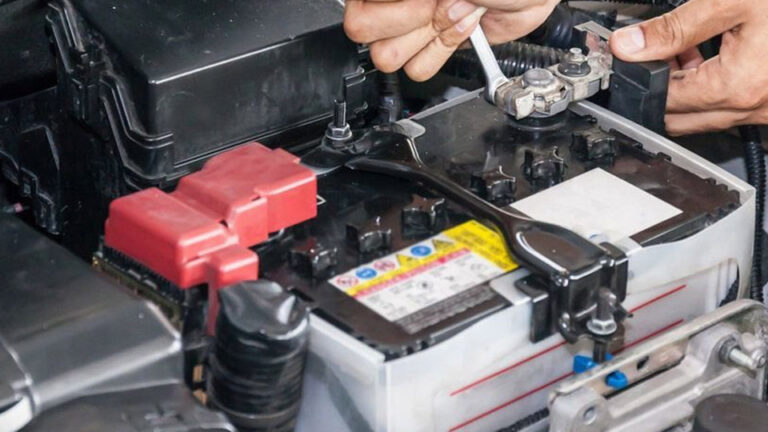
Pop the hood and look for obvious issues. Check battery terminals for corrosion — that white or blue powder increases resistance. Inspect cables for fraying. Look for any aftermarket wiring that looks hacked together.
Step 2: Test Battery Voltage and Health
Use a digital multimeter. A healthy battery at rest should read:
- 12.6V+ = Fully charged
- 12.4V = 75% charged
- 12.2V = 50% charged
- Below 12.0V = Critically low
For a proper load test, you’ll need a battery load tester or take it to a parts store. Many “dead” batteries are just deeply discharged and can be recovered with a proper charger.
Step 3: Measure Parasitic Draw
This is the most important diagnostic step.
- Turn off everything, including interior lights. Close doors and hood.
- Disconnect the negative battery terminal.
- Set your multimeter to DC amps (10A range first, then mA).
- Connect the meter in series between the negative terminal and the cable.
- Wait 10–15 minutes for modules to sleep.
- Normal draw: under 50 mA. Over 100 mA means a problem.
If high, start pulling fuses one by one until the draw drops. That tells you which circuit is responsible.
Step 4: Check Charging System
Start the engine and measure voltage at the battery. It should be 13.8–14.7V. Too low means the alternator isn’t charging. Too high (over 15V) can damage electronics and boil batteries.
Step 5: Inspect Specific Culprits
- Alternator diodes (use diode test mode on multimeter)
- Starter motor (can stick and draw power)
- Glove box, trunk, and dome lights
- Radio, amplifier, and navigation systems
- OBD-II port devices (trackers, insurance dongles)
Proper Charging Methods and Voltage Ranges
Never use a cheap charger on a modern battery.
- Flooded lead-acid: 14.4–14.8V absorption
- AGM: 14.6–14.9V
- Gel: 14.1–14.4V (very sensitive)
- LiFePO4: 14.4–14.6V with proper BMS
Use a smart charger with multi-stage charging. I recommend keeping one in your garage. Trickle chargers are fine for long-term storage but slow.
For solar systems or deep-cycle batteries, use charge controllers matched to the chemistry. Overcharging is one of the fastest ways to destroy any battery.
Battery Maintenance Routines That Actually Work
- Clean terminals every 3–6 months with baking soda and water, then dielectric grease.
- For flooded batteries, check electrolyte levels monthly.
- Test batteries twice a year — before summer and winter.
- Drive your vehicle at least 20–30 minutes weekly if it sits a lot.
- For storage: Charge fully, disconnect negative terminal, store in cool dry place. Check voltage monthly.
Common mistakes I see:
- Using tap water instead of distilled.
- Over-tightening terminals and cracking posts.
- Leaving a car unused without a maintainer.
- Installing the wrong CCA (Cold Cranking Amps) rating for your climate.
Real-World Scenarios
Daily Driver Car
A friend’s Honda Civic kept dying after sitting two days. The culprit? A faulty brake light switch that kept the brake lights dimly on. Fixed for $15.
Motorcycle
Motorcycles have small batteries and high parasitic draws from alarms. Lithium batteries shine here because of low weight and self-discharge rates.
Solar Backup System
In off-grid setups, battery drain often comes from inverter standby consumption or ground faults. Use quality shunt monitors to track real usage.
Power Tools and Electronics
Lithium tool batteries last longer when stored at 40–60% charge, not full or empty.
Safety Considerations Every Time You Work on Batteries
Batteries contain sulfuric acid and can produce explosive hydrogen gas. Always wear eye protection. Never smoke nearby. When jump-starting, connect positive first, negative last, and ground the final clamp away from the battery.
Lithium batteries can thermal runaway if punctured or overcharged badly — treat them with extra respect.
Choosing the Right Battery for Your Needs
Match the battery to the application:
- High electrical demand vehicles need AGM or lithium.
- Budget builds can use flooded but expect more maintenance.
- For solar or UPS, prioritize deep-cycle ratings (Ah capacity) over CCA.
Always buy from reputable brands. Cheap no-name batteries often fail within a year.
After troubleshooting dozens of these issues over the years, the pattern is clear: most battery problems are preventable with basic checks and proper charging habits.
Wrapping Up
You now have the exact process I use when a customer calls with a dead battery. Take your time with the parasitic draw test — it’s the single most valuable diagnostic you can do.
Always verify the fix by re-measuring parasitic draw after repairs and letting the vehicle sit overnight before declaring victory. A problem that returns after two days is usually a missed second drain source.
FAQ
How long should a car battery last without driving?
A healthy battery in good condition should hold charge for 2–4 weeks with the vehicle completely off. If it dies faster, you have excessive parasitic draw or a weak battery.
Can a bad alternator drain a battery overnight?
Yes. Failed diodes allow current to flow backward through the alternator windings, creating a constant drain even with the key off.
Is it safe to leave a trickle charger on all the time?
Only if it’s a smart maintainer with float mode. Old-school constant chargers can overcharge and damage batteries.
Why does my car battery drain when I install a new stereo?
Many aftermarket head units have poor sleep circuits or memory wires wired incorrectly. Always use a wiring harness with proper integration.
How do I know if my battery is bad or the alternator?
Test the battery first when off. Then test charging voltage with the engine running. If the battery won’t hold a charge after proper recharging, replace it. If charging voltage is wrong, diagnose the alternator.