What Does It Mean When a Lithium Battery Swells?
Your phone feels unusually hot while charging, and suddenly the back cover starts lifting slightly. Or maybe your cordless drill battery no longer fits properly in the charger. In situations like these, many people panic and ask: what does it mean when a lithium battery swells, and is it dangerous to keep using it?
Battery swelling is one of those problems that should never be ignored. I’ve seen swollen lithium batteries damage devices, stop charging without warning, and in some cases become serious safety risks when people kept using the wrong charger or pushed the battery too far in high heat.
What makes this issue frustrating is that swelling often starts quietly. The battery may still work for a while, which tricks people into thinking everything is fine.
But inside, chemical reactions are already breaking down the battery and creating gas buildup that can shorten lifespan, reduce performance, and increase the risk of leakage or overheating.
I’ll explain what actually causes a lithium battery to swell, the warning signs to watch for, and what you should do immediately if you notice it. I’ll also share practical safety tips and real-world troubleshooting advice to help you avoid costly damage and dangerous mistakes.
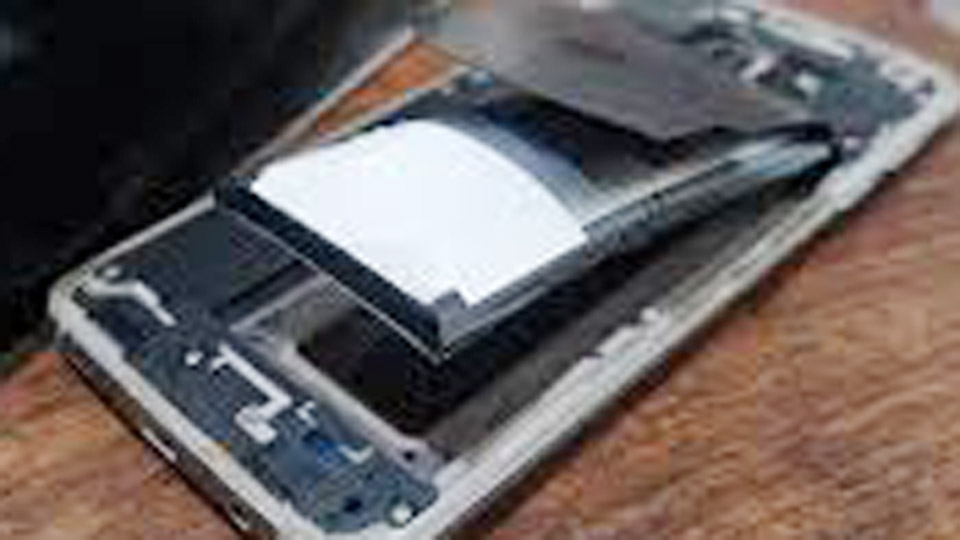
Image by reddit
Understanding Lithium Battery Swelling: The Chemistry in Plain Terms
Lithium-ion batteries (including the popular LiFePO4 chemistry used in many automotive and solar applications) work by shuttling lithium ions between the anode and cathode through an electrolyte. Under normal conditions, this process is stable. Problems start when side reactions kick in.
The electrolyte decomposes and generates gases like carbon dioxide, carbon monoxide, and hydrocarbons. These gases get trapped inside the pouch or cylindrical cell, building pressure and causing the casing to expand. You’ll notice the battery getting thicker, distorting its housing, or making devices hard to close.
A key culprit is growth of the Solid Electrolyte Interphase (SEI) layer on the anode. This protective film is necessary, but excessive growth from heat or overvoltage consumes lithium and produces more gas.
Lithium plating — where metallic lithium deposits on the anode instead of properly intercalating — is another major driver, especially in cold charging or high-current scenarios.
Swelling isn’t just cosmetic. It indicates the battery’s internal structure is failing. Capacity drops, internal resistance rises, and the risk of thermal runaway increases.
Why Lithium Batteries Swell: Real-World Causes I See Every Day
Overcharging tops the list. Many people grab whatever charger is handy, especially for 12V automotive or solar setups. Pushing voltage too high (above ~14.6V for a 12V LiFePO4 pack) forces unwanted reactions.
Heat accelerates everything. Leave a battery in a hot car, a poorly ventilated solar enclosure, or charge it in direct sun, and decomposition speeds up. I’ve pulled swollen packs from truck beds in summer where temperatures inside hit 120°F+.
Physical damage or manufacturing defects play a role too. A dented cell, poor tab welding, or impurities inside can trigger localized reactions. Deep discharging below safe limits (especially under 2.5V per cell for LiFePO4) stresses the chemistry.
Age and cycle wear are inevitable. Even well-treated packs eventually degrade. NMC (nickel-manganese-cobalt) chemistries in many consumer electronics and some EVs tend to swell more noticeably than stable LiFePO4 used in deep-cycle solar and marine applications.
Common beginner and pro mistakes I’ve witnessed:
- Using a lead-acid charger on lithium (the higher absorption voltages cook the cells).
- Ignoring BMS warnings or bypassing protection.
- Storing batteries at full charge in heat.
- Charging below freezing without low-temp protection (leads to lithium plating).
Lithium vs. Other Battery Types: Context Matters
To understand lithium swelling risks, compare them to traditional options.
Flooded Lead-Acid: Cheap, forgiving on chargers, but heavy, require maintenance (watering), and suffer sulfation if neglected. They gas during charging but don’t “swell” the same way. Lifespan: 300–800 cycles at 50% DoD. Good for occasional car starting, poor for deep solar cycling.
AGM (Absorbed Glass Mat): Sealed lead-acid variant. No watering, better vibration resistance, suitable for motorcycles and cars. Still limited to ~50% DoD for longevity. Heavier than lithium, fewer cycles (500–1000). Less prone to catastrophic failure but can vent gas if overcharged.
Gel: Similar to AGM but even more sensitive to high charging voltages. Excellent for some deep-cycle uses but charges slowly and suffers permanent damage from incorrect profiles.
Lithium-Ion (NMC etc.): High energy density, lightweight, but more sensitive to abuse. Common in power tools, laptops, EVs.
LiFePO4: The workhorse for solar, marine, RV, and many automotive replacements. Extremely stable, 2000–5000+ cycles at 80-100% DoD, very low fire risk compared to NMC. Swelling still happens with abuse but is less common due to thermal stability.
Here’s a practical comparison:
| Aspect | Flooded Lead-Acid | AGM | Gel | LiFePO4 Lithium |
|---|---|---|---|---|
| Weight | Heavy | Heavy | Heavy | 50-60% lighter |
| Cycle Life (usable) | 300-800 | 500-1000 | 400-800 | 2000-5000+ |
| Depth of Discharge | 50% recommended | 50-80% | 50-70% | 80-100% |
| Charging Speed | Slow | Moderate | Slow | Fast |
| Maintenance | High (water) | Low | Low | Very Low (BMS) |
| Cost per kWh over time | Low upfront | Moderate | Moderate | Lowest long-term |
| Swelling/Failure Risk | Gassing/sulfation | Low | Low | Gas buildup if abused |
| Best For | Starter batteries | Cars/Marine | Deep cycle | Solar, RV, Daily Use |
Lithium wins for most modern uses once you factor in weight, efficiency, and lifespan, but it demands the right charging setup.
Safety Risks: Don’t Ignore a Swollen Battery
A swollen lithium battery is a warning light. The casing may rupture, leading to electrolyte leakage (corrosive and flammable), short circuits, or thermal runaway. While not every swollen pack explodes, the risk jumps significantly.
Never puncture, disassemble, or try to “fix” one. Don’t charge or use it. In my experience, the safest move is immediate removal and proper disposal.
Step-by-Step: What to Do If You Find a Swollen Battery
- Stop using and charging immediately. Power down the device if safe.
- Handle with care. Wear gloves and eye protection. Work in a ventilated area away from flammables.
- Remove the battery if possible. Discharge it slowly if you have the tools and knowledge (but many pros recommend against it for swollen cells).
- Isolate it. Place in a fireproof container or lithium-specific bag, away from heat and other batteries.
- Dispose properly. Take to a household hazardous waste facility, battery recycler, or participating stores (many auto parts or big-box stores accept them). Check local regulations — many US areas have free drop-off.
For technicians: Document the failure, check charging logs or BMS data if available. This helps identify systemic issues like faulty alternator regulators or solar controllers.
Preventing Swelling: Practical Habits That Save Batteries
Prevention beats replacement every time.
Use the right charger. For 12V LiFePO4: Bulk/absorption around 14.2–14.6V, float 13.5–13.8V. Many quality lithium chargers or solar MPPT controllers have dedicated profiles. Avoid generic lead-acid chargers.
Monitor temperature. Charge between 32°F and 113°F (0–45°C) ideally. Use low-temp charging protection in cold climates.
Store correctly. For long-term storage, keep at 30–50% charge in a cool, dry place (around 50–68°F). Check voltage every 3–6 months.
Install proper BMS protection. Good battery management systems prevent overvoltage, undervoltage, overcurrent, and temperature extremes.
Maintenance routines:
- Inspect terminals and connections.
- For solar: Ensure charge controller settings match battery specs.
- In vehicles: Verify alternator output doesn’t exceed safe voltages (many lithium drop-in replacements include regulators or recommend DC-DC chargers).
- Balance cells periodically in larger packs.
Charging Methods and Voltage Ranges
LiFePO4 (most common for deep cycle):
- Single cell: Charge to 3.55–3.65V.
- 12V (4S): 14.2–14.6V absorption.
- Current: 0.5C recommended for longevity (e.g., 50A for 100Ah battery).
NMC or other lithium-ion: Slightly different voltages — usually 4.2V per cell max. Always follow the manufacturer’s spec.
In cars and motorcycles, a smart DC-DC charger or lithium-compatible alternator setup prevents issues from standard 14.4–14.8V automotive charging.
For solar/off-grid: MPPT controllers with lithium profiles are essential. Set absorption time short to avoid holding at high voltage too long.
Real-World Applications and Examples
Cars and Motorcycles: Lithium starter batteries are lighter and deliver strong cranking amps, but they need compatible charging. I’ve seen swollen motorcycle batteries from cheap trickle chargers left on too long.
Solar and Off-Grid: LiFePO4 shines here. A 48V bank in a cabin can last a decade with proper care. Swelling often traces back to cheap charge controllers or imbalance in series strings.
UPS and Backup: Lithium offers faster response and longer runtime in smaller packages, but consistent float charging requires compatible systems.
Power Tools and Electronics: These smaller packs swell from heavy use, fast charging, or leaving them in hot garages.
Troubleshooting Common Issues
- Battery won’t hold charge: Check for swelling, high internal resistance, or cell imbalance.
- Overheating during charge: Wrong voltage or poor connections.
- BMS cutting off frequently: Imbalance, low temperature, or overcurrent.
Step-by-step voltage testing: Use a multimeter. For a 12V LiFePO4 at rest: ~13.6V full, ~12.8–13.2V at 50–70%. Below 12V signals trouble.
Choosing the Right Battery for Your Needs
Match the chemistry to the use. For frequent deep cycling (solar, RV), go LiFePO4. For pure starting in a daily driver, a good AGM might suffice and be cheaper upfront. Factor total cost of ownership — lithium often wins after 2–3 years.
Key Takeaways for Better Battery Management
You now understand that swelling is a symptom of stress on the lithium chemistry — primarily gas from degradation reactions triggered by heat, overcharging, or damage.
Different battery types have different strengths: lead-acid is forgiving but heavy and short-lived in cycles, while lithium (especially LiFePO4) delivers performance and longevity when treated right.
Avoid the common pitfalls — wrong chargers, temperature abuse, poor storage — and you’ll get years more service from your packs. Always prioritize safety: respect swollen batteries and dispose of them responsibly.
Invest in a good active balancer for multi-cell lithium packs and log your charge/discharge data occasionally. Spotting voltage drift early prevents most swelling issues before they start. That small habit has saved me countless battery banks over the years.
FAQ
Why is my car or solar lithium battery swelling after a few months?
Usually overcharging from an incompatible regulator or alternator, or high temperatures. Check your charge voltage — it should not sit above 14.6V for long on a 12V LiFePO4 system.
Can I still use a slightly swollen lithium battery?
No. Even if it still works, the internal damage is done and risks escalate quickly. Replace it.
Is LiFePO4 less likely to swell than other lithium batteries?
Yes, its chemistry is more thermally stable, but it’s not immune. Proper charging and a good BMS are still essential.
How do I safely dispose of a swollen battery in the US?
Take it to a local hazardous waste facility, auto parts store, or recycler. Many big-box retailers offer free drop-off. Never throw in regular trash.
What charger should I use for lithium batteries in my RV or solar setup?
A dedicated lithium or LiFePO4 profile charger/MPPT controller. Avoid lead-acid modes.