How to Troubleshoot a Car Battery for No-Start Issues
You turn the key, and instead of the engine starting, all you hear is a slow click or complete silence. The headlights may look dim, the dashboard flickers, and suddenly you’re stuck wondering if the battery is dead—or if something else is draining it.
That’s usually the moment people start searching for how to troubleshoot a car battery without wasting money on unnecessary parts.
A weak or failing battery can create all kinds of confusing problems. Sometimes the car starts fine in the morning but struggles later in the day. Other times, the battery keeps dying even after replacing it, which often points to charging issues, loose terminals, corrosion, or a hidden electrical drain.
Knowing how to properly check a car battery can save you from expensive mistakes and unexpected breakdowns. It also helps you avoid replacing perfectly good batteries when the real problem is the alternator, charger, or wiring connection.
I’ll walk you through the practical steps to diagnose common car battery problems, what warning signs to watch for, and the simple tests that can help you figure out what’s really causing the issue before your car leaves you stranded again.
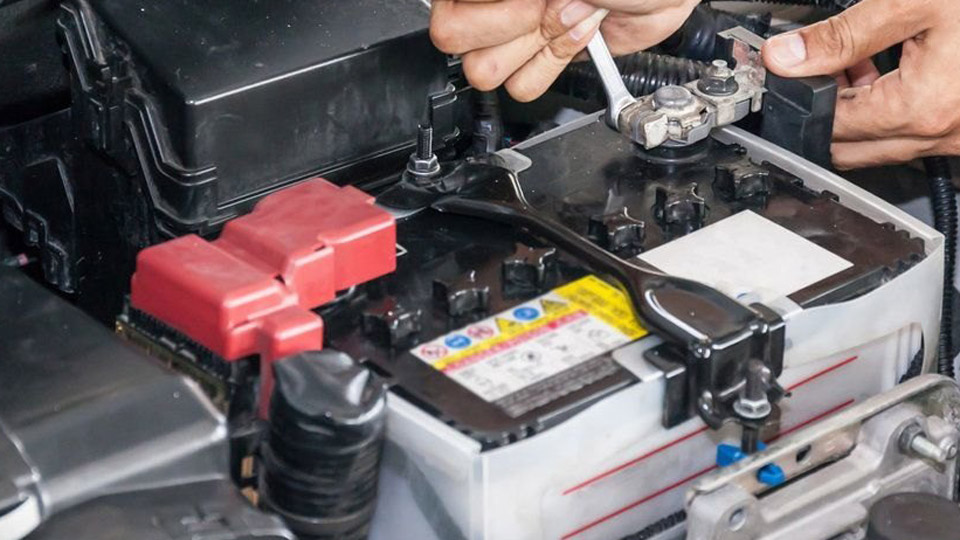
Image by indiamart
Why Your Car Battery Matters More Than You Think
Your car’s battery isn’t just a power source for starting the engine. It stabilizes voltage for sensitive electronics, powers accessories when the engine is off, and works with the alternator to keep everything running smoothly. When it fails, symptoms cascade: dim lights, slow cranking, or complete no-start conditions.
Batteries typically last 3–5 years, but heat, cold, short trips, and poor maintenance can cut that in half. In hot climates, internal plates degrade faster. In cold weather, cranking amps drop dramatically. Understanding your specific battery type and its limitations helps you catch problems early.
Common Signs Your Car Battery Is Failing
Spotting trouble early beats guessing in a dark parking lot.
Slow Cranking or Clicking Sounds
When you turn the key (or push the button), the engine turns over sluggishly or just clicks. This often means low voltage or insufficient cold cranking amps (CCA). I’ve seen this most in vehicles after sitting unused for weeks.
Dim or Flickering Lights
Headlights, interior lights, or dashboard displays that dim noticeably when starting or while idling point to a weak battery or charging issue. Test this with the engine off first.
Corrosion on Terminals
White or bluish-green powdery buildup around the posts is a classic sign. It increases resistance, leading to poor connections and faster drain.
Swollen or Leaking Battery Case
A bloated case usually means overcharging or internal heat damage. A rotten-egg smell indicates leaking hydrogen sulfide gas—handle with care and replace immediately.
Electrical Gremlins
Random warning lights, malfunctioning power windows, or a radio that resets point to unstable voltage. Modern cars with lots of electronics are especially sensitive.
Battery Warning Light on Dash
This indicates the charging system (alternator or battery) isn’t performing. Don’t ignore it.
Other red flags include the need for frequent jump starts or the car dying after short drives.
Understanding Different Battery Types
Knowing your battery chemistry is key to proper troubleshooting and replacement.
Flooded Lead-Acid (Traditional)
These are the most common and affordable. They use liquid electrolyte and require occasional maintenance.
Pros: Cheap, widely available, good cold cranking power.
Cons: Need distilled water top-ups, prone to spills and sulfation, shorter lifespan (3-5 years).
Best for: Older vehicles and basic applications.
AGM (Absorbed Glass Mat)
Electrolyte is absorbed in fiberglass mats. Sealed and vibration-resistant.
Pros: Maintenance-free, better deep-cycle performance, handles heat and high electrical loads well, longer life (4-7+ years).
Cons: More expensive.
Best for: Modern cars with start-stop systems, audio upgrades, or motorcycles.
Gel Batteries
Similar to AGM but with gelled electrolyte.
Pros: Excellent deep discharge recovery, low self-discharge.
Cons: Sensitive to overcharging, not ideal for high-cranking needs.
Common in: Solar and marine deep-cycle setups.
Lithium-Ion (LiFePO4)
Lightweight, high-performance chemistry gaining popularity in EVs, solar, and high-end automotive.
Pros: Much longer lifespan (8-15+ years), lighter weight, faster charging, higher efficiency, better depth of discharge.
Cons: Higher upfront cost, may need specific chargers/BMS.
Best for: Off-grid solar, power tools, EVs, or enthusiasts wanting maximum performance.
Battery Types Comparison Table
| Battery Type | Lifespan | Maintenance | Cost | Best For | CCA Performance | Deep Cycle |
|---|---|---|---|---|---|---|
| Flooded Lead-Acid | 3-5 years | High | Low | Basic cars, budget | Good | Fair |
| AGM | 4-7+ years | Low | Medium | Modern vehicles, audio | Excellent | Good |
| Gel | 4-6 years | Low | Medium | Solar, marine | Fair | Excellent |
| LiFePO4 | 8-15+ years | Very Low | High | EVs, solar, high-end | Very Good | Excellent |
Choose based on your vehicle’s demands, climate, and usage patterns. A cheap flooded battery in a hot climate with short trips will fail faster than an AGM.
How to Test Your Car Battery Properly
Don’t guess—test.
Visual Inspection
Pop the hood (engine off). Check for cracks, leaks, swelling, and corrosion. Ensure the battery is securely mounted. Clean terminals with a baking soda-water mix and a wire brush if needed. Wear gloves and eye protection.
Voltage Test with Multimeter
Set your multimeter to DC volts (20V range).
- Red probe to positive (+) terminal.
- Black to negative (-).
A healthy, rested battery (engine off, rested 1+ hours) should read: - 12.6V+ : Fully charged
- 12.4V : About 75%
- 12.2V or below : Weak, needs charging
- Below 12.0V : Likely bad or deeply discharged
Load Test
This is the gold standard. Many auto parts stores offer free load testing. It applies a simulated load and checks if voltage stays above 9.6V. A battery that passes voltage but fails load is sulfated or worn internally.
Parasitic Drain Test
If the battery dies overnight:
- Disconnect negative cable.
- Set multimeter to amps (10A range).
- Connect in series between negative terminal and cable.
Normal draw is under 50mA (0.05A). Higher means something (alarm, stereo memory, faulty module) is draining it. Pull fuses one by one to isolate.
Alternator Check
Start the engine. Voltage should rise to 13.7–14.7V. Too low: bad alternator. Too high (15V+): overcharging, which cooks batteries.
Step-by-Step: Charging a Dead or Low Battery Safely
Never just slap on any charger.
- Choose the Right Charger: Smart chargers with multi-stage (bulk, absorption, float) are best. Match voltage and chemistry (lead-acid vs lithium).
- Safety First: Work in a ventilated area. No sparks near hydrogen gas. Disconnect negative first when removing.
- Charging Rates: For a standard car battery, use 10% of Ah rating (e.g., 4-5A for a 50Ah battery). Lithium needs specific profiles.
- Connect Properly: Positive to positive, negative to negative or chassis ground.
- Monitor: Don’t overcharge. Stop when it reaches full (around 14.4-14.8V for many types).
- After Charging: Retest voltage and load.
Common mistake: Using a high-amp charger on a deeply discharged battery—it can cause overheating or plate damage.
Troubleshooting Specific Battery Problems
Battery Drains Overnight
Check for parasitic draw (as above). Common culprits: glovebox light, aftermarket stereo, or faulty alternator diode.
Won’t Hold a Charge
Usually sulfation from chronic undercharging. Desulfators or extended slow charging sometimes help, but replacement is often needed.
Corroded Terminals
Clean thoroughly. Apply dielectric grease after. Severe corrosion may require new cables.
Intermittent Issues
Vibration, heat, or loose connections. Check battery hold-down and wiring.
In Solar/Deep Cycle Systems
Test for proper charge controller settings. Lithium systems need BMS protection against over-discharge.
Replacing a Car Battery: Do It Right
- Match group size, CCA, and terminal layout to your vehicle.
- Disconnect negative cable first, then positive.
- Remove hold-down bracket. Lift out carefully (batteries are heavy).
- Clean tray and neutralize acid residue.
- Install new battery, secure it, connect positive first, then negative.
- Many modern cars need BMS reset or radio code re-entry.
Common Replacement Mistakes
- Reversing polarity (sparks and damage).
- Using wrong size (poor fit, vibration damage).
- Not resetting electronics.
- Ignoring alternator health.
Battery Maintenance Routines That Actually Work
- Test voltage every 3 months.
- Keep terminals clean and tight.
- Avoid short trips only—drive long enough to recharge fully.
- In storage: Use a maintainer/trickle charger. For lithium, store at 50-80% charge.
- Check electrolyte levels in flooded batteries (distilled water only).
- Protect from extreme temperatures when possible.
For solar or UPS systems, monitor depth of discharge and temperature—batteries hate being cooked or frozen.
Safety Considerations Every Time
Batteries contain acid and can explode if shorted. Always wear protection. Never smoke nearby. Have baking soda ready to neutralize spills. Dispose of old batteries responsibly at recycling centers—they contain lead and acid.
In lithium systems, avoid puncture or water exposure. Use proper chargers to prevent thermal runaway.
Real-World Scenarios and Lessons Learned
In my experience, the worst failures happen after vacations when cars sit. A classic: a truck with a new stereo that drained the battery because the installer didn’t add a proper fuse or memory wire setup.
Another: Overcharging from a faulty voltage regulator destroyed multiple batteries before we traced it. Short trips in city driving prevent full recharges, leading to sulfation.
Off-grid solar users often kill gel or flooded batteries by deep cycling them too aggressively without proper controllers.
Taking Care of Your Batteries Long-Term
After troubleshooting dozens of batteries over the years, the biggest takeaway is prevention beats cure. Match the right type to your needs, maintain connections, and test regularly. Understanding voltage ranges—12.6V rested for lead-acid, proper charging at 14.4-14.8V—keeps things reliable.
You’re now equipped to diagnose most issues yourself, whether it’s a daily driver, motorcycle, solar bank, or backup UPS. The confidence that comes from handling this yourself is worth the effort.
Always carry a quality digital multimeter and a small jumper pack in your vehicle. When in doubt about a no-start, test battery voltage first, then alternator output with the engine running. Catching a failing alternator early often saves the battery from repeated deep discharges.
This approach has saved me and many others from unnecessary replacements and breakdowns.
FAQ
How long does a car battery usually last?
Typically 3-5 years for flooded lead-acid, longer for AGM or lithium. Heat, frequent short trips, and poor maintenance shorten life significantly.
Can a car battery go bad without warning?
Yes, especially from internal sulfation or sudden alternator failure. Regular voltage checks catch most issues before complete failure.
Is it safe to charge a completely dead battery?
Yes, with a smart charger on the appropriate setting. Avoid very high amp chargers on deeply discharged units, as they can overheat.
How do I know if it’s the battery or the alternator?
Test battery voltage (should be ~12.6V rested). Start engine—voltage should rise to 13.7-14.7V. If it doesn’t rise, suspect the alternator.
Should I disconnect my battery if the car will sit for weeks?
Yes, or use a trickle maintainer. For modern cars with computers, a maintainer is better to avoid losing settings.