When Did Lithium Ion Batteries Become Popular?
Not that long ago, keeping a phone charged for an entire day felt like a challenge. Laptops were bulky, cordless tools had limited runtime, and rechargeable batteries often lost performance far too quickly. Today, we expect our devices to run longer, charge faster, and stay lightweight—and lithium-ion batteries are a big reason why.
That naturally leads to an interesting question: when did lithium ion batteries become popular? While these batteries are now found in everything from smartphones and laptops to power tools, solar storage systems, and electric vehicles, they didn’t become an overnight success.
Their rise happened gradually as technology improved and manufacturers realized the advantages they offered over older battery types.
Understanding this shift is more than just a history lesson. It explains why lithium-ion batteries dominate modern electronics, how they changed performance expectations, and why they continue to influence the future of energy storage. It also helps consumers make smarter decisions when choosing between battery technologies.
I’ll walk through the timeline of lithium-ion battery adoption, the key breakthroughs that made them popular, and the real-world advantages that helped them replace many older rechargeable batteries. Along the way, you’ll discover how this technology transformed the devices we rely on every day.
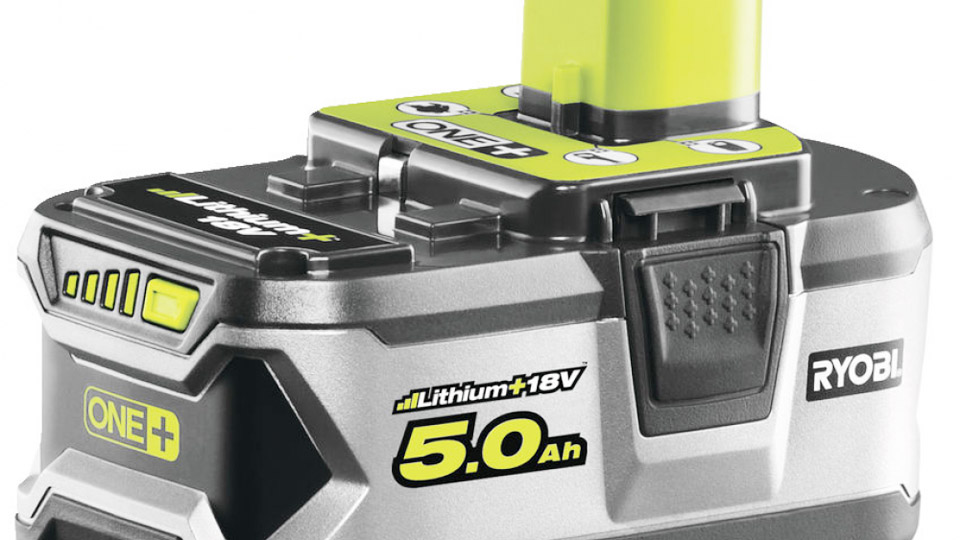
Image by agrieuro
The Evolution of Battery Technology: From Lead-Acid to Lithium
Batteries have come a long way since the early days of wet cells and flooded lead-acid designs. Traditional lead-acid batteries, including flooded, AGM, and gel variants, have been the workhorse for automotive starting, deep-cycle solar storage, and backup systems for over a century. They’re reliable in many ways, but they have clear limitations in weight, efficiency, and lifespan.
Lithium-ion batteries, particularly lithium iron phosphate (LiFePO4) variants that many of us prefer for safety and longevity, changed the game. The core chemistry relies on lithium ions moving between anode and cathode during charge and discharge cycles.
This process is far more efficient than the chemical reactions in lead-acid, which suffer from sulfation, gassing, and higher internal resistance.
Why the switch happened when it did: By the late 1980s and early 1990s, researchers had solved key safety and stability issues. Sony’s 1991 commercial lithium-ion cell powered camcorders and quickly spread to laptops and early mobile phones.
The 1990s saw rapid growth in portable electronics because these batteries offered 2-3 times the energy density of nickel-metal hydride or lead-acid equivalents while weighing much less.
For automotive and solar users, the real boom came later. Early 2000s hybrids and the mid-2010s EV surge (think Tesla and others scaling up) pushed lithium-ion into the mainstream.
In off-grid solar, adoption picked up as prices dropped and people realized they could use more of their stored energy without the heavy maintenance of lead-acid banks.
Understanding Battery Types: Lead-Acid, AGM, Gel, and Lithium Variants
Choosing the right battery starts with knowing the options. Here’s what I’ve learned from real installations.
Flooded Lead-Acid: The classic. Affordable upfront, but they require regular watering, venting for gases, and suffer from self-discharge. Best for occasional use like starting batteries in cars, but poor for deep cycling in solar setups.
AGM (Absorbed Glass Mat): A sealed lead-acid improvement. They handle vibration better (great for motorcycles and off-road vehicles), charge faster than flooded, and need no maintenance. Still heavier and less efficient than lithium.
Gel: Another sealed lead-acid type. Good for deep discharge but sensitive to charging voltage—overcharging can ruin them quickly. Less common now due to lithium competition.
Lithium-Ion (NMC, LCO, etc.): Common in consumer electronics and some EVs. High energy density but can have thermal runaway risks if poorly managed.
LiFePO4 (Lithium Iron Phosphate): My go-to for most applications. Extremely safe, 3000-7000+ cycles at 80-100% depth of discharge, and stable. Slightly lower energy density than other lithium chemistries but worth it for longevity and safety in solar, marine, and home backup.
Pros and Cons Comparison:
| Battery Type | Upfront Cost | Lifespan (Cycles) | Weight | Efficiency | Maintenance | Best For |
|---|---|---|---|---|---|---|
| Flooded Lead-Acid | Low | 200-500 | Heavy | 70-85% | High | Budget starting batteries |
| AGM Lead-Acid | Medium | 400-1000 | Heavy | 80-90% | Low | Vehicles, mild deep cycle |
| Gel Lead-Acid | Medium | 500-1000 | Heavy | 80-85% | Low | Steady deep discharge |
| Lithium-Ion (NMC) | High | 1000-3000 | Very Light | 95%+ | Very Low | High power, EVs |
| LiFePO4 | High | 3000-7000+ | Light | 95-99% | Very Low | Solar, off-grid, marine |
In my experience, the higher initial cost of lithium pays off within 2-4 years for daily users. You buy fewer batteries over time and waste less energy.
When Lithium-Ion Batteries Became Popular in Different Applications
Consumer Electronics (1990s Boom): This is where lithium-ion truly took off. Phones, laptops, and cameras demanded lightweight, high-capacity power. By the mid-90s, they were standard. No more lugging around heavy NiCd packs that had memory effect issues.
Automotive and Motorcycles: Early adoption in hybrids around 2000, then full EVs in the 2010s. For regular car owners, lithium starting batteries are now common in high-end vehicles and performance builds because they deliver strong cranking amps while shaving 30-50 lbs off the front end.
Solar and Off-Grid Systems: The real game-changer for homeowners. Lead-acid banks needed massive oversizing (you could only safely use 50% capacity). Lithium lets you use 80-100%, meaning smaller, lighter systems that last a decade or more with minimal fuss.
Power Tools, UPS, and Electronics: Lithium revolutionized cordless tools—longer runtime, faster charging, less weight. Backup systems for servers or home offices run cooler and more reliably.
I’ve replaced many lead-acid solar banks with LiFePO4 and seen customers go from replacing batteries every 3-5 years to barely thinking about them for 10+ years.
How Lithium-Ion Batteries Work in Practice
At a basic level, lithium ions shuttle between the positive and negative electrodes through an electrolyte. During discharge, they move one way, creating current. Charging reverses it.
What matters more is real behavior:
- Voltage: A standard 12V lithium pack actually operates around 12.8-13.6V nominal, with full charge often at 14.4-14.6V for LiFePO4.
- Capacity: Measured in Amp-hours (Ah) or Watt-hours (Wh). A 100Ah LiFePO4 gives you roughly 1280Wh usable, versus about 600Wh from a comparable lead-acid at 50% DoD.
- C-Rate: How fast you can charge/discharge. Many lithium packs handle 1C (full charge in 1 hour) safely with proper BMS.
Charging Methods and Best Practices
This is where most people, even pros, make costly mistakes.
Use a charger specifically designed for lithium. Lead-acid chargers often push too high a voltage or use float stages that can damage lithium cells over time. Look for chargers with CC/CV (Constant Current/Constant Voltage) profiles.
Recommended Voltage Ranges (12V System):
- Absorption/Bulk: 14.2-14.6V
- Float: 13.5-13.8V (or disable float entirely for longevity)
- Low Voltage Cutoff: Around 10-11V to protect the pack
Step-by-Step Safe Charging:
- Inspect the battery and connections for damage.
- Use the correct charger and set it to lithium mode if available.
- Charge in a well-ventilated area at moderate temperatures (ideally 50-85°F).
- Never leave charging unattended for long periods, especially with cheaper packs.
- Monitor temperature—warm is okay, hot is a problem.
In solar setups, pair with a quality MPPT charge controller programmed for lithium. I always recommend a Battery Management System (BMS) that handles cell balancing, over/under voltage, and temperature protection.
Common mistake: Using automotive “smart” chargers not rated for lithium. They can overcharge or fail to terminate properly.
Battery Maintenance, Storage, and Troubleshooting
Lithium needs far less maintenance than lead-acid, but it’s not zero.
Daily/Weekly Checks:
- Monitor voltage and state of charge via BMS app or voltmeter.
- Keep terminals clean and tight.
- Ensure good airflow around packs in enclosed spaces.
Storage:
- Store at 40-60% charge in cool, dry conditions (around 50-70°F).
- Check and top up every 3-6 months. Never let them sit fully discharged.
Real-World Failure Scenarios I’ve Seen:
- Over-discharging without proper cutoff → cell imbalance and capacity loss.
- Using in extreme cold without heaters → reduced performance and potential damage.
- Mixing old and new batteries or different chemistries → poor performance.
- Cheap imported packs with weak BMS failing under load.
Troubleshooting low performance: Check individual cell voltages if possible, test with a load tester, and verify charger output.
For car owners: A lithium starting battery can sit for months with minimal drain compared to lead-acid.
Safety Considerations: What Every User Needs to Know
Lithium is safe when respected, but fires make headlines for a reason—usually due to damage, poor quality, or misuse.
- Use batteries with robust BMS.
- Avoid physical damage or punctures.
- Charge away from flammables and on non-combustible surfaces.
- Never use damaged batteries.
- For solar or large banks, consider fire-resistant enclosures.
In EVs and solar, thermal management is built-in. For DIY, keep it simple and buy quality.
Real-World Usage Examples
Cars and Motorcycles: Dropped a lithium battery into a classic truck—starts faster, lighter front end, and survives deep drains if I accidentally leave lights on.
Solar Systems: A 48V 200Ah LiFePO4 bank powers my workshop off-grid. I get consistent voltage even under heavy inverter loads, unlike lead-acid sag.
UPS and Backup: Critical electronics stay up longer with less weight and heat.
Power Tools: Hours of runtime instead of minutes, with quick recharge.
Practical Recommendations for Choosing and Using Batteries
Match voltage and capacity to your load. Calculate daily energy needs (Wh) and size accordingly with headroom.
For compatibility: Ensure your alternator, inverter, and charger are lithium-friendly. Some older systems need upgrades.
Maintenance routine: Visual inspection monthly, capacity test yearly.
Budget tip: Calculate total cost of ownership. A $1200 lithium pack that lasts 10 years often beats $300 lead-acid replaced every 3-4 years.
Key Takeaways for Better Battery Decisions
After years in the garage and on job sites, the biggest lesson is that understanding your usage pattern beats chasing the latest spec sheet.
Lithium-ion technology crossed into everyday popularity starting in the early 1990s and has only grown since, giving us lighter, longer-lasting power for cars, solar setups, tools, and more.
You’re now equipped to spot the right battery for your needs, avoid common pitfalls like wrong chargers or improper storage, and maintain systems safely. The shift from frequent lead-acid headaches to reliable lithium performance is real—and worth it.
Always install a quality shunt or Bluetooth BMS monitor. Knowing exact state of charge and individual cell health has saved me from surprise failures more times than I can count. Treat your batteries right, and they’ll return the favor for years.
FAQ
When did lithium-ion batteries become popular in consumer devices?
They gained real traction after Sony’s 1991 commercial launch, becoming standard in laptops and phones by the mid-to-late 1990s as manufacturers sought lighter, higher-capacity options.
Are lithium batteries worth the extra cost over lead-acid for solar?
Yes, for most daily users. The longer lifespan, higher usable capacity, and efficiency usually make them cheaper over 5-10 years despite higher upfront price.
What voltage should I charge a 12V lithium battery at?
Typically 14.2-14.6V for bulk/absorption with LiFePO4. Use a dedicated lithium charger to avoid damage.
How long do lithium-ion batteries last in cars or solar systems?
Expect 8-15+ years or 3000-7000 cycles depending on chemistry, usage, and care—far outperforming lead-acid’s 3-5 years.
What are the biggest mistakes with lithium batteries?
Using incompatible chargers, over-discharging without protection, storing at 0% or 100% for long periods, and buying low-quality packs without proper BMS.