How to Recharge AAA Alkaline Batteries Safely & Extend Life
You find a few dead AAA batteries in a drawer and start wondering if you can give them a second life instead of throwing them away. After all, battery prices add up over time, and tossing batteries that still look perfectly fine feels wasteful.
That’s usually when the question comes up: how to recharge AAA alkaline batteries and whether it’s actually safe to do so.
It’s a topic that creates a lot of confusion. Some people claim they’ve successfully recharged alkaline batteries multiple times, while others have experienced leakage, overheating, or batteries that failed almost immediately afterward.
The problem is that not all batteries are designed to be recharged, and using the wrong charger or method can quickly turn a money-saving idea into a costly mistake.
Understanding the risks and limitations is important for both safety and performance. A poorly recharged battery may not hold much power, could damage your device, or in some cases create safety concerns that are easy to overlook.
I’ll explain what actually happens when you try to recharge AAA alkaline batteries, when it might be possible, and the precautions you should never ignore. You’ll also learn practical tips to help you avoid battery damage, wasted money, and unexpected failures.

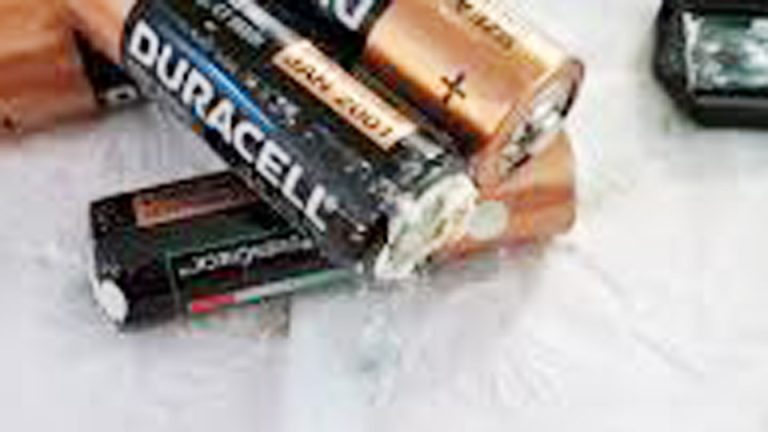
Image by cnet
Why AAA Alkaline Batteries Matter in Daily Life
AAA batteries power countless low-to-medium drain devices: TV remotes, wireless mice and keyboards, flashlights, digital thermometers, toys, and small solar lights. In a car or truck, they might run key fobs or tire pressure sensors. Off-grid or solar users rely on them for portable devices around the property.
A typical fresh alkaline AAA delivers about 1.5V nominal voltage and 800–1,200 mAh capacity, depending on brand and drain rate. They excel in low-drain applications with excellent shelf life—often holding charge for 5–10 years in storage. But once depleted, they’re meant for recycling, not reuse.
Battery failure hits at the worst times: dead remotes during a game, or solar pathway lights that won’t charge during short winter days. Recharging attempts stem from cost (a pack of name-brand alkalines isn’t cheap) and environmental concerns. But doing it wrong leads to leaks that corrode contacts or, worse, safety issues.
Understanding Battery Chemistry: Alkaline vs. Rechargeable Types
To recharge anything effectively, you need to know the chemistry.
Disposable Alkaline Batteries: These use zinc anode, manganese dioxide cathode, and potassium hydroxide electrolyte. The reaction is one-way. Attempting to reverse it generates gas (hydrogen and oxygen), building pressure inside the sealed cell. This causes leakage of caustic electrolyte or, in extreme cases, venting or explosion.
Rechargeable Alkaline (RAM): Specially formulated versions exist that can handle multiple cycles (often 25 deep or hundreds shallow). They hold 1.5V better than NiMH initially but have lower overall capacity and cycle life than modern NiMH.
Nickel-Metal Hydride (NiMH): The go-to replacement for AA/AAA. 1.2V nominal but higher capacity (often 800–1,200+ mAh for AAA), hundreds to 1,000+ cycles, and safe with proper chargers. Low self-discharge versions (like Eneloop) hold charge for years.
Lithium-Ion (Li-ion) Rechargeables: Some 1.5V variants for AA/AAA form factor. Higher voltage consistency and capacity, but more expensive upfront and require compatible chargers.
Lead-Acid, AGM, Gel, LiFePO4 (Larger Systems): For automotive, solar, and deep-cycle use, these scale up the principles. Voltage (12V systems), capacity in Ah/Wh, and charging profiles differ dramatically from AAA cells but share core lessons on matching charger to chemistry.
Can You Safely Recharge Standard AAA Alkaline Batteries?
Technically, partial recharges are possible with very low current, pulsed methods, and constant monitoring—but it’s not reliable or recommended for regular use.
Risks Involved:
- Leakage: Corrosive potassium hydroxide damages devices.
- Overheating and Rupture: Gas buildup.
- Reduced Capacity: Each “recharge” yields diminishing returns—maybe 5–10 cycles max before useless.
- Fire/Explosion Hazard: Rare but real if current is too high.
I’ve seen corroded remotes and ruined flashlights from leaked alkalines. Don’t risk expensive electronics.
Step-by-Step: Experimental Methods for Recharging Alkaline AAA (Use at Your Own Risk)
Only attempt this on non-critical devices, in a safe area (away from flammables), with eye protection and gloves. Monitor temperature constantly. Stop if hot or bulging.
- Test the Battery First: Use a multimeter. Below ~1.0–1.1V under load, it’s deeply discharged and harder to revive. Good candidates are around 1.2V+ resting.
- Low-Current Charger Setup: Use a simple DC adapter (e.g., old phone charger 3.7–5V at <300mA). Better: dedicated alkaline-compatible chargers if available (rare now). Avoid standard NiMH/Li chargers.
- Pulsed Charging Technique:
- Connect positive to positive, negative to negative using clips.
- Charge for 30–60 seconds to a few minutes.
- Disconnect and let voltage settle (drops quickly).
- Repeat multiple times, checking temperature (should stay cool).
- Aim for no more than 1.6–1.7V max per cell.
- Alternative DIY Approaches (Less Reliable):
- Some use hot water immersion briefly then cooling—risky and inconsistent.
- Solar trickle with very low current panels and regulators.
Expect only partial restoration—enough for a remote or low-drain device for a short time. Track cycles; discard after a handful.
Pro Tip from the Shop: Never mix fresh and “recharged” alkalines in the same device. Voltage differences cause uneven drain and leakage.
Why Switch to Rechargeable AAA Batteries Instead
For most users—car owners, solar enthusiasts, technicians—this is the practical move.
NiMH Rechargeables:
- Pros: Hundreds of cycles, safe charging, good for moderate drain (mice, flashlights, toys). Low self-discharge options last years on the shelf.
- Cons: Slightly lower initial voltage (1.2V vs 1.5V), which can affect some devices marginally. Higher upfront cost but pays off fast.
1.5V Lithium Rechargeables:
- Pros: Maintains higher voltage longer, excellent capacity, lightweight.
- Cons: More expensive; needs specific chargers.
Comparison Table: AAA Battery Types
| Type | Nominal Voltage | Typical Capacity (mAh) | Cycles | Best For | Cost per Use (Long-Term) | Safety Notes |
|---|---|---|---|---|---|---|
| Disposable Alkaline | 1.5V | 800–1,200 | 1 | Low-drain, long storage | High | Leak risk if mishandled |
| Rechargeable Alkaline (RAM) | 1.5V | Variable, lower | 10–50+ | Occasional reuse | Medium | Limited, gas buildup |
| NiMH | 1.2V | 800–1,300+ | 500–1,000+ | Daily use, remotes, lights | Low | Very safe with right charger |
| Li-ion 1.5V | 1.5V | Higher | 500+ | High-drain, consistent power | Medium-High | BMS protection needed |
In solar setups, pair rechargeables with small solar chargers for maintenance-free operation. For cars, keep a set for key fobs and test regularly.
Charging Systems and Best Practices for All Battery Types
For AAA/NiMH:
- Use a smart charger with delta-V detection, overcharge protection, and individual bay monitoring.
- Charge at 0.1C–0.5C rate (e.g., 100–200mA for 1000mAh AAA).
- Avoid heat; room temperature ideal.
Automotive and Deep-Cycle:
- Lead-acid/AGM: Constant voltage 14.4–14.7V absorption, float at 13.2–13.8V. Use maintainers for storage.
- Lithium (LiFePO4): CC-CV charging, stricter voltage limits (14.6V max for 12V pack). Built-in BMS helps.
Common Charging Mistakes:
- Using a car charger on small cells (way too much current).
- Over-discharging alkalines or leaving rechargeables at 0%.
- Storing in extreme heat/cold.
- Ignoring sulfation in lead-acid (use desulfators or regular top-ups).
Battery Maintenance, Storage, and Troubleshooting
- Storage: Cool, dry place. For rechargeables, store at 40–60% charge. Alkalines can go full but check annually.
- Maintenance Routine: Test voltage monthly for critical devices. Clean contacts with isopropyl alcohol. For solar/deep-cycle: Equalization charges periodically for lead-acid.
- Troubleshooting:
- Device won’t work: Test under load. Weak cells drag down packs.
- Leakage: Neutralize with vinegar/baking soda, clean thoroughly.
- Won’t hold charge: Check charger compatibility or internal degradation.
Real-world example: In a solar off-grid cabin, NiMH AAA in lights and sensors, charged via small USB solar panels, outlast alkalines dramatically with zero waste.
Safety Considerations Across Battery Technologies
Always:
- Work in ventilated areas.
- Use proper PPE.
- Match charger to chemistry and capacity.
- Dispose/recycle responsibly (many auto parts stores take them).
- Never puncture, short, or incinerate.
For lithium systems, thermal runaway is a bigger concern—use BMS. Lead-acid can off-gas hydrogen.
Battery Lifespan, Degradation, and Cost Savings
Alkalines: One use. Rechargeables: Break even after 5–10 cycles, then pure savings. In high-use scenarios like power tools or solar, lithium pays off fastest. Track cycles and capacity fade—expect 20–30% loss after hundreds of uses.
Practical Recommendations for Different Users
- Car/DIY Mechanics: Stock NiMH for fobs/sensors. Maintain main lead-acid/AGM with trickle charger.
- Solar/Off-Grid: LiFePO4 banks for house power; NiMH or lithium AAA for portables.
- Everyday/Home: Dedicated charger station for AA/AAA rechargeables. Reduces trash and trips to the store.
- Technicians: Invest in quality testers (load testers for big batteries, multimeters for small).
Compatibility Tip: Some devices specify alkalines for voltage—test rechargeables; most work fine.
Key Takeaways for Confident Battery Management
You’ve seen the realities: Standard AAA alkaline batteries aren’t built for easy recharging, and forcing it carries real risks for marginal gains.
By understanding chemistry, choosing the right type (NiMH or lithium for most reusable needs), using proper chargers, and following maintenance basics, you avoid failures, extend life, and save money across cars, solar setups, tools, and daily devices.
Invest in a good battery analyzer or smart charger that tests capacity under load. Knowing true remaining Ah or mAh prevents surprises far more than any trick recharging method ever could. Treat batteries as investments—match them to the job, charge correctly, and they’ll serve you reliably for years.