What Is Lithium Ion Battery and How Does It Work? Explained
I’ve replaced more dead batteries in garages, solar sheds, and workshops than I can count. Whether it’s a car that won’t start on a cold morning, a solar bank that’s lost capacity after a few seasons, or an EV pack showing its age, one question always comes up when it’s time to dispose of them: what actually happens to these lithium batteries when they get recycled?
The short answer is that modern recycling recovers valuable materials like lithium, cobalt, nickel, copper, and more, turning what looks like waste into raw materials for new batteries or other products. But the full story involves safety, processes, economics, and why proper end-of-life handling matters for your wallet and the environment.
I’ll walk you through everything from choosing the right battery upfront to what happens at the recycling facility, based on real-world experience with automotive, deep-cycle, and lithium systems.
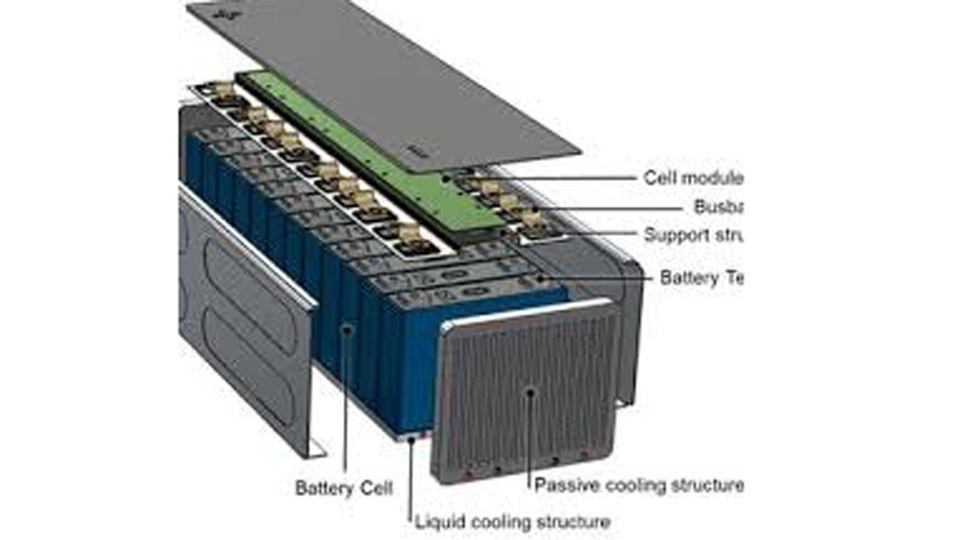
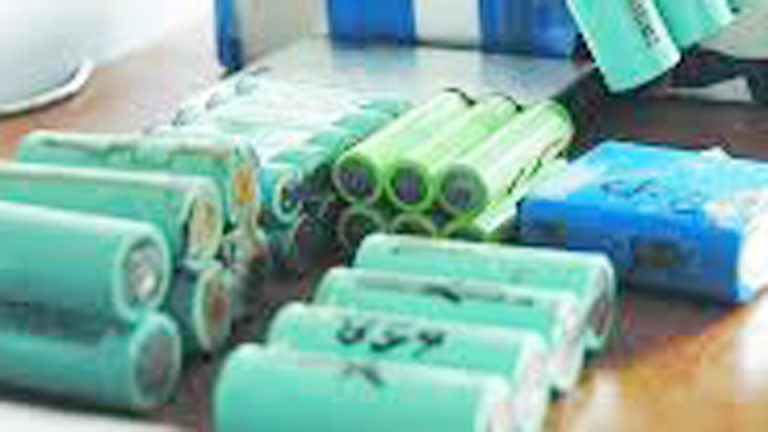
Image by researchgate
Battery Types: Choosing What Fits Your Needs
Before diving into recycling, you need to know what you’re working with. Different chemistries behave differently in use, failure modes, and end-of-life processing.
Lead-Acid Batteries (Flooded, AGM, Gel)
These are the old workhorses in cars, motorcycles, and some backup systems. A typical 12V lead-acid might deliver 50-100 Ah. They tolerate overcharge better in some scenarios but hate deep discharges. Expect 300-800 cycles at 50% depth of discharge (DoD). They’re heavy, require checking electrolyte levels in flooded versions, and produce sulfation if neglected.
Lithium-Ion and LiFePO4 (LFP)
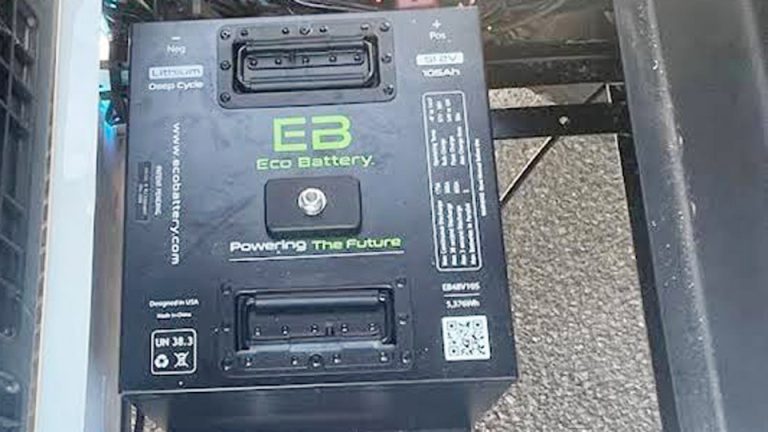
Lithium-ion covers a range: NMC, NCA for high energy density in EVs; LiFePO4 for solar, marine, and off-grid because of safety and longevity. A 12V 100Ah LiFePO4 weighs about a third of a lead-acid equivalent, offers 95%+ round-trip efficiency, and handles 2,000-5,000+ cycles at 80-100% DoD. Voltage stays flatter under load.
Pros and Cons Comparison
| Feature | Lead-Acid (AGM/Flooded) | Lithium-Ion / LiFePO4 | Best For |
|---|---|---|---|
| Upfront Cost | Low | Higher (2-4x) | Budget vs Long-term |
| Cycle Life | 300-1,000 | 2,000-6,000+ | Daily cycling (solar/EV) |
| Efficiency | 70-85% | 95%+ | Energy-sensitive systems |
| Weight | Heavy | Lightweight | Mobility, roof mounts |
| Maintenance | Regular (flooded) | Minimal | Hands-off users |
| Safety | Stable but gassing | Thermal runaway risk if damaged | LiFePO4 safer than NMC |
| Recycling Ease | Very high (99% in US) | Improving, ~95% recovery possible | Environmental impact |
In my experience, beginners often buy cheap lead-acid for solar and regret it after two seasons of capacity loss. Lithium pays for itself in 3-5 years for frequent cycling applications.
Battery Lifespan, Degradation, and Real-World Performance
Batteries don’t die suddenly—they degrade. Lead-acid loses capacity from sulfation, stratification, and plate corrosion. Lithium suffers from solid electrolyte interphase (SEI) growth, lithium plating, and cathode degradation.
Factors that kill lifespan fast:
- High temperatures (above 95°F/35°C accelerates aging dramatically).
- Frequent deep discharges below 20% for lithium or 50% for lead-acid.
- Overcharging or using the wrong voltage (lithium typically 14.2-14.6V absorption for 12V systems; never use a lead-acid charger without lithium profile).
- Poor balancing in multi-cell packs.
I’ve seen solar LiFePO4 banks in hot attics drop to 70% capacity in under three years. The same battery in a temperature-controlled shed might hit 8-10 years. For EVs, fast DC charging regularly can add measurable degradation if cooling systems aren’t optimal.
Practical Tip: Test your battery health regularly. For lithium, use a multimeter or Bluetooth BMS app to check individual cell voltages. A healthy 12V lithium pack shows cells within 0.05V of each other at rest.
Charging Systems, Methods, and Common Mistakes
Matching charger to chemistry is critical. Lead-acid likes multi-stage charging with higher absorption voltages. Lithium needs constant current/constant voltage (CC/CV) with strict voltage limits and often a BMS for protection.
Common mistakes I’ve fixed on-site:
- Using a standard automotive charger on lithium → overvoltage damage or fire risk.
- Undersized charging current (should be 0.2-0.5C for longevity).
- Ignoring temperature compensation.
- Parallel charging mismatched batteries.
For a 100Ah lithium bank, aim for a charger that delivers 20-50A. Solar users should set controllers to lithium-specific parameters: bulk/absorption around 14.4V, float 13.5-13.6V. Never leave lithium on a float charger indefinitely if not designed for it.
Step-by-Step Safe Charging Routine:
- Inspect for swelling, leaks, or damage.
- Connect in a well-ventilated area away from flammables.
- Use the correct charger/profile.
- Monitor temperature and voltage.
- Disconnect once full—don’t trickle charge lithium long-term.
Storage, Maintenance, and Troubleshooting
Store lithium at 40-60% charge in a cool, dry place (50-68°F ideal). Check every 3-6 months and top up if needed. Avoid full charge or full discharge for storage.
Maintenance for lead-acid: Clean terminals, check fluid, equalize periodically. Lithium: Mostly monitor via BMS, keep connections tight, and ensure good airflow.
Troubleshooting low performance:
- Measure resting voltage (12.8V+ good for lithium after rest).
- Check for parasitic drains.
- Balance cells if voltage spread is high.
- Test capacity with a discharge tester if possible.
In off-grid setups, I’ve seen people destroy banks by letting them sit at 100% in summer heat. A simple timer or smart controller prevents this.
Safety Considerations Across Battery Types
All batteries carry risks, but lithium demands respect for thermal runaway. Damaged cells can vent, ignite, or spread fire. Use fire-resistant storage bags or cabinets for spares. Have a Class D or ABC extinguisher rated for lithium fires nearby—water can make some fires worse initially.
For EVs and large packs, never attempt DIY disassembly without proper training and equipment. Short circuits during handling cause most incidents.
What Happens to Lithium Batteries When They Are Recycled
This is the core question for many. When your lithium battery reaches end-of-life (typically when capacity drops to 70-80% for EVs, still usable for stationary storage), recycling recovers critical materials instead of sending them to landfills.
The Recycling Process Step-by-Step:
Collection and Sorting: Drop off at retailers, e-waste centers, or specialized programs. Batteries are sorted by chemistry to avoid dangerous mixing. In the US, many auto parts stores and retailers accept them.
Discharge and Pretreatment: Remaining energy is safely discharged. Packs are disassembled into modules and cells where possible. This reduces fire risk.
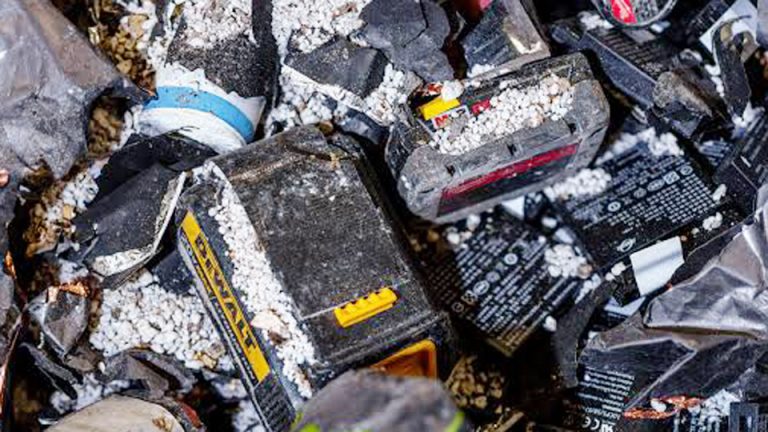
Shredding or De-manufacturing: Batteries are shredded in controlled, inert environments (often with cooling or vacuum) to produce “black mass”—a powder of electrode materials, plus separated plastics, metals, and casings. Some advanced processes deconstruct without full shredding.
Material Separation:
Pyrometallurgy (smelting): High-heat furnace recovers cobalt, nickel, copper into alloys. Lithium and graphite often lost to slag. Energy-intensive but handles mixed feeds well.
Hydrometallurgy: Acids or solvents leach metals from black mass. Then solvent extraction or precipitation recovers high-purity lithium, cobalt, nickel, manganese. Higher recovery rates (95%+ for key metals) and lower energy use.
Direct Recycling: Emerging method preserves cathode structure for direct reuse with less processing.
Recovered materials go back into new batteries, stainless steel, or other products. Companies like Redwood Materials aim for closed-loop where recycled content goes straight into new cells.
Recovery Rates and Outputs: Modern facilities recover 90-98% of cobalt/nickel, high percentages of lithium and copper. Plastics and electrolytes are trickier but improving. Graphite can be recovered for new anodes in some processes.
Environmental and Economic Reality: Recycling uses far less energy, water, and emits fewer GHGs than mining virgin materials—often 50-80% reductions. It reduces reliance on geopolitically sensitive mining. However, not all lithium batteries are recycled yet; rates are rising with demand and regulations.
In the US, lithium-ion batteries are often managed as universal or hazardous waste due to fire risks. Check local rules—many states have take-back programs.
Real-World Example: An EV battery pack from a wrecked vehicle might have modules repurposed for solar storage first (second-life), then fully recycled. The cobalt and nickel from one pack can help build fractions of new ones, closing the loop.
Second-Life Applications Before Recycling
Don’t recycle prematurely. Many “dead” EV batteries (70-80% capacity) work great for stationary solar, UPS, or power walls. I’ve helped customers repurpose modules successfully, extending useful life by years and delaying recycling.
Practical Recommendations for Long-Term Success
- Match battery to application: LiFePO4 for solar/deep cycle, high-density lithium for EVs/portables.
- Invest in a good BMS and quality charger.
- Size your system with headroom—avoid running at extremes.
- Track cycles and health data.
- Plan for end-of-life: Know local recyclers early.
Comparison of Real-World Usage:
- Cars/Motorcycles: Lead-acid or AGM for starters; lithium for lightweight performance.
- Solar/Off-Grid: LiFePO4 dominates for efficiency and no maintenance.
- Power Tools/UPS: Lithium for runtime and weight savings.
- EV: Specialized high-voltage packs with advanced thermal management.
Taking Care of Your Batteries Means Better End Results
After years wrenching on these systems, the biggest lesson is prevention. Choose wisely, charge correctly, store properly, and monitor. When the time comes, recycling turns your spent battery into resources rather than pollution.
You’re now equipped to select the right chemistry, avoid the common pitfalls that kill performance early, and handle end-of-life responsibly.
Always keep a spare BMS or balancer on hand for lithium banks, and log your charge/discharge data. That history tells you exactly when maintenance or replacement is truly needed—not just when something stops working.
FAQ
Can I recycle lithium batteries at home?
No. Never attempt to disassemble or process lithium batteries yourself. Take them to certified collection points or recyclers to avoid fire, chemical exposure, or legal issues. Many retailers offer free drop-off.
How long do lithium batteries last before recycling?
It depends on use. EV packs often get 8-15 years or 100,000-300,000 miles before second-life or recycling. Solar LiFePO4 can exceed 10 years with proper care. Capacity below 70-80% usually signals end-of-primary use.
What materials are recovered from recycled lithium batteries?
Primarily lithium, cobalt, nickel, copper, aluminum, and graphite. Plastics and electrolytes are also processed where possible. Recovery can exceed 95% for valuable metals in advanced facilities.
Is lithium battery recycling safe and environmentally friendly?
When done properly in regulated facilities, yes—far better than landfilling. Processes minimize emissions compared to mining, though pyrometallurgy is more energy-heavy. Always use certified recyclers.
What should I do with a swollen or damaged lithium battery?
Stop using it immediately. Isolate it in a fireproof container outdoors if possible, and contact a hazardous waste handler or recycler. Do not puncture, charge, or store with other items.