Why Can Lithium Batteries Not Be Checked? Key Reasons
You’re packing for a flight when you notice a warning from the airline: spare lithium batteries aren’t allowed in checked baggage. A lot of travelers see this rule and immediately wonder, why can lithium batteries not be checked if they’re safe enough to carry onto the plane.
It’s a question that comes up frequently, especially with power banks, camera batteries, laptops, and other devices we use every day. Since these batteries are so common, many people assume they can be packed anywhere without a second thought. Unfortunately, that’s not always the case.
The concern isn’t about convenience—it’s about safety. Although lithium batteries are generally reliable, a damaged, defective, or improperly packed battery can overheat and potentially start a fire.
Inside a cargo hold, detecting and responding to that kind of problem is much more difficult than in the passenger cabin. That’s why airlines and aviation authorities take lithium battery rules so seriously.
I’ll explain the real reasons behind these restrictions, which lithium batteries can and cannot be checked, and the common packing mistakes that often catch travelers off guard. You’ll also get practical tips to help you travel safely, avoid airport delays, and protect your devices along the way.

The Core Differences: Why Traditional “Checking” Doesn’t Work on Lithium Batteries
Lead-acid batteries (flooded, AGM, gel) are forgiving in diagnostics because their chemistry is straightforward. A hydrometer measures specific gravity of the electrolyte, directly telling you state of charge and hinting at sulfation or cell imbalance. A carbon pile load tester applies a heavy draw and watches voltage drop—classic for cranking amps.
Lithium-ion batteries, particularly LiFePO4 common in deep-cycle and automotive use, operate differently. No liquid electrolyte to sample. No simple gravity test.
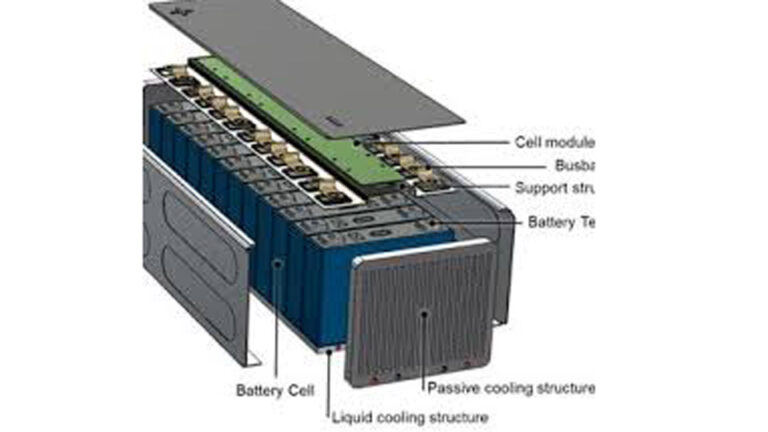
They rely on a Battery Management System (BMS) that handles cell balancing, over/under-voltage protection, temperature monitoring, and current limits. Traditional testers often can’t communicate with the BMS or interpret the flat voltage curve properly.
Voltage on a lithium pack stays relatively stable across most of its discharge range—around 13.0-13.6V for a healthy 12V nominal LiFePO4 until it drops off sharply near empty.
A lead-acid tester expecting a linear drop misreads this as “good” or “bad” incorrectly. Plugging a high-draw load tester designed for lead-acid can confuse the BMS, trigger protection shutdowns, or in rare cases stress cells if not rated properly.
Real-world scenario: A buddy switched his RV house bank to lithium. He tried his old load tester and got erratic readings. The BMS shut down the pack temporarily for protection. Lesson learned—use the right tools.
Battery Types: Lead-Acid, AGM, Gel, Lithium-Ion, and LiFePO4 Explained
Choosing the right battery starts with knowing the players. Here’s a practical breakdown based on hands-on use:
Flooded Lead-Acid: Affordable, widely available for cars and motorcycles. Require maintenance—checking electrolyte levels, adding distilled water. Good for high cranking amps but suffer from sulfation if left discharged. Lifespan: 3-5 years typical in automotive use.
AGM (Absorbed Glass Mat): Sealed, vibration-resistant, no watering needed. Better for deep cycling than flooded but still heavier and less efficient than lithium. Popular in motorcycles and some solar setups.
Gel: Similar to AGM, tolerant of deep discharge but sensitive to overcharging. Less common now.
Lithium-Ion (including LiFePO4): Lighter, higher energy density, 10+ year potential lifespan with proper care, thousands of cycles. Higher upfront cost but lower total ownership expense. LiFePO4 is safest for solar, marine, and off-grid—thermal runaway risk is much lower than other lithium chemistries.
Pros and Cons Comparison (real numbers from workshop and field use):
- Lifespan/Cycles: Lead-acid ~300-800 deep cycles; Lithium 2,000-5,000+.
- Weight: Lithium roughly half or less for same capacity.
- Efficiency: Lithium charges faster, holds voltage better under load, less self-discharge (under 3% per month vs. 10-30% for lead-acid).
- Cost: Lead-acid cheaper initially ($100-200 for 100Ah); Lithium $400-800 but pays back over time.
- Maintenance: Lead-acid needs regular checks; Lithium is mostly “install and monitor voltage/BMS.”
In cars and motorcycles, lithium drop-ins work great for weight savings and reliable starts but need compatible chargers. In solar systems, lithium shines for daily deep cycling without capacity loss. UPS and power tools benefit from consistent voltage output.
Voltage Ranges, Capacity, and What “Checked” Actually Means
Capacity is rated in Amp-hours (Ah) or Watt-hours (Wh). A 100Ah 12V battery stores about 1,200 Wh (theoretical). Real usable is different: lead-acid often limited to 50% depth of discharge (DoD) to avoid damage; lithium handles 80-100% DoD comfortably.
Voltage:
- Lead-acid: Fully charged ~12.7-12.8V, discharged ~11.8V or lower.
- Lithium (12V nominal LiFePO4): ~13.2-14.6V charged, rests around 13.0-13.3V when full, drops to ~10-12V cutoff depending on BMS.
You “check” lithium primarily via voltage with a multimeter for quick state-of-charge estimate, but for accurate health, use a battery monitor (like a shunt-based Ah counter) or Bluetooth BMS app that shows individual cell voltages, SoC (State of Charge), and temperature.
Load testing lithium safely requires a dedicated lithium-compatible tester or controlled discharge with monitoring equipment. Avoid old-school carbon pile testers unless specified for lithium.
Charging Methods and Common Mistakes
Charging is where most failures happen. Lead-acid likes multi-stage chargers (bulk, absorption, float). Lithium needs constant current/constant voltage (CC/CV) profiles, usually up to 14.4-14.6V for 12V LiFePO4, with no float or a very low one to avoid overcharge.
Step-by-step safe charging:
- Verify charger compatibility—many smart chargers now have lithium modes.
- Connect positive first, then negative.
- Set to lithium profile or match manufacturer specs (e.g., 0.2C-0.5C charge rate for longevity).
- Monitor temperature—keep under 45°C/113°F.
- Disconnect when full; don’t leave on float indefinitely.
Mistakes I see constantly: Using a lead-acid charger on lithium (overcharges, stresses BMS), charging in extreme cold (below 0°C damages cells), or mixing old lead-acid with new lithium in parallel systems (voltage mismatch chaos).
For solar, pair with a MPPT controller set for lithium voltages. In cars, ensure alternator output doesn’t exceed limits—some need DC-DC chargers.
Battery Maintenance, Storage, and Lifespan Realities
Lithium is low-maintenance but not zero. Store at 50-70% SoC in cool, dry conditions (around 50-70°F ideal). Check voltage every 3-6 months. Avoid full discharge or 100% constant charge.
Degradation happens from heat, frequent full cycles, or poor balancing. A good BMS mitigates this. In real solar setups, I’ve seen lithium banks last 8+ years with daily use versus 2-3 for lead-acid.
For automotive: Keep terminals clean, secure mounts to reduce vibration. Test starting batteries before winter.
Troubleshooting:
- Low voltage? Check connections, charger, then individual cells via BMS.
- Won’t charge? Temperature protection or faulty BMS—many have reset methods.
- Swollen pack? Immediate safety issue—dispose properly.
Safety Considerations Across Battery Types
All batteries carry risks, but lithium’s thermal runaway potential (though lower in LiFePO4) demands respect. Never puncture, short, or expose to water. Use fuses, proper cabling (oversized for high currents), and ventilation where needed.
In EVs or high-power setups, follow manufacturer guidelines strictly. For DIY solar, balance safety with practicality—use quality cells and BMS.
Step-by-Step: Testing and Replacing Batteries
Quick Voltage Check:
- Disconnect loads/charger.
- Measure across terminals with multimeter.
- Compare to expected SoC charts (lithium flat curve means voltage alone isn’t perfect).
Full Capacity Test (practical method):
- Fully charge.
- Discharge at known constant load (e.g., inverter with monitoring) while timing.
- Calculate Ah delivered. Compare to rated.
Replacement Guide:
- Match voltage, capacity, and chemistry.
- For vehicles: Ensure CCA (cold cranking amps) meets needs.
- Solar: Prioritize cycle life.
- Install with proper fusing and monitoring.
Real-World Usage Examples
- Cars/Motorcycles: Lithium for lightweight racing or reliable winter starts. One customer cut 30+ lbs and gained cranking power.
- Solar/Off-Grid: Game-changer. Deeper DoD means smaller bank size for same usable energy. Less generator runtime.
- UPS/Backup: Lithium provides stable power longer with less weight.
- Power Tools: Higher discharge rates, faster recharge.
Practical Recommendations
- Invest in a quality Bluetooth battery monitor.
- Match chargers to chemistry.
- For mixed systems, use battery isolators or DC-DC converters.
- Budget for total cost of ownership, not just sticker price.
- Always buy from reputable sources with warranties.
When diagnosing a lithium system, always start with the BMS app or display for cell-level data. It reveals imbalances early—long before voltage drops noticeably. Log it over time; patterns tell you when to balance or replace a cell.
Wrapping Up
You’ve got the knowledge now to avoid the common pitfalls that sideline so many battery setups. Whether you’re troubleshooting a no-start, optimizing your solar array, or picking the right upgrade, focus on compatibility, proper charging, and monitoring. The right battery, treated right, becomes one less thing to worry about in your garage or off-grid life.
FAQ
Why can lithium batteries not be checked in airline luggage?
Spare lithium batteries and devices with them pose fire risks from short circuits or damage. In checked bags, crew can’t respond quickly if thermal runaway starts. Always carry them on. Built-in device batteries have limits too—check current TSA/FAA rules.
Can I use a lead-acid load tester on lithium batteries?
Generally no. It can give false readings and potentially trigger BMS protection or stress the pack. Use lithium-specific testers or controlled discharge monitoring.
How do I check lithium battery health without special tools?
Start with resting voltage after disconnecting everything for a few hours. Install a shunt monitor for accurate SoC and cycle tracking. Watch for unusual heat or capacity loss over time.
What’s the best way to store lithium batteries long-term?
Charge to 50-60% SoC, store in a cool, dry place away from metal objects. Check voltage periodically and top up if needed. Avoid freezing or high heat.
Are lithium batteries worth it for solar or car use?
Yes, for most deep-cycle and frequent-use scenarios. Higher cost upfront, but dramatic gains in usable capacity, weight, lifespan, and efficiency make them practical for many users once you learn the charging differences.