How to Charge a Mod Battery Without a Charger
Your mod battery dies just when you need it, and the charger is nowhere to be found. Maybe it’s been lost during a move, left at work, or simply stopped working.
Whatever the reason, the first question that comes to mind is: how to charge a mod battery without a charger without damaging the battery or creating a safety risk.
Situations like this are more common than you might think. Many users start searching for quick fixes, only to find confusing advice that can lead to overheating, battery damage, or even complete battery failure. When lithium-based mod batteries are involved, using the wrong charging method is never something to take lightly.
Understanding your options can save both time and money. A safe temporary charging solution may help you get back up and running, while an unsafe method could shorten battery life or turn a simple inconvenience into an expensive replacement.
I’ll walk through the practical ways people charge mod batteries when a charger isn’t available, explain which methods are safer than others, and highlight the mistakes that can permanently damage a battery. By the end, you’ll know what works, what doesn’t, and how to avoid costly charging errors.

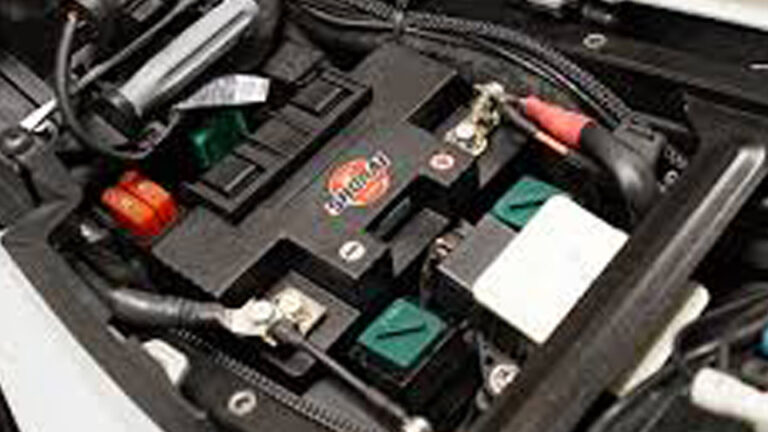
Image by evapo.co.uk
Understanding Battery Types and Their Charging Needs
Before jumping into methods, know what you’re working with. Mismatching chemistry or voltage is one of the most common mistakes I see.
Lead-Acid (Flooded): Traditional, affordable, and forgiving for starter batteries in cars. They tolerate some abuse but need regular maintenance like checking electrolyte levels. Nominal 12V systems charge best around 14.4-14.7V absorption, with float around 13.2-13.8V.
AGM (Absorbed Glass Mat): Sealed, vibration-resistant, great for motorcycles, RVs, and deep-cycle use. Less maintenance, higher discharge tolerance. Similar voltages to flooded but more sensitive to overcharging—stick close to 14.4-14.7V absorption.
Gel: Another sealed type, excellent for solar and marine where deep discharges happen. More sensitive to high voltages; use lower absorption (around 14.1-14.4V) to avoid gassing and damage.
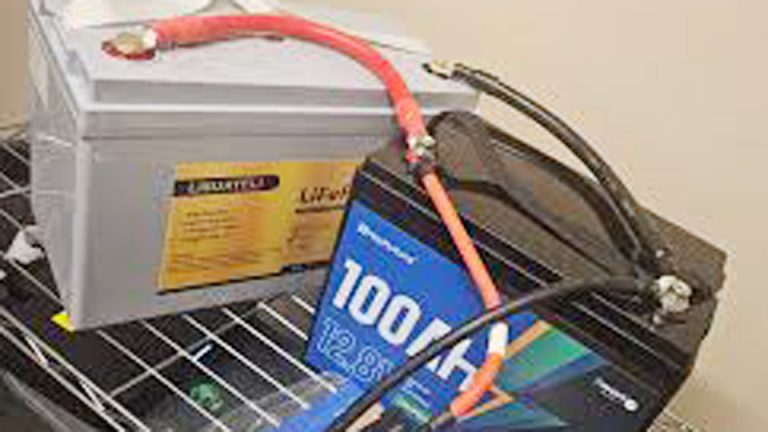
Lithium-Ion and LiFePO4: Lightweight, high cycle life (often 2000+ cycles), dominant in modern EVs, solar storage, and power tools. LiFePO4 is safer and more stable than standard Li-ion. They charge efficiently at 14.2-14.6V for 12V packs, with no float needed long-term—many BMS handle cutoff. Overvoltage is deadly here.
Key Specs to Check: Voltage (12V, 24V, etc.), capacity (Ah or Wh), and chemistry via label or multimeter test. A dead 12V battery might read below 10V—don’t assume it’s toast yet.
Pros and Cons Comparison:
- Lead-Acid/Flooded: Cheap upfront, heavy, shorter lifespan (300-500 cycles), needs watering. Good for occasional use.
- AGM: Spill-proof, faster recharge, better cold cranking. More expensive, still heavier than lithium.
- Gel: Deep discharge tolerant, low self-discharge. Slower charging, sensitive to overcharge.
- Lithium/LiFePO4: Light, 80-100% usable capacity, long life, efficient. Higher cost, requires compatible charging to avoid BMS shutdown.
In my experience, lithium pays off fast in solar or daily driver setups due to fewer replacements.
Why Charging Without a Dedicated Charger Matters
In real life, chargers get lost, break, or don’t match your modded setup. A solar user might need to top off during cloudy stretches. A mechanic might jump a modified race battery. Safety first: always work in ventilated areas, wear gloves and eye protection, and never leave unattended if improvising. Overcharging causes heat, swelling, or venting. Undercharging leads to sulfation in lead-acid or imbalance in lithium packs.
Common mistakes: Using a car alternator directly on lithium (too unregulated), ignoring polarity, or pushing high current into a small pack.
Safe Methods to Charge a Mod Battery Without Its Charger
1. Using Another Vehicle’s Alternator or Jump Starting with Care
For automotive or motorcycle batteries, the simplest is borrowing power from a running vehicle.
Steps:
- Park donor vehicle close, engines off initially.
- Connect positive (red) to positive terminals first, then negative (black) on the donor to a grounded chassis point on the dead vehicle (avoids sparks near battery).
- Start donor, let idle 5-10 minutes.
- Try starting the dead vehicle. Once running, drive 20-30 minutes to let the alternator recharge.
For modded packs: Ensure voltage compatibility. A 12V lead-acid can handle this; lithium needs a DC-DC charger or BMS protection in between for safety. I’ve used this on deep-cycle banks in trucks—works well but monitor voltage with a multimeter (aim for 13.5-14.5V while charging).
Tip: In solar setups, use your vehicle’s alternator with a proper isolator or DC-DC charger to top off house batteries without draining the starter.
2. USB or Low-Voltage Sources for Smaller/Removable Cells
Many mod batteries, especially 18650-style in portable or custom packs, can use USB in a pinch.
- Use a standard phone charger (5V, low amp <1A preferred) with proper adapter or direct wiring for bare cells.
- For lithium cells: Target 4.2V max per cell. Monitor closely—stop at 4.1-4.2V.
- Computer USB port or power bank: Slow but safe for partial top-ups.
Real-world: In power tool mods or vape-style removable cells (common in custom electronics), this gets you out of a jam, but external dedicated chargers are far better long-term to balance cells.
3. Solar Panel Direct or Improvised Charging
Perfect for off-grid or solar users. Small panels can charge without fancy controllers in limited scenarios.
- Match panel Voc to battery voltage (slightly higher than battery nominal).
- For lead-acid/AGM: Often okay short-term if current is low.
- Lithium: Riskier—use a simple diode to prevent reverse flow and monitor voltage. Better with a basic PWM controller if possible.
Practical example: A 50-100W panel on a 12V car battery during storage. I’ve kept motorcycles alive this way for months. Always add a regulator for unattended use to prevent overcharge.
When to use: Emergency solar top-off or maintenance charging. Why: Free energy, but watch for weather and matching.
4. DC Power Supply, Bench Charger, or Inverter Setup
If you have a variable DC supply (common in workshops):
- Set to appropriate constant voltage (CV) mode: 14.4V for many 12V lead-acids/AGM, lower for gel, ~14.6V for LiFePO4.
- Limit current to 0.1-0.5C (e.g., 10-50A for 100Ah battery).
- Monitor temperature and voltage.
For AC inverter: Run a smart charger off generator or household power if available.
I’ve rigged bench supplies for custom mod packs in EV conversions—precise but requires knowledge.
5. Battery-to-Battery or Parallel Charging
Connect a healthy similar battery in parallel (same voltage/chemistry). The good one shares charge. Use resistors or bulbs for current limiting on sensitive packs.
Useful for deep-cycle solar banks or when multiple vehicles are involved.
Step-by-Step Testing and Diagnostics
Always test first:
- Use a multimeter for voltage.
- Load test if possible (or observe cranking power).
- Check for sulfation (low specific gravity in flooded cells) or swelling.
Charging routine: Bulk (high current to ~80%), absorption (constant voltage), float/maintenance.
Battery Maintenance and Storage to Avoid Charging Issues
- Store at 50-80% charge, cool/dry place.
- For lead-acid: Monthly top-up charge.
- Lithium: Avoid full discharge; BMS helps.
- Clean terminals, check connections in mod setups.
Common error: Leaving on a trickle charger indefinitely without temp compensation.
Real-World Examples Across Applications
Cars/Motorcycles: Jump or alternator works daily. For modded audio systems with extra batteries, use isolators.
Solar/Off-Grid: DC-DC or generator backup when panels lag. LiFePO4 shines here for efficiency.
UPS and Power Tools: Removable cells benefit from external chargers; USB for quick fixes.
EV Enthusiasts: Custom packs need precise BMS monitoring—never improvise without it.
Safety Considerations and Troubleshooting
- Polarity reversal = instant damage.
- Heat buildup: Stop and cool.
- Lithium fire risk: Have extinguisher rated for it.
- Troubleshooting low charge: Check alternator output, parasitic drains, or bad cells.
If a pack won’t hold charge, it may need replacement—don’t force it.
Choosing the Right Approach for Your Setup
Match method to battery type, available tools, and urgency. For frequent use, invest in a smart multi-chemistry charger. Improvised methods are for emergencies.
After years wrenching on everything from classic cars to solar homesteads, the biggest lesson is prevention through understanding your specific battery. Test regularly, charge appropriately, and respect the chemistry. You’ll handle failures confidently, save money on replacements, and keep systems running longer.
Always use a voltage logger or multimeter with alarms during any non-standard charging. Catching a cell drifting early has saved more packs than I can count.
FAQ
How long does it take to charge a mod battery without a charger?
It varies—jump starting might get you going in 10-30 minutes of driving, while solar or USB could take hours to days for a full charge. Monitor voltage; don’t rush high currents into lithium packs.
Is it safe to charge lithium batteries like LiFePO4 without a proper charger?
Only in controlled, monitored ways with voltage limits. Direct alternator or mismatched sources can damage the BMS or cause imbalance. Prefer compatible methods.
Can I use a phone charger for small mod batteries?
Yes, for low-power lithium cells in a pinch, but keep amps low and monitor. Not ideal for large capacity or long sessions.
What if my solar battery won’t charge from the panels?
Check connections, shading, controller function, or try a generator/DC charger backup. Voltage mismatch or sulfation in lead-acid are common culprits.
How do I know if my battery is ruined after failed charging attempts?
Voltage doesn’t rise under charge, excessive heat, swelling, or very low specific gravity. Test capacity or consult a pro—many can be recovered if caught early.