How to Charge a LiPo Battery for Airsoft Safely & Extend Life
One minute my AEG was cycling like a champ with crisp trigger response; the next, it went dead silent because I’d pushed the pack too hard without understanding its limits. That experience taught me more about battery care than any manual ever could.
If you’re running airsoft guns, RC gear, or even dabbling in other high-drain applications, learning how to charge a LiPo battery for airsoft the right way can save you money, extend runtime, and—most importantly—prevent dangerous failures.
LiPo (Lithium Polymer) batteries have revolutionized airsoft by delivering high discharge rates, lightweight construction, and consistent voltage under load compared to older NiMH packs. But they demand respect.
Treat them wrong and you risk swelling, fire, or a drastically shortened lifespan. I’ll walk you through everything I’ve learned from years of hands-on use across airsoft, power tools, and even drawing parallels to automotive and solar setups.

Image by iamairsoft
Why LiPo Batteries Matter in Airsoft and Beyond
Airsoft players love LiPos for a reason. A 7.4V or 11.1V pack can transform a stock gun’s performance, giving faster rate of fire and snappier trigger response. Unlike NiMH batteries that sag under load, a good LiPo holds voltage steady until it’s nearly empty.
That same high energy density makes LiPos popular in drones, RC cars, and portable electronics. While car owners and solar users typically deal with lead-acid, AGM, gel, or LiFePO4 batteries, the core principles of safe charging and maintenance overlap more than you might think. Understanding LiPo care sharpens your overall battery intuition.
Understanding Battery Basics: From Airsoft LiPo to Everyday Applications
Before jumping into charging, let’s ground ourselves in the different battery types you’ll encounter.
Lead-Acid (Flooded): Traditional car batteries. Inexpensive but heavy, with lower cycle life. They tolerate overcharging better than lithium but suffer from sulfation if left discharged.
AGM (Absorbed Glass Mat): Sealed, maintenance-free, and vibration-resistant. Great for motorcycles, UPS systems, and some deep-cycle solar use. They handle moderate discharge better than flooded lead-acid.
Gel: Similar to AGM but with a gelled electrolyte. Excellent for deep-cycle applications but sensitive to high charging voltages.
Lithium-Ion Variants:
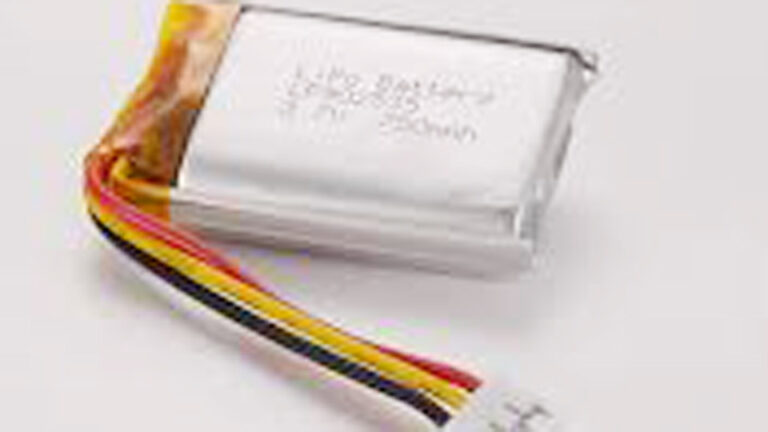
- LiPo: Pouch-style cells common in airsoft and RC. High C-rates (discharge capability) but picky about charging and storage.
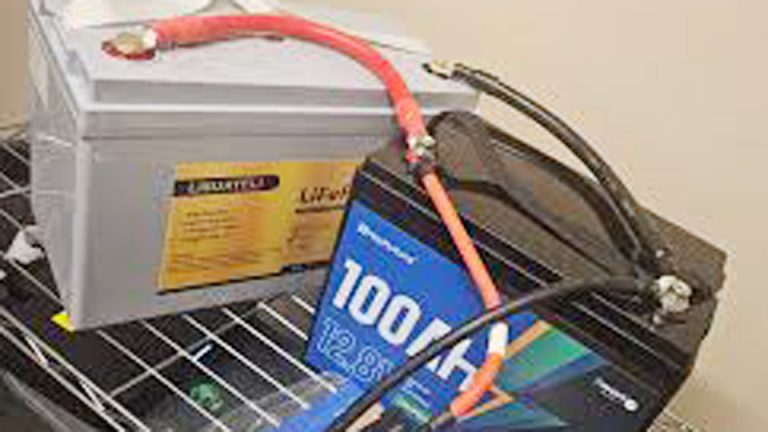
- LiFePO4 (LFP): Safer, longer-lasting chemistry used in solar banks and EV-like setups. More stable but usually lower peak power than LiPo.
Key Specs You Need to Know:
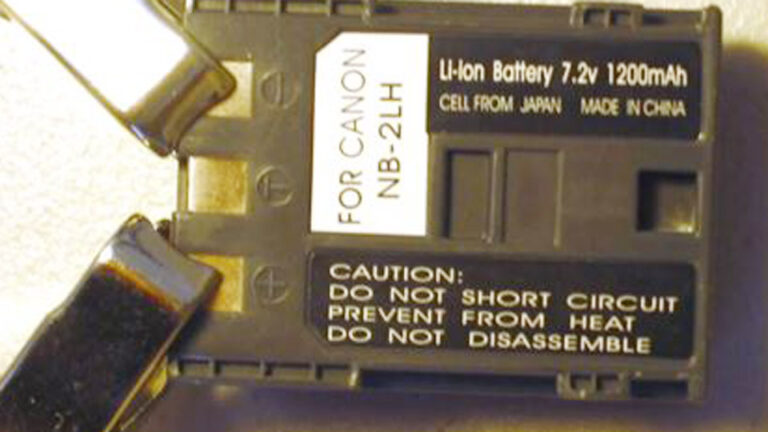
- Voltage: Measured in cells (S). A 2S LiPo is nominally 7.4V (3.7V per cell). Fully charged: 4.2V per cell.
- Capacity: mAh or Ah. A 1300mAh pack delivers 1.3 amps for one hour theoretically.
- C-Rating: Indicates safe continuous discharge (e.g., 20C on a 1300mAh pack = 26A continuous).
In airsoft, most players run 7.4V (2S) or 11.1V (3S) LiPos. Higher voltage boosts performance but only if your gearbox and motor can handle it without overheating internals.
How LiPo Batteries Work and Why Charging Is Critical
LiPo cells use a polymer electrolyte between lithium cobalt oxide or similar cathodes and graphite anodes. During discharge, lithium ions move from anode to cathode, releasing energy. Charging reverses this.
The catch? LiPos have a narrow safe voltage window. Over 4.2V per cell risks plating and thermal runaway. Below ~3.0-3.2V per cell causes irreversible damage. This is why dedicated balance chargers are non-negotiable—they monitor each cell individually.
In contrast, lead-acid batteries are more forgiving but less efficient. AGM and gel need specific absorption and float stages. LiFePO4 for solar is even more tolerant but still benefits from proper charge controllers.
Step-by-Step: How to Charge a LiPo Battery for Airsoft
Here’s the exact process I follow every time.
- Inspect the Battery First
Look for swelling, punctures, or weird smells. If it’s puffy, do not charge it—dispose of it safely. Let hot batteries cool completely after use. - Choose the Right Charger
Use a balance charger designed for LiPo. Cheap smart chargers with balance ports are widely available. Never use a NiMH or car trickle charger. - Set the Parameters
- Select LiPo mode.
- Set cell count (2S, 3S, etc.).
- Charge current: Stick to 1C or less for longevity (e.g., 1.3A for a 1300mAh battery). Faster rates are possible but generate more heat.
- Connect Properly
Plug the balance connector (the multi-pin one) first, then the main discharge connector (Deans, XT60, etc.). The charger should read correct voltages per cell. - Charge in a Safe Location
On a non-flammable surface (concrete, stone), ideally inside a LiPo charging bag. Never unattended. Keep a fire extinguisher nearby. Charge at room temperature (ideally 32°F to 120°F / 0°C to 49°C). - Monitor and Finish
Good chargers auto-terminate at 4.2V per cell. Once done, disconnect and store properly.
Real-World Tip: At a full-day event, I bring multiple packs and rotate them rather than field-charging if possible. Quick top-ups are okay but avoid pushing limits.
Storage Best Practices: Don’t Let Your Packs Die Slowly
One of the biggest killers of LiPos is improper storage. Never store fully charged or fully discharged for long periods.
- Storage Voltage: Aim for 3.8V per cell (about 50-60% charge). Most good chargers have a “storage” mode.
- Environment: Cool, dry place (around 50-70°F). Avoid cars in summer heat or damp basements.
- Long-Term: Check voltage every few months and top up to storage if needed.
I’ve seen packs ruined after sitting fully charged in a hot garage all winter. The same principle applies to car batteries—keeping them topped up prevents sulfation.
Common Charging Mistakes (And How I Learned Them the Hard Way)
- Using the Wrong Charger or Settings: Plugging into a non-balance charger or wrong cell count leads to imbalance and potential fire.
- Over-Discharging in the Field: Running a pack until the gun stops completely damages cells. Use a low-voltage alarm or cutoff.
- Charging While Hot or Damaged: Heat + charging is a recipe for disaster.
- Ignoring Cell Imbalance: Over time, cells drift. Balance charging fixes this.
- Storing in the Gun: Bad idea—constant minor drain or temperature swings.
Professionals in automotive and solar worlds make similar errors: charging lead-acid too aggressively or letting LiFePO4 sit outside temperature ranges.
Comparing Battery Types: Choosing What Fits Your Needs
Here’s a practical comparison:
LiPo (Airsoft/RC):
- Pros: High power density, lightweight, excellent discharge.
- Cons: Safety risks, shorter calendar life if mishandled, needs precise charging.
NiMH (Older Airsoft):
- Pros: Safer, cheaper upfront, more forgiving.
- Cons: Heavier, voltage sag, memory effect potential.
Lead-Acid/AGM (Cars, Solar, UPS):
- Pros: Inexpensive, robust for starting or float use.
- Cons: Heavy, lower usable capacity (50% DoD recommended), shorter cycle life.
LiFePO4 (Solar/Deep Cycle):
- Pros: 10x cycles, 80-100% usable capacity, very safe.
- Cons: Higher upfront cost, lower peak C-rates than LiPo.
For a weekend warrior airsoft player, a couple of quality 7.4V LiPos will outperform NiMH. For solar off-grid, LiFePO4 is usually the smarter long-term investment.
Maintenance Routines for Longer Battery Life
- After use: Discharge to storage voltage or charge immediately if needed.
- Clean contacts regularly.
- Test internal resistance periodically with a good charger (rising IR means aging).
- For vehicles: Use smart maintainers for lead-acid.
- In solar: Proper charge controller settings prevent overcharge.
A simple routine—inspect, balance charge, store correctly—can double your effective lifespan.
Troubleshooting Charging Issues
- Charger won’t start: Check connections, cell count, voltage too low/high.
- Uneven cell voltages: Balance charge multiple times.
- Swelling: Immediate retirement.
- Reduced runtime: Check for high IR or damaged cells.
In cars, similar symptoms point to alternator or parasitic drain issues.
Safety First: Real Risks and Prevention
LiPo fires are rare when handled correctly but dramatic when they happen. Always charge unattended is the #1 rule I break only in emergencies with extreme caution. Use fireproof bags, keep distance from flammables, and have a plan.
For other batteries, risks differ—hydrogen gas from lead-acid charging, for example—but the principle of paying attention remains.
Real-World Usage Examples
- Airsoft: 11.1V in upgraded builds for high ROF; 7.4V for reliability in stock guns.
- Motorcycles/Power Tools: AGM or lithium replacements for lighter weight and better cranking.
- Solar/Backup: LiFePO4 banks paired with MPPT controllers for daily cycling.
- Cars: Smart chargers for AGM batteries in modern vehicles with start-stop.
I’ve used these lessons across hobbies and practical needs. A well-maintained battery fleet means fewer headaches.
Practical Recommendations Summary:
- Charge at 0.5C-1C for daily use.
- Storage at 3.7-3.8V/cell.
- Match voltage and chemistry to application.
- Invest in quality chargers and monitors.
Taking Care of Your Batteries Like a Pro
After years of wrenching on cars, setting up solar, and running airsoft rigs, I can tell you that batteries reward attention.
Understanding how to charge a LiPo battery for airsoft builds habits that transfer to every other system you own. You’ll waste less money on replacements, get consistent performance, and stay safer.
The one pro-level tip I always share: Treat every pack with a quick visual and voltage check before and after use. It takes 30 seconds and catches 90% of problems early. Your future self—and your wallet—will thank you.
FAQ
How long does it take to charge a LiPo airsoft battery?
It depends on capacity and charge rate. At 1C, a 1300mAh pack takes roughly 1-1.5 hours from low to full. Slower rates are gentler but take longer. Always let the charger finish automatically.
Can I use a regular charger for LiPo batteries?
No. You need a dedicated LiPo balance charger. Regular chargers lack cell balancing and proper voltage control, risking damage or fire.
What voltage should I store my LiPo at?
Around 3.8V per cell. Most chargers have a storage function that makes this easy.
Is 11.1V better than 7.4V for airsoft?
It depends on your gun. 11.1V gives more power but can stress stock internals. Check your replica’s recommendations and upgrade internals if needed.
How do I know when my LiPo is bad?
Swelling, significantly reduced runtime, high internal resistance, or failure to hold charge are key signs. Retire it safely rather than risk failure.