Why Can’t Alkaline Batteries Be Recharged? Safety Facts
You’ve probably found yourself staring at a TV remote, flashlight, or wireless mouse that suddenly stopped working and wondered if there was a way to squeeze a little more life out of the batteries.
I’ve lost count of how many times someone has asked me whether it’s safe to put dead alkaline batteries on a charger instead of buying new ones. That question naturally leads to another: Why Can’t Alkaline Batteries Be Recharged?
At first glance, it seems like a waste. Rechargeable batteries can be used hundreds of times, so why shouldn’t standard alkaline batteries work the same way? The answer comes down to how these batteries are built and what happens inside them as they discharge.
I’ve seen people try to recharge alkaline batteries to save money, only to end up with leaking cells, damaged chargers, or batteries that barely held any power afterward.
Understanding why alkaline batteries aren’t designed for recharging is important for both safety and cost. Using the wrong charging method can create risks such as overheating, leakage, and device damage.
Knowing the difference between disposable and rechargeable batteries can also help you choose the right power source for your gadgets and avoid unnecessary expenses.
I’ll explain what happens inside an alkaline battery during use, why recharging doesn’t work the way many people expect, and what alternatives make more sense if you’re looking to save money and reduce battery waste.
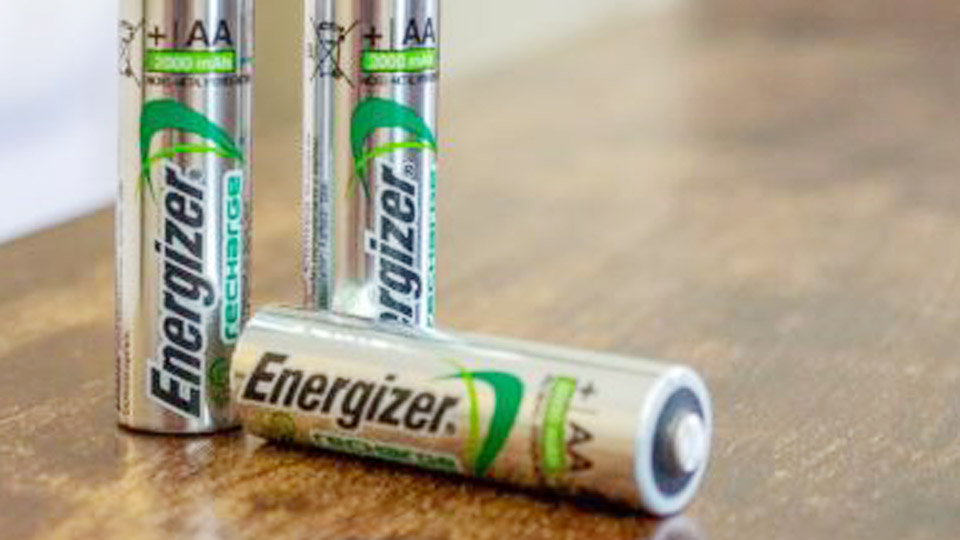
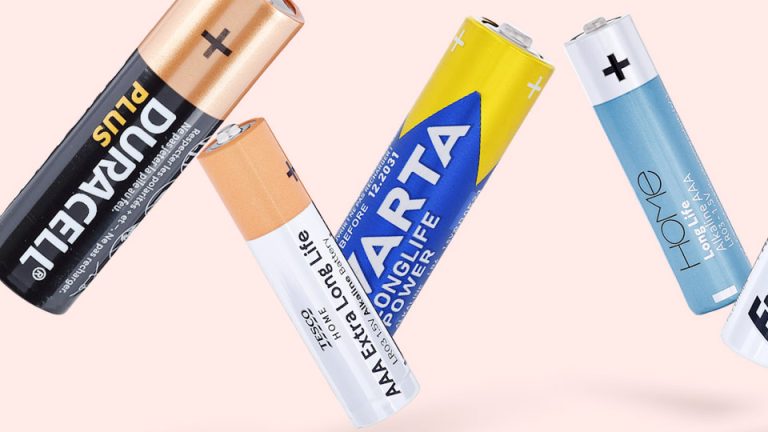
Image by howtogeek
The Chemistry Behind Why Alkaline Batteries Don’t Recharge Well
Alkaline batteries use zinc as the anode (negative electrode) and manganese dioxide as the cathode (positive), with a potassium hydroxide electrolyte. When they discharge, the zinc oxidizes and manganese dioxide reduces, producing electricity. The reaction involves water breaking down into ions, and hydrogen inserting into the manganese compound.
Up to about 40% discharge, some reversibility exists, but beyond that, the structure changes irreversibly. The manganese forms compounds like groutite that don’t easily revert to the original form.
Electrodes deform, parts break off, and you get internal shorts or lost capacity. Recharging also generates gas (hydrogen and oxygen) inside a sealed cell without proper venting or recombination catalysts, leading to pressure buildup, leaks, or rupture.
That’s the core reason standard alkaline batteries (Duracell, Energizer, etc.) carry the “do not recharge” warning. There are specialized rechargeable alkaline batteries with additives like barium sulfate and catalysts to manage gas and improve cycling, but even those have limited cycles and aren’t the same as true rechargeables.
In my experience, people who try slow-trickle charging partially used alkalines might squeeze out a few extra uses, but capacity drops fast—often to 50% or less after 10-20 cycles—and the risk of leakage ruining devices skyrockets.
Alkaline Batteries in Everyday Use: Where They Shine and Where They Fail
Alkaline batteries excel in low-drain, long-shelf-life applications. Think smoke detectors, clocks, flashlights that sit unused for months, or remotes. They start at a solid 1.5V and hold voltage well initially, with excellent energy density for single-use scenarios.
But in high-drain devices like digital cameras, toys, or wireless mice, they drain quickly and voltage drops off sharply toward the end. For car key fobs or occasional garage door openers, they’re fine. In power-hungry tools or solar backups, they’re a poor choice because you can’t recharge them efficiently.
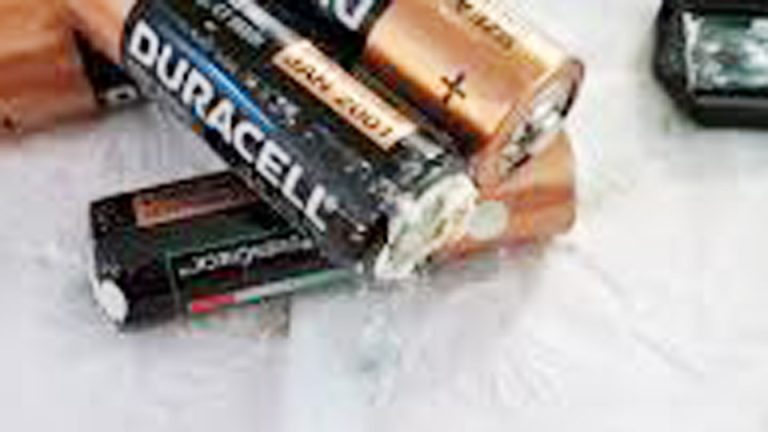
I’ve seen alkalines leak potassium hydroxide after sitting discharged, corroding contacts in everything from kids’ toys to multimeters. Proper disposal matters too—they contain materials that shouldn’t just go in regular trash.
Comparing Battery Types: Alkaline, Lead-Acid, AGM, Gel, and Lithium
Choosing the right battery starts with matching chemistry to the task. Here’s a practical breakdown based on years of swapping batteries in cars, motorcycles, solar systems, UPS units, and tools.
Key Characteristics at a Glance
Voltage and Capacity Basics
Most household alkalines are 1.5V nominal. Car and deep-cycle systems run at 12V (or multiples). Capacity is measured in amp-hours (Ah) for larger batteries or watt-hours (Wh) for energy comparison. A typical AA alkaline might give 2000-3000 mAh, but voltage sag limits usable energy.
Lead-Acid (Flooded)
Traditional wet-cell batteries with liquid sulfuric acid electrolyte. Affordable and reliable for starting cars.
Pros: Cheap, widely available, good cold cranking amps (CCA).
Cons: Require maintenance (checking water levels), can spill, heavier, shorter cycle life (especially if deeply discharged). Sulfation kills them if left discharged.
Real-world: Great for basic starter batteries in older vehicles, but not ideal for solar deep cycling.
AGM (Absorbent Glass Mat)
Sealed lead-acid variant where electrolyte is absorbed in fiberglass mats.
Pros: Maintenance-free, spill-proof, vibration resistant, faster recharge, better deep-cycle performance than flooded, can mount in various positions. Lower self-discharge.
Cons: More expensive than flooded, sensitive to overcharging.
Real-world: Excellent for motorcycles, modern cars with start-stop, or RV house batteries. Handles engine compartments with heat and vibration better.
Gel Batteries
Another sealed lead-acid with silica-thickened electrolyte.
Pros: Very resistant to vibration and deep discharge, low self-discharge, no stratification.
Cons: Slower charge acceptance, more expensive, sensitive to high charge voltages, heavier than lithium.
Real-world: Good for solar or marine where slow, steady discharge happens, but lithium often wins now for efficiency.
Lithium-Ion (Especially LiFePO4)
Modern favorite for high-performance needs.
Pros: Lightweight, high energy density, 2000+ cycles, fast charging, flat voltage curve (consistent power), excellent efficiency (90%+ round-trip), no maintenance, tolerant to partial states of charge.
Cons: Higher upfront cost, needs proper BMS (battery management system) for safety, performance drops in extreme cold without heating.
Real-world: Transforming EV, solar off-grid, and power tool packs. In a solar setup, a LiFePO4 bank holds more usable capacity and recharges faster from panels.
Alkaline vs. Rechargeables (NiMH, etc.)
Alkalines: Single-use or limited re-use, higher initial voltage, good shelf life.
Rechargeables: Hundreds to thousands of cycles, lower nominal voltage (1.2V for NiMH), better for frequent use but self-discharge faster when stored.
Practical Comparison Table (Approximate for Similar Applications)
- Cost per Cycle: Alkaline highest long-term; Lithium lowest.
- Lifespan: Alkaline 1 use; Flooded Lead-Acid 200-400 cycles; AGM 400-800; Gel similar; LiFePO4 2000-5000+.
- Weight/Energy: Lithium wins big.
- Safety: All have risks, but sealed types (AGM, Gel, Lithium with BMS) reduce leaks. Alkalines can leak corrosive electrolyte.
- Temperature Tolerance: Lead-acid types handle cold better for cranking; Lithium needs management.
In cars, I recommend AGM or lithium for reliability. For solar deep-cycle, LiFePO4 pays for itself quickly through efficiency and longevity.
Charging Systems: Matching the Method to the Battery
Wrong charging is one of the biggest killers of batteries, regardless of type.
Alkaline: Don’t. If experimenting with partial-discharge slow charging, use very low current (under 0.1C) and stop early. But expect leaks and failure.
Lead-Acid/AGM/Gel: Use a multi-stage smart charger (bulk, absorption, float). For 12V systems, bulk around 14.4-14.8V, float 13.2-13.8V depending on type. Avoid constant high voltage. Temperature compensation is key in hot/cold garages.
Lithium (LiFePO4): Constant current/constant voltage (CC/CV). Typically 14.2-14.6V max for 12V packs. BMS handles cell balancing and protection. Don’t use lead-acid chargers without verifying compatibility.
Step-by-Step: Testing and Charging a 12V Battery
- Safety first: Gloves, eye protection, ventilated area.
- Inspect for damage, corrosion, leaks.
- Measure resting voltage with a multimeter (fully charged lead-acid ~12.6-12.8V; lithium ~13.2-13.6V).
- Use appropriate charger. Connect positive first, then negative.
- Monitor temperature and voltage. Disconnect when done.
- For storage: Keep at 50-80% charge, cool/dry place. Check every 1-3 months.
I’ve fixed many “dead” batteries just by proper charging and desulfation on lead-acid types.
Battery Maintenance Routines That Actually Work
Maintenance separates pros from weekend warriors.
For lead-acid: Check electrolyte levels monthly in flooded types, top with distilled water. Clean terminals with baking soda solution.
AGM/Gel: Mostly hands-off, but keep terminals clean and check voltage periodically.
Lithium: Minimal—monitor via BMS app if available. Avoid full discharges.
Storage errors kill batteries fast. Never store discharged. For vehicles sitting, use a maintainer/trickle charger. In solar systems, ensure charge controller prevents over-discharge.
Common mistakes I’ve seen:
- Leaving batteries in devices until completely dead.
- Mixing old and new batteries.
- Using automotive chargers on deep-cycle or vice versa.
- Ignoring temperature—heat accelerates degradation.
- Over-tightening terminals, cracking cases.
Safety Considerations: Risks and Prevention
Batteries store energy—treat them with respect. Overcharging causes gassing, heat, and potential explosion (especially alkalines or damaged cells). Short circuits spark fires. Lithium thermal runaway is rare with good BMS but catastrophic if it happens.
Practical tips:
- Never charge unattended overnight if possible.
- Use proper fuses and ventilation.
- Dispose/recycle responsibly—many auto parts stores take them free.
- For solar/UPS: Install smoke/CO detectors nearby.
- In power tools: Don’t force mismatched voltages.
Real failure scenario: A buddy overcharged an AGM in his truck camper during summer heat. It swelled and vented. Proper float voltage and temp monitoring would have prevented it.
Applications Across Real Life
Cars and Motorcycles: Starter batteries need high CCA. AGM or lithium for modern setups with electronics. Deep-cycle for winches or accessories.
Solar and Off-Grid: Deep-cycle is king. Lithium dominates new installs for weight and efficiency. Match panels, controller, and inverter properly.
UPS and Backup: Sealed batteries (AGM/Gel) for reliability during outages.
Power Tools and Electronics: NiMH or lithium packs for rechargeables; alkalines only for infrequent use.
Troubleshooting Common Issues
Low voltage? Test under load. Sulfated lead-acid? Desulfator or extended charging. Lithium not charging? Check BMS protection. Leaking alkaline? Clean immediately with vinegar or baking soda, dispose battery.
Voltage ranges matter: 12V lead-acid should not sit below 12.0V long-term. Alkaline devices often cut off around 1.0V per cell.
Practical Recommendations for Choosing and Using Batteries
Match capacity to load. Calculate Ah needs: daily consumption divided by days of autonomy, with depth-of-discharge limits (50% for lead-acid, 80-90% for lithium).
Buy quality—cheap no-name batteries fail fast. For cars, check CCA ratings. For solar, focus on cycle life and efficiency.
Compatibility: Don’t mix chemistries in series/parallel without care. Use battery isolators where needed.
Maintenance schedule: Visual inspection monthly, full charge quarterly for stored batteries.
Taking Charge of Your Battery Game
After years of diagnosing dead batteries in driveways and off-grid cabins, the biggest lesson is that knowledge beats guesswork. Understanding why alkaline batteries can’t be recharged reliably pushes you toward better options like AGM for reliability or lithium for performance and longevity.
You’ve seen the chemistry, comparisons, charging realities, and maintenance that actually extends life while avoiding the leaks, sulfation, and failures that waste money and create hazards.
You’re now equipped to test voltage accurately, pick the right type for your car, solar array, or tools, and charge without destroying them. The next time a battery dies unexpectedly, you’ll diagnose it fast and prevent the next one.
Invest in a good battery analyzer or smart charger with desulfation mode for lead-acid types. It catches issues early and can revive marginal batteries that most people would replace outright. Pair that with keeping a log of voltages and dates, and your batteries will outlast expectations every time.