How to Know If Batteries Are Alkaline: Quick Identification Test
Standing in a store aisle or sorting through a drawer full of loose batteries, it’s surprisingly easy to get confused about what type of battery you’re actually looking at.
I’ve met plenty of people who weren’t sure whether the batteries in their flashlight, remote control, or emergency kit were rechargeable, lithium, or alkaline. That’s why knowing how to know if batteries are alkaline is more useful than many people realize.
The difference matters because battery chemistry affects everything from performance and shelf life to device compatibility and replacement costs. Using the wrong battery type can lead to shorter runtime, unexpected failures, or wasted money on batteries that don’t suit your needs.
In my experience, many users rely solely on the brand name or packaging color, which can sometimes be misleading. Fortunately, there are several simple ways to identify alkaline batteries, whether they’re still in the package, installed in a device, or mixed in with other batteries at home.
I’ll show you the easiest methods to identify alkaline batteries, explain the key markings to look for, and help you avoid common mistakes that often lead to confusion. By the end, you’ll be able to tell battery types apart with confidence and choose the right one for the job.
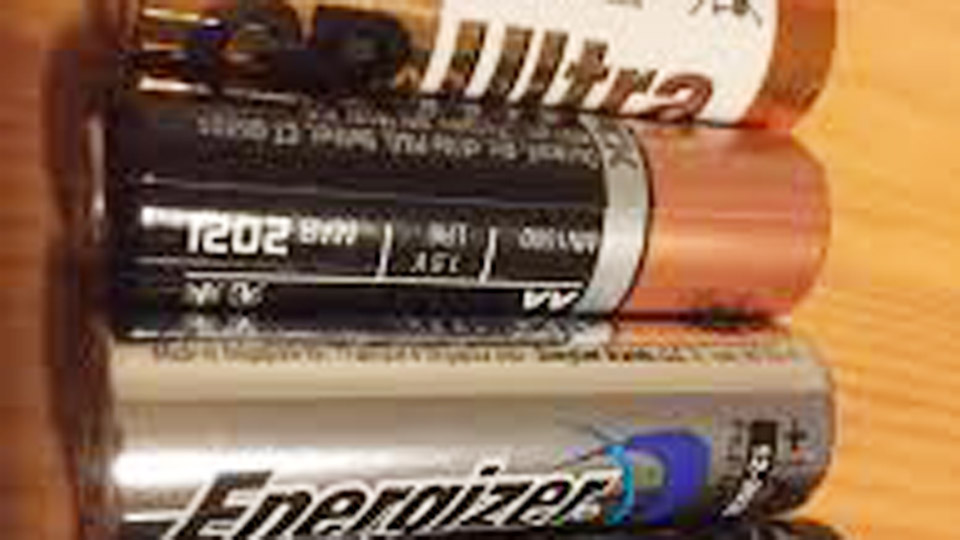
Image by alexhibbert
Why Battery Identification Matters in Real Life
Batteries fail when you need them most. I’ve seen flashlights go dark during a camping trip because cheap zinc-carbon cells were used instead of alkaline. In a car, a weak starting battery can leave you stuck. For solar or UPS systems, the wrong chemistry leads to rapid degradation or fire risks if lithium packs are mishandled.
Alkaline batteries are primary (non-rechargeable) cells with a potassium hydroxide electrolyte—hence the name “alkaline.” They deliver a steady 1.5V nominal and last longer than older zinc-carbon types in most applications. Knowing the difference helps you match the right battery to the job, avoid waste, and spot fakes or degraded stock.
Understanding Common Battery Types
Before diving into identification, let’s break down the main players I’ve worked with over the years.
Zinc-Carbon Batteries: These are the old-school, budget options. Acidic electrolyte (ammonium chloride or zinc chloride), lower capacity, prone to leaking as they age. Best for very low-drain devices like clocks or basic remotes. They won’t cut it in high-drain toys or flashlights.
Alkaline Batteries: The upgrade most people use. Higher energy density, longer shelf life (often 5-10 years), and better performance under load. They use zinc and manganese dioxide with alkaline electrolyte. You’ll find them labeled clearly as “Alkaline” on quality brands. Nominal voltage 1.5V.
Lithium (Primary) Batteries: Not to be confused with rechargeable Li-ion. These are 1.5V or 3V options for high-drain or extreme temperature use, like cameras or medical devices. Longer life and lighter, but more expensive.
Rechargeable Batteries: NiMH, Li-ion, LiFePO4. These are secondary cells designed for cycling. NiMH are common 1.2V AA/AAA replacements. Lithium types dominate power tools, EVs, and solar storage.
For automotive, solar, and deep-cycle needs, we shift to lead-acid (flooded, AGM, gel) or lithium iron phosphate (LiFePO4). These are worlds apart from small alkaline cells.
How to Visually Identify Alkaline Batteries
The easiest way to know if batteries are alkaline starts with your eyes and the packaging.
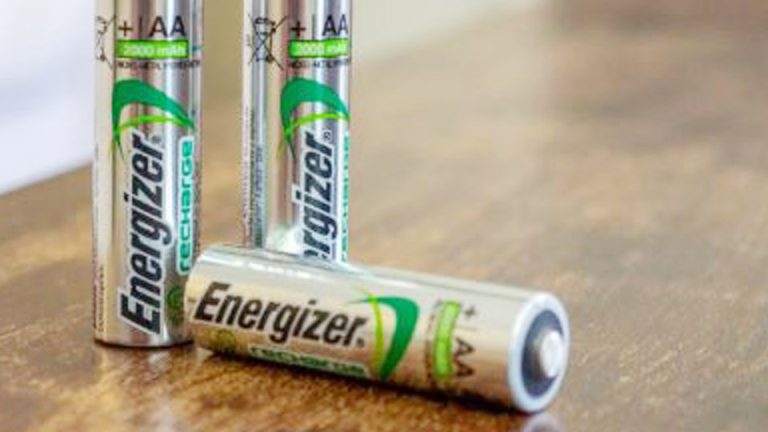
Check the Label: Quality alkaline batteries prominently say “Alkaline” or “Alkaline Battery.” Look for IEC code “LR” (e.g., LR6 for AA). Zinc-carbon might say “Heavy Duty” or “General Purpose” and often lack the alkaline mention. Lithium will say “Lithium” clearly.
Packaging and Branding: Fresh alkalines come in blister packs or boxes listing chemistry. Avoid no-name bulk packs without clear markings—I’ve seen these underperform or leak.
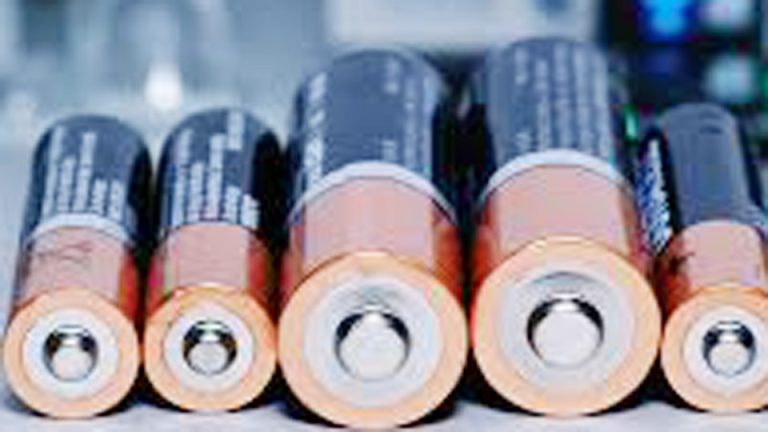
Physical Appearance: Alkaline AA/AAA are cylindrical with a flat negative end and raised positive. They feel solid. Some have a smooth steel casing. Lithium variants can look similar but are often marked differently and may have different weights.
Voltage Check: A fresh alkaline reads about 1.5-1.6V open circuit. Under load, it holds better than zinc-carbon. Use a multimeter or dedicated battery tester for confirmation.
In my experience, if it’s a standard household disposable in AA/AAA/C/D/9V and not labeled lithium or rechargeable, it’s almost certainly alkaline or zinc-carbon. The alkaline version will feel heavier and perform better.
Step-by-Step: Testing If a Battery Is Alkaline and Healthy
Here’s the practical garage method I use:
Visual Inspection: Look for “Alkaline” label, LR designation, expiration date (often printed on the battery).
Voltage Test: Set a multimeter to DC volts. Probe positive and negative. Fresh alkaline: ~1.5V+. Below 1.2V under no load is weak.
The Drop Test (Alkaline Specific): Hold an AA/AAA a couple inches above a hard surface, negative end down. Fresh/good alkaline thuds and stays put. Depleted ones bounce more due to internal changes (gas buildup or hardened materials). This doesn’t work well for lithium or rechargeables—don’t use it on them.
Load Test: Use a battery tester or multimeter with a resistor/load. Good alkaline maintains voltage better under draw.
Device Test: Pop it in a known high-drain device like a flashlight. If it powers brightly and lasts, it’s likely good alkaline.
I’ve tested hundreds this way. The drop test is a quick hack when you don’t have tools, but a proper tester gives real confidence.
Battery Chemistry Deep Dive: Alkaline vs. Others
Alkaline batteries use zinc anode, manganese dioxide cathode, and KOH electrolyte. The reaction produces steady power without the acidic corrosion of zinc-carbon.
Pros of Alkaline:
- Higher capacity and longer life than zinc-carbon.
- Leak-resistant compared to older types.
- Widely available and affordable for daily use.
- Good shelf life.
Cons:
- Single-use—eventual waste.
- Performance drops in extreme cold.
- Not ideal for very high-drain continuous use (lithium better here).
Zinc-carbon: Cheaper upfront but shorter life, more leakage risk. Lithium primary: Superior longevity and cold performance but costlier. Rechargeables: Better long-term value for frequent use but require charging infrastructure.
Comparison Table: Battery Types at a Glance
| Battery Type | Nominal Voltage | Best For | Lifespan (Shelf/Use) | Cost per Use | Leak Risk | Rechargeable? |
|---|---|---|---|---|---|---|
| Zinc-Carbon | 1.5V | Low-drain (clocks, remotes) | Short (~18 mo) | Low | High | No |
| Alkaline | 1.5V | General household, toys, flashlights | 5-10 years shelf | Moderate | Low | No |
| Lithium Primary | 1.5V / 3V | High-drain, cameras, extremes | Very long | High | Very Low | No |
| NiMH Rechargeable | 1.2V | Frequent use devices | 500+ cycles | Low long-term | Low | Yes |
| Lead-Acid (AGM) | 12V | Cars, solar, UPS | 3-7 years | Moderate | Low | Yes (limited) |
| LiFePO4 | 3.2V/cell | Solar, EV, deep cycle | 2000+ cycles | Higher upfront | Very Low | Yes |
This table comes from real-world testing across applications. For cars and motorcycles, stick to proper automotive lead-acid or lithium replacements—never small alkalines.
Alkaline Batteries in Everyday and Specialized Use
Household and Electronics: Remotes, toys, clocks, smoke detectors. Alkaline shines here for reliable, long runtime without recharging hassle.
Power Tools and Portables: For occasional use, alkaline works in low-demand tools, but dedicated NiMH or Li-ion packs are superior for pros.
Cars and Motorcycles: Starter batteries are lead-acid/AGM. Alkalines might power key fobs or small accessories.
Solar and Off-Grid: Deep-cycle lead-acid or LiFePO4 for storage. Small alkalines for controllers or lights, but not the main bank.
UPS and Backup: Sealed lead-acid or lithium. Mixing small alkalines is pointless and dangerous in high-power systems.
Charging, Maintenance, and Common Mistakes
Alkaline batteries are not rechargeable in standard use. Attempting to recharge them can cause leaks, overheating, or explosion. Use proper chargers only for NiMH or lithium.
Storage Tips:
- Cool, dry place (not fridge—condensation hurts).
- Original packaging.
- Remove from devices if unused for long periods.
Common Mistakes I’ve Seen:
- Using expired or mixed old/new batteries—causes uneven discharge.
- Storing in hot garages or cars—accelerates degradation.
- Ignoring voltage drop: A multimeter reading without load can fool you.
- Putting alkalines in high-drain devices long-term when lithium or rechargeables are better.
- Improper disposal—alkalines are better for landfills than some types but still recycle where possible.
For lead-acid car batteries: Check electrolyte levels (flooded types), clean terminals, avoid deep discharges. AGM/gel are maintenance-free but sensitive to overcharging.
Lithium systems need BMS protection and proper chargers matching voltage/current.
Safety Considerations Across Battery Types
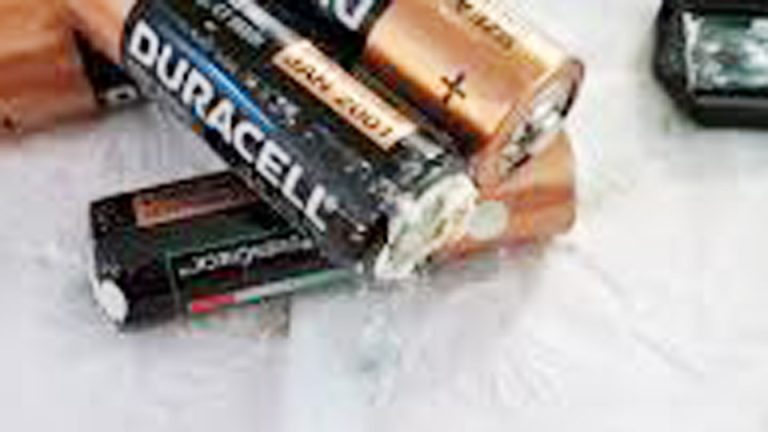
- Leakage: Alkaline less likely but can still happen with age. Clean corrosion with baking soda/vinegar mix.
- Overheating: Never short-circuit. Dispose of swollen or damaged batteries properly.
- Fire Risk: Lithium (especially damaged) can thermal runaway. Use approved chargers.
- Mixing Types: Avoid in series/parallel—different voltages and capacities cause issues.
- Disposal: Check local rules. Many places recycle alkalines and lead-acid.
I’ve responded to enough battery-related calls to emphasize: treat them with respect. A leaking battery in a device can ruin it permanently.
Practical Recommendations for Choosing and Using Batteries
Match chemistry to load and duty cycle. For most household needs, alkaline is the go-to. Invest in a good battery tester—worth every penny.
Voltage and Capacity Basics:
- Alkaline AA: ~1.5V, 2000-3000+ mAh depending on brand.
- Capacity in Ah/Wh matters more for larger systems. A car battery might be 50-100 Ah at 12V.
Charging Ranges:
- NiMH: Smart chargers with -deltaV detection.
- Lead-acid: 13.8-14.4V float, higher for bulk.
- LiFePO4: Specific CC/CV profiles.
Maintenance Routines:
- Test spares every 6 months.
- Rotate stock (first in, first out).
- For vehicles: Load test annually.
- Solar: Monitor specific gravity or voltage, equalize periodically for lead-acid.
Troubleshooting:
- Device won’t work? Test batteries individually.
- Rapid drain? Check for parasitic draws or wrong type.
- Corrosion? Clean and replace.
Real-World Scenarios from the Field
In a car: A weak AGM battery might show 12.4V resting but fail under cranking load. Test with a carbon pile or electronic load tester.
Solar setup: I’ve seen folks use car batteries initially—okay for starter but upgrade to deep-cycle or lithium for longevity. Alkalines have no place in the main array.
Power tools: Cordless drills thrive on lithium packs with proper care. Alkalines in the radio or lights are fine temporarily.
Everyday: Stock up on name-brand alkalines for emergencies. The drop test has saved me multiple times when sorting junk drawer batteries.
Key Takeaways for Confident Battery Management
You’ve now got the knowledge to quickly identify alkaline batteries, understand their strengths and limits compared to zinc-carbon, lithium, lead-acid, and LiFePO4, and apply best practices in real situations.
From preventing a dead remote during movie night to maintaining a reliable solar backup or car starting system, the details make all the difference.
The strongest pro tip I can share from years on the job: Always keep a dedicated battery tester in your toolbox or glovebox and use it religiously. It takes the guesswork out and pays for itself the first time it saves a set of good batteries from the trash or prevents a failure at the wrong moment.
FAQ
How can I tell alkaline batteries from lithium or rechargeable ones without a label?
Look at markings—lithium often says “Lithium” and may have different voltage (3V+ for some). Rechargeables usually note “Rechargeable” and are 1.2V for NiMH. Alkalines are typically 1.5V disposables in standard sizes. Weight and packaging help too.
Do alkaline batteries expire, and how do I check?
Yes, they have a shelf life of 5-10 years. Check printed expiration dates. Use the voltage or drop test for older stock. Expired ones lose capacity even if not used.
Can I recharge alkaline batteries?
Generally no. Special “rechargeable alkaline” exist but have limitations and aren’t standard. Regular ones can leak or rupture if forced. Stick to proper rechargeables for repeated use.
What’s the best way to test if alkaline batteries are still good?
Multimeter for voltage, dedicated tester for load, or the drop test for quick check. Combine methods for accuracy. Under-load performance tells the real story.
Are alkaline batteries safe for all devices?
They’re excellent for most but not ideal for extreme cold, ultra-high drain continuous use, or devices specifying other types. Always match to manufacturer recommendations to avoid damage or poor runtime.