Why Do Lithium Batteries Need a Special Charger?
Nothing is more frustrating than installing a brand-new lithium battery, expecting better performance, and then discovering it never seems to charge properly. I’ve seen this happen with everything from solar power systems and RV setups to trolling motors and backup batteries.
In many cases, the battery wasn’t the problem at all—it was the charger. That’s why one of the most common questions I hear is, Why Do Lithium Batteries Need a Special Charger?
The confusion is understandable. Battery specifications can already feel overwhelming with all the voltage ratings, amp-hour capacities, and compatibility claims. Many people assume that if a charger fits the battery terminals and delivers the correct voltage, it should work just fine.
Unfortunately, lithium batteries operate differently than traditional lead-acid, AGM, or gel batteries, and using the wrong charger can lead to poor performance, reduced lifespan, or even safety risks.
From my experience troubleshooting battery systems, improper charging is one of the fastest ways to waste the advantages that make lithium batteries so popular in the first place. Faster charging, longer service life, lighter weight, and consistent power output all depend on giving the battery the charging profile it was designed to receive.
I’ll explain what makes lithium batteries unique, how specialized chargers work, and why this small detail can make a huge difference in battery health and reliability. You’ll also learn how to avoid common charging mistakes and choose the right setup with confidence.
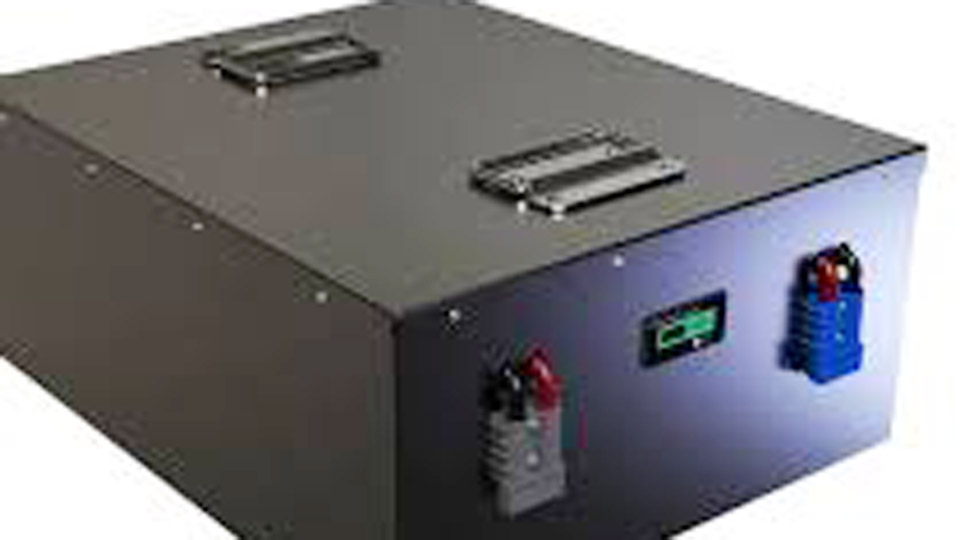
Image by smartpropel
Understanding Battery Chemistries: Lead-Acid vs. Lithium
To grasp why chargers differ, start with the batteries themselves.
Lead-Acid Batteries (Flooded, AGM, Gel)
These are the old reliables. A typical 12V lead-acid has six cells at about 2V each. They’re cheap upfront but heavy, and you only get about 50% usable capacity to avoid damage. Charging involves bulk, absorption, float, and sometimes equalization stages.
Voltages often go up to 14.4–14.8V for absorption, then float around 13.2–13.8V. They self-discharge faster and need maintenance (especially flooded types).
Lithium-Ion and LiFePO4
Lithium-ion (like in phones or EVs) and its safer cousin LiFePO4 (lithium iron phosphate, common in deep-cycle) use different cell voltages—around 3.2–3.65V per cell for LiFePO4. A 12V LiFePO4 pack has four cells. They offer 80–100% usable capacity, far higher efficiency (95%+), lighter weight, and 2,000–5,000+ cycles.
LiFePO4 is the go-to for automotive, solar, and off-grid because it’s stable, less prone to thermal runaway than other lithium chemistries, and handles high discharge rates well.
Pros and Cons Comparison
Here’s a practical table based on real-world experience:
- Lifespan/Cycles: Lead-Acid/AGM/Gel: 300–1,200 cycles (often at 50% DoD). LiFePO4: 3,000–10,000+ cycles (at 80–100% DoD). Lithium wins for longevity.
- Weight: Lithium is roughly 1/3 the weight—huge for RVs, boats, or power tools.
- Charging Speed: Lithium charges 3–4x faster. A lead-acid might take 6–12 hours; lithium often 2–4 hours to full.
- Efficiency: Lithium ~95–99%; lead-acid 50–80%. Less energy wasted as heat.
- Cost: Lead-acid cheaper initially ($100–300 for 100Ah). Lithium higher ($500–1,000+), but lower lifetime cost due to cycles and efficiency.
- Maintenance: Lead-acid needs checking electrolyte/water (flooded), cleaning terminals. Lithium: basically none.
- Temperature Tolerance: Lithium performs better in extremes but has BMS protections; avoid charging below 0°C (32°F) or above ~45–50°C without temp-compensated chargers.
- Safety: Lead-acid can off-gas hydrogen. Lithium risks are low with quality BMS but higher if abused.
In my experience, for daily drivers or solar, lithium pays for itself quickly. For occasional use like a backup car battery, a good AGM might still make sense.
Why Standard Chargers Fail with Lithium Batteries
Lead-acid chargers are designed for a chemistry that benefits from float charging to counter self-discharge. They often include desulfation pulses or higher voltage spikes that lithium batteries hate.
Key differences:
Voltage: LiFePO4 bulk/absorption is typically 14.2–14.6V. Many lead-acid chargers top out lower or go higher (15V+ in some modes), risking overcharge.
Stages: Lithium uses CC (constant current) until ~3.65V/cell, then CV (constant voltage) with tapering current. No float needed—prolonged float can confuse the BMS or cause slight overcharge stress.
Current: Lithium handles higher charge currents (0.5C to 1C), enabling fast charging. Lead-acid chargers may limit this.
Cell Balancing: Good lithium chargers support or allow time for BMS balancing. Some lead-acid modes interfere.
Termination: Lithium chargers stop or reduce significantly when full. Lead-acid may keep trickle charging, which lithium doesn’t need and can dislike.
I’ve seen a lithium bank in a solar setup connected to an old converter/charger that kept it in a weird partial state, leading to imbalance and capacity loss over months.
Another time, a buddy used a smart lead-acid charger on his RV lithium house battery—it charged to maybe 80–90% and the BMS kept shutting off.
Charging Lithium Batteries: Step-by-Step and Best Practices
Recommended Parameters for 12V LiFePO4:
- Bulk/Absorption: 14.2–14.6V
- Float: 13.5–13.8V (or disabled)
- Max Charge Current: Check specs, often 0.5C (50A for 100Ah battery) up to 1C for some.
- Temperature: 0–45°C (32–113°F) ideal for charging.
Step-by-Step Charging:
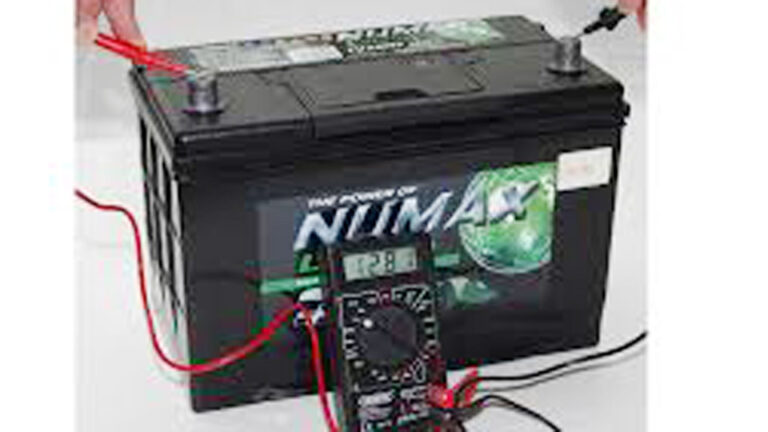
- Inspect and Prepare: Check for damage, ensure connections are clean and tight. Use a multimeter to verify resting voltage (around 13V+ is good for partial charge).
- Choose the Right Charger: Lithium-specific or one with LiFePO4 mode. Look for CC/CV algorithm, overvoltage protection, and balancing support.
- Connect Safely: Positive first or follow charger instructions. Many recommend connecting leads before plugging in.
- Monitor: Quality chargers show voltage/current. Stop if it gets hot.
- Disconnect When Full: Lithium doesn’t like sitting at 100% forever in storage, but for daily use it’s fine. For long-term storage, charge to 50–70% and disconnect.
Practical Tips from the Garage:
- For solar: Pair with an MPPT controller set to lithium profile.
- In vehicles: Upgrade your alternator regulator or DC-DC charger if needed.
- Power tools: Use manufacturer chargers; generics can void warranties.
- Testing: Use a battery monitor (like a shunt-based one) for accurate SoC—voltage alone isn’t reliable on lithium like it is on lead-acid.
Common Charging Mistakes and How to Avoid Them
Beginners and pros alike slip up:
- Using Lead-Acid Charger Long-Term: It might “work” short-term but undercharges or stresses the battery.
- Ignoring Temperature: Charging in freezing conditions can cause plating and damage.
- Over-Discharging: Keep above 10–20% SoC. Deep discharges trigger BMS protection.
- Mixing Batteries: Never parallel different chemistries or ages without care.
- Leaving on Wrong Float: Can slowly degrade capacity.
- Cheap Chargers: Skimp here and risk fire or failure.
I once diagnosed an RV where the owner left a lead-acid maintainer on lithium—battery voltage stayed high, but cells unbalanced over winter. Prevention: Match the charger to the chemistry.
Real-World Applications and Charger Choices
Automotive and Motorcycles: Lithium cranks engines hard with less weight. Use a lithium-compatible smart charger or DC-DC for alternator charging.
Solar and Off-Grid: Game-changer. Faster charging from variable solar input, more usable capacity. Set controllers properly—many modern ones have lithium presets.
UPS and Backup: Lithium provides instant power, longer runtime, less weight. Ideal for critical systems.
Power Tools and Electronics: Tool batteries are often lithium-ion (higher voltage per cell). Always use OEM or approved chargers to avoid voids and risks.
In each case, the special charger ensures the BMS works harmoniously, maximizing life.
Battery Maintenance, Storage, and Troubleshooting
Maintenance for lithium is minimal: Keep terminals clean, avoid extremes, check BMS indicators occasionally.
Storage: 50% charge, cool/dry place. Check every 3–6 months.
Troubleshooting:
- Not charging: Check connections, BMS reset (sometimes disconnect/reconnect), voltage.
- Overheating: Wrong charger or high ambient—stop immediately.
- Reduced capacity: Possible imbalance—use a balancing charger or top-balance manually if DIY pack.
- BMS shutdown: Often over/under voltage—let it rest and recharge properly.
Safety First: Quality batteries have robust BMS for overcharge, short-circuit, temp protection. Still, use fuses, proper wiring, and never puncture or modify.
Choosing the Right Setup for Your Needs
Match battery and charger to use case. For a weekend warrior RV, a good 100–200Ah LiFePO4 with dedicated charger transforms boondocking. For daily solar homeowner, scale up with proper inverter/charger integration.
Consider total cost of ownership—lithium often wins despite higher sticker price.
A strong pro tip from years on the bench: Invest in a quality battery monitor and a charger with Bluetooth/app support. Real-time data on voltage, current, SoC, and temp lets you catch issues early and optimize charging. It’s the difference between guessing and knowing.
Wrapping Up
Switching to lithium with the right charger has been one of the best upgrades for many setups I’ve worked on. You’ll get more reliable power, less weight, faster recharges, and fewer replacements.
Understand your battery’s needs, match the charger, monitor occasionally, and you’ll enjoy years of dependable service. Take it from someone who’s fixed plenty of avoidable battery problems: the right charger isn’t optional—it’s how you make lithium shine.
FAQ
Can I use a lead-acid charger on a lithium battery temporarily?
Yes, in a pinch it might charge partially, but it’s not recommended long-term. You’ll likely not reach full capacity, and features like desulfation or float can damage the battery or trigger the BMS. Get a proper lithium charger for daily use.
What voltage should I charge a 12V LiFePO4 battery to?
Aim for 14.2–14.6V absorption. Avoid exceeding manufacturer specs—typically 14.6V max for most. Higher risks cell damage.
Do lithium batteries need float charging?
No. Unlike lead-acid, they have low self-discharge. Prolonged float can stress them. Many lithium chargers turn off or use a very low maintenance voltage.
How long do litteries safe for home solar or car use?
Yes, with quality BMS and proper charging. They’re safer than many fear when handled correctly—far less gassing than lead-acid. Follow guidelines and buy reputable brands.