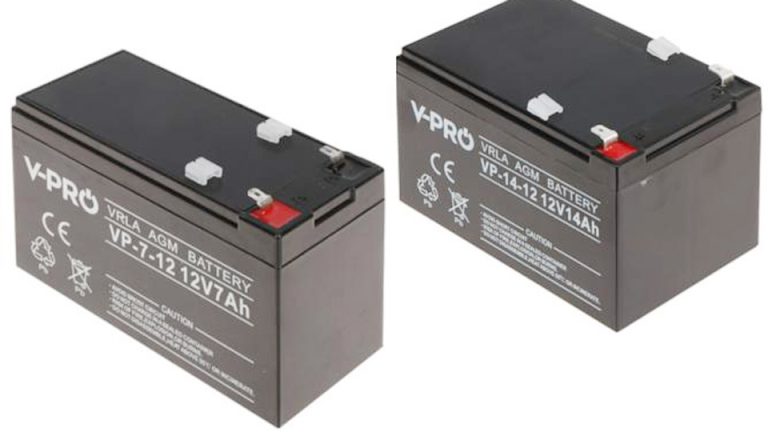
How to Remove Battery Acid Corrosion from Metal
You open a battery compartment, disconnect a car battery, or inspect an old piece of equipment and notice a layer of white, blue, or green crust covering the metal parts. At first glance, it may not seem like a big deal, but battery corrosion can quickly interfere with electrical connections and cause devices or vehicles to stop working properly.
That’s why knowing how to remove battery acid corrosion from metal is an important skill for anyone who works with batteries.
I’ve seen corrosion damage everything from flashlight contacts and power tools to battery terminals in cars and backup power systems. In many cases, the battery itself was still usable, but the corroded metal prevented power from flowing where it needed to go. Left untreated, that corrosion can continue spreading and permanently damage the affected components.
The challenge is that many people either use the wrong cleaning products or scrub too aggressively, which can do more harm than the corrosion itself.
A proper cleaning method not only restores electrical performance but also helps extend the life of the metal contacts and surrounding equipment.
I’ll show you the techniques I use to safely remove battery acid corrosion from metal, the tools that work best, and the common mistakes that can turn a simple cleanup into an expensive repair. By the end, you’ll know exactly how to deal with corrosion before it causes bigger problems.
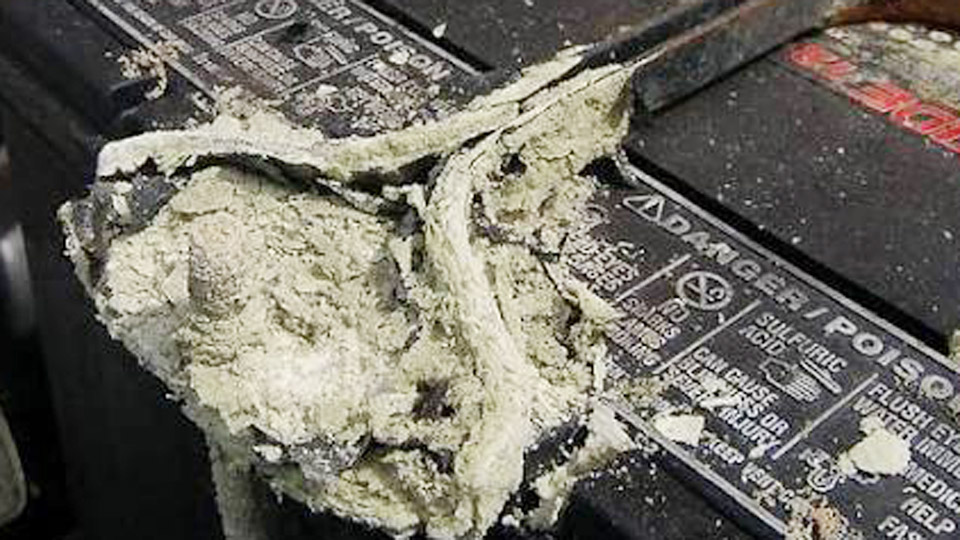
Image by advanceautoparts
Understanding Battery Acid Corrosion: What It Is and Why It Happens
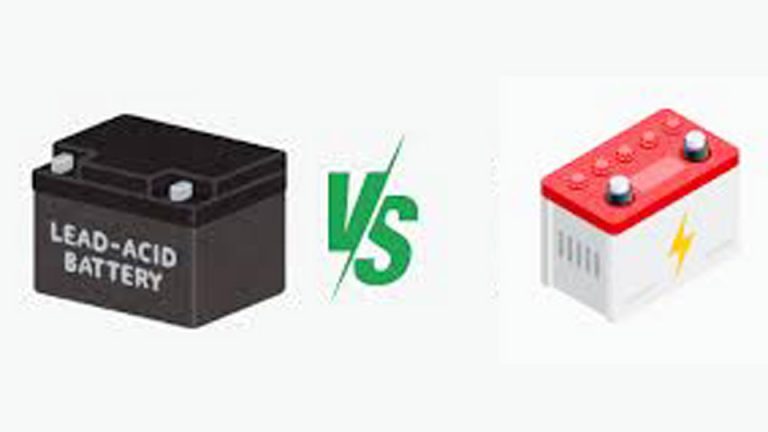
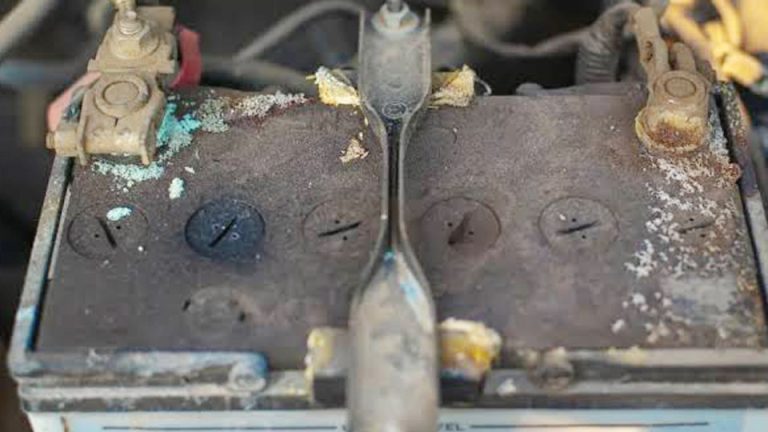
Battery acid corrosion forms when sulfuric acid from lead-acid batteries (the most common type in cars and many solar setups) leaks, vents, or off-gases. Hydrogen gas mixes with moisture and atmospheric contaminants, creating conductive, acidic deposits that attack metal surfaces like terminals, cables, trays, and brackets.
You’ll typically see:
- White or bluish-green crystalline powder (lead sulfate and other compounds).
- Pitting or etching on metal parts.
- Reduced conductivity leading to hard starts, dim lights, or solar charge controller errors.
Why it matters in real life: Corrosion increases resistance, which makes your alternator or charger work harder. This leads to overheating, undercharging, or overcharging cycles that kill batteries faster. In solar systems, it can cause imbalance between batteries in a bank. Safety-wise, acid residues can burn skin and damage paint or wiring insulation.
Corrosion happens faster with:
- Overcharging (especially flooded lead-acid batteries).
- Loose or poorly sealed terminals.
- High temperatures.
- Old or damaged batteries.
- Infrequent cleaning.
AGM and gel batteries are sealed and produce less corrosion, while lithium-ion (LiFePO4) batteries don’t use liquid acid at all, making them nearly corrosion-free in this regard.
Safety First: Protecting Yourself and Your Equipment
Before touching anything, put on nitrile gloves, safety goggles, and old clothes. Work in a well-ventilated area. Have baking soda, water, a wire brush, rags, and a neutralizing solution ready. Disconnect the battery negative terminal first, then positive, to avoid sparks.
Never use bare hands or inhale dust. If acid contacts skin, flush immediately with water and neutralize with baking soda. Dispose of cleaning rags properly — they’re hazardous waste in many areas.
Step-by-Step: How to Remove Battery Acid Corrosion from Metal
Here’s the practical method I use every time, whether on a car battery post or solar rack hardware.
1. Remove the Battery and Disconnect Cables
Take the battery out if possible for better access. Clean cables and terminals separately. Label or photograph connections if it’s a complex solar bank.
2. Brush Off Loose Debris
Use a stiff nylon or wire brush (dedicated battery brush is ideal) to knock off loose powder. Wear a mask — don’t blow it with your mouth. Compressed air works for tight spots but direct it away from you.
3. Neutralize the Acid
Mix a paste or solution of baking soda and water (about 1 tablespoon baking soda per cup of water). Apply it generously to corroded areas. It will fizz as it neutralizes the acid. Let it sit for a few minutes, then scrub.
For stubborn spots, use an old toothbrush or small wire brush. On larger metal trays or brackets, I sometimes pour the solution slowly and let it work.
4. Rinse and Dry Thoroughly
Flush with clean water or distilled water. Avoid getting excess water inside the battery if it’s flooded lead-acid. Dry everything completely with rags or compressed air. Moisture is corrosion’s best friend.
5. Clean and Protect the Metal
Scrub terminals and posts until shiny. For heavily pitted metal, you may need sandpaper or a file to remove deep damage, but be careful not to remove too much material. Apply dielectric grease, petroleum jelly, or a commercial battery terminal protector spray to prevent future buildup.
6. Reassemble and Test
Reconnect positive first, then negative. Tighten securely but don’t overtighten. Test voltage and system operation.
This process usually takes 15–45 minutes depending on severity. I’ve revived many “dead” car batteries this way, only to find the real issue was corrosion causing high resistance.
Battery Types and How They Affect Corrosion Risk
Different batteries behave differently when it comes to corrosion.
Flooded Lead-Acid: Most prone to corrosion due to liquid electrolyte that can spill or vent gas. Common in older cars, motorcycles, and budget solar setups. They require regular maintenance, including checking water levels.
AGM (Absorbed Glass Mat): Sealed, with electrolyte absorbed in fiberglass. Much less corrosion risk, vibration-resistant, and good for deep cycling in RVs or solar. More expensive than flooded but lower maintenance.
Gel: Similar to AGM, uses gelled electrolyte. Sensitive to overcharging but low gassing.
Lithium-Ion / LiFePO4: No liquid acid, minimal off-gassing, extremely low corrosion risk. Excellent for solar and deep-cycle use with 2,000+ cycles possible. Higher upfront cost but longest lifespan and lightest weight.
Comparison Table (approximate values for typical 12V systems):
| Battery Type | Lifespan (Cycles) | Corrosion Risk | Maintenance | Cost | Best For |
|---|---|---|---|---|---|
| Flooded Lead-Acid | 200–500 | High | High | Low | Budget cars, occasional use |
| AGM | 500–1,000 | Low | Low | Medium | Vehicles, marine, solar |
| Gel | 500–800 | Low | Low | Medium | Deep cycle, sensitive apps |
| LiFePO4 | 2,000–5,000+ | Very Low | Very Low | High | Solar, off-grid, EVs |
Pros and cons go deeper in real use. Flooded batteries are cheap to replace but can ruin metal components if neglected. Lithium systems cost more initially but pay for themselves through reliability and no acid mess.
Charging Methods and Voltage Ranges to Prevent Corrosion
Wrong charging is a top cause of corrosion and premature failure.
For lead-acid (12V nominal):
- Bulk/absorption: 14.4–14.8V.
- Float: 13.2–13.8V.
- Never leave on a cheap trickle charger indefinitely.
Lithium typically charges to 14.2–14.6V with built-in BMS protection.
Use a smart charger matched to your battery type. In solar setups, proper charge controllers with temperature compensation are essential. Overcharging causes excessive gassing in lead-acid batteries, pushing acid vapors out and accelerating corrosion.
Real-World Usage Examples and Troubleshooting
Cars and Motorcycles: Corrosion often appears on the negative terminal first. Clean every 6 months or during oil changes. A corroded connection can mimic a bad alternator.
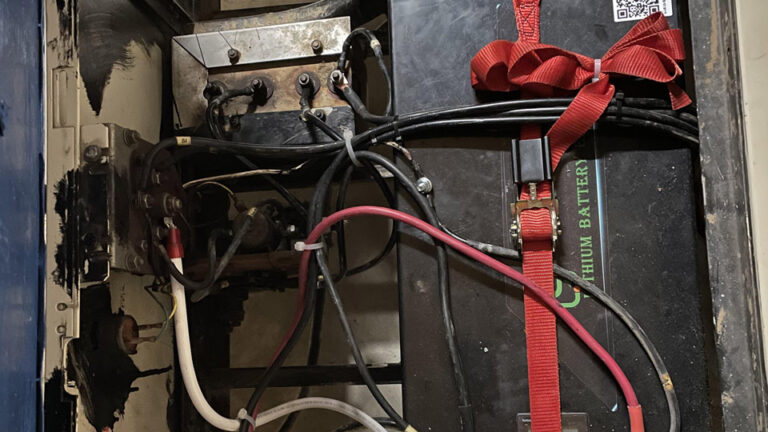
Solar and Off-Grid: In humid or dusty environments, check connections quarterly. I once saw a 48V bank where one corroded bus bar caused uneven charging and sulfation across the bank.
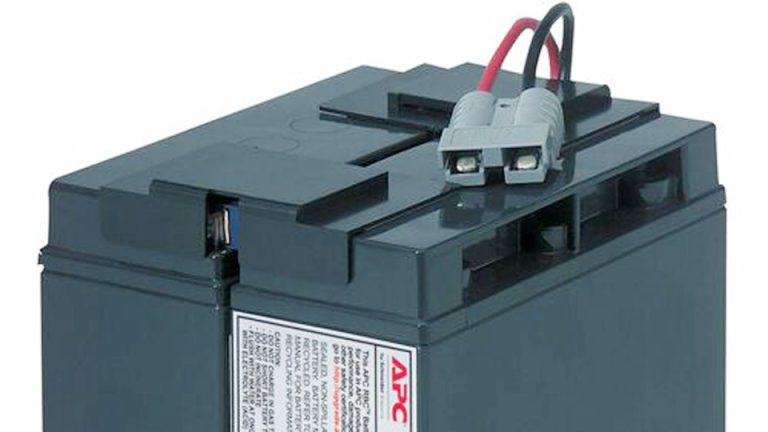
UPS and Power Tools: Smaller sealed batteries still leak occasionally. Clean promptly to save electronics.
Common Mistakes I See:
- Using household cleaners or cola (it doesn’t fully neutralize and leaves sugar residue).
- Skipping drying step — leads to flash rust.
- Ignoring undercharging, which allows sulfation that worsens conductivity issues.
- Storing batteries in extreme heat or on concrete (myth, but temperature swings matter).
- Mixing old and new batteries in a bank.
Battery Maintenance Routines That Actually Work
- Monthly: Visual inspection, voltage check (resting 12.6V+ for healthy 12V lead-acid).
- Quarterly: Clean terminals, check electrolyte in flooded batteries (use distilled water only).
- Annually: Full load test, equalize flooded batteries if recommended.
- Storage: Keep at 50–80% charge in cool, dry place. Recharge every 1–3 months for lead-acid.
Test battery health with a multimeter or load tester. A healthy battery holds voltage under load without dropping sharply.
Safety Considerations Across All Battery Work
Always work with ventilation. Lithium batteries have their own fire risks if punctured or over-discharged, but they don’t leak acid. Dispose of old batteries responsibly through recycling programs.
Practical Recommendations for Longevity
- Choose the right battery for your use case and climate.
- Invest in quality cables and terminals.
- Use anti-corrosion sprays or grease after cleaning.
- Monitor charging systems — a faulty regulator can destroy batteries fast.
- For solar, size your array and controller properly to avoid chronic under- or over-charging.
Taking Care of Your Batteries: Key Takeaways from the Shop Floor
After years of dealing with these systems, the biggest lesson is that prevention beats cure every time. Understanding your specific battery chemistry — whether flooded lead-acid in your truck, AGM in the boat, or LiFePO4 powering your off-grid cabin — lets you avoid the common pitfalls that lead to corrosion and failure.
You now know how to safely neutralize and remove acid damage from metal surfaces, why it forms in the first place, and how charging habits, storage, and maintenance directly impact lifespan and reliability.
By matching the right battery type to the job, using proper voltages, and staying on top of inspections, you’ll spend less time troubleshooting and more time enjoying reliable power.
After every thorough cleaning, apply a thin layer of dielectric grease to all connections and then periodically spray commercial battery terminal protectant. It creates a barrier against moisture and gases that most DIYers overlook, but fleet mechanics and solar installers use religiously.
FAQ
How do I remove heavy battery acid corrosion from car battery terminals?
Mix baking soda and water into a paste, apply it to fizz away the acid, scrub with a wire brush, rinse, dry completely, and protect with grease. Disconnect the battery first and wear protection.
Does battery corrosion mean I need a new battery?
Not always. If cleaning restores good connections and the battery holds a charge under load, it may be fine. Test it properly; corrosion is often a symptom of age or charging issues rather than total failure.
Can I use vinegar instead of baking soda for battery corrosion?
Vinegar (acid) works better for alkaline leaks from household batteries. For sulfuric acid from car/solar batteries, baking soda (base) is the correct neutralizer.
How often should I clean battery terminals to prevent corrosion?
Every 3–6 months for vehicles, more frequently in harsh environments or solar setups. Visual checks monthly are ideal.
Are lithium batteries worth it to avoid corrosion problems?
For most solar, deep-cycle, and high-use applications, yes. They eliminate acid-related issues, last far longer, and require almost no maintenance, though the initial investment is higher.