How to Safely Dispose of Alkaline Batteries Without Risks
A flashlight stops working during a power outage, so you swap in fresh batteries and toss the old ones into a kitchen drawer, planning to deal with them later. A few months pass, and now you have a pile of used batteries with one question in mind: how to safely dispose of alkaline batteries without creating a safety or environmental problem.
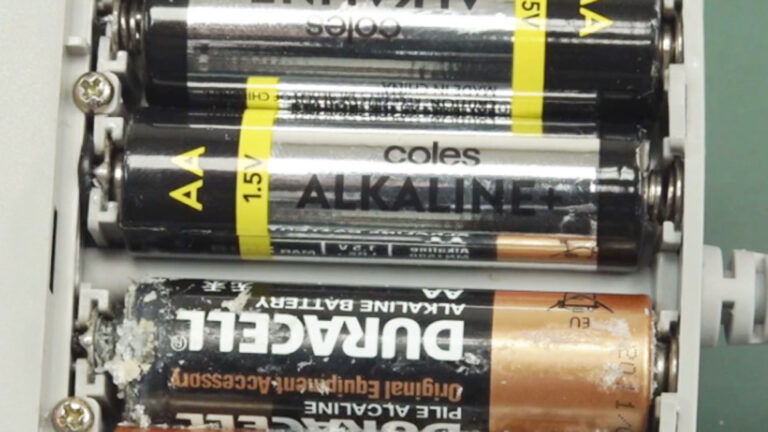
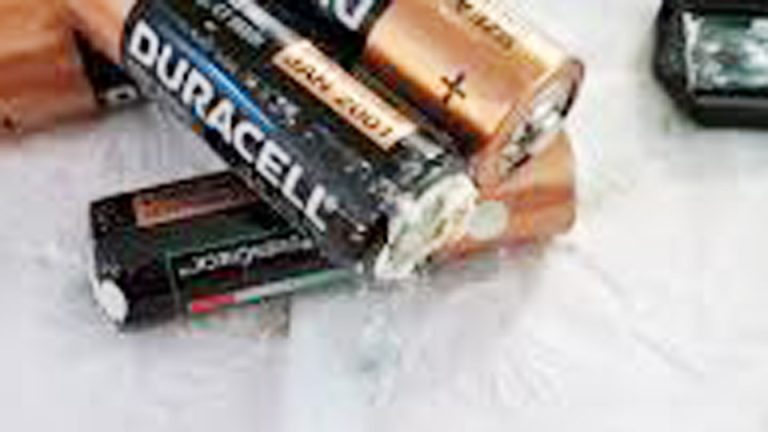
Many people assume alkaline batteries can simply be thrown away, but improper disposal can still lead to issues like leakage, damaged items, and unnecessary waste. I’ve seen old batteries corrode inside storage boxes, tool kits, and emergency equipment, turning a simple cleanup into an expensive replacement job.
Knowing the correct disposal method helps protect your home, your devices, and the environment. It can also prevent common mistakes such as storing damaged batteries, mixing old and new cells, or handling leaking batteries without proper precautions.
I’ll explain the safest ways to dispose of alkaline batteries, how to handle damaged or leaking cells, and the simple steps that make battery disposal easier and safer. You’ll also learn a few practical tips that can help you avoid battery-related problems before they start.

Image by BribieIsland
Why Proper Battery Handling Matters in Everyday Life
Batteries power everything from your daily driver to backup solar systems, yet most folks treat them as simple throwaways until something goes wrong. A failing battery in your car can leave you stranded on a cold morning. In a solar setup, poor maintenance means expensive replacements and dark nights. Safety risks like leakage, overheating, or even fires from damaged lithium packs add real stakes.
Alkaline batteries, the workhorses in remotes, toys, and clocks, seem harmless—but improper disposal (or mixing them with other types) can create hazards. Understanding the full picture—types, voltages, charging, lifespan, and disposal—saves money and headaches. Let’s break it down.
Understanding Common Battery Types
Batteries aren’t one-size-fits-all. The chemistry inside determines performance, maintenance needs, cost, and how you eventually dispose of them.
Lead-Acid Batteries (Flooded, AGM, Gel)
These are the classic choice for cars, motorcycles, UPS systems, and some solar setups. Flooded lead-acid are the cheapest and most common in starter batteries. They contain liquid electrolyte that you occasionally check and top off with distilled water.
AGM (Absorbed Glass Mat) suspends the electrolyte in fiberglass mats—no spilling, better vibration resistance, and lower self-discharge. Gel batteries use a thickened electrolyte, making them even more tolerant to deep discharges but slower to charge.
Lithium-Ion and LiFePO4
Lithium-ion powers EVs, power tools, and many modern solar/deep-cycle systems. LiFePO4 (Lithium Iron Phosphate) is the safer, longer-lasting variant popular for off-grid and marine use. They offer higher energy density, lighter weight, and far more cycles than lead-acid.
Alkaline Batteries
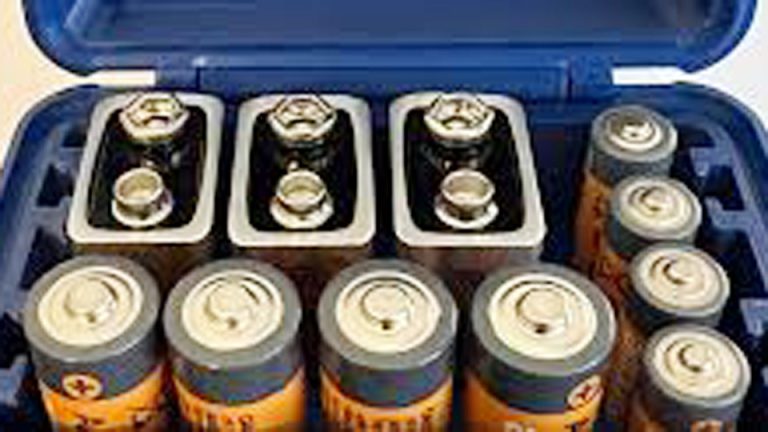
Single-use, non-rechargeable AA, AAA, C, D, and 9V cells. Great for low-drain devices. Modern ones contain far less mercury than pre-1996 versions, making them less hazardous than older stock.
Other Types
Nickel-based (NiMH, NiCd) for some tools and hybrids; button cells for watches and small electronics.
Battery Type Comparison Table
| Battery Type | Typical Lifespan (Cycles) | Usable Capacity | Weight | Maintenance | Approx. Cost per kWh | Best For | Disposal Notes |
|---|---|---|---|---|---|---|---|
| Flooded Lead-Acid | 300–500 | ~50% | Heavy | High (water checks) | Low | Cars, basic backup | Recycle at auto shops |
| AGM Lead-Acid | 500–1,200 | ~50-70% | Medium | Low | Medium | Vehicles, solar | Recycle as lead-acid |
| Gel | 500–1,200 | ~70-80% | Medium | Low | Medium | Deep cycle, marine | Recycle as lead-acid |
| LiFePO4 | 3,000–6,000+ | 80–100% | Light | None | Higher upfront | Solar, EVs, off-grid | Specialized recycling |
| Alkaline | Single-use | N/A | Light | None | Very low | Household devices | Trash or recycle locally |
LiFePO4 shines in longevity and efficiency but costs more upfront. Lead-acid wins on initial price for occasional use.
Voltage Ranges, Capacity, and How Batteries Work
A standard 12V lead-acid battery has six cells at roughly 2V each. Fully charged resting voltage sits around 12.6–12.8V. Under load or while charging, expect 13.8–14.7V. Lithium systems often run at 12.8V nominal but charge to 14.4–14.6V for LiFePO4.
Capacity is measured in Amp-hours (Ah) or Watt-hours (Wh). A 100Ah battery theoretically delivers 1A for 100 hours (or 5A for 20 hours), but real-world depth of discharge (DoD) limits this. Never routinely discharge lead-acid below 50% DoD; lithium handles 80-100% much better.
In practice, I’ve seen a 12V AGM in a truck drop to 12.0V and still crank, but consistently low voltage kills plates quickly through sulfation.
Charging Methods and Best Practices
Wrong charging is one of the fastest ways to destroy a battery. Use a charger matched to the chemistry.
- Lead-Acid: Multi-stage chargers with bulk, absorption, and float stages. Bulk around 14.4–14.8V, float ~13.2–13.8V.
- AGM/Gel: Slightly different profiles—avoid high-voltage equalization on gel.
- Lithium (LiFePO4): Constant current/constant voltage (CC/CV). Charge to 14.4–14.6V, no float or minimal. Built-in BMS handles protection.
Step-by-Step Safe Charging Guide:
- Inspect for damage, leaks, or swelling.
- Clean terminals.
- Connect positive first, then negative.
- Set correct profile on a smart charger.
- Monitor temperature—stop if it gets hot.
- Disconnect when complete; avoid leaving on old trickle chargers indefinitely.
Common mistake: Using a generic automotive charger on lithium or leaving batteries on float forever. Overcharging causes gassing in lead-acid and heat buildup in lithium. Undercharging leads to stratification and reduced capacity.
Real-World Applications and Usage Examples
Cars and Motorcycles: Starter batteries see shallow cycles. Keep them topped off, especially in winter. AGM handles engine vibrations better.
Solar and Deep-Cycle Systems: These endure daily deep discharges. LiFePO4 is my go-to for off-grid because you can use more capacity without damage, and they charge faster. Pair with MPPT controllers for efficiency.
UPS and Backup: AGM or lithium for reliability without maintenance.
Power Tools and Electronics: Alkaline for occasional use; rechargeables (NiMH or lithium) for frequent. I’ve revived many tool packs by matching cells properly.
Battery Maintenance Routines That Actually Work
Maintenance separates batteries that last 3 years from those that last 10+.
- Check voltage monthly with a multimeter.
- Clean corrosion with baking soda solution and a wire brush.
- For flooded lead-acid: Check electrolyte levels every few months; use distilled water only.
- Store at 50-70% charge in cool, dry places (avoid freezing or extreme heat).
- For solar: Equalization charges occasionally for lead-acid (carefully).
- Lithium: Minimal—BMS does most work, but avoid full-time 100% charge in hot environments.
I’ve seen pros skip terminal cleaning and watch resistance skyrocket. Beginners often store batteries fully discharged—big mistake that leads to irreversible sulfation.
Troubleshooting Common Battery Issues
- Won’t Hold Charge: Test with a load tester. Sulfation? Try desulfator or replacement.
- Slow Cranking: Check connections, alternator output (13.7–14.7V running).
- Swelling/Leaking: Immediate replacement—safety risk.
- Overheating During Charge: Wrong charger or internal short.
Use a hydrometer for flooded lead-acid specific gravity testing.
Safety Considerations Across All Battery Types
Always wear eye protection and gloves. Work in ventilated areas. Never short terminals. For lithium, damaged cells can thermal runaway—tape terminals and isolate. Lead-acid acid is corrosive; neutralize spills.
How to Safely Dispose of Alkaline Batteries (and Others)
This is where many people get confused. Modern alkaline batteries (post-1996) are generally safe for household trash in most US locations because mercury content has been drastically reduced.
Step-by-Step for Alkaline Batteries:
- Collect them in a non-conductive container (cardboard box or plastic bin).
- Tape the terminals of 9V or larger batteries to prevent shorts and fires.
- Check local rules—many areas still allow trash disposal, but some retailers or HHW facilities accept them for recycling.
- Do not put in curbside recycling (fire risk in sorting equipment).
- For bulk or older (pre-1996) alkalines that might contain mercury: Take to household hazardous waste (HHW) collection.
Other Types:
- Lead-Acid (Car Batteries): Auto parts stores often take them for core credit. Never dispose in trash—lead and acid are highly recyclable.
- Lithium-Ion/LiFePO4: Take to dedicated recycling drop-offs, Call2Recycle, or HHW. Tape terminals and avoid puncturing. Do not trash.
- Rechargeables (NiMH, etc.): Similar to lithium—specialized recycling.
Pro tip from the shop: Keep a dedicated “dead battery” bin in your garage. Sort by type immediately. It prevents mix-ups and makes disposal day easy.
Practical Recommendations for Longevity and Compatibility
- Match battery chemistry to charger and application.
- For solar: Size bank for 2–3 days autonomy at 50% DoD for lead-acid, higher for lithium.
- Buy quality—cheap batteries fail fast.
- Temperature matters: Ideal storage/operation 50–77°F.
- For vehicles: Consider dual setups (starter + deep cycle) for winches or accessories.
Key Takeaways for Confident Battery Management
After handling hundreds of systems, the biggest lesson is consistency. Understand your battery type, charge it right, maintain it proactively, and dispose responsibly. You’ll avoid the common traps like over-discharging lead-acid, mismatching lithium chargers, or creating fire hazards with loose batteries.
A technician’s pro tip: Invest in a good battery monitor (Bluetooth shunt-style for solar or vehicles). Real-time voltage, current, and SoC data prevents surprises and lets you catch degradation early—worth every penny for serious users.
FAQ
Can I throw alkaline batteries in the regular trash?
Yes, in most US areas for modern alkaline batteries (AA, AAA, etc.). Tape larger ones and confirm local rules, but they are generally non-hazardous for landfills now.
How do I recycle lithium or car batteries?
Take lithium to HHW or Call2Recycle locations. Car lead-acid batteries go to auto stores or recyclers—many offer free drop-off or credits.
What’s the best battery for solar storage?
LiFePO4 for most off-grid users due to cycle life, efficiency, and low maintenance. AGM works well for lighter duty or budget setups.
How often should I check my car battery?
Every month or before long trips. Test voltage and clean terminals. Replace every 3–5 years proactively.
What voltage indicates a dead 12V battery?
Below 12.0V resting is bad; under 10.5V under load usually means replacement. Always test properly.