Nickel Metal Hydride Battery Memory Effect: Practical Insights
One of the most frustrating culprits I’ve seen over the years is the nickel metal hydride battery memory effect, or at least what people think is the memory effect. You’ve probably pulled out a pack of AA NiMH cells for your cordless drill or emergency flashlight, only to find it dies way sooner than expected after months of partial use and recharging.
In my experience working with automotive, solar, and backup power systems across the US, understanding this phenomenon helps prevent premature failures, saves money, and keeps critical equipment running when you need it most.
Whether you’re a weekend mechanic troubleshooting a motorcycle battery, a homeowner managing an off-grid solar setup, or a technician servicing UPS systems, getting this right matters for lifespan, performance, and safety.

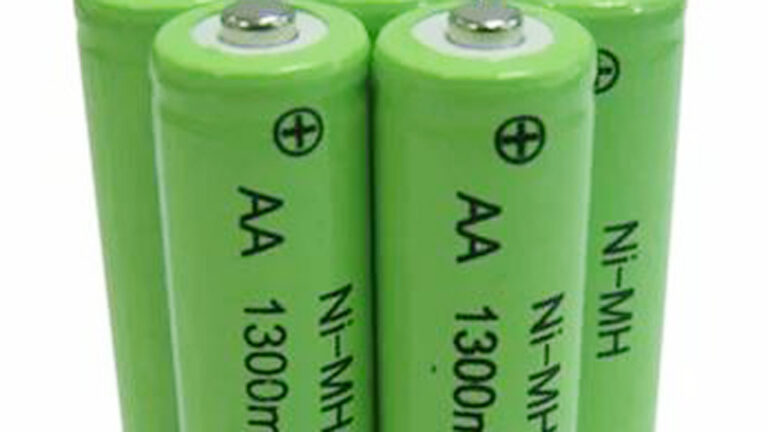
Image by grepow
What Exactly Is the Nickel Metal Hydride Battery Memory Effect?
The memory effect refers to a gradual loss of usable capacity in rechargeable batteries when they’re repeatedly charged before being fully discharged. The battery seems to “remember” the shorter discharge cycle and stops delivering full power at that point.
For NiMH batteries, this effect is much milder than in older nickel-cadmium (NiCd) chemistries. NiCd batteries were notorious for it because of cadmium’s behavior. NiMH replaced much of that with a hydrogen-absorbing alloy, delivering higher capacity and less pronounced issues. Modern low-self-discharge NiMH cells (like Eneloops) show it even less.
In practice, what many call “memory effect” in NiMH is often voltage depression or crystalline formation from repeated shallow cycles. It shows up as the battery voltage dropping earlier than expected during discharge, making the device think it’s empty when there’s still energy left. The good news? It’s usually recoverable with a few full deep discharge/charge cycles.
How the Memory Effect Works in NiMH Batteries
NiMH cells have a nominal voltage of about 1.2V. During normal use, the positive nickel electrode and negative metal hydride electrode exchange hydrogen ions. Repeated partial discharges cause changes in the electrode materials—small crystals form, increasing internal resistance and shifting the voltage curve.
In hybrid vehicles or power tool packs, this can build up if the system rarely does full cycles. In my shop, I’ve seen cordless tool packs lose 20-30% apparent capacity after years of topping off without full drains. A full conditioning cycle often restores most of it.
This differs from true degradation like calendar aging or high-temperature damage, which are permanent.
Why the Memory Effect Still Matters for Today’s Users
Even if milder, it affects:
- Power tools and cordless equipment: Partial recharges between jobs reduce runtime.
- Hybrid vehicle traction batteries: Some older HEVs used NiMH packs sensitive to this.
- Consumer electronics and flashlights: Devices shut down prematurely.
- Solar and backup systems: Inconsistent performance in low-light or outage scenarios.
Ignoring it leads to more frequent replacements, higher costs, and frustration.
Comparing Battery Chemistries: Where NiMH Fits In
Choosing the right battery starts with understanding trade-offs. Here’s a practical comparison based on real installations I’ve done.
Lead-Acid (Flooded, AGM, Gel):
- Voltage: 12V nominal (2V per cell).
- Capacity: Measured in Ah; energy in Wh = Ah × V.
- Pros: Cheap, rugged, widely available, good for high-inrush starting (cars).
- Cons: Heavy, lower cycle life (300-800 deep cycles), sensitive to deep discharge, needs maintenance on flooded types.
- Best for: Automotive starting, basic solar with shallow cycles, UPS.
AGM and Gel (sealed lead-acid variants):
- Better vibration resistance and no spills. AGM handles higher discharge rates well for marine or RV use.
Nickel-Metal Hydride (NiMH):
- Voltage: 1.2V per cell.
- Pros: Higher capacity than NiCd, minimal memory effect, safer than lithium in some puncture scenarios, recyclable.
- Cons: Self-discharge (higher in standard cells), lower energy density than lithium, performs worse in extreme cold.
- Best for: AA/AAA consumer use, power tools, hybrid vehicles, some portable solar.
Lithium-Ion and LiFePO4:
- Voltage: 3.2-3.7V per cell.
- Pros: High energy density (Wh), 2000+ cycles, low self-discharge, lightweight.
- Cons: Higher upfront cost, needs BMS for safety, fire risk if damaged.
- Best for: Modern EVs, solar storage, high-performance tools.
| Battery Type | Nominal Voltage | Typical Cycle Life | Energy Density | Memory Effect | Cost per kWh | Main Applications |
|---|---|---|---|---|---|---|
| Flooded Lead-Acid | 12V | 300-500 | Low | None | Lowest | Cars, basic backup |
| AGM/Gel | 12V | 500-800 | Low-Medium | None | Medium | Marine, RV, UPS |
| NiMH | 1.2V/cell | 500-1000+ | Medium | Mild/Recoverable | Medium | Tools, hybrids, portables |
| LiFePO4 | 3.2V/cell | 2000-5000+ | High | None | Higher | Solar, EVs, deep cycle |
In solar setups I’ve wired, LiFePO4 wins for longevity, but NiMH still shines in smaller, cost-sensitive or high-drain intermittent uses.
Real-World Applications of NiMH Batteries
Automotive and Motorcycles: NiMH sees limited use in starting but more in hybrid systems or accessories. For a classic bike, I prefer AGM, but NiMH packs work well in some older electric conversions.
Solar and Off-Grid: NiMH suits smaller 12V or 24V packs for lighting or pumps. They tolerate temperature swings better than some lithiums without fancy BMS, but pair them with proper charge controllers to avoid overcharge.
UPS and Backup Systems: Reliable for short bursts. Their safety profile (less thermal runaway risk) makes them suitable for indoor server rooms or home alarms.
Power Tools and Electronics: The sweet spot. My DeWalt and Makita packs (NiMH or upgraded) last years with proper care. AA NiMH for flashlights, cameras, and remotes outperform alkalines.
Everyday Use: Toys, medical devices, and portable gear.
Charging NiMH Batteries Correctly: Avoiding Common Pitfalls
Charging mistakes cause more “memory effect” issues than the chemistry itself.
Correct Parameters:
- Standard charge: 0.1C rate (10% of capacity per hour) for 14-16 hours.
- Fast charge: 0.5C to 1C with smart chargers using -ΔV detection (voltage drop signals full) and temperature monitoring.
- Voltage: Don’t exceed 1.5V per cell during charge. Full pack voltage depends on series cells.
Step-by-Step Smart Charging:
- Use a dedicated NiMH charger—never a NiCd-only or universal without proper settings.
- Check cell matching in packs; mismatched cells lead to imbalance.
- For new batteries, do 3-5 full cycles to condition them.
- Avoid trickle charging long-term; it generates heat.
- Monitor temperature—warm is okay at end of charge, hot means stop.
I’ve seen professionals destroy packs by using lead-acid chargers (wrong voltage) or leaving them on cheap wall warts.
Maintenance and Storage Best Practices
Daily/Weekly Use:
- Recharge after significant drain, but occasional full cycles prevent issues.
- Clean terminals; corrosion sneaks up.
Storage:
- For weeks/months: Store at 40-80% charge in a cool, dry place (around 50-70°F). Avoid full discharge.
- Long-term (seasonal): Top off every 3-6 months. Low self-discharge varieties hold better.
- Never store fully drained—risk of polarity reversal in series packs.
Testing Capacity:
- Fully charge.
- Discharge at constant current (e.g., with a battery analyzer or resistor setup) to 0.9-1.0V per cell.
- Measure Ah delivered. Compare to rated.
- Repeat cycles to condition.
A multimeter helps: ~1.4V fresh off charger, ~1.2V nominal under load.
Troubleshooting and Recovering from Memory Effect
Signs:
- Sudden early cutoff.
- Reduced runtime despite full charge.
- Voltage sag under load.
Recovery Steps:
- Fully discharge to 0.9V/cell (use a smart discharger or controlled load).
- Charge fully with proper charger.
- Repeat 3-5 times. Many packs regain 80-90% capacity.
- For stubborn cells, individual charging helps.
In hybrid vehicle modules, specialized reconditioners do deep cycling per module.
When to Replace:
- Capacity below 70-80% of original.
- Excessive self-discharge (loses charge overnight).
- Physical damage, bulging, or leaks.
Safety Considerations Across Battery Types
- NiMH: Generally safe, but overcharge causes venting or heat. Use proper chargers.
- Lead-Acid: Acid spills, hydrogen gas—ventilate.
- Lithium: Thermal runaway risk—use BMS, avoid physical damage.
- General: Wear gloves/eye protection. Dispose/recycle properly (many US auto parts stores take them). Never mix old/new cells.
Overheating from wrong charging is a top failure mode I’ve seen in all types.
Common Mistakes Even Pros Make
- Mixing brands/ages in packs.
- Using automotive chargers on small cells.
- Storing discharged in hot garages (Florida or Arizona summers kill them).
- Ignoring temperature: Cold reduces capacity temporarily; heat accelerates aging.
- Topping off constantly without periodic deep cycles.
- Buying cheap no-name cells that underperform specs.
Practical Recommendations for Longevity
- Match capacity and chemistry.
- Invest in a good analyzer/charger (like Opus or similar smart models).
- For solar: Size appropriately—calculate daily Wh needs (Ah × V).
- In cars: For starting, AGM often edges out; for accessories, consider hybrid chemistries.
- Routine: Every few months, run a capacity test and condition.
Choosing and Upgrading Your Battery System
For a DIY solar setup, start with calculating loads. A 100Ah 12V bank stores 1200Wh, but usable depth of discharge varies (50% for lead-acid, 80%+ for lithium/NiMH carefully managed).
Upgrading old NiCd tools to NiMH or lithium drop-ins often extends life dramatically.
A Technician’s Pro Tip: When rebuilding a multi-cell pack, always capacity-match every cell individually first. One weak cell drags the whole pack down and creates imbalance that mimics memory effect or worse. Use a balancer or individual chargers—it’s saved me countless service calls.
You’ve now got the hands-on knowledge to diagnose, maintain, and choose batteries confidently. Whether fixing a dead power tool pack at home or designing a reliable off-grid system, understanding the nuances—like the recoverable nature of NiMH memory effect—keeps you ahead of failures and in control of your power needs.
FAQ
Does the nickel metal hydride battery memory effect still happen with modern cells?
Yes, but it’s mild and recoverable. Low-self-discharge varieties and smart chargers minimize it significantly. Full cycles every 10-20 uses keep performance strong.
How do I fix reduced capacity in my NiMH AA batteries?
Fully discharge them safely to about 1V per cell, then charge completely. Repeat 3-5 times. Use a dedicated charger and avoid heat. Test capacity afterward.
Are NiMH batteries better than lithium for power tools?
It depends. NiMH is cheaper, safer from fire risk, and robust for moderate use. Lithium offers longer runtime and lighter weight but costs more and needs protection circuits. Many pros use both.
What’s the best way to store NiMH batteries long-term?
Keep them at 40-80% charge in a cool, dry spot. Check and top up every few months. Avoid extremes of temperature or full discharge.
Can I use a NiMH battery in my solar backup system?
Yes, for smaller setups. Pair with a compatible charge controller set for NiMH voltages. They’re tolerant but monitor for self-discharge. Lithium or AGM often scales better for larger banks.