How to Balance Lead Acid Batteries for Longer Life
There is nothing quite as frustrating as walking out to your off-grid solar shed, turning on the inverter, and watching the voltage sag immediately under load. If you are running a 12V, 24V, or 48V battery bank composed of multiple lead-acid cells, you have likely run into the silent killer of battery storage: cell imbalance.
When you connect multiple lead-acid batteries in series or parallel, they stop acting as a single unit over time. One battery might take a higher charge, while another slowly starves, sulfates, and pulls the rest of the bank down with it.
Understanding how to balance lead acid batteries is the most practical step you can take to prevent premature battery failure, avoid expensive replacements, and ensure your system runs safely without unexpected voltage drops or thermal risks.
In this guide, I will walk you through the exact methods, safety protocols, and hands-on maintenance techniques used by professional technicians to balance, equalize, and restore lead-acid battery banks.
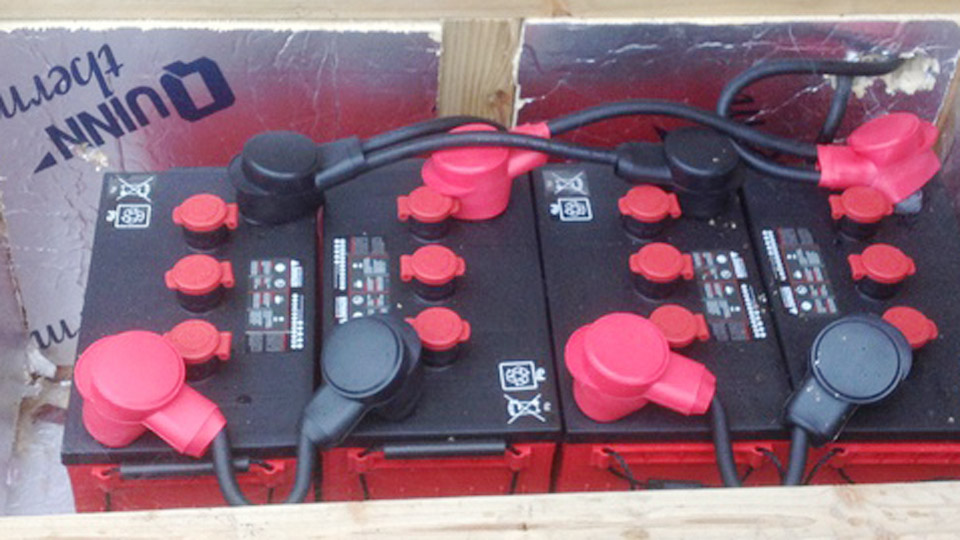
Image by remotepoweruk
Understanding Cell Imbalance in Lead-Acid Banks
To fix a problem in the workshop, you first need to understand its root cause. Let us look at why batteries drift apart and how they function under real-world conditions.
+------------------------------------+
|       Balanced Battery Bank        |
|  [12.6V]  [12.6V]  [12.6V]  [12.6V]|
+-----------------+------------------+
                  |
                  v
+------------------------------------+
|      Unbalanced Battery Bank       |
|  [12.8V]  [12.3V]  [12.5V]  [12.1V]|
+------------------------------------+
What It Is
Cell or battery imbalance occurs when individual cells or 12V blocks in a series-connected bank develop different states of charge (SoC), internal resistances, or electrolyte specific gravities. While one battery might sit at a healthy 12.7V, its neighbor could drop to 12.1V.
How It Works
In a series configuration, the same current flows through every battery during both charging and discharging. However:
Internal resistance variations: Older batteries or units exposed to higher heat will develop higher internal resistance.
Unequal self-discharge rates: If one battery has a slight internal short or micro-cycling issue, it loses charge faster than the others.
Charger limitations: Standard 24V or 48V chargers look at the total pack voltage. If the total voltage reaches 28.8V, the charger shuts off, leaving one battery at 13.8V and the other at 15.0V (overcharging one while undercharging the other).
When and Why It Should Be Used
You should inspect and balance your battery bank when:
- You notice a significant variation in resting voltage between batteries after disconnecting the load.
- Your system capacity drops much faster than it used to.
- You are performing routine quarterly preventive maintenance.
Practical Real-World Tips
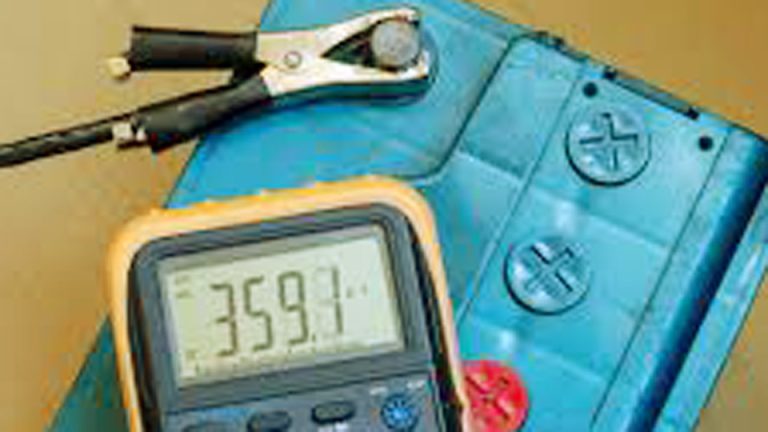
Measure resting voltage: Always let batteries rest for at least 4 to 6 hours after charging or discharging before taking voltage measurements with a digital multimeter.
Check individual units: Never measure just the main terminal voltage of the whole bank. Check every single 12V battery or 2V cell individually.
Comparing Battery Technologies and Performance
To understand how balancing differs across chemistries, let us look at how different batteries handle charging and voltage drift.
| Battery Type | Nominal Voltage | Average Cycle Life | Cost Level | Maintenance Requirement | Sensitivity to Imbalance |
| Flooded Lead-Acid | 2.0V (per cell) / 12V | 300–800 | Low | High (Needs water checks) | Very High |
| AGM Lead-Acid | 2.0V (per cell) / 12V | 400–900 | Medium | Low | High |
| Gel Lead-Acid | 2.0V (per cell) / 12V | 500–1200 | Medium | Low | Medium |
| Lithium-ion (NMC) | 3.6V (per cell) | 500–2000 | High | Very Low | Handled by BMS |
| LiFePO4 | 3.2V (per cell) | 2000–5000 | High | None | Handled by BMS |
Step-by-Step Guide: How to Equalize Lead-Acid Batteries
Equalization is the deliberate controlled overcharging of a lead-acid battery to remove sulfate crystals, agitate the electrolyte, and bring all cells back to the same specific gravity and voltage.
What It Is
Equalization is a high-voltage, low-current maintenance charge applied specifically to flooded lead-acid batteries.
How It Works
- The voltage is raised above the standard absorption voltage (typically up to 15.5V–16.2V for a 12V battery) for 1 to 4 hours.
- The gassing action mixes the electrolyte, preventing stratification (where heavy acid sinks to the bottom).
- The high voltage forces lingering lead-sulfate crystals back into the active chemical solution.
Safety Warning: Never attempt to equalize Sealed AGM or Gel batteries unless the manufacturer explicitly permits it. The gassing process will vent the valve-regulated batteries, dry out the electrolyte, and permanently ruin them.
Real-Life Usage Scenarios
1. Off-Grid Solar Systems
In cabins or off-grid homes, solar charge controllers are often programmed to run an equalization cycle every 30 to 90 days. This keeps the flooded battery bank healthy despite heavy cyclic loads.
2. Golf Carts and Scissor Lifts
These vehicles use deep-cycle flooded batteries wired in series. Uneven use of accessories or varying cell temperatures causes fast divergence. Monthly equalization keeps the cart running at peak range.
Step-by-Step Equalization Procedure
Safety Preparation: Put on safety glasses and acid-resistant gloves. Ensure the area is well-ventilated, as hydrogen gas will be produced.
Disconnect the Load: Unplug the inverter, appliances, or vehicle loads. Disconnect the battery bank from any DC loads.
Inspect Electrolyte Levels (Flooded Only): Open the cell caps. Top off the plates using only distilled water if the liquid is low. Do not fill to the absolute top before charging, as the liquid will expand during heating.
Configure the Charger or Charge Controller: Set your charger or inverter/charger to the equalization mode. Set the voltage to the battery manufacturer’s specification (typically 15.5V to 16.0V for a 12V battery).
Monitor Temperature: Touch the battery casing periodically. If the battery feels uncomfortably hot to the touch (exceeding 120°F / 49°C), stop the equalization immediately.
Test Specific Gravity: Use a battery hydrometer to test each cell. Once the specific gravity readings stop rising across three consecutive hourly tests, the cells are fully balanced and the cycle is complete.
Diagnosing and Restoring Imbalanced Battery Banks
If a battery bank has drifted significantly, standard charging won’t fix it. You must isolate and balance the batteries individually.
+------------------------------------------------------+
|             Parallel Rejuvenation Setup              |
|                                                      |
|   +------------------+---------+------------------+  |
|   |                  |         |                  |  |
|  [+]                [+]       [+]                [+] |
| [12V]              [12V]     [12V]              [12V]|
|  [-]                [-]       [-]                [-] |
|   |                  |         |                  |  |
|   +------------------+---------+------------------+  |
|                      |                            |
|             [12V Battery Charger]                 |
+---------------------------------------------------+
What It Is
Top-balancing or parallel restoration involves connecting imbalanced 12V lead-acid batteries in parallel so they share voltage and current until they equalize naturally.
How It Works
When you connect batteries with differing voltages in parallel, the battery with the higher voltage discharges into the lower-voltage battery until they reach equilibrium. Applying a low-current charge to this parallel bank slowly brings all batteries to full charge simultaneously.
When and Why It Should Be Used
Use this method when your 24V or 48V series bank is continually dropping out, and equalization of the whole bank doesn’t resolve the performance gap between individual units.
Step-by-Step Balancing Procedure
Disconnect and Separate: Disconnect the batteries completely. Take out the interconnecting copper or lead cables.
Rest Period: Let the batteries sit disconnected for 24 hours to measure their resting states.
Wire in Parallel: Connect all positive terminals together, and all negative terminals together using heavy-gauge jumper cables.
Apply a Trickle Charge: Attach a smart 12V battery charger (set to a low setting like 2A to 5A) to the positive and negative terminals of the parallel bank.
Slow Absorption: Let the charger run for 24 to 48 hours. The batteries will balance themselves out through the parallel links.
Return to Service: Disconnect the charger and let the bank rest for 4 hours. Measure the voltage of each battery; they should be within 0.05V of each other.
Maintenance Routines and Best Practices
Preventing battery bank divergence is much easier than fixing it after the damage is done.
Correct Charging Voltage Ranges
- Flooded Lead-Acid: * Bulk/Absorption: 14.4V – 14.8V
- Float: 13.2V – 13.5V
- Equalize: 15.5V – 16.2V
- AGM (Absorbed Glass Mat): * Bulk/Absorption: 14.4V – 14.7V
- Float: 13.5V – 13.8V
- Gel: * Bulk/Absorption: 14.0V – 14.2V
- Float: 13.5V – 13.8V
Proper Storage Conditions
- Store batteries in a cool, dry place out of direct sunlight. High temperatures drastically increase the self-discharge rate.
- Maintain a “maintenance” or “trickle” charge on stored batteries, or connect them to a smart maintainer that runs a desulfation pulse.
Maintenance Routines
- Inspect cable connections: Clean corroded terminals with a wire brush and a solution of baking soda and water. Apply terminal protection spray or petroleum jelly.
- Keep records: Log the resting voltage of each battery every quarter. If one battery’s resting voltage drops lower than the others consistently, it is nearing the end of its lifecycle.
Real-Life Usage Examples
1. Cars and Motorcycles
A standard starting battery does not experience deep discharges, but a failing alternator or leaving the lights on can cause one cell to sulphate faster than the others. If you jump-start your vehicle repeatedly, the battery runs hot, leading to an unbalanced, failing system. Test each cell with a hydrometer, and use a desulfator to break down lead-sulfate crystals.
2. UPS and Backup Systems
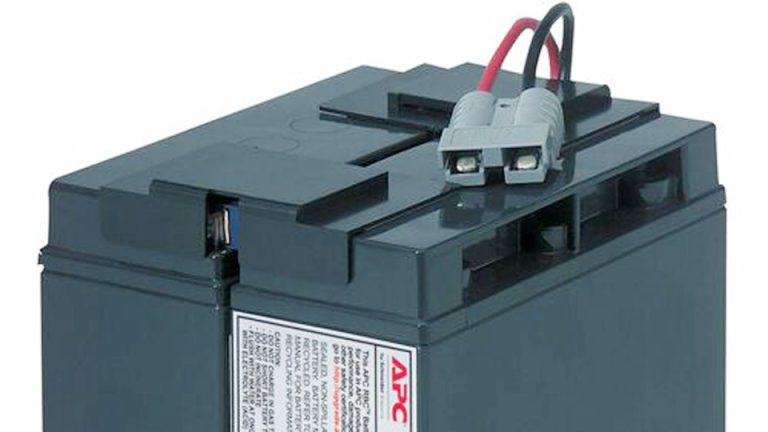
In data centers or home backup systems, batteries sit on continuous float charge. Without periodic equalizing or load testing, some units take on more charge than others, causing thermal runaway.
Troubleshooting Common Battery Problems
Symptom 1: Battery Bank Loses Charge Rapidly Under Load
- Cause: One battery in the series has a shorted cell.
- Solution: Disconnect the bank. Test each battery under load using a carbon pile or resistive load tester. Replace the weak battery.
Symptom 2: Rapid Electrolyte Loss in One Specific Cell
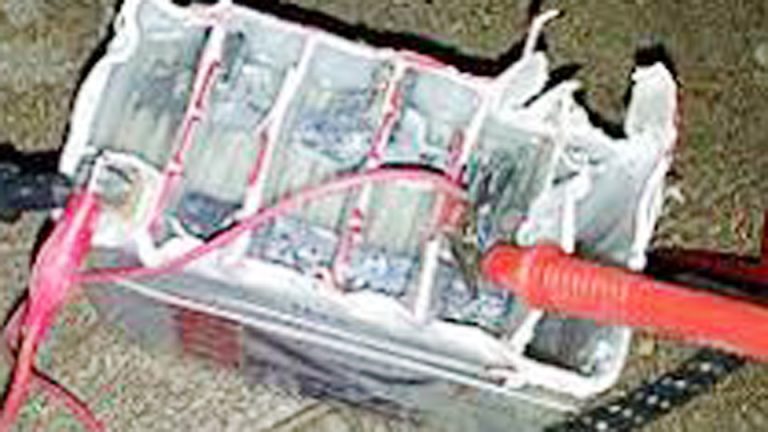
- Cause: A damaged plate or internal short is causing the cell to run hot and boil off water.
- Solution: Check the specific gravity of that cell. If it remains low after charging, the battery needs replacement.
Conclusion
Understanding how to balance lead acid batteries is the key to getting the longest, most reliable life out of your deep-cycle or starting bank. Whether you are maintaining an off-grid solar setup or keeping a fleet of golf carts moving, keeping your cells and batteries at the same voltage prevents progressive failure across the entire pack.
By applying the correct charging voltages, equalizing flooded cells when necessary, and using parallel balancing techniques, you can avoid unexpected power outages and costly replacement fees.
Expert Technician Tip: When replacing a failed lead-acid battery in a series string, do not mix a new battery with older, worn batteries. The new battery will quickly degrade to match the internal resistance of the old ones. Always replace the entire bank at once, or substitute the bad unit with an equally used battery from the same production batch.
Frequently Asked Questions
Can I balance lead-acid batteries with a standard car charger?
Yes, but with caveats. Standard 12V car chargers are designed to charge a single battery and will shut off once the voltage reaches around 14.2V to 14.4V. If you are trying to balance a 24V or 48V bank, you must separate the batteries and charge them one by one, or use a multi-bank smart charger.
How often should I equalize my deep-cycle lead-acid batteries?
For heavy, daily-use systems, equalizing every 30 to 60 days is recommended. For light-duty or backup systems, once every 90 to 180 days is sufficient. Always follow your specific battery manufacturer’s guidelines regarding frequency and voltage settings.
Why do my AGM batteries lose their charge during winter?
Cold temperatures slow down the chemical reaction inside lead-acid batteries and increase internal resistance. If your AGM batteries are undercharged, they can freeze or sulfate quickly. Keep them on a temperature-compensated smart float charger during the winter months.
What causes a battery cell to drop below 2.0V?
A cell drop usually indicates a short circuit caused by shedding active material, or heavy sulfation. If the voltage of a 12V battery drops to roughly 10.5V, it likely has a dead cell and cannot be balanced back to normal capacity.