What Is Absorbed Glass Mat Battery? AGM Specs & Benefits
You turn the key, and instead of a smooth start, you get that slow, dragging crank—or worse, just a clicking sound. The battery isn’t completely dead, but it’s clearly struggling. Then comes the confusion at the shop: regular lead-acid, gel, or something called AGM.
That’s when most people start asking, what is an absorbed glass mat battery, and whether it’s actually worth the extra cost.
I’ve seen this situation play out countless times, especially with modern cars packed with electronics or vehicles running start-stop systems. People install a standard battery to save money, only to face weak performance, faster wear, or unexpected failures a few months down the line.
This is where AGM batteries make a real difference. They’re built for better reliability, handle vibration and deep cycling much better, and are far less prone to leaks or maintenance issues.
Choosing the wrong type doesn’t just affect performance—it can shorten battery life and hit your wallet harder than expected.
I’ll break it down in simple, practical terms—what an AGM battery really is, how it works, and when it actually makes sense to use one. I’ll also share some real-world tips so you can avoid common mistakes and get the best performance out of your setup.
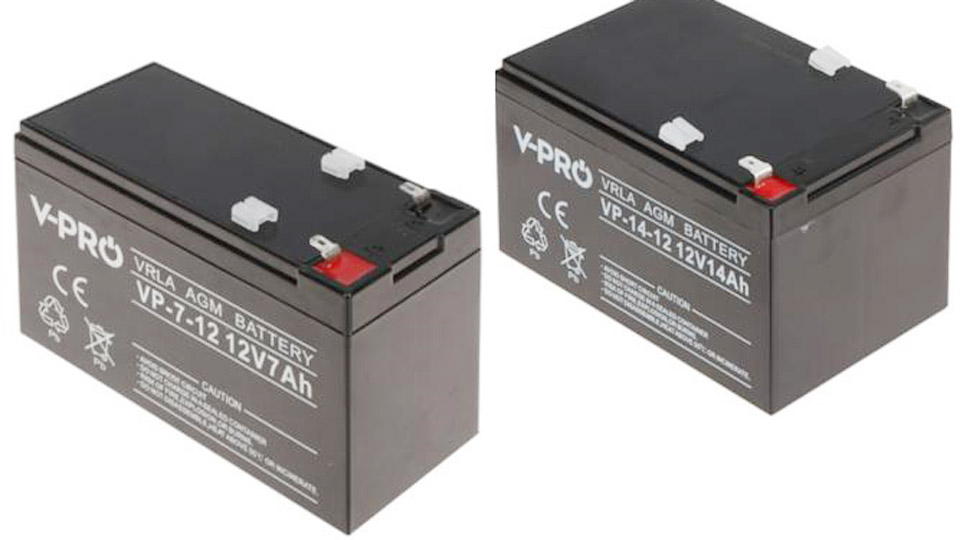
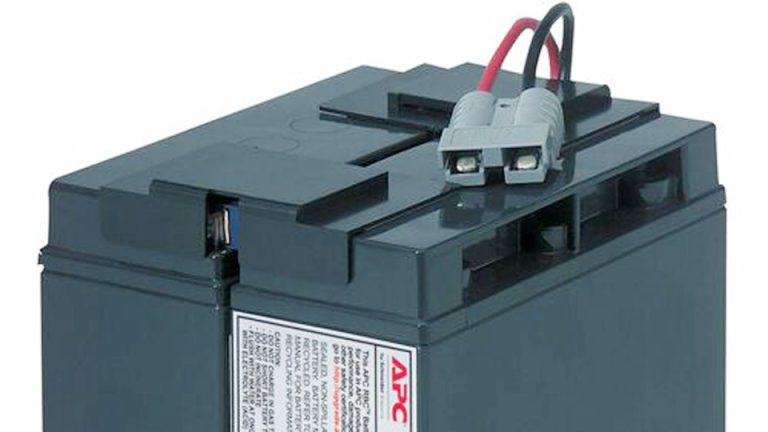
Image by shopdelta
What Exactly Is an Absorbed Glass Mat Battery?
An absorbed glass mat battery is a type of sealed lead-acid battery where the electrolyte (the sulfuric acid solution) is absorbed and held in place by a thin fiberglass mat sandwiched between the lead plates.
Unlike traditional flooded lead-acid batteries with free-flowing liquid acid, the AGM design immobilizes the electrolyte completely. This makes the battery spill-proof, leak-resistant, and much more versatile in mounting positions—even upside down in some cases.
The “valve-regulated” aspect (VRLA) means it has pressure valves that release excess gas only when needed, recombining most oxygen and hydrogen back into water internally. You don’t add water, and there’s minimal maintenance compared to flooded types.
In my experience working with everything from daily driver cars to off-grid solar setups, AGM batteries strike a strong balance between performance, durability, and convenience for many users who don’t want the hassle of flooded batteries or the upfront cost of lithium.
How Does an AGM Battery Work?
The basic chemistry remains the same as other lead-acid batteries: lead dioxide on the positive plate, sponge lead on the negative, and sulfuric acid electrolyte. During discharge, the acid reacts with the plates to produce lead sulfate and water, generating electricity. Charging reverses this process.
What sets AGM apart is the glass mat separator. It holds the exact amount of electrolyte needed, keeping it in constant contact with the plates while allowing gas to recombine efficiently.
This low internal resistance lets AGM batteries deliver high current bursts quickly—perfect for starting engines—and accept recharge faster than flooded or gel alternatives.
Because the mat immobilizes the electrolyte, vibration doesn’t slosh acid around and damage the plates. This explains why AGM batteries shine in motorcycles, boats, RVs, and vehicles with stop-start systems.
AGM vs. Other Battery Types: A Real-World Comparison
Choosing the right battery means matching it to your actual needs. Here’s how they stack up based on years of hands-on testing and customer feedback.
Key Battery Types Overview
Flooded Lead-Acid: Traditional wet cells with liquid electrolyte. Cheap upfront but require regular maintenance (checking and adding distilled water), vent gases, and can spill. Best for stationary, low-vibration applications where cost is king.
AGM (Absorbed Glass Mat): Sealed, maintenance-free, vibration-resistant, faster recharge, higher discharge rates. More expensive than flooded but worth it for demanding use.
Gel: Electrolyte thickened into a gel. Excellent for deep-cycle, slow-discharge applications. More sensitive to high charge rates and temperatures than AGM.
Lithium-Ion (especially LiFePO4): Lightweight, very high cycle life, high depth of discharge (DoD), fast charging. Highest upfront cost but often cheapest long-term for heavy daily cycling.
Pros and Cons of AGM Batteries
Pros:
- Maintenance-free—no watering ever.
- Spill-proof and can be mounted in any orientation.
- Excellent vibration resistance.
- Lower self-discharge rate (around 1-3% per month).
- Handles high charge and discharge currents well.
- Better cold cranking amps (CCA) and reserve capacity for starting.
- Safer in enclosed spaces due to minimal gassing.
Cons:
- More expensive upfront than flooded lead-acid (typically 1.5–2x the price).
- Sensitive to overcharging—requires compatible chargers.
- Heavier than lithium for the same capacity.
- Not as tolerant of extreme deep discharges or very high temperatures as some alternatives.
- Shorter cycle life than lithium for deep-cycling applications.
When Should You Choose an AGM Battery?
I recommend AGM batteries in these common scenarios:
Automotive and Powersports: Modern cars with lots of electronics, stop-start systems, or performance vehicles benefit hugely. Motorcycles and ATVs love them for vibration resistance.
Solar and Off-Grid Systems: Good for moderate cycling where you want reliability without the complexity of lithium management systems. They handle occasional deep discharges better than flooded.
UPS and Backup Power: Critical systems where you need quick power delivery and low maintenance.
Marine and RV Use: Where movement, tilting, and reliability matter.
Power Tools and Electronics: Some high-drain portable applications.
Avoid AGM if you’re on a tight budget for a simple starting battery that gets regular highway use, or if you need maximum cycles in a daily deep-discharge solar setup (lithium often wins there).
Battery Voltage, Capacity, and What the Numbers Mean
Most automotive and deep-cycle AGM batteries are 12V nominal. A fully charged 12V AGM rests around 12.7–12.8V. Under load, voltage drops more gracefully than flooded types due to lower resistance.
Capacity is rated in Amp-hours (Ah). A 100Ah battery can theoretically supply 5A for 20 hours. In practice, for lead-acid types like AGM, you should avoid discharging below 50% regularly to maximize lifespan. Lithium allows 80-100% DoD comfortably.
Watt-hours (Wh) give a better energy picture: multiply Ah by nominal voltage. Real usable capacity depends on temperature, age, and discharge rate.
Charging an AGM Battery the Right Way
This is where many people (even pros) go wrong. AGM batteries need specific charging profiles.
Recommended charging voltages for a 12V AGM:
- Bulk/Absorption: 14.4–14.8V (some manufacturers say up to 14.6–15.0V max, but check specs).
- Float: 13.2–13.8V.
- Never exceed 15V for extended periods.
Use a smart charger with an AGM-specific mode. These chargers adjust voltage and current in stages: bulk (fast charge), absorption (top-off), and float (maintenance).
Step-by-Step Charging Guide:
- Check the battery voltage with a multimeter. Below 12.4V means it needs charging.
- Connect a compatible smart charger—positive first, then negative.
- Select AGM mode and let it run fully through the cycles.
- Monitor temperature. Warm is okay; hot means something’s wrong.
- Disconnect once it reaches float.
Common mistake: Using an old flooded battery charger set too high. This causes gassing, valve release, and permanent capacity loss. Undercharging leads to sulfation, the silent killer of lead-acid batteries.
Maintenance and Storage Tips from the Shop
AGM batteries are “maintenance-free,” but not “set and forget.”
- Keep terminals clean and tight.
- Store at 50-80% charge in a cool, dry place (ideally 50-77°F / 10-25°C). Check every 3 months and top up if needed.
- Avoid storing fully discharged.
- In vehicles, use a trickle maintainer during long storage.
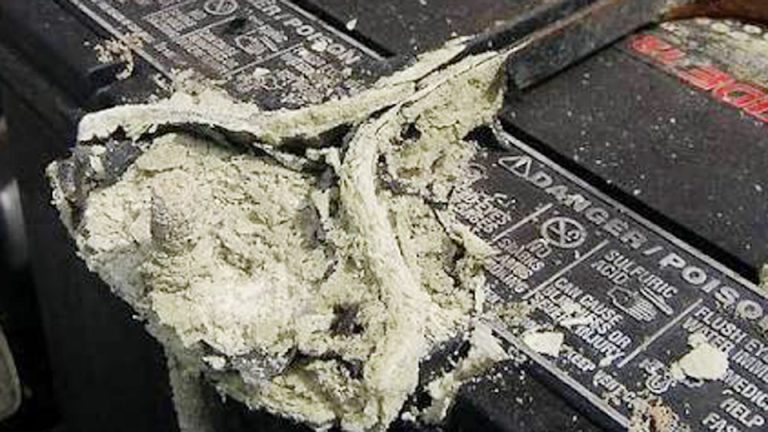
- Inspect for case swelling or leaks (rare but indicates overcharge or damage).
In solar setups, pair with a quality charge controller that has AGM settings or programmable voltages.
Testing Your AGM Battery
A simple voltmeter gives a quick health check:
- 12.7V+ : Fully charged
- 12.4V : About 75%
- 12.2V : About 50%
- Below 12.0V : Deeply discharged—charge immediately
For accurate testing, use a load tester or conductance tester. Many auto parts stores offer free checks. In the workshop, I always load-test after charging to verify true capacity.
Real-Life Failure Scenarios and How to Prevent Them
I’ve seen too many preventable failures:
- Sulfation from chronic undercharging: A solar AGM left at 50% for weeks. Prevention: Regular full charges or a maintainer.
- Overcharging in hot climates: Voltage too high cooks the battery. Use temperature-compensated chargers.
- Mixing old and new batteries in banks: Causes imbalance. Always replace in matched sets.
- Using in high-vibration without proper securing: Even AGM has limits.
- Deep cycling beyond 50% daily without enough recharge time: Capacity fades fast.
One customer had an AGM in his RV that lasted only 18 months because the converter was set for flooded batteries. Proper settings would have easily doubled that life.
Practical Applications and Examples
Cars and Motorcycles: OEMs increasingly use AGM for start-stop vehicles. They deliver strong cranking even after sitting with accessories on.
Solar Systems: A 200Ah AGM bank can power lights, fridge, and small inverter for a weekend cabin. Expect 400-800 cycles at 50% DoD depending on quality.
UPS Systems: Data centers and home backups rely on AGM for reliable, instant power without maintenance hassles.
Power Tools and Portable Gear: Some high-end tools use smaller AGM packs for consistent voltage.
Step-by-Step: Replacing an AGM Battery
- Turn off all loads and ignition.
- Disconnect negative terminal first, then positive.
- Remove hold-down hardware carefully.
- Lift out the old battery (they’re heavy—use proper technique or help).
- Clean tray and terminals.
- Install new battery, secure it firmly.
- Connect positive first, then negative.
- Reset any electronics (radio codes, etc.).
- Fully charge the new battery before heavy use.
Safety Considerations
AGM batteries are safer than flooded but still contain sulfuric acid (absorbed) and can release hydrogen gas if severely overcharged. Work in ventilated areas, wear eye protection and gloves, and never short the terminals. Dispose of old batteries responsibly through recycling programs.
Choosing the Right AGM Battery
Look for reputable brands with solid warranties (often 2-4 years). Match CCA or MCA ratings to your vehicle’s requirements. For deep cycle, prioritize higher cycle life ratings. Consider Ah capacity based on your load calculations.
A Technician’s Takeaway
After installing hundreds of these over the years, I’ve learned that AGM batteries reward careful owners. They aren’t magic—they follow the same lead-acid rules but with tighter tolerances.
Treat them right with proper charging and avoid abuse, and they’ll outperform flooded batteries significantly in real driving, boating, or backup scenarios.
The strongest pro tip I give fellow technicians and serious users: Always invest in a quality temperature-compensated smart charger with AGM mode and use it religiously.
Many “failed” AGM batteries I test are simply victims of poor charging practices. A $50–100 charger can add years to your battery investment.
Final Thoughts
Understanding absorbed glass mat batteries equips you to make smarter choices whether you’re keeping your daily driver reliable, powering a solar setup off-grid, or maintaining backup systems.
The technology has matured into a practical solution that bridges old-school lead-acid reliability with modern demands.
ay attention to charging, match the battery to the job, and you’ll spend far less time dealing with dead batteries and far more time on the road or enjoying reliable power.
FAQs
How long do AGM batteries last?
In typical automotive use, expect 4–7 years. Deep-cycle solar or frequent discharge applications often see 3–5 years or 400–800 cycles at 50% DoD. Proper charging and avoiding extremes can push toward the upper end.
Can I use a regular charger on an AGM battery?
Not recommended. Regular chargers often push voltages too high, causing overheating and reduced life. Use one with AGM or VRLA settings for best results.
Are AGM batteries worth the extra cost?
For vibration-prone, maintenance-sensitive, or performance applications—yes. For a basic daily driver that gets constant use, a good flooded battery might suffice if you’re diligent with maintenance.
What’s the difference between AGM and gel batteries?
AGM handles higher charge/discharge rates better and is more versatile. Gel excels in very deep, slow discharges and high-temperature tolerance but charges more slowly and costs more.
How do I know if my AGM battery is bad?
Low resting voltage after full charge, poor cranking, swelling case, or failing load test. Many shops can test this quickly.