Why Do Lithium Batteries Smell Sweet?
I’ve replaced hundreds of batteries over the years in everything from daily driver cars and off-grid solar setups to power tools and backup systems. One smell that always stops me cold is that oddly sweet, almost fruity or nail-polish-remover-like odor coming from a lithium battery.
If you’ve ever caught a whiff of it while working on your car, checking your solar bank, or opening a tool bag, you know exactly what I mean.
That sweet smell isn’t some harmless “new battery” aroma. It’s usually a clear red flag that electrolyte is leaking or venting—solvents inside the cells breaking down or escaping. Ignoring it can lead to reduced performance, sudden failure, or worse, a fire hazard.
I’ll walk you through why this happens, what it means for different battery types and uses, and the practical steps I’ve learned the hard way to diagnose, fix, or safely replace affected batteries. Whether you’re a weekend mechanic, solar installer, or just keeping your EV or gadgets running, this will help you stay ahead of problems.
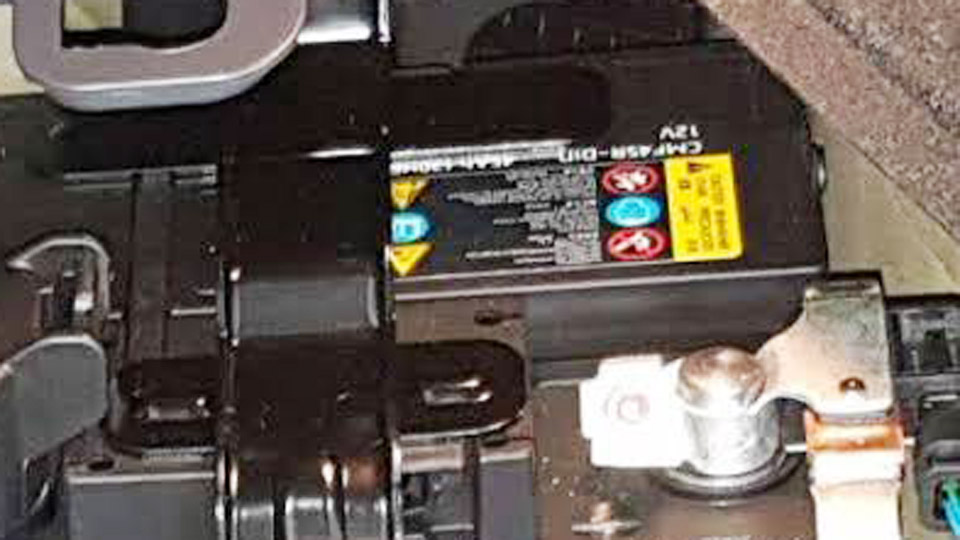
Image by ioniqforum
What Causes Lithium Batteries to Smell Sweet?
Lithium-ion batteries (including LiFePO4 variants common in solar and deep-cycle applications) use a liquid electrolyte—typically a mix of organic carbonates like dimethyl carbonate, ethyl carbonate, or similar solvents—to move lithium ions between the anode and cathode. These compounds often have a sweet, solvent-like, or ether-ish scent.
Under normal conditions, the electrolyte stays sealed inside the cell. But when things go wrong—overheating, physical damage, overcharging, or manufacturing defects—the cell can vent gases or leak fluid. That’s when you notice the smell. It’s not the lithium metal itself but the volatile organic compounds escaping.
In my experience, this shows up most often in:
- Older or abused packs in cars and motorcycles that have been deep-discharged repeatedly.
- Solar or off-grid LiFePO4 batteries exposed to temperature swings.
- Cheap imported cells or poorly balanced battery management systems (BMS).
New batteries sometimes have a faint version of this smell from trace residues during manufacturing, but a strong or persistent sweet odor almost always points to a problem.
Recognizing the Sweet Smell: Early Warning Signs of Battery Failure
Don’t wait for smoke or swelling. The sweet smell is one of the first detectable signs, often before visible damage.
Common accompanying symptoms I’ve seen in the field:
- Slight warmth or hot spots on the battery case during charging or use.
- Bulging or deformed cells—check especially in prismatic or pouch cells used in solar banks.
- Reduced capacity or sudden voltage drops under load.
- Hissing, popping, or unusual fan noise from the BMS.
- Error codes on chargers or inverters.
If you smell it in a car battery setup, pull over safely and inspect. In a solar system, it could mean one cell in a series string is failing and dragging down the whole bank. For power tools, it often follows dropping the pack or using it in extreme heat.
I’ve pulled apart swollen Li-ion packs from cordless tools where the electrolyte had seeped out—sweet smell everywhere, and the capacity was shot. Acting early saved the rest of the system more than once.
Lithium-Ion vs. Lead-Acid Batteries: Smell, Safety, and Real-World Differences
Understanding the differences helps you choose and maintain the right battery for your needs.
Lead-Acid (Flooded, AGM, Gel)
These are the old workhorses in many cars and basic solar setups. They don’t produce a sweet smell. Instead, you get a sharp, acrid sulfuric acid odor when leaking or gassing during overcharge. They’re more tolerant of abuse but heavier, with lower cycle life (300-800 cycles typically) and self-discharge rates around 5-15% per month.
Pros: Cheaper upfront, easier to find replacements, good cold cranking amps for starting engines.
Cons: Sensitive to deep discharge (below 50% kills lifespan fast), require more maintenance (checking water levels in flooded types), and produce hydrogen gas when charging.
Lithium-Ion and LiFePO4
Lighter, higher energy density (more Wh per pound), 2000-5000+ cycles, low self-discharge (1-3% per month), and better efficiency. LiFePO4 is the safer chemistry for solar and deep-cycle use—more stable, less prone to thermal runaway than standard NMC or NCA lithium-ion.
But that sweet smell is their telltale sign of trouble. Lithium packs need proper BMS protection and compatible chargers. Wrong voltage and you risk exactly the venting that causes the odor.
Comparison Table: Battery Types at a Glance
| Battery Type | Typical Voltage | Capacity Example | Cycle Life | Weight (for ~100Ah) | Upfront Cost | Sweet Smell Risk | Best For |
|---|---|---|---|---|---|---|---|
| Flooded Lead-Acid | 12V | 100Ah | 300-600 | 60-70 lbs | Low | Low | Basic car starting |
| AGM Lead-Acid | 12V | 100Ah | 500-800 | 65 lbs | Medium | Low | Marine, RV, vibration |
| Gel Lead-Acid | 12V | 100Ah | 600-1000 | 65 lbs | Medium-High | Low | Deep cycle solar |
| Lithium-Ion (NMC) | 12-48V | 100Ah (higher Wh) | 1000-3000 | 25-35 lbs | High | High if damaged | EVs, tools, portable |
| LiFePO4 | 12-48V | 100Ah | 3000-6000+ | 25-35 lbs | High | Moderate | Solar, off-grid, backup |
In practice, I recommend LiFePO4 for solar and deep-cycle applications where weight and longevity matter. For cars, stick with AGM or lithium with a proper drop-in replacement that includes a BMS compatible with your alternator.
Why the Sweet Smell Matters: Safety Risks and Real-Life Scenarios
That pleasant-sounding smell comes with real dangers. The venting electrolyte is flammable, and continued use can lead to thermal runaway—where one cell heats up, triggering others in a chain reaction.
I’ve seen it in:
- A customer’s motorcycle where a dropped lithium starter battery leaked after a crash. Sweet smell in the garage, and we caught it before a fire.
- Solar installations where poor ventilation and high summer temps caused a cell to vent. The whole bank had to be isolated quickly.
- Power tool packs left in hot trucks—smell appeared after a few seasons of abuse.
Overcharging is a top culprit. Many cheap chargers meant for lead-acid push voltages too high (above 14.6V for 12V lithium systems), causing electrolyte breakdown. Incorrect storage in freezing or scorching conditions accelerates degradation too.
Step-by-Step: Diagnosing a Sweet-Smelling Lithium Battery
- Safety First — Work in a well-ventilated area, away from sparks or flames. Wear gloves and eye protection. Disconnect the battery.
- Visual Inspection — Look for swelling, leaks (oily residue), corrosion on terminals, or burn marks.
- Smell Test — Note intensity and location. Strong near one cell? Isolate it.
- Voltage Check — Use a multimeter. A healthy 12V lithium pack rests around 12.8-13.2V when full. Individual cells should be 3.0-3.65V (LiFePO4).
- Load Test — With a battery tester or by applying a known load, check for voltage sag.
- BMS Check — Many packs have Bluetooth apps showing individual cell voltages and temps. Imbalance is a common precursor to venting.
If the smell is strong and there’s any swelling or heat, do not attempt to charge or use it. Dispose of it properly at a recycling center.
Proper Charging Practices to Avoid the Sweet Smell
Charging mistakes cause most of the issues I troubleshoot.
Use the right charger: Lithium-specific with CC/CV (constant current/constant voltage) profile. For 12V LiFePO4, absorption around 14.2-14.6V, float 13.5-13.8V. Never use a lead-acid charger without lithium mode.
Current limits: Match to your battery’s specs—usually 0.5C or less for longevity (e.g., 50A for a 100Ah pack).
Temperature awareness: Charge between 32°F and 113°F (0-45°C). Cold charging can cause lithium plating; heat speeds up electrolyte issues.
Balance regularly: Good BMS helps, but periodic top-balancing prevents weak cells from overworking.
In solar setups, ensure your charge controller is set correctly for lithium profiles. I’ve fixed many systems just by adjusting these parameters.
Maintenance Routines for Long Battery Life
- Storage: Keep at 50-70% charge in a cool, dry place (around 50-70°F). Check voltage every 3 months.
- Cleaning: Wipe terminals with a baking soda solution for corrosion (though less common on lithium).
- Inspections: In vehicles or solar, check connections quarterly. Vibration loosens things.
- Avoid full discharges: Lithium hates going below 20% SOC regularly.
Common beginner mistake: Storing a “dead” lithium pack over winter. It self-discharges into damage territory.
Replacing Batteries: Practical Tips for Cars, Solar, and More
When it’s time:
- Match voltage, capacity, and chemistry.
- For cars: Ensure the lithium drop-in has a BMS that handles alternator output (some need DC-DC chargers).
- Solar: Series/parallel configurations must match cells closely.
- Dispose old ones responsibly—many auto parts stores or recycling centers take them.
Step-by-step car battery swap:
- Disconnect negative terminal first.
- Remove hold-downs and old battery.
- Clean tray.
- Install new one, connect positive first.
- Reset any electronics if needed.
Troubleshooting Common Issues
- Smell during charging: Stop immediately. Check charger compatibility and voltage.
- Intermittent smell: Could be a single bad cell in a pack. Test individually if possible.
- Smell in cold weather: Condensation or contraction can exacerbate minor leaks.
Choosing the Right Battery for Your Setup
For daily drivers and motorcycles, a quality AGM often suffices unless you want the weight savings of lithium. Off-grid solar homeowners benefit hugely from LiFePO4—faster charging, more usable capacity, no watering.
EV and hybrid users should stick to OEM or certified replacements. Power tools: Buy genuine packs or reputable aftermarket with good BMS.
Real-World Takeaways from Years on the Job
Dealing with batteries isn’t glamorous, but getting it right saves money and headaches. The sweet smell is your battery’s way of saying “I’ve had enough.” By understanding the electrolyte’s role, using proper charging gear, and performing regular checks, you avoid most failures.
Invest in a good battery monitor or Bluetooth BMS early. Catching a single cell drifting high or low before it vents can save an entire expensive bank. Treat every battery with respect for its chemistry and limits, and it’ll serve you reliably for years.