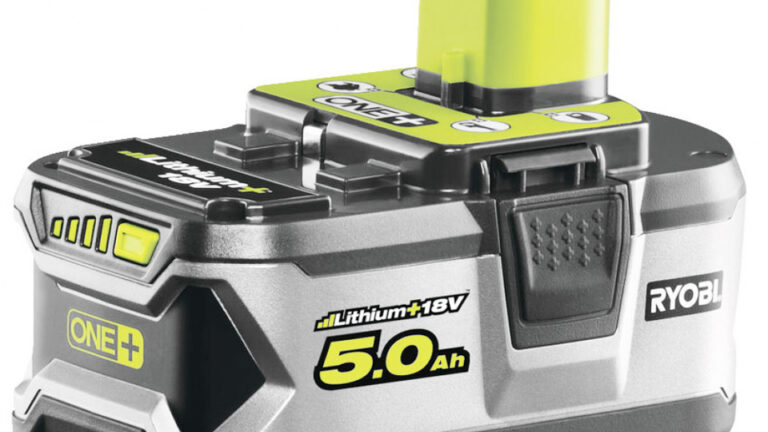
What to Do With Lithium Batteries When Flying Safely
You’re packing for a flight when you notice several lithium batteries scattered between your camera bag, laptop case, and carry-on luggage. Suddenly, a simple travel checklist turns into a confusing search for answers: what to do with lithium batteries when flying? One wrong packing decision could mean delays at security, confiscated batteries, or even safety concerns during the flight.
Many travelers assume all batteries can be packed the same way, but lithium batteries follow different rules. Whether it’s a power bank, spare camera battery, drone battery, or laptop pack, airlines and aviation authorities have specific requirements designed to reduce the risk of overheating, short circuits, and onboard fires.
Understanding these rules isn’t just about getting through airport security smoothly. Properly handling lithium batteries helps protect your devices, prevents costly replacements, and ensures you’re traveling safely and legally. A few minutes of preparation can save a lot of frustration at the airport.
I’ll explain exactly where lithium batteries should be packed, which types are restricted, and the common mistakes travelers make before boarding. You’ll also find practical tips to help you fly with confidence and avoid unexpected problems at the security checkpoint.
Image by aviationbusinessnews
Why Lithium Battery Rules for Flying Matter More Than Ever
Lithium-ion and lithium metal batteries power our modern lives, but they come with inherent risks. In a car or solar bank on the ground, a failing cell might just swell or stop working. At 35,000 feet in a pressurized cabin, the same failure can create intense heat, smoke, and fire that’s extremely difficult to extinguish.
Recent years have seen an uptick in lithium battery incidents on aircraft—power banks, vapes, and damaged devices are frequent culprits. The FAA has documented dozens of smoke, fire, or heat events annually.
That’s why spare lithium batteries are banned from checked luggage and must stay in the cabin where crew and passengers can respond quickly.
For everyday users—whether you’re a weekend warrior with camera drones, a solar homeowner flying with portable power stations, or just someone with a few power banks—the rules protect everyone. Ignoring them can lead to confiscated items, denied boarding, or serious safety issues.
Understanding Lithium Battery Types and Their Travel Behavior
Not all batteries behave the same way in the air. Here’s a breakdown based on real-world performance I’ve observed across applications.
Lithium-Ion (Li-ion) Batteries
These are the most common rechargeable types in phones, laptops, power banks, and many EV/portable solar systems. They offer high energy density but are prone to thermal runaway if damaged, overcharged, or short-circuited. In travel, focus on watt-hour (Wh) rating rather than just mAh.
LiFePO4 (Lithium Iron Phosphate)
Increasingly popular in solar deep-cycle, marine, and off-grid setups because they’re more stable and safer than standard Li-ion. They run cooler and are less likely to enter thermal runaway, but airline rules still treat them similarly to other lithium-ion batteries based on capacity.
Lithium Metal (Non-Rechargeable)
Found in some small devices like watches or medical equipment. These have strict limits by lithium content (usually 2 grams per battery).
Comparison of Battery Types for Travel
| Battery Type | Common Uses | Safety Profile | Typical Wh Limit for Easy Travel | Pros for Flying | Cons for Flying |
|---|---|---|---|---|---|
| Standard Li-ion | Phones, power banks, laptops | Moderate (thermal risk) | ≤100 Wh | High capacity, lightweight | Higher fire risk if damaged |
| LiFePO4 | Solar storage, power tools | Higher stability | ≤100 Wh | Safer chemistry, longer life | Often heavier, bulkier |
| Lithium Metal | Small electronics | Variable | ≤2g lithium content | Simple, long shelf life | Strict quantity limits |
| Lead-Acid/AGM | Car backups, some UPS | Low risk | N/A (not lithium) | Very stable | Heavy, not ideal for air travel |
From my experience, LiFePO4 users in solar setups often have an easier time because the batteries are built tougher, but you still must follow Wh limits.
Current TSA, FAA, and Airline Rules for Lithium Batteries
As of 2026, the core rules remain consistent but enforcement is tighter:
- Installed Batteries in Devices: Phones, laptops, cameras, and other electronics with built-in lithium batteries are generally allowed in both carry-on and checked bags, but carry-on is strongly recommended. Turn them off completely and protect from accidental activation.
- Spare/Uninstalled Batteries and Power Banks: Must go in carry-on only. Never in checked luggage. If your carry-on is gate-checked, remove all spares and keep them with you in the cabin.
- Capacity Limits:
- Up to 100 Wh: Generally allowed without special approval (most consumer power banks).
- 101–160 Wh: Allowed with airline approval, often limited to two spares per passenger.
- Over 160 Wh: Usually prohibited for passengers (exceptions for approved medical devices).
- Protection Requirements: Cover terminals with tape or keep in original packaging to prevent short circuits. Place in separate plastic bags.
Many airlines like Delta, American, and Southwest have additional restrictions. Some limit active use of power banks during flight or require them to be stored visibly under the seat rather than in overhead bins. Always check your specific airline 24–48 hours before departure.
Smart luggage with built-in batteries often requires removable batteries that you carry separately.
Step-by-Step: Preparing Lithium Batteries for a Flight
- Check Capacity: Look for the Wh rating on the battery or calculate it (Voltage × Amp-hours = Wh). For example, a 3.7V 20,000mAh power bank is about 74 Wh—well under the limit.
- Inspect Thoroughly: Look for swelling, dents, leaks, or heat. Never fly with a damaged battery. I’ve seen swollen cells from improper charging cause issues even on the ground.
- Protect Terminals: Use electrical tape or the original plastic covers. This prevents accidental shorts from keys, coins, or other metal in your bag.
- Pack in Carry-On: Place batteries in an easily accessible outer pocket or main compartment. Don’t bury them deep.
- For Gate Checks: If the agent says your bag is too big, pull out all spares and devices with removable batteries immediately.
- During Flight: Keep power banks accessible. Some airlines discourage charging devices mid-flight with them, especially during critical phases. Avoid storing in overhead bins if possible.
Real-World Scenarios: Cars, Solar, EVs, and Portable Power
Car and Motorcycle Owners: If you’re flying to a destination and renting a vehicle, you probably don’t need to bring car batteries. But for jump starters with lithium packs, treat them as spares—carry-on only.
Solar and Off-Grid Users: Portable solar generators and power stations often have large lithium banks. Many exceed 100 Wh, so check specs carefully. Smaller LiFePO4 modules for camping can travel if under limits. I’ve helped clients break down systems into compliant modules.
Power Tools and Electronics: Contractors flying with cordless tools should remove batteries and carry them separately. Chargers can go in checked bags.
Everyday Travelers: Multiple power banks? Stick to two solid 20,000mAh units rather than a handful of cheap ones. Quality brands with proper protection circuits are safer.
Common Mistakes That Get Batteries Confiscated or Cause Problems
- Throwing spares in checked bags “because they’re in a hard case.” Cargo holds aren’t accessible during flight.
- Flying with swollen or old batteries. One bad cell can trigger issues.
- Not calculating Wh correctly. Relying on mAh alone leads to surprises.
- Overpacking cheap no-name power banks. Many fail basic safety tests.
- Forgetting about gate checks on regional flights.
In my workshop, I’ve seen batteries ruined by temperature extremes in cargo—another reason they belong in the cabin.
Battery Maintenance and Charging Before Flying
Charge batteries to around 50–70% for storage and travel. Full charges increase risk slightly, while very low charges can cause deep discharge issues.
Use the correct charger—voltage and current matter. For lithium-ion, avoid cheap wall warts that can overheat cells. I always recommend smart chargers with proper balancing for multi-cell packs.
Store in cool, dry conditions before packing. Extreme cold or heat during layovers can stress batteries.
Safety Considerations and What Happens in a Failure
Lithium fires produce intense heat and toxic smoke. Crews train with specific extinguishers (often Class D or special agents), but prevention is key.
If you notice swelling, heat, or a hissing sound from a device, notify crew immediately. Don’t try to handle it yourself beyond isolating it if safe.
For technicians and enthusiasts: Understand that LiFePO4’s iron phosphate chemistry makes it far more resistant to thermal events than cobalt-based Li-ion—worth considering for high-stakes portable use.
Choosing the Right Batteries for Frequent Travelers
Look for batteries with:
- Built-in BMS (Battery Management System) for overcharge/short protection.
- UL or similar certifications.
- Clear Wh labeling.
- Rugged casings for travel.
Avoid mystery-brand ultra-high capacity claims that often exceed limits or lack safety features.
Troubleshooting Battery Issues Before or During Travel
- Device won’t charge: Check connections and try a different cable. Voltage drop in cheap packs is common.
- Overheating: Stop use immediately and isolate.
- Won’t hold charge: Likely degradation—replace before travel.
Practical Storage and Compatibility Tips
When not flying, store lithium batteries at 40–60% charge in moderate temperatures. For solar users integrating portable systems, match voltages carefully to avoid mismatches that could cause failures later.
Key Takeaways for Confident Battery Travel
You’ve now got the practical knowledge to handle lithium batteries safely in the air. Understand your battery types and their limits, prioritize carry-on with proper protection, inspect everything beforehand, and always verify with your airline.
This approach minimizes risks whether you’re supporting a solar setup, keeping tools ready, or just staying charged on a long trip.
Keep a small multimeter or voltage tester in your carry-on. A quick check at the airport can confirm a battery’s health and save headaches—something every experienced technician does as routine.
FAQ
Can I put power banks in my checked luggage when flying?
No. Spare lithium batteries and power banks must be in carry-on only. Checked baggage is not accessible if something goes wrong.
What is the maximum watt hours allowed for lithium batteries on planes?
Up to 100 Wh is standard without approval. 101–160 Wh often requires airline permission and is usually limited to two spares. Over 160 Wh is generally not allowed for passengers.
Do lithium batteries need to be in original packaging for flying?
Not necessarily, but they must be protected from short circuits. Tape over terminals or use individual plastic bags works well in practice.
Are LiFePO4 batteries treated differently than regular lithium-ion for air travel?
Rules are based on chemistry and capacity similarly, but LiFePO4’s stability is a practical advantage. Still follow Wh limits and carry-on rules.
What should I do if my carry-on bag gets gate-checked?
Remove all spare batteries, power banks, and removable battery devices before handing over the bag. Keep them with you personally.