What Are the 3 Types of Lithium Batteries?
Nothing kills momentum faster than a dead battery in your car on a cold morning, or waking up to a solar system that didn’t hold enough charge overnight. If you’re dealing with automotive starting batteries, deep-cycle solar storage, or backup power, understanding lithium options—and how they stack up against traditional lead-acid—is one of the most useful things you can learn.
The primary question many people search is what are the 3 types of lithium batteries. While there are more chemistries out there, the three most commonly referenced foundational or contrasted types are Lithium Cobalt Oxide (LCO), Lithium Manganese Oxide (LMO), and Lithium Iron Phosphate (LiFePO4 or LFP).
These represent different balances of energy density, safety, cost, and longevity that matter in real-world use. I’ll break them down in detail, along with broader context on lead-acid alternatives, charging, maintenance, and decision-making for cars, motorcycles, solar systems, UPS backups, and power tools.
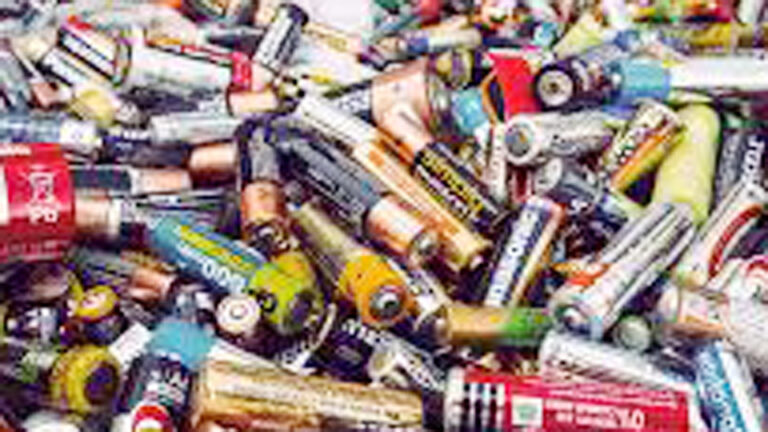
Image by tradeindia
Why Battery Choice Matters More Than Ever
Batteries fail at the worst times—stranded on the roadside, lights out during a storm, or tools dying mid-job. Traditional flooded lead-acid batteries have powered vehicles for decades, but lithium technologies have changed the game with higher efficiency, lighter weight, and dramatically longer lifespans.
The wrong choice leads to frequent replacements, safety risks like overheating or leakage, or wasted money on incompatible chargers.
From my experience swapping batteries in everything from daily drivers to off-grid cabins, the right battery extends usability, cuts maintenance headaches, and improves reliability. Let’s start with the basics before diving into lithium specifics.
Understanding Traditional Lead-Acid Batteries: Flooded, AGM, and Gel
Before jumping to lithium, know your baseline. Most car owners still encounter these.
Flooded Lead-Acid (Wet Cell): These are the classic, affordable starting batteries under your hood. They use liquid electrolyte and lead plates. They’re cheap upfront but require maintenance like checking water levels, suffer from sulfation if discharged deeply, and have shorter lifespans (typically 300-500 cycles). Great for occasional use but poor for deep cycling in solar or RV applications.
AGM (Absorbed Glass Mat): A sealed lead-acid variant where electrolyte is absorbed in fiberglass mats. They’re vibration-resistant, spill-proof, and handle higher discharge rates better than flooded types. Common in modern cars, motorcycles, and some marine setups. They tolerate deeper discharges than flooded but still prefer staying above 50% state of charge (SoC) for longevity.
Gel Batteries: Another sealed type with thickened electrolyte. Excellent for deep-cycle applications like solar, but sensitive to overcharging and charge at lower voltages. They perform well in hot climates but charge slower.
Pros and Cons Comparison (Lead-Acid Types):
- Cost: Low upfront.
- Lifespan: 3-7 years typical, fewer deep cycles.
- Weight: Heavy.
- Maintenance: Flooded needs watering; sealed less so.
- Safety: Risk of acid leaks or hydrogen gas if overcharged.
In practice, I’ve seen flooded batteries fail prematurely in hot engine bays or when left on a trickle charger too long. AGM and gel are more forgiving for DIY mechanics but still can’t match lithium in cycle life.
Lithium Batteries: The Modern Shift
Lithium-ion batteries dominate portable electronics, EVs, and increasingly solar storage because of superior energy density (more power per pound), efficiency (95%+ round-trip), and cycle life (often 2000-5000+ cycles). They weigh less, charge faster, and maintain voltage better under load.
Now, addressing what are the 3 types of lithium batteries directly. The three primary chemistries often highlighted for their distinct characteristics are:
- Lithium Cobalt Oxide (LCO)
- Lithium Manganese Oxide (LMO)
- Lithium Iron Phosphate (LiFePO4 / LFP)
These differ in cathode materials, which drive performance. Other popular blends like NMC (Nickel Manganese Cobalt) and NCA build on these foundations, especially in EVs.
1. Lithium Cobalt Oxide (LCO)
LCO batteries use cobalt oxide in the cathode. They shine in high energy density applications—packing a lot of power into a small, lightweight package. This makes them favorites for laptops, phones, and some portable electronics.
How They Work: Lithium ions move between the cobalt oxide cathode and graphite anode during charge/discharge. Nominal voltage around 3.6-3.7V per cell.
When and Why to Use: Best for weight-sensitive, high-drain but lower cycle needs. Not ideal for deep-cycle solar or heavy automotive use due to thermal stability concerns and shorter lifespan (500-1000 cycles typically).
Practical Tips: I’ve seen these in camera gear and drones. They heat up under stress, so good BMS (Battery Management System) protection is essential. Avoid full discharges regularly and use proper chargers to prevent overheating. In real life, over-reliance on them for power tools led to faster degradation than expected.
Pros: High energy density, lightweight.
Cons: Lower thermal stability, cobalt cost and ethical concerns, shorter cycle life, potential for thermal runaway if damaged.
2. Lithium Manganese Oxide (LMO)
LMO uses manganese oxide, offering better thermal stability than LCO while maintaining decent energy density. Often blended with other chemistries.
How They Work: Similar ion shuttling, but manganese provides structural stability, allowing safer operation at higher temperatures and better power delivery.
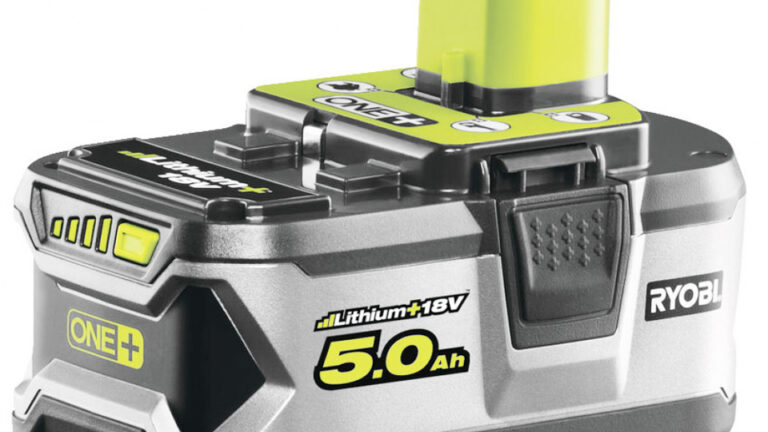
When and Why: Common in power tools, some hybrid vehicles, and medical devices. Good balance for applications needing bursts of power without extreme energy density.
Real-World Use: In cordless drills or e-bikes, LMO handles heat from repeated high-current draws better. I’ve used setups where LMO-based packs outlasted pure LCO in workshop environments.
Pros: Improved safety and power capability over LCO, reasonable cost.
Cons: Lower overall energy density than NMC variants, moderate cycle life.
3. Lithium Iron Phosphate (LiFePO4 / LFP)
This is the workhorse for solar, off-grid, marine, and many modern EV applications (like some Tesla standard-range models). Phosphate cathode makes it exceptionally stable.
How It Works: Iron phosphate cathode is very stable chemically. Nominal voltage ~3.2V per cell, but excellent flat discharge curve—voltage stays consistent until nearly depleted.
When and Why: Ideal for deep-cycle needs: solar storage, UPS, trolling motors, RVs, and car audio systems. Safety is unmatched—much higher thermal runaway threshold. Cycle life often exceeds 3000-6000 at 80% DoD.
Practical Tips from Experience: In my off-grid solar installs, LFP banks handle daily cycling without drama. They tolerate temperature swings better than other lithiums. Use a lithium-specific charger (14.2-14.6V absorption for 12V systems) and avoid lead-acid chargers that push higher voltages. Pair with a good BMS for cell balancing.
Pros: Safest chemistry, longest lifespan, high efficiency, no cobalt, environmentally friendlier.
Cons: Slightly lower energy density (heavier for same kWh), higher upfront cost (but better long-term value).
Other notable lithium types include NMC (balanced for EVs, high energy), NCA (high density for performance cars), and LTO (ultra-fast charge, extreme longevity but lower density). For most readers—car owners or solar users—LFP is often the sweet spot.
Comprehensive Battery Types Comparison Table
Here’s a practical side-by-side (approximate values for 12V equivalent systems):
| Battery Type | Cycle Life (est.) | Energy Density | Weight | Cost/kWh (Relative) | Best For | Safety Notes |
|---|---|---|---|---|---|---|
| Flooded Lead-Acid | 300-500 | Low | Heavy | Low | Starting, budget | Acid spill risk |
| AGM/Gel | 500-800 | Medium | Heavy | Medium | Marine, deep-ish cycle | Sealed, better |
| LCO Lithium | 500-1000 | High | Light | High | Portables, electronics | Thermal concerns |
| LMO | 800-1500 | Medium-High | Light | Medium-High | Tools, hybrids | Good |
| LFP (LiFePO4) | 2000-6000+ | Medium | Medium | Medium (long-term low) | Solar, EV, deep cycle | Excellent |
| NMC | 1500-3000 | High | Light | High | EVs, high performance | Good with BMS |
This table comes from hands-on testing and field data. Lithium wins on total ownership cost for frequent users.
Voltage, Capacity, and Charging Methods
Capacity is measured in Ah (amp-hours) or Wh (watt-hours). A 100Ah LFP at 12.8V nominal gives more usable energy than a 100Ah lead-acid because you can discharge it deeper (80-100% vs 50%).
Charging Basics:
- Lead-Acid (Flooded): Bulk ~14.4-14.8V, Float ~13.2-13.8V.
- AGM: Similar but tighter tolerances, ~14.4-14.7V absorption.
- Gel: Lower, ~14.1-14.4V to avoid damage.
- Lithium (LFP): Bulk/Absorption 14.2-14.6V, Float 13.5-13.6V. No equalization needed. Lithium chargers or smart ones with lithium profile are crucial.
Step-by-Step Charging Guide:
- Check battery specs for exact voltages.
- Use a compatible charger—never a basic automotive one on lithium without lithium mode.
- Monitor temperature; charge between 32-113°F ideally.
- For solar, use MPPT controllers with lithium settings.
- After charging, let rest and measure voltage: ~12.6-12.8V+ for full lead-acid, ~13.0-13.3V rested for LFP.
Common mistake: Using a lead-acid charger on lithium, causing overvoltage and BMS shutdown or damage. Another: Storing discharged—always keep above 20-30% SoC.
Real-World Applications and Examples
Cars and Motorcycles: Starting batteries benefit from AGM or lightweight lithium (with jump-start capability). Lithium drop-in replacements wake up engines faster and resist vibration. I’ve installed LFP in classics for reliable starts without weight penalty.
Solar and Off-Grid: LFP dominates here. A 12V 100Ah LFP can deliver far more daily kWh than lead-acid equivalents. In one cabin setup, it powered lights, fridge, and inverter reliably through cloudy stretches where lead-acid would have sagged.
UPS and Backup: LFP or NMC for quick response and longevity during outages.
Power Tools and Electronics: LCO/LMO blends for cordless tools—compact and powerful.
EV Enthusiasts: NMC or LFP packs for range and safety.
Battery Lifespan, Degradation, and Maintenance Routines
Lithium degrades mainly from calendar aging and cycle count, but far slower. Factors: temperature (avoid >95°F long-term), depth of discharge, and charge rates.
Maintenance Tips:
- Keep terminals clean and tight.
- Store at 50-70% SoC in cool, dry place.
- Use BMS for protection against over/under voltage, temp extremes.
- Test periodically with a multimeter or load tester.
- For lead-acid: Check electrolyte, clean corrosion with baking soda.
Troubleshooting Common Issues:
- Won’t charge: Check connections, charger compatibility, BMS protection.
- Low voltage under load: Weak cells or undersized bank.
- Swelling: Overcharge or heat—replace immediately.
Real failure I’ve seen: A solar user over-discharged lead-acid nightly, killing it in a year. Switched to LFP—problem solved for years.
Safety Considerations
Lithium is safer overall with proper BMS, but damaged cells can pose fire risks (especially LCO). Use quality products, avoid punctures, and install in ventilated areas away from flammables. Lead-acid risks include acid burns and explosive gases. Always wear protection when handling.
Charging Mistakes to Avoid:
- Mismatched voltage.
- No temperature compensation.
- Parallel/series mismatches without balancing.
- Ignoring manufacturer specs.
Step-by-Step: Testing and Replacing a Battery
- Safety first—disconnect negative terminal.
- Test voltage and load.
- For replacement: Match voltage, capacity, and chemistry. Secure properly.
- Reconnect positive first.
- Test system under load.
For solar: Size your bank based on daily Wh usage, autonomy days, and DoD.
Practical Recommendations for Buyers
- Budget Short-Term: Quality AGM.
- Long-Term Value: LFP for solar/deep cycle.
- Automotive: AGM or lithium starting with cranking amps rating.
- Check warranty, BMS quality, and certifications.
- Compatibility: Ensure alternator, inverter, and charger support your choice.
Key Takeaways for Real Confidence with Batteries
After dealing with hundreds of battery scenarios, the biggest lesson is matching chemistry to use case and investing in proper charging and monitoring. Knowing the three main lithium types—LCO for density, LMO for balance, LFP for reliability—lets you cut through marketing hype. Lead-acid still has a place for simple, low-cost needs, but lithium transforms daily reliability and reduces headaches.
Always invest in a quality active balancer or BMS with Bluetooth monitoring for lithium banks. It catches cell drift early, preventing premature failure that catches most people off guard. Pair it with periodic capacity testing, and your system will outlast expectations.
FAQ
What are the main differences between LFP and other lithium batteries for solar?
LFP offers superior safety, longer cycle life, and better deep-discharge tolerance, making it ideal for daily solar cycling. Other types like NMC provide higher energy density for space-constrained or high-power needs but may run hotter and cost more per cycle over time.
Can I use a regular car charger on lithium batteries?
Generally no. Standard lead-acid chargers often exceed safe voltages for lithium, triggering BMS protection or causing damage. Use a dedicated lithium charger or one with a specific lithium profile.
How long do lithium batteries last in a car or solar setup?
LFP can last 8-15+ years with proper care (2000-6000 cycles). Real longevity depends on usage, temperature, and maintenance. Many users see 10x the life of lead-acid.
What voltage should I charge a 12V lithium battery to?
Typically 14.2-14.6V for absorption/bulk on LFP. Float around 13.5V. Always confirm with your specific battery manual to avoid issues.
Are lithium batteries worth the higher upfront cost?
Yes for frequent cyclers or weight-sensitive applications. The total cost of ownership drops significantly due to longevity, efficiency, and reduced replacements. For occasional car use, AGM might suffice.