How to Dispose Alkaline Batteries Properly Without Risks
You’re cleaning out a junk drawer, garage shelf, or storage box when you find a handful of old AA and AAA batteries. Some are dead, some are leaking, and a few have been sitting there so long you can’t remember what they came from.
The next question is usually the same: how to dispose alkaline batteries properly without creating a safety hazard or harming the environment.
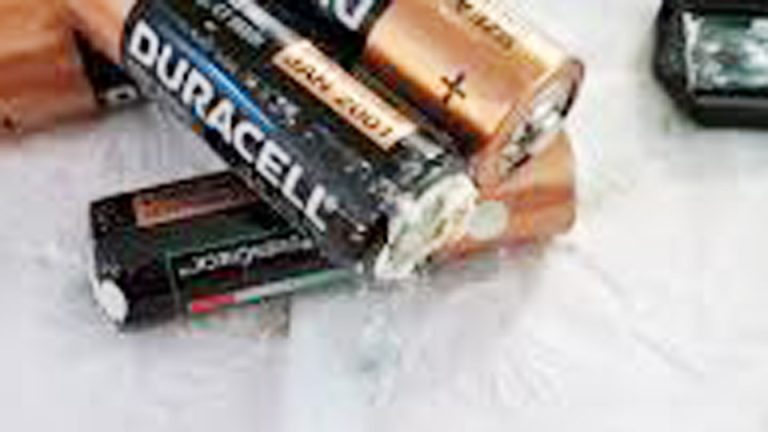
Many people simply toss used alkaline batteries into the trash without giving it a second thought. While that may be allowed in some areas, damaged or leaking batteries can still create problems if they’re handled incorrectly.
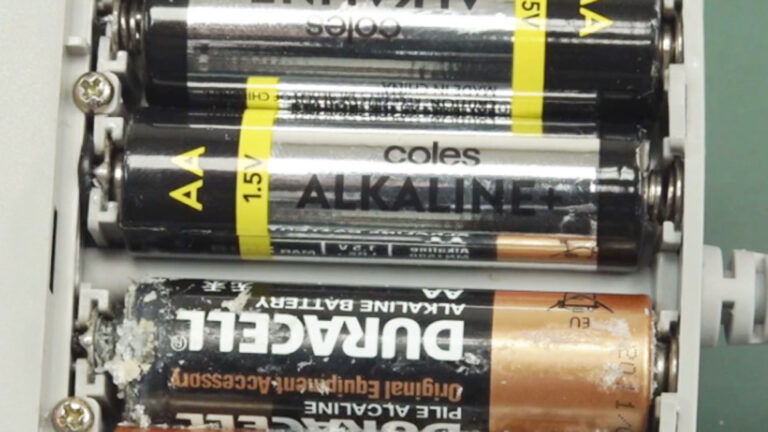
I’ve seen corroded batteries ruin flashlights, remote controls, and other devices simply because they were stored or discarded the wrong way.
Proper disposal isn’t just about following local rules. It helps prevent leakage, reduces environmental impact, and keeps old batteries from becoming a safety risk around your home or workshop. A few simple steps can make a big difference and help you avoid messy cleanup or unnecessary damage.
I’ll explain the safest ways to dispose of alkaline batteries, when recycling is the better option, and the common mistakes people make when getting rid of old batteries. You’ll also learn practical handling tips for leaking or damaged batteries so you can deal with them safely and confidently.
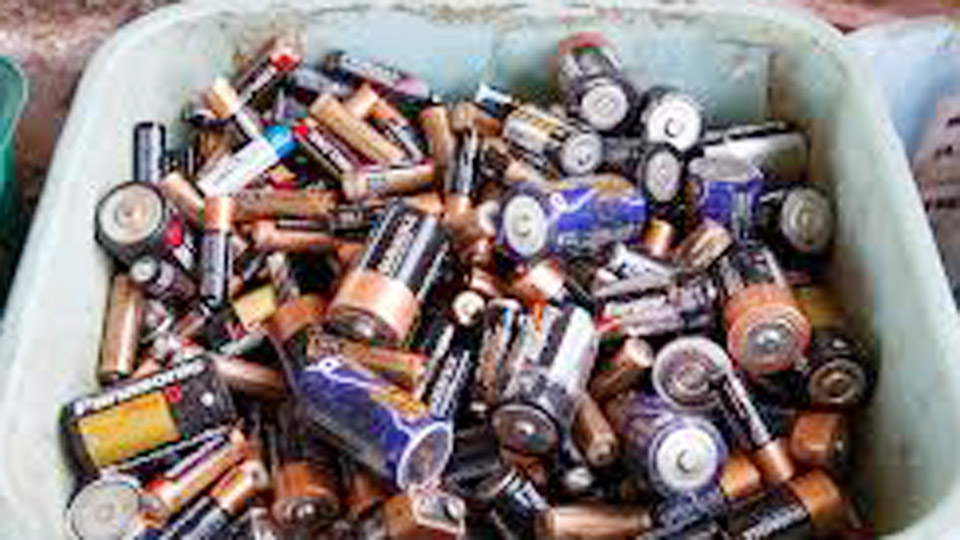
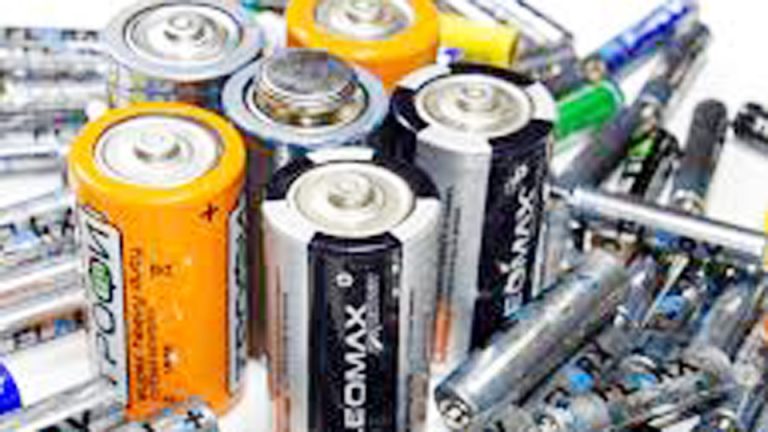
Image by seattletimes
Why Proper Alkaline Battery Disposal Matters More Than You Think
Alkaline batteries power everything from flashlights and smoke detectors to kids’ toys and wireless keyboards. They’re cheap, reliable for low-drain devices, and widely available. But once they die, most contain zinc, manganese, and a potassium hydroxide electrolyte that can become problematic in large volumes.
In my experience, the average household throws away 20–50 alkaline batteries a year without thinking twice. Multiply that across millions of homes and you see why many states and municipalities now push for better recycling programs.
Improper disposal can lead to corrosion in trash bins, potential leaks during compaction at waste facilities, and long-term environmental buildup.
I once helped a friend troubleshoot a corroded battery compartment in a high-end multimeter. The alkaline cells had leaked after sitting in storage too long. The damage was expensive and completely avoidable with better habits.
Understanding Different Battery Types Before Disposal
You can’t handle disposal correctly until you know what you’re dealing with. Here’s the practical breakdown I use when teaching technicians or helping customers.
Lead-Acid Batteries (car, motorcycle, marine, solar deep-cycle)
These are the heavy hitters. Flooded, AGM, and gel versions dominate automotive and backup power. They contain sulfuric acid and lead plates. Never treat them like regular trash.
Alkaline Batteries
Single-use cells (AA, AAA, C, D, 9V). Zinc-manganese chemistry. Generally lower risk than lithium or lead-acid but still recyclable.
Lithium-Ion and LiFePO4
Rechargeable powerhouses in EVs, power tools, laptops, and solar storage. High energy density but sensitive to damage and fire risk when punctured or short-circuited.
Nickel-Metal Hydride (NiMH) and Nickel-Cadmium (NiCd)
Older rechargeables. NiCd contains cadmium (toxic), so special handling applies.
Real-world tip: Always check the label. If it says “alkaline” or has the standard battery symbol without special markings, you’re dealing with standard alkaline chemistry.
How to Dispose of Alkaline Batteries Properly: Step-by-Step
Here’s the exact process I recommend based on years of field experience and current U.S. guidelines.
Sort and Inspect
Separate alkaline batteries from lithium, button cells, and rechargeables. Look for leaks, bulging, or corrosion. If leaking, wear gloves and neutralize residue with vinegar or baking soda solution before handling further.
Tape the Terminals
For any battery larger than AAA or showing signs of age, place non-conductive tape over both ends. This prevents accidental shorts that could cause sparks or heat.
Use Local Collection Points
Most big-box stores (Home Depot, Lowe’s, Staples, Best Buy) have free alkaline battery recycling bins. Many auto parts stores accept them too. Call ahead—some locations limit quantities.
Municipal and County Programs
Check your city or county waste management website. Many offer household hazardous waste (HHW) events several times a year. In my area near major U.S. cities, these events handle alkaline batteries alongside paint and chemicals.
Mail-In Services for Bulk
For workshops, solar installers, or heavy users, companies like Call2Recycle or Battery Solutions offer prepaid shipping boxes. This is my go-to for professional settings.
Never Do This
- Throw them in regular trash (most states discourage it)
- Burn them
- Puncture or crush them
- Store them loose in a drawer where they can short-circuit
I’ve seen corroded battery piles in garages that ruined tool chests. Proper disposal starts with not letting dead batteries accumulate.
Battery Maintenance That Reduces Waste
The best way to dispose of fewer batteries is to make them last longer.
Storage Best Practices
Keep alkaline batteries in a cool, dry place (50–70°F ideal). Avoid temperature swings in garages or attics. I store mine in original packaging or dedicated plastic bins with desiccant packs.
Voltage and Capacity Basics
Alkaline AA cells start around 1.5V nominal and drop to about 1.0V when “dead” for most devices. Use a multimeter to test—many batteries still have usable life when devices stop working.
Charging vs Single-Use
Alkaline batteries are not designed for recharging. There are “rechargeable alkaline” versions, but they have limitations. For high-use devices, switch to NiMH or lithium rechargeables and reduce disposal frequency dramatically.
Choosing the Right Battery Type for Your Needs
Lead-Acid (Flooded, AGM, Gel)
- Pros: Inexpensive, proven, good for high cranking amps (cars), tolerant of overcharge in some setups.
- Cons: Heavy, maintenance on flooded types, shorter cycle life (300–800 deep cycles).
- Best for: Vehicles, backup generators, basic solar.
Lithium-Ion / LiFePO4
- Pros: Lightweight, 2000–5000+ cycles, high efficiency, stable voltage.
- Cons: Higher upfront cost, requires proper BMS (Battery Management System), temperature sensitive.
- Best for: Solar storage, EVs, modern power tools, off-grid systems.
Alkaline
- Pros: Cheap, long shelf life (5–10 years), no maintenance.
- Cons: Single-use, lower capacity under high drain, disposal considerations.
- Best for: Low-drain devices like remotes, clocks, flashlights.
Real-world comparison from my workshop: A LiFePO4 battery in a solar setup can outlast 8–10 lead-acid equivalents over a decade, dramatically cutting replacement and disposal volume.
Charging Systems and Common Mistakes
Proper charging prevents premature failure and reduces waste.
Voltage Ranges
- Lead-acid: Bulk charge 14.4–14.8V, float 13.2–13.8V
- LiFePO4: 14.2–14.6V max, never exceed
- AGM/Gel: Follow manufacturer specs closely—gel is particularly sensitive to overvoltage
I’ve fixed too many melted chargers and swollen batteries from people using generic “12V” chargers on sensitive chemistries. Match your charger to the battery type every single time.
Smart Chargers
Invest in multi-stage chargers with desulfation for lead-acid and proper lithium profiles. They pay for themselves by extending battery life.
Safety Considerations Every User Should Know
- Wear eye protection and gloves when handling damaged batteries
- Work in ventilated areas
- Never mix old and new batteries in the same device
- Store lithium batteries away from flammable materials
- Dispose of swollen or damaged lithium cells immediately through proper channels (fire risk)
In solar installations, I always recommend fusing and proper disconnects. One shorted battery bank can create serious hazards.
Troubleshooting Battery Issues
Car Won’t Start
Test voltage (12.6V+ rested for healthy lead-acid). Load test at auto parts stores is free at many locations.
Solar System Underperforming
Check individual cell voltages in a battery bank. Imbalance is a common killer.
Power Tool Batteries Dying Fast
Lithium packs often need calibration. Some high-end chargers have refresh modes.
Alkaline Leakage
Clean immediately with baking soda solution. Corrosion spreads fast on circuit boards.
Real-World Applications and Examples
Automotive and Motorcycles
I recommend AGM batteries for most modern vehicles—better vibration resistance and no acid maintenance. Proper disposal of the old lead-acid unit goes through auto parts stores that take cores.
Solar and Off-Grid
LiFePO4 has transformed residential solar. My own small cabin system uses 48V LiFePO4 banks. Disposal volume dropped dramatically after switching from lead-acid.
UPS and Backup Systems
Many still use sealed lead-acid. Replace every 3–5 years and recycle properly.
Everyday Electronics
Stock up on name-brand alkaline batteries but rotate stock using FIFO (first in, first out). Test devices periodically.
Practical Recommendations for Long-Term Success
- Test batteries before storing seasonal equipment
- Keep a battery log for larger systems (date installed, capacity readings)
- Match battery chemistry to application—don’t cheap out on critical systems
- Build relationships with local recyclers and auto parts stores
- Teach family members basic battery safety and disposal routines
Taking Responsibility as a Battery User
After handling thousands of batteries across cars, solar arrays, tools, and electronics, I can tell you this: the small habit of proper disposal compounds into real environmental impact.
When you understand the different battery types, respect their voltage and chemistry requirements, avoid common mistakes, and dispose of alkaline batteries through the right channels, you become part of the solution instead of the problem.
The next time you drop those dead AA cells into a recycling bin at the hardware store instead of the kitchen trash, you’re making a practical difference. You’re also protecting the equipment you rely on daily and saving money over time by making better choices upfront.
Pro-Level Tip from the Workshop
For anyone working with multiple battery systems, keep a dedicated “dead battery” bin with clear labeling and terminal tape ready. Inspect and sort monthly. This single habit prevents accidental mixing of lithium and alkaline cells—a mistake that has caused more garage fires than most people realize.
FAQ
Can I throw alkaline batteries in the regular trash?
In many U.S. areas it’s still technically legal for small household quantities, but it’s not recommended. Local recycling programs make proper disposal easy and free. Why risk leaks when convenient options exist?
Are all alkaline batteries recyclable?
Yes. Major retailers and waste programs accept them. Some specialized facilities recover the zinc and manganese for new products.
How do I dispose of alkaline batteries in bulk for a business or workshop?
Use services like Call2Recycle or contact your local hazardous waste facility. Many offer business accounts with scheduled pickups.
What should I do with leaking alkaline batteries?
Neutralize the leak with baking soda or vinegar, wear gloves, bag them separately, and take them to a collection point as soon as possible. Don’t store them long-term.
How long do alkaline batteries last in storage?
Quality brands maintain usability for 5–10 years when stored properly. Always test before use in critical devices like smoke detectors.