What Are Nickel-Metal Hydride Batteries Used For? Key Uses
You’re replacing a set of rechargeable AA batteries and notice the package says “NiMH” instead of lithium or alkaline. The batteries look familiar, but you’re not quite sure where they’re best used or why so many devices still rely on them. That often leads to the question: what are nickel-metal hydride batteries used for, and are they still a good choice today?
In the workshop, I regularly come across NiMH batteries powering everything from cordless phones and camera flashes to solar garden lights and handheld electronics.
Many people overlook them because lithium batteries get most of the attention, but NiMH batteries continue to be a reliable option for countless everyday applications.
Knowing where these batteries perform best can save you money and frustration. Using the right battery type affects runtime, charging efficiency, device performance, and overall battery lifespan. It can also help you avoid common problems like short operating times, poor charging results, or frequent battery replacements.
I’ll explain the most common uses for nickel-metal hydride batteries, why manufacturers choose them for certain devices, and where they make more sense than other battery technologies. You’ll also find practical tips to help you get the best performance and longest life from your rechargeable batteries.
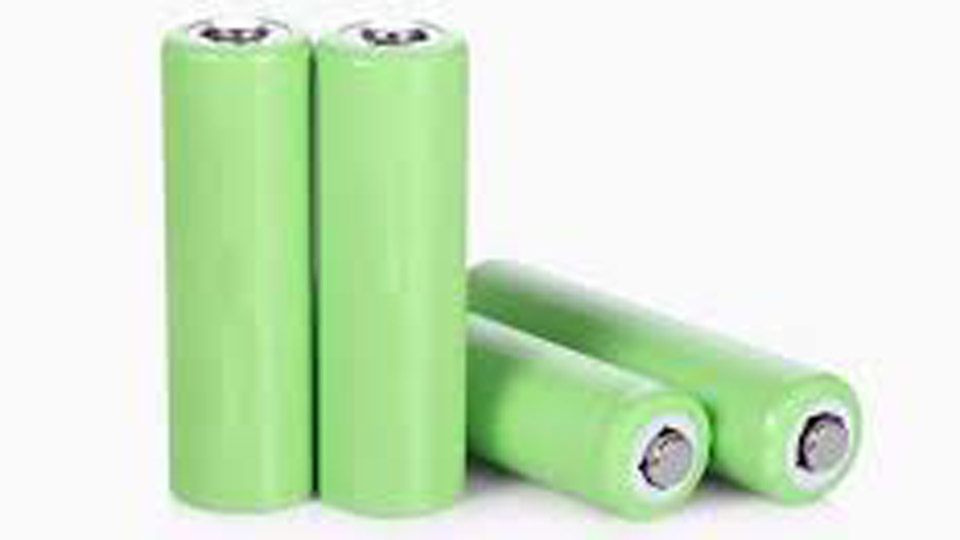
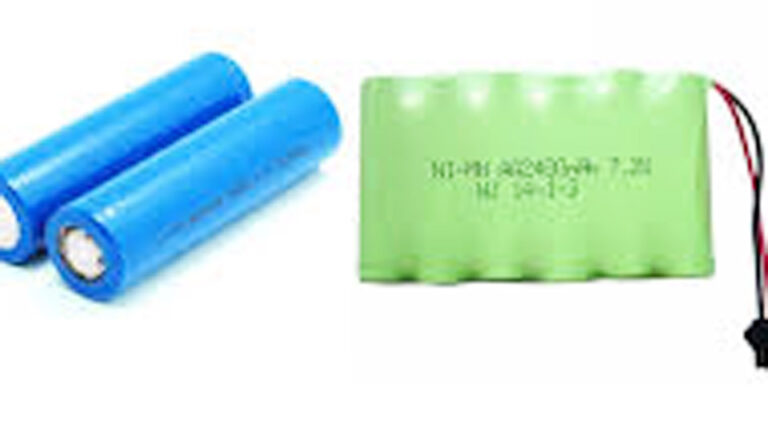
Image by samaterials
What Exactly Are Nickel-Metal Hydride Batteries?
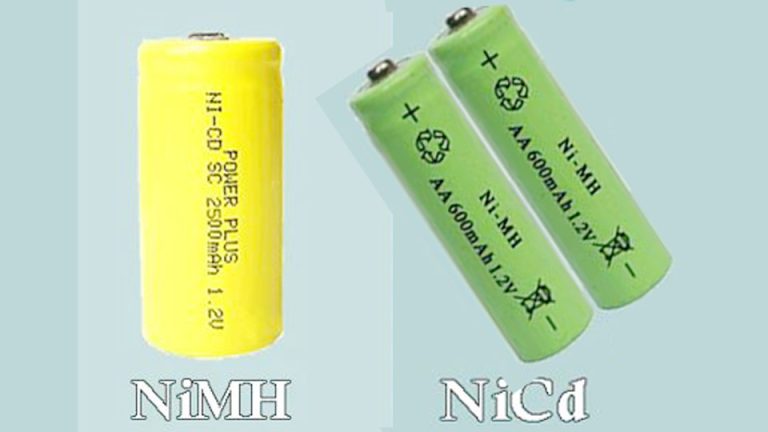
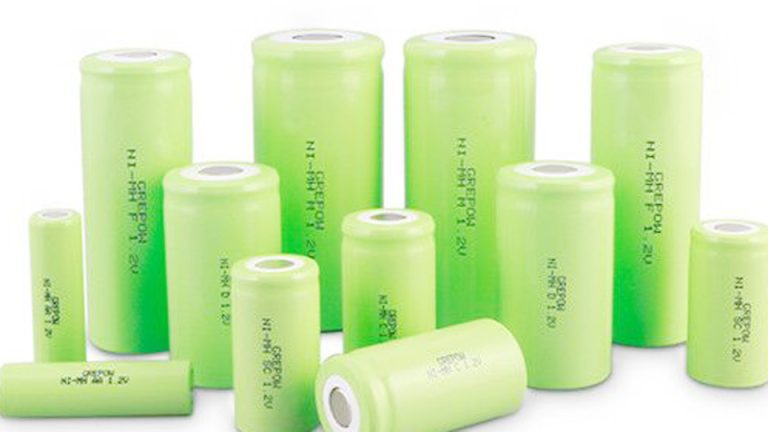
NiMH batteries are rechargeable cells that use a nickel-based positive electrode (typically nickel oxyhydroxide) and a hydrogen-absorbing alloy for the negative electrode. The electrolyte is usually potassium hydroxide. Unlike older nickel-cadmium (NiCd) batteries, they ditch the toxic cadmium, making them a greener step forward.
A single NiMH cell puts out a nominal 1.2 volts—lower than the 3.6–3.7V of lithium-ion or the 2V of many lead-acid cells. That means you often stack them in series for higher voltages, like 7.2V packs for tools or 12V+ banks for other uses.
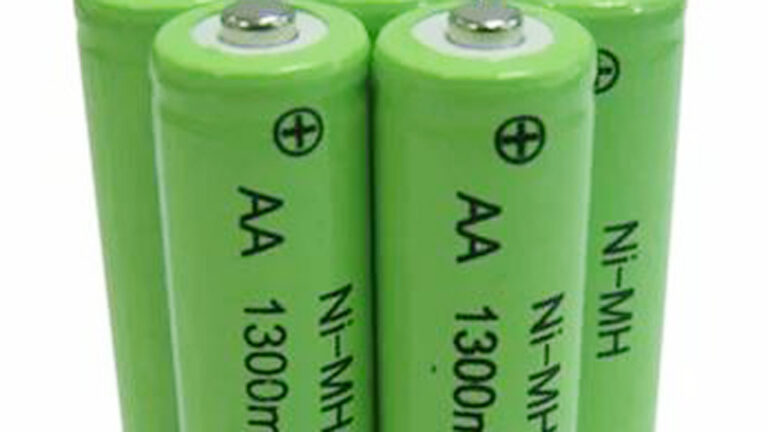
Capacity is measured in ampere-hours (Ah) or watt-hours (Wh), and real-world packs range from small AA/AAA cells (around 1,000–2,800 mAh) up to larger modules for vehicles or storage.
In my experience, the chemistry delivers solid energy density—better than lead-acid or NiCd, though lithium-ion still wins on raw Wh/kg. What makes NiMH practical is the balance: decent power delivery, tolerance for abuse in moderate conditions, and no dramatic thermal runaway like some lithium packs.
How Do NiMH Batteries Actually Work?
The magic happens through a reversible electrochemical reaction. During discharge, hydrogen ions move from the negative alloy electrode to the positive nickel electrode. Charging reverses it. This process is efficient enough for hundreds of cycles when handled right.
Real-world behavior differs from lab specs. NiMH cells heat up noticeably near full charge—that’s normal and one way smart chargers detect full. They have a higher self-discharge rate than lithium (around 1% per day for standard cells, less for low-self-discharge/LSD versions), so they lose juice sitting on a shelf.
Voltage drops gradually rather than holding flat like lithium, which can feel like “weaker” performance in high-drain devices over time.
I’ve tested packs where a fresh NiMH AA holds strong for cameras or remotes but sags faster in high-current draws compared to lithium. That’s why matching the application matters.
Common Applications: Where NiMH Batteries Are Still Used Every Day
Consumer Electronics and Portables
NiMH shines in devices that need steady, moderate power without extreme weight savings. Think digital cameras, cordless phones, wireless mice, game controllers, flashlights, and toys. AA and AAA rechargeables are everywhere here because they’re cheap, readily available, and handle hundreds of cycles.
I’ve rebuilt countless remote controls and kids’ toys with LSD NiMH cells. They last years with occasional top-ups and don’t die from occasional full discharges like some chemistries.
Power Tools and Cordless Equipment
Many older (and some current) cordless drills, saws, and impact drivers used NiMH packs. They deliver good burst current and tolerate the vibration and temperature swings of job sites better than early lithium in some cases.
Modern tools have largely moved to lithium for lighter weight and higher performance, but NiMH remains a solid, cost-effective choice for lighter-duty or backup use.
Hybrid Vehicles and Automotive
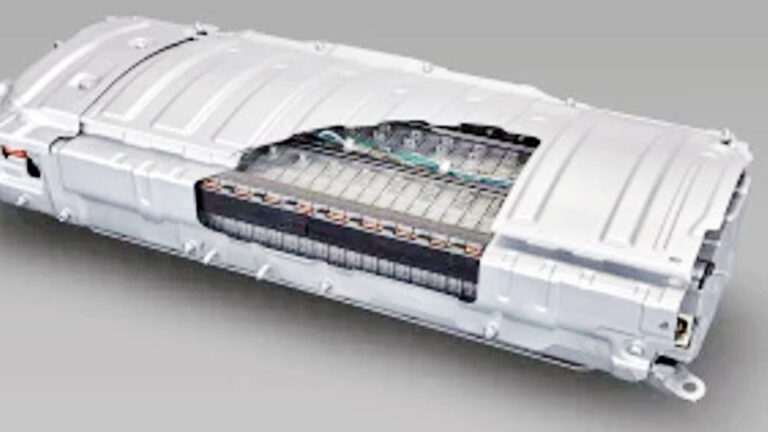
This is where NiMH made its biggest mark. Early Toyota Prius and other hybrids relied heavily on NiMH battery packs for the electric assist. They offered reliability, good temperature performance, and longevity in the demanding automotive environment—often outlasting expectations with proper thermal management.
For regular car owners with starter batteries, NiMH isn’t typical (lead-acid or AGM dominates), but for motorcycle or small EV conversions, they appear in custom packs.
Solar, Off-Grid, and Backup Power
In smaller solar setups or UPS systems, NiMH can serve for moderate storage. They’re not the first choice for massive deep-cycle needs (LiFePO4 or lead-acid often win there), but for portable solar lights, emergency lighting, or backup in RVs/cabins, they provide reliable cycles without the fire risks some associate with lithium.
Other Uses
Medical devices, emergency systems, and industrial equipment still use them where safety, recyclability, and consistent performance trump maximum energy density.
NiMH vs. Other Battery Types: A Practical Comparison
Choosing the right battery means understanding trade-offs. Here’s how they stack up based on real-world use:
Pros of NiMH:
- More environmentally friendly than NiCd (no cadmium).
- Good cycle life (500–1,000+ cycles with care).
- Safer than lithium—no thermal runaway risk under normal conditions.
- Tolerant of overcharge to some degree and performs well across moderate temperatures.
- Lower cost per cycle in many frequent-use scenarios.
Cons of NiMH:
- Lower energy density and higher weight than lithium-ion.
- Higher self-discharge.
- More sensitive to improper charging than lead-acid.
- Voltage sag under heavy load.
Comparison Table (approximate real-world values):
| Feature | NiMH | Lead-Acid/AGM | Lithium-Ion/LiFePO4 |
|---|---|---|---|
| Nominal Voltage/Cell | 1.2V | 2V | 3.2–3.7V |
| Energy Density (Wh/kg) | 60–120 | 30–50 | 90–250+ |
| Cycle Life | 500–1,000+ | 300–800 | 1,000–5,000+ |
| Self-Discharge | Moderate-High | Low | Very Low |
| Safety | Good | Good | Variable (BMS needed) |
| Cost (initial) | Moderate | Low | Higher |
| Best For | Portables, hybrids, tools | Deep cycle storage | High performance, EVs |
In a solar cabin I helped wire, we used LiFePO4 for the main bank but kept NiMH for portable lights and backups—reliable and simple.
Charging NiMH Batteries: Methods That Actually Work
This is where most people go wrong. NiMH needs specific charging to avoid damage.
Recommended Approach:
- Use a smart charger with -ΔV (negative delta voltage) detection, temperature monitoring, and timers. Aim for 0.5C to 1C charge rates (e.g., 1–2A for a 2Ah cell).
- Charging voltage is typically around 1.4–1.5V per cell at the end.
- For packs, match the charger’s output exactly.
Step-by-Step Charging Guide:
- Inspect the battery for damage, leaks, or bulging—never charge damaged cells.
- Use the correct charger—don’t mix NiCd and NiMH chargers blindly.
- Charge at room temperature (ideally 50–80°F).
- Let it finish the cycle; remove promptly when done.
- For storage, keep at 40–70% charge and top up every few months.
Trickle charging is possible but risky long-term—smart chargers are worth the investment.
Maintenance, Storage, and Extending Lifespan
Treat NiMH right and they’ll serve you for years. Common mistakes I’ve seen:
- Leaving them in chargers indefinitely → heat buildup and capacity loss.
- Storing fully discharged → risk of polarity reversal in packs.
- Mixing old and new cells in a pack → imbalance and early failure.
- Using in extreme cold without warming → poor performance.
- Ignoring self-discharge in low-use devices.
Practical Maintenance Routine:
- Cycle new batteries 3–5 times to reach full capacity.
- Clean terminals regularly.
- Store in a cool, dry place.
- For solar or backup use, periodic full discharge/recharge helps calibrate.
- Test capacity with a decent analyzer every 6–12 months.
Real failure scenarios: A hybrid pack that cooked because of poor cooling, or tool packs that died from over-discharge in winter. Prevention is straightforward with monitoring.
Safety Considerations for NiMH Batteries
NiMH is relatively safe—they vent hydrogen and oxygen under abuse but don’t explode like damaged lithium. Still:
- Charge in ventilated areas.
- Never short-circuit.
- Avoid puncturing or crushing.
- Dispose/recycle properly (they contain metals worth recovering).
In a workshop fire incident I heard about, unattended overcharging was the culprit—always monitor or use smart systems.
Step-by-Step: Testing, Replacing, and Troubleshooting
Testing a NiMH Pack:
- Measure resting voltage (1.2V+ per cell good).
- Use a load tester or capacity analyzer.
- Check individual cells in a pack for balance.
Replacing in a Vehicle or System:
Match voltage, capacity, and connector type. For hybrids, professional service is often best due to high voltages.
Troubleshooting Low Performance:
- High self-discharge? Check for memory effect (less issue than NiCd) or age.
- Won’t hold charge? Test for internal shorts.
- Overheating? Improve ventilation or reduce charge rate.
Practical Recommendations for Different Users
For Car and Motorcycle Owners: NiMH can work in smaller starter or accessory roles, but AGM or lithium starter batteries often edge them out now. In hybrids, follow OEM maintenance.
For Solar/Off-Grid: Great for small daily cycling. Pair with proper charge controllers. Calculate Ah needs: Daily load (Wh) ÷ system voltage ÷ efficiency.
For Power Tools: Stick with manufacturer packs or quality aftermarket. Use fast smart chargers.
Charging Voltage and Current: Stick to manufacturer specs—typically constant current followed by trickle or termination.
Compatibility: Don’t mix chemistries in the same device/pack.
Real-World Takeaways from the Bench
After swapping batteries in everything from Prius packs to solar sheds, NiMH remains relevant because it’s predictable and forgiving in the right niches.
Lithium dominates high-performance, lead-acid cheap deep cycle, but NiMH fills the middle ground beautifully for portables and moderate storage.
You’re now equipped to diagnose issues, choose wisely, maintain packs, and avoid the costly mistakes that sideline so many systems.
The biggest pro tip from years of diagnostics: Always balance your packs and invest in a good charger with individual cell monitoring—it’s the single upgrade that doubles effective lifespan more than anything else.
FAQ
Are NiMH batteries good for solar power storage?
Yes, for smaller or portable solar setups and emergency lighting. They handle daily cycling well and are safer than lithium in some scenarios, but for large deep-cycle needs, LiFePO4 usually offers better long-term value and capacity.
How long do NiMH batteries last in real use?
Expect 500–1,000 cycles or 3–5+ years with proper care. Heavy use in tools or vehicles shortens this; light use in remotes extends it. LSD versions hold charge better on shelves.
Can I use a NiCd charger for NiMH batteries?
Sometimes, but it’s risky. NiMH is more sensitive to overcharge. Dedicated smart NiMH chargers with proper termination are strongly recommended to avoid heat damage.
Why did my NiMH pack stop holding a charge?
Common causes: age/degradation, improper storage (too low voltage), overcharging, or cell imbalance. Test individual cells and replace weak ones.
Are NiMH batteries safer than lithium-ion?
Generally yes for everyday handling—they’re less prone to fire from physical damage or overcharge. Proper charging and storage are still essential.