How Does a Nickel Metal Hydride Battery Work? Key Benefits
A cordless drill that used to run for hours suddenly struggles to finish a simple job. The charger says the battery is full, yet the runtime feels shorter every month. Situations like this often lead people to ask: how does a nickel metal hydride battery work, and what makes it different from other rechargeable battery types?
Nickel metal hydride (NiMH) batteries have powered everything from rechargeable AA batteries and cameras to power tools and hybrid vehicles. Many people use them regularly without knowing what’s happening inside the battery every time it charges and discharges.
Understanding how these batteries work can help you get better performance, longer service life, and fewer charging problems. It also makes it easier to avoid common mistakes that lead to reduced capacity, poor runtime, or premature battery failure. When you know what affects a battery’s health, you can save money and avoid replacing it sooner than necessary.
I’ll explain the inner workings of NiMH batteries in simple terms, how they store and release energy, and the practical factors that affect their performance in real-world use. You’ll also learn useful tips to help your batteries last longer and work more reliably.

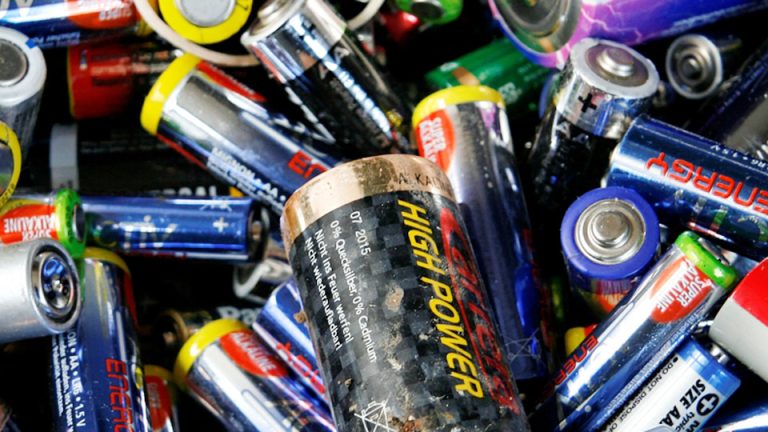
Image by eeworldonline
The Basics: What Is a Nickel Metal Hydride Battery?
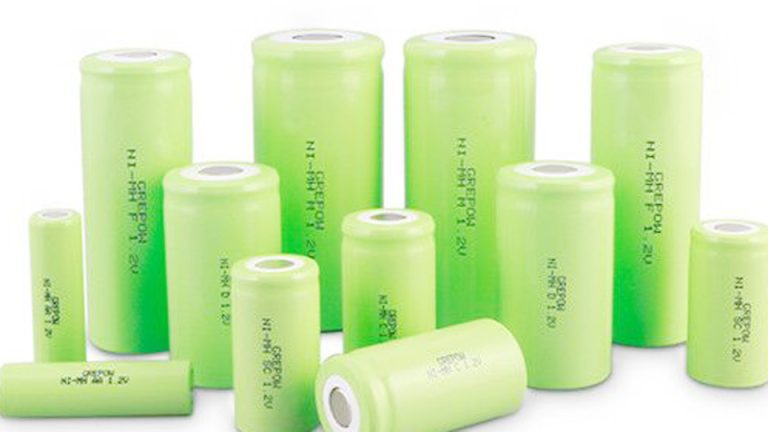
A NiMH battery is a rechargeable electrochemical cell that stores and releases energy through reactions involving nickel compounds and hydrogen-absorbing alloys. The positive electrode (cathode) uses nickel oxyhydroxide (NiOOH), while the negative electrode (anode) relies on a metal hydride alloy that stores hydrogen.
The electrolyte is typically an alkaline solution like potassium hydroxide (KOH), which stays relatively stable during operation.
In a typical AA or AAA cell, or larger packs, these components are rolled or stacked inside a steel or plastic case with a separator to prevent short circuits. Nominal voltage per cell is about 1.2V, which stays fairly flat during most of the discharge cycle—unlike alkaline batteries that drop off quickly. This makes NiMH great for devices needing consistent power.
From my experience, NiMH cells shine in moderate-drain applications where safety and cost matter more than extreme energy density. They’re not as light or powerful as lithium-ion, but they handle abuse better in some cases and don’t require fancy battery management systems (BMS) for basic use.
How Does a Nickel Metal Hydride Battery Work? The Chemistry in Action
Let’s get into the reactions without the fluff. During discharge (when powering your device):
- At the negative electrode (anode): The metal hydride (MH) releases hydrogen, which reacts with hydroxide ions (OH⁻) in the electrolyte to form water and release electrons: MH + OH⁻ → M + H₂O + e⁻.
- At the positive electrode (cathode): Nickel oxyhydroxide gains electrons and turns into nickel hydroxide: NiOOH + H₂O + e⁻ → Ni(OH)₂ + OH⁻.
Electrons flow through the external circuit, powering your tool, flashlight, or hybrid vehicle motor. The overall process moves hydrogen from the anode to the cathode area.
Charging reverses this. Applying current from a charger:
- Positive electrode oxidizes back to NiOOH.
- Negative electrode absorbs hydrogen again into the alloy.
The electrolyte facilitates ion movement but doesn’t get consumed much, which contributes to decent cycle life. Heat builds up near the end of charge due to oxygen recombination—a safety feature that prevents excessive pressure in well-designed cells.
In practice, I’ve seen this chemistry hold up in cordless drills used daily on job sites. The flat voltage curve means your tool doesn’t slow down noticeably until it’s nearly empty, unlike lead-acid packs that sag early.
NiMH in Context: Comparing to Other Battery Types
No battery exists in isolation. Here’s how NiMH stacks up against common alternatives for cars, solar, and more.
Lead-Acid (Flooded, AGM, Gel): These are the workhorses for starting cars and basic solar storage. They’re cheap and robust but heavy, with lower energy density (30-50 Wh/kg) and recommended 50% depth of discharge (DoD) to avoid damage. Cycle life is often 300-500 cycles. NiMH offers better energy density (around 60-120 Wh/kg) and less maintenance but costs more upfront.
AGM (Absorbed Glass Mat): A sealed lead-acid variant popular for deep-cycle solar and RV use. Better vibration resistance than flooded, but still heavier and slower to charge than NiMH or lithium.
Gel: Similar to AGM but with thicker electrolyte. Great for very deep discharges but sensitive to high charge currents and temperatures.
Lithium-Ion (including LiFePO4): These dominate modern EVs and high-end solar. Much higher energy density (100-250+ Wh/kg), 80-100% DoD usable, and thousands of cycles. But they’re pricier, need BMS for safety, and can be finicky in extreme cold. NiMH is safer in terms of thermal runaway risk and simpler for DIY packs.
| Battery Type | Nominal Voltage | Energy Density (Wh/kg) | Typical Cycle Life | Cost per kWh (approx.) | Best For |
|---|---|---|---|---|---|
| Flooded Lead-Acid | 2V/cell (12V nominal) | 30-50 | 300-500 | Low | Automotive starting, cheap solar |
| AGM/Gel | 2V/cell | 40-60 | 500-800 | Medium | Deep cycle, marine, UPS |
| NiMH | 1.2V/cell | 60-120 | 500-1000+ | Medium | Hybrids, tools, moderate solar |
| LiFePO4 (Lithium) | 3.2V/cell | 100-180 | 2000-5000+ | High | High-performance solar, EVs |
Pros of NiMH:
- Good power density for bursts (power tools).
- Tolerant of overcharge to some extent with proper chargers.
- Lower fire risk than lithium.
- Recyclable and more environmentally friendly than older NiCd.
Cons:
- Higher self-discharge rate (can lose 20-30% per month if not low-self-discharge variants).
- Lower voltage per cell requires more cells in series.
- Memory effect (voltage depression) possible but reversible with full cycles.
For a hybrid car owner, NiMH packs (like in older Toyota Prius) provide reliable assist without the complexity of liquid-cooled lithium systems. In solar, they’re less common now but useful for smaller 12V or 24V setups where weight isn’t critical.
Real-World Applications: Where NiMH Makes Sense
Automotive and Motorcycles: Older hybrids used large NiMH packs. They handle high temperatures and frequent shallow cycles well. For motorcycles or ATVs with electric start, NiMH offers lightweight rechargeables over lead-acid.
Solar and Off-Grid Systems: In smaller setups or as backup, NiMH can store daytime solar for night use. They pair nicely with simple charge controllers. I’ve helped folks with cabin systems where NiMH packs in series provided steady 12V output without the sulfation headaches of lead-acid.
UPS and Backup Power: Their reliability in emergency lighting and uninterruptible supplies comes from quick response and decent float life.
Power Tools and Electronics: This is where NiMH still rules for many cordless drills and cameras. Consistent voltage and high discharge rates beat alkalines.
Everyday Users: AA/AAA NiMH for remotes, toys, and flashlights—especially low-self-discharge (LSD) versions like Eneloop that hold charge for years on the shelf.
Practical Charging Methods and Best Practices
Charging is where most mistakes happen. Use a dedicated NiMH smart charger that detects -ΔV (voltage drop) or temperature rise to stop charging. Trickle charging modern cells can damage them—avoid constant low-current float unless specified.
Step-by-Step Charging Guide:
- Check battery condition with a multimeter. Healthy cells read ~1.2-1.4V when charged.
- Match charger to pack voltage and capacity (C-rate). For fast charging, 0.5C to 1C is common; slower is gentler.
- Charge at room temperature (ideally 15-25°C/59-77°F). Heat kills them.
- Monitor for warmth at the end of charge—that’s normal oxygen recombination.
- Don’t leave on charger indefinitely.
Correct voltage: Chargers typically output 1.4-1.5V per cell during bulk phase. For a 12V (10-cell) pack, aim for around 14-15V total.
Battery Maintenance, Storage, and Lifespan
NiMH lifespan depends on cycles, temperature, and care—often 500-1000 cycles with good habits. Degradation shows as reduced capacity and faster self-discharge.
Maintenance Tips:
- Use regularly; occasional full discharge/recharge refreshes them.
- Store at 40-60% charge in a cool, dry place. Avoid full charge or full discharge for long-term storage.
- Keep terminals clean; corrosion is rare but possible in humid environments.
- For packs, balance cells periodically with a good charger.
Common Mistakes I See:
- Mixing old and new cells in a pack—leads to imbalance and early failure.
- Using lead-acid chargers (wrong voltage/current).
- Storing fully discharged or in extreme heat/cold.
- Ignoring heat during fast charging in tools.
Real failure scenario: A solar backup pack that wouldn’t hold charge because one cell reversed polarity from deep discharge. Solution? Test individually, replace weak cells, and use a balancer.
Step-by-Step: Testing and Replacing NiMH Batteries
- Voltage Check: Use a digital multimeter. Under load, voltage shouldn’t drop below ~1.0V per cell quickly.
- Capacity Test: Discharge at known current and time it, or use a battery analyzer.
- Internal Resistance: Higher resistance means aging.
- Replacement: Match capacity and chemistry. For packs, solder or spot-weld carefully.
In automotive hybrids, professional diagnostic tools are needed, but for DIY, a good charger with discharge function helps.
Safety Considerations
NiMH are safer than lithium but not risk-free. Overcharging generates heat and gas. Leaking electrolyte (KOH) is caustic—wear gloves. Dispose properly through recycling programs. Never short-circuit or puncture cells.
In solar or UPS setups, fuse the lines and use proper enclosures. For car batteries, secure mounting prevents vibration damage.
Troubleshooting Common Issues
- Won’t Charge: Check for zero-volt cells (dead, needs special revival) or bad connections.
- Quick Drain: High self-discharge or imbalance.
- No Power: Reversed polarity in pack—disassemble and test.
- Overheating: Faulty charger or overcurrent.
Prevention beats cure: Buy quality cells, use matching chargers, and monitor.
Choosing the Right Battery for Your Needs
For a daily driver car with stop-start, stick with AGM or lithium starter batteries. For hybrid conversion or tools, NiMH remains practical. Solar users: Calculate your Wh needs, factor in DoD, and size accordingly. Always consider total cost of ownership—NiMH might win on upfront price and simplicity for moderate systems.
Voltage and Capacity Basics: Understand Ah (amp-hours) for runtime and Wh (watt-hours) for true energy. A 2000mAh NiMH AA at 1.2V delivers about 2.4Wh. Scale up for packs.
Practical Recommendations from the Shop
- For power tools: High-capacity NiMH or upgrade to lithium if budget allows.
- Solar: Pair with MPPT controllers tuned for the chemistry.
- Storage: Cool, partial charge, periodic top-up.
- Compatibility: Don’t mix chemistries in the same system.
Key Takeaways for Confident Battery Management
Working with NiMH and other types has taught me that success comes from matching the battery to the job, charging correctly, and staying ahead of maintenance.
You now know the chemistry behind NiMH, how it compares to lead-acid, AGM, gel, and lithium options like LiFePO4, and the real-world pitfalls that shorten life.
When rebuilding a pack, always capacity-match and cycle the entire set a few times before heavy use. It reveals weak cells early and maximizes performance.
FAQ
How long do NiMH batteries last compared to lithium?
NiMH typically deliver 500-1000 cycles with proper care, less than premium LiFePO4 but competitive with lead-acid. Real lifespan depends on depth of discharge and temperature—shallow cycles extend it significantly.
Can I use a NiMH battery in my car or solar system?
Yes for auxiliary or hybrid applications, but not ideal as a direct replacement for lead-acid starters due to voltage differences. In solar, they work for smaller systems; lithium or AGM often scale better for larger ones.
What’s the best way to charge NiMH batteries without damaging them?
Use a smart charger with -ΔV or delta-T detection. Avoid generic chargers and overcharging. Charge at moderate rates in moderate temperatures.
Why is my NiMH battery losing charge so fast on the shelf?
High self-discharge is common in standard NiMH. Switch to low-self-discharge (LSD) versions for storage or infrequent use.
Are NiMH batteries safe?
Generally yes—lower risk of fire than lithium. Follow proper charging, avoid shorts, and recycle responsibly. Heat and leaks are the main concerns.