How to Dispose of a Used Car Battery Safely & Legally
Few things are more annoying than discovering your car won’t start and realizing the battery has finally reached the end of its life. After replacing it, many people are left with a heavy, bulky battery sitting in the garage, wondering how to dispose of a used car battery safely and legally.
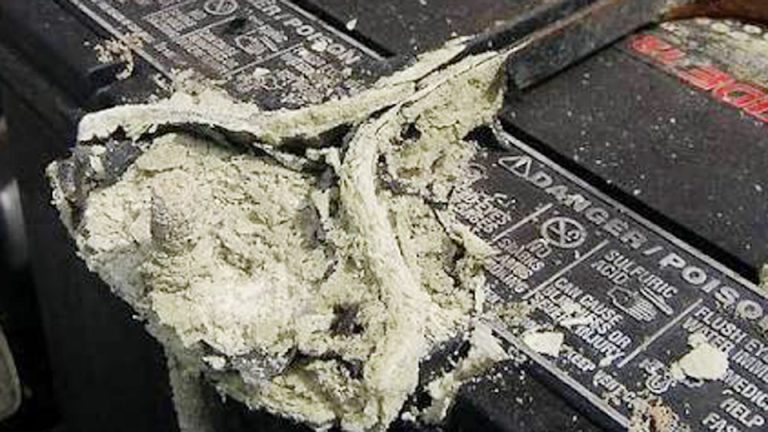
I’ve noticed that a lot of drivers don’t realize an old car battery is more than just another piece of automotive waste. Lead-acid batteries contain materials that can be harmful if they’re thrown in the trash, stored improperly, or damaged during handling.
I’ve even seen people leave dead batteries in sheds or workshops for years, not knowing they could leak and create a bigger problem later.
Proper disposal isn’t just about protecting the environment. It can also save you money, since many retailers, recycling centers, and auto parts stores offer battery recycling programs or core refunds when you return an old battery.
Taking a few minutes to dispose of it correctly helps keep hazardous materials out of landfills and ensures valuable components are recycled and reused.
I’ll explain the safest ways to get rid of a used car battery, where you can take it for recycling, and the common mistakes you should avoid. By the end, you’ll know exactly what to do with that old battery instead of letting it collect dust in the corner of your garage.
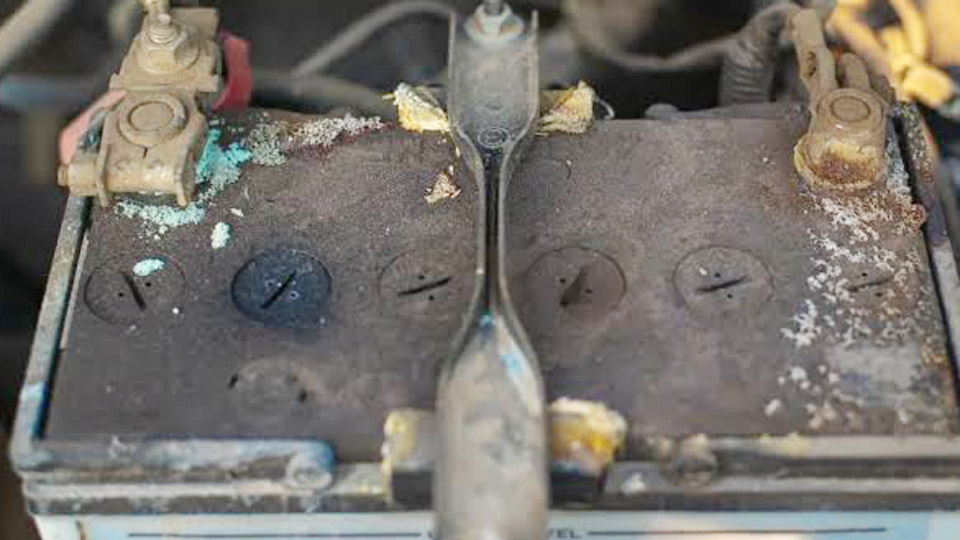
Image by swbatteries
Why Proper Battery Disposal Matters in Real Life
Car batteries don’t just stop working—they fail at the worst times. A neglected battery can leak acid, corrode terminals, or even cause fires if shorted. Lead and acid contaminate groundwater if landfilled, affecting wildlife and drinking water supplies. Lithium variants add fire risks during improper storage or crushing.
Beyond the environment, there’s the financial side. Most new batteries come with a “core charge”—a refundable deposit you get back when you return the old one. Skip recycling, and you’re out that money plus potential fines.
Retailers and recyclers recover nearly all the materials, turning your old battery into new ones or other lead products. It’s one of the most successful recycling loops out there.
Understanding Different Battery Types: The Foundation for Better Decisions
Before you dispose of anything, know what you’re dealing with. Battery chemistry affects handling, recycling, lifespan, and replacement choices.
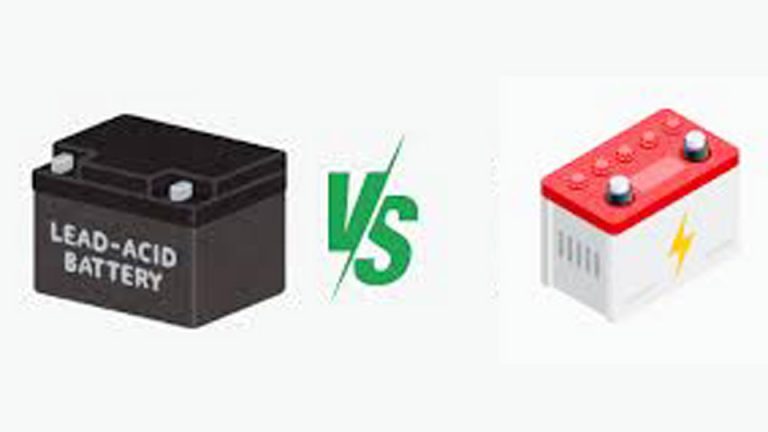
Flooded Lead-Acid Batteries
These are the classic, affordable workhorses in most older cars and motorcycles. They use liquid electrolyte that you can check and top off with distilled water in some models.
Pros: Cheap upfront, widely available, easy to test and maintain.
Cons: Require regular checks to prevent sulfation and plate damage. Can spill acid if tipped. Shorter lifespan in deep-cycle use (often 3-5 years).
Real-world example: In a daily commuter car, these handle starter loads fine but hate sitting discharged over winter.
AGM (Absorbed Glass Mat) Batteries
Electrolyte is absorbed in fiberglass mats—no free liquid. Popular in modern vehicles with high electrical demands, stop-start systems, and motorcycles.
Pros: Spill-proof, vibration-resistant, faster recharge, better cold cranking amps, longer life (often 4-7+ years with care). Low maintenance.
Cons: More expensive than flooded. Sensitive to overcharging if using the wrong charger.
I’ve seen AGMs last significantly longer in trucks with winches or audio systems compared to flooded equivalents.
Gel Batteries
Similar to AGM but with a silica-thickened electrolyte. Common in deep-cycle applications like solar, RVs, and marine use.
Pros: Excellent for deep discharges (can handle 50-90% DOD better than AGM in some cases), low self-discharge, very safe.
Cons: Slower recharge, more expensive, sensitive to high charge voltages. Not ideal for high-cranking automotive starts.
Lithium-Ion (Including LiFePO4)
Lightweight, high energy density options gaining traction in EVs, performance cars, solar storage, and power tools.
Pros: Much longer lifespan (8-10+ years or thousands of cycles), lighter weight, higher efficiency, minimal maintenance, better depth of discharge.
Cons: Highest upfront cost. Requires compatible BMS (Battery Management System) and chargers. Fire risk if damaged or improperly handled during disposal.
Comparison Table: Battery Types at a Glance
| Type | Lifespan (Years) | Weight | Cost | Best For | Maintenance | Recycling Notes |
|---|---|---|---|---|---|---|
| Flooded Lead-Acid | 3-5 | Heavy | Low | Standard cars | High | Easy, widespread |
| AGM | 4-7+ | Medium | Medium | Modern vehicles, marine | Low | Same as lead-acid |
| Gel | 4-8 | Medium | Medium-High | Deep-cycle (solar/RV) | Low | Lead-acid recycling |
| Lithium (LiFePO4) | 8-12+ | Light | High | EVs, solar, performance | Very Low | Specialized programs needed |
Choose based on your use case. A weekend track car might love lithium; a stored classic benefits from AGM or flooded with a maintainer.
Battery Lifespan, Degradation, and Real-World Performance
Batteries degrade from sulfation (lead sulfate crystals on plates), corrosion, heat, vibration, and improper charging. A typical automotive battery might deliver 300-500 full cycles, but shallow discharges extend that.
In solar systems, deep-cycle batteries see daily use and need robust designs. Off-grid friends of mine replace flooded batteries every 3-4 years but get 8+ from quality lithium with proper inverters.
Factors shortening life:
- Leaving it discharged below 12.2V for long periods.
- Extreme temperatures (heat is worse than cold for most types).
- Overcharging or using automotive chargers on deep-cycle batteries.
- Loose hold-downs causing vibration damage.
Proper Maintenance and Charging: Extend Life Before Disposal
Good habits mean fewer disposals. Test voltage monthly with a multimeter: 12.6-12.8V is healthy at rest for 12V lead-acid; below 12.4V needs charging.
Charging Basics:
- Use a smart charger matched to your battery type. Flooded/AGM/gel have different voltage profiles (typically 14.4-14.8V absorption for lead-acid).
- For lithium, follow BMS specs—often 14.2-14.6V.
- Avoid cheap trickle chargers that can overcharge. Smart maintainers are worth it for stored vehicles.
Storage Tips:
- Clean terminals with baking soda/water mix and a wire brush.
- Store fully charged (lead-acid) or at ~50% (lithium) in a cool, dry place.
- Check and top off every 1-3 months.
Common mistakes I’ve seen: Using a car charger on a solar deep-cycle battery (wrong voltages cause gassing or damage), storing on concrete (myth—temperature matters more), or ignoring corrosion until terminals crumble.
Step-by-Step: Testing, Removing, and Preparing for Disposal
- Test It: Use a load tester or voltmeter. If it fails under load, it’s probably done.
- Safety First: Wear gloves and eye protection. Work in a ventilated area. Have baking soda nearby to neutralize spills.
- Disconnect: Negative terminal first, then positive. Remove hold-downs carefully.
- Inspect: Look for cracks, leaks, or bulging. Damaged batteries need special handling—call your recycler ahead.
- Transport Safely: Place upright in a sturdy box or tray. Secure in your vehicle to prevent tipping.
How to Dispose of a Used Car Battery: Practical Options
Option 1: Auto Parts Retailers (Easiest for Most People)
Take it to AutoZone, O’Reilly, Advance Auto, or similar. They accept used lead-acid batteries for recycling, often giving a gift card or core refund. Many locations have extended hours.
Option 2: When Buying a New One
Bring the old battery with you. Retailers must accept them by law in most places, and you’ll get your core charge back immediately.
Option 3: Scrap Yards and Metal Recyclers
They often pay by weight—expect $5-15 depending on current lead prices and battery size. Call ahead.
Option 4: Municipal Hazardous Waste or Recycling Centers
Search Earth911 or your city’s website for drop-off events. Free in many areas.
For Lithium and Specialty Batteries:
Contact the dealer, manufacturer, or specialized recycler. Do not mix with lead-acid. Tape terminals to prevent shorts and fire risk. Many areas have dedicated programs.
Legal Note: It’s illegal to trash lead-acid batteries nationwide. States vary on enforcement, but retailers are required to accept them in many cases.
Handling Tips During Disposal:
- Keep it upright.
- Avoid stacking if leaking.
- For bulk (shops or solar farms), look into pallet shipping services that comply with DOT rules.
Troubleshooting Common Battery Problems
- Won’t Charge: Check for sulfation—desulfator chargers sometimes help on lead-acid.
- Drains Quickly: Parasitic draws from alarms or accessories. Use a multimeter in series.
- Corrosion: Clean regularly; dielectric grease on terminals helps.
- Swollen Case: Overcharging or heat—dispose and replace.
In solar setups, mismatched panels/chargers kill batteries fast. Always match voltages and use MPPT controllers where appropriate.
Choosing and Installing the Right Replacement
Match CCA (Cold Cranking Amps) to your vehicle’s needs, group size for fitment, and chemistry to usage. For dual-purpose (starting + accessories), AGM shines. Solar? Prioritize deep-cycle ratings in Ah or Wh.
Installation: Positive first, then negative. Torque terminals properly. Reset any vehicle computers if needed (some require coding).
Safety Considerations Across All Batteries
- Acid burns: Neutralize with baking soda.
- Explosive gases: No sparks near charging batteries.
- Lithium thermal runaway: Store damaged ones away from flammables and seek professional help.
- Weight: Car batteries are heavy—use proper lifting.
Real-World Usage Examples
- Cars/Motorcycles: Standard starting batteries. Dispose at parts stores after 4-5 years.
- Solar/Off-Grid: Banks of deep-cycle. Monitor with shunts or BM monitors. Recycle through specialty solar suppliers.
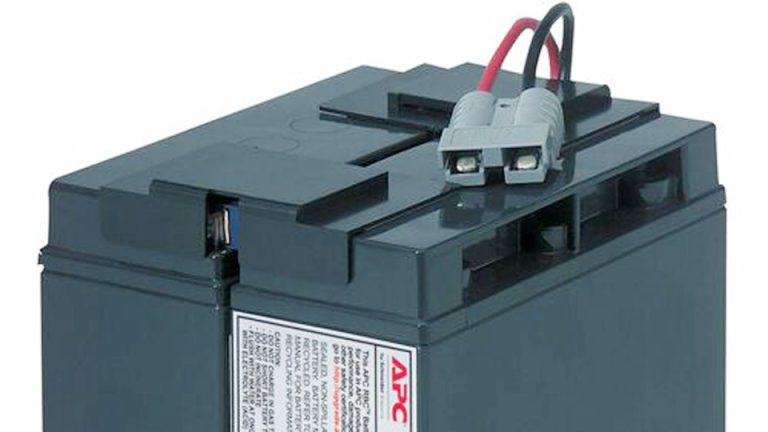
- UPS/Backup: Similar to solar. Test under load periodically.
- Power Tools/EVs: Lithium-focused. Manufacturer take-back programs are common.
Practical Recommendations Summary
- Charge at correct voltages: ~14.4V for most lead-acid, specific for lithium.
- Store cool and charged.
- Test regularly.
- Match battery to application.
- Always recycle—never trash.
A Technician’s Final Takeaway
After years in the shop and helping folks with home systems, the biggest lesson is prevention beats cure. A $20 maintainer and basic multimeter save hundreds in replacements. When it’s time to dispose, that quick trip to the auto parts store keeps the cycle going responsibly.
When returning a core, take a photo of the battery and receipt. Some stores have quirks with paperwork, and documentation smooths everything out. You’re now equipped to handle batteries confidently—from daily checks to safe disposal—saving time, money, and headaches down the road.
FAQ
Can I throw a car battery in the trash?
No. It’s illegal in all 50 states and hazardous. Take it to a retailer or recycler instead.
How much money can I get for recycling a car battery?
Expect $5-15 at scrap yards, or a core refund/gift card at auto parts stores (often $10+). Varies by location and lead prices.
What about disposing of lithium car or EV batteries?
Contact the dealer or manufacturer. Use specialized recycling programs—do not put in regular trash due to fire risk.
Do I need to clean the battery before recycling?
Basic cleaning helps, but it’s not required. Secure it upright and prevent leaks. Retailers handle preparation.
How long do car batteries last before disposal?
Typically 3-7 years depending on type and care. Lithium lasts longer. Test regularly rather than waiting for failure.