How to Convert Lead Acid Battery to Lithium Ion Safely
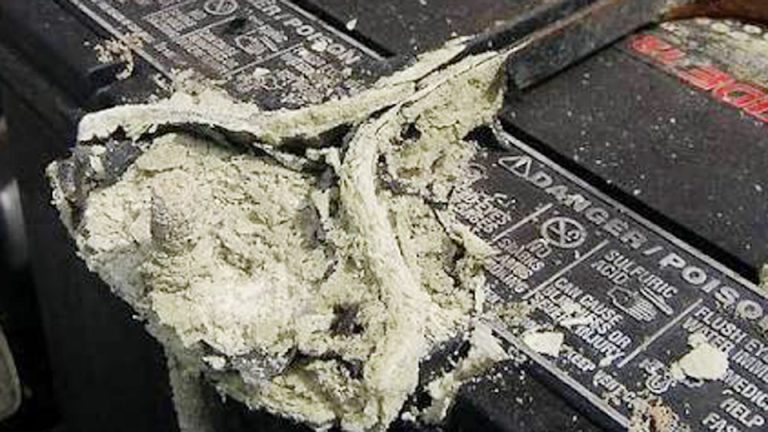
A backup system works perfectly for years, then suddenly the lead-acid battery starts causing problems—slow charging, low backup time, constant maintenance, and that familiar sulfur smell around the battery bank.
After replacing heavy batteries one too many times, many people start searching for a better option and ask: how to convert lead acid battery to lithium ion without damaging their inverter, solar setup, or charging system.
The idea sounds simple at first—swap the old battery for a lithium one and enjoy longer backup and faster charging. But this is where costly mistakes happen.
I’ve seen people use the wrong charger settings, ignore voltage compatibility, or skip a proper battery management system, only to end up with overheating issues, poor performance, or batteries that fail far earlier than expected.
Making the switch the right way can completely change how your system performs. Lithium batteries are lighter, charge faster, last longer, and usually require far less maintenance than traditional lead-acid batteries. But the conversion needs to be done carefully to avoid safety problems and wasted money.
I’ll walk you through the real-world process of converting from lead-acid to lithium-ion, the tools and components you actually need, and the common mistakes that cause trouble later. You’ll also learn how to get better battery life, more reliable backup power, and safer long-term performance from your setup.
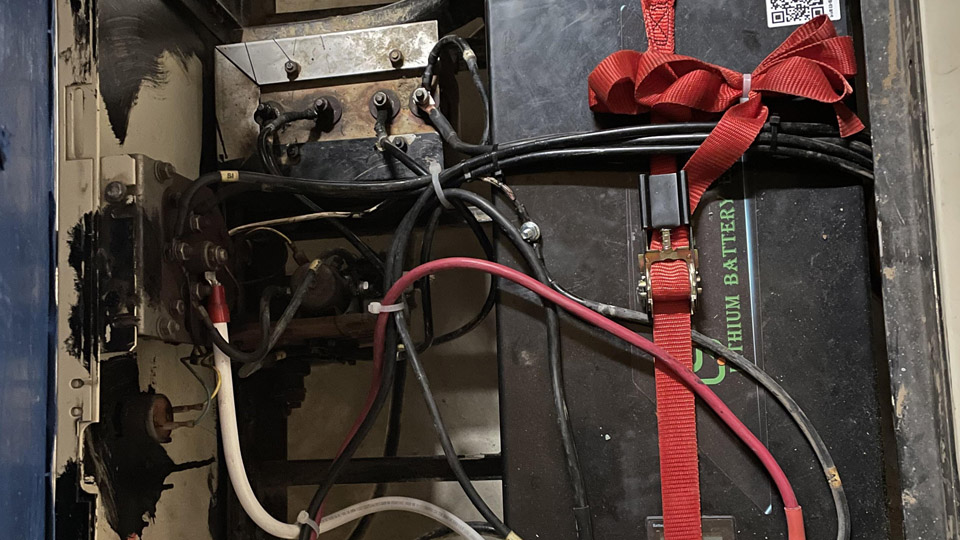
Image by reddit
Understanding Lead-Acid vs. Lithium-Ion (LiFePO4) Batteries
Lead-acid batteries (flooded, AGM, or gel) have been the standard for decades. A typical 12V lead-acid uses six 2V cells. They’re affordable upfront but limited in usable capacity—usually only 50% depth of discharge (DoD) to avoid damage.
They’re heavy, require maintenance (watering flooded types), and last 300–500 cycles in good conditions before noticeable degradation.
Lithium-ion here primarily means LiFePO4 (Lithium Iron Phosphate). These use 3.2V nominal cells (four in series for a 12V nominal/12.8V system). They deliver 80–100% usable capacity, handle 3,000–6,000+ cycles, weigh about one-third as much, and charge much faster with higher efficiency (95%+ round-trip vs. 50–80% for lead-acid).
Key Differences in Practice:
Weight and Space: A 100Ah lead-acid might weigh 60–70 lbs. The lithium equivalent is often 20–30 lbs. This matters hugely in vehicles for better handling and fuel efficiency, or in solar for easier installation.
Voltage Behavior: Lead-acid voltage sags under load. Lithium stays flatter longer, providing consistent power to inverters, motors, or accessories.
Lifespan and Cost: Lead-acid might need replacement every 3–5 years. LiFePO4 often lasts 10–15 years with proper care, making long-term costs lower despite higher initial price.
Pros of Lithium Conversion:
- More usable energy from the same Ah rating.
- Faster charging (hours vs. all day).
- Maintenance-free (no watering, minimal corrosion).
- Better cold/hot tolerance with proper BMS (though charging below freezing needs care).
- Higher discharge rates without voltage drop.
Cons and Challenges:
- Higher upfront cost.
- Requires compatible charging equipment—lead-acid chargers can undercharge or damage lithium.
- BMS protection is essential but adds complexity if building custom packs.
- Potential need for system upgrades (chargers, converters, monitors).
In my experience, the pros win for anyone using batteries regularly—daily drivers, solar users, or weekend warriors.
When Should You Convert? Real Scenarios That Make Sense
Consider conversion if:
- Your lead-acid dies prematurely from deep cycling (common in solar or winch use).
- You want longer runtime in RVs, boats, or off-grid cabins without adding massive weight.
- Charging time frustrates you—lithium can recharge 4x faster.
- You’re dealing with sulfation, leakage, or frequent maintenance in harsh conditions.
- Performance matters: golf carts accelerate better, solar systems use more solar input daily.
It’s less ideal for pure starter batteries in daily-driver cars (where weight savings are minor and alternator charging needs tweaks), but even there, drop-in options exist with caveats.
Essential Components for a Safe Conversion
You can’t just swap batteries. Lithium needs different management.
Battery Management System (BMS): This is non-negotiable. A good BMS protects against over-voltage, under-voltage, over-current, short circuits, and temperature extremes. Look for active balancing (better for larger packs), Bluetooth monitoring, and high amp ratings. Popular reliable options include JBD, JK, or integrated BMS in drop-in packs.
Charger: Lead-acid chargers often use multi-stage profiles with higher absorption and float voltages that don’t suit lithium. Use a dedicated LiFePO4 charger. Typical 12V settings: bulk/absorption 14.2–14.6V, no prolonged float (or low 13.5–13.6V if needed). Current: 0.5C recommended for longevity.
Charge Controllers (Solar): MPPT controllers must support LiFePO4 profiles. Adjust absorption to ~14.4V and disable or minimize equalization/float.
DC-DC Chargers/Alternator Regulators (Vehicles): Stock alternators can overcharge lithium without control. Use a smart DC-DC charger with lithium profile.
Battery Monitor: Upgrade shunts or monitors calibrated for lithium’s flatter voltage curve.
Fusing and Cabling: Lithium can deliver high currents. Use appropriately sized fuses/breakers close to the positive terminal.
Physical Mounting: Lithium is lighter, so secure it properly against vibration. Cases or trays may need adaptation.
Step-by-Step Guide to Converting Lead-Acid to Lithium
Step 1: Assess Your Needs and Current System
Calculate daily energy use (Wh). Factor in loads like fridges, lights, inverters, or motors. Measure your battery compartment dimensions and voltage (12V, 24V, 48V). Test old batteries with a load tester—note capacity loss. Decide on drop-in (easiest) or custom cells + BMS (cheaper per Ah but more work).
Step 2: Choose the Right Lithium Batteries
Match voltage exactly. For capacity, aim for similar or higher usable Ah (remember lithium gives you nearly all of it). Prefer LiFePO4 for safety and longevity over other lithium chemistries. Group sizes (24, 27, 31) help with fitment in RVs or vehicles.
Step 3: Remove Old Lead-Acid Batteries
Disconnect negative first (safety). Remove cables carefully, noting positions. Dispose of old batteries responsibly—they contain hazardous lead and acid. Clean the area thoroughly.
Step 4: Install New Lithium Batteries
Mount securely. For multi-battery setups (e.g., golf carts or solar banks), connect in parallel for capacity using heavy busbars. Series for higher voltage. Ensure even weight distribution.
Step 5: Upgrade Charging and Ancillary Systems
Install lithium-compatible charger, controller, and DC-DC if needed. Re-wire accessories (e.g., 12V lights from a 48V pack need a buck converter). Update monitors.
Step 6: Test Thoroughly
Charge slowly at first. Monitor voltage, temperature, and current. Check under load. Verify BMS functions (low/high voltage cutoff). Run a full cycle and inspect connections for heat.
Step 7: Fine-Tune and Monitor
Use Bluetooth apps for cell balancing and SOC. Adjust settings based on real performance.
Battery Type Comparison Table
| Feature | Flooded Lead-Acid | AGM/Gel Lead-Acid | LiFePO4 Lithium |
|---|---|---|---|
| Usable Capacity | ~50% | ~50-70% | 80-100% |
| Cycle Life | 300-500 | 500-800 | 3,000-6,000+ |
| Weight (100Ah) | 60-70 lbs | 60-65 lbs | 20-30 lbs |
| Charge Time | 6-12+ hours | 5-10 hours | 2-4 hours |
| Maintenance | High (water, etc.) | Low | None |
| Efficiency | 50-80% | 70-85% | 95-99% |
| Cost (Initial) | Low | Medium | Higher |
| Best For | Budget standby | Vibration-prone | Daily/deep cycling |
Real-World Applications and Examples
Automotive and Motorcycles: Drop-in lithium starter batteries work but check alternator output. For deep-cycle accessories (winches, audio), add a separate lithium bank with DC-DC charger. Weight savings improve acceleration and mileage.
Golf Carts and Low-Speed Vehicles: Popular upgrade. Parallel lithium packs replace series lead-acid. Busbars simplify wiring. Expect longer range and quicker charging.
Solar and Off-Grid Systems: Lithium shines here. More daily energy from panels, no equalization needed. In RVs/boats, pair with solar and lithium charger for boondocking freedom.
UPS and Power Tools: Faster recharge and consistent voltage benefit backup systems and high-drain tools.
Power Tools and Electronics: Smaller packs for portability.
Charging Methods and Best Practices
LiFePO4 charges via CC-CV: constant current until absorption voltage (~14.4-14.6V for 12V), then constant voltage with tapering current. No long absorption or float like lead-acid.
- Correct Voltages (12V System): Absorption 14.2–14.6V. Float ~13.5V or disabled. Low voltage cutoff ~10–11V (BMS handles).
- Current: 0.5C standard (50A for 100Ah). Higher possible but generates heat.
- Solar: Set controller accordingly. Lithium accepts higher charge rates, capturing more variable solar input.
- Vehicle Alternators: Use DC-DC to limit voltage/current.
Never use old lead-acid charger without verification—risk of undercharging or BMS shutdowns.
Safety Considerations and Common Mistakes
Lithium (especially LiFePO4) is safer than other lithium types, but respect the energy density. Risks include thermal runaway if abused (rare with quality BMS), but improper installs cause issues.
Common Beginner (and Pro) Mistakes:
- Using incompatible chargers → under/overcharge, reduced life.
- No BMS or cheap BMS → cell imbalance, failure.
- Ignoring temperature: Don’t charge below 32°F (0°C) without low-temp protection.
- Poor wiring/fusing → shorts, fires.
- Mixing old lead-acid with new lithium in parallel → disastrous voltage mismatch.
- Skipping secure mounting → vibration damage.
- Not recalibrating monitors → inaccurate SOC.
Prevention Tips: Buy reputable batteries with strong BMS. Start with small tests. Use proper torque on connections. Monitor for weeks after install. Store at 50% SOC in cool, dry conditions.
Real Failure Scenarios I’ve Seen: A solar user fried cells with an old PWM controller set too high. A golf cart owner had BMS shutdowns from alternator spikes. Proper planning avoids these.
Maintenance Routines for Longevity
- Minimal: Check connections annually, monitor via app for balancing.
- Storage: 30–50% SOC, cool temps. Top up every 3–6 months.
- Usage: Avoid consistent 100% or 0% if possible, though lithium tolerates it better.
- Degradation: Expect very slow capacity loss over years.
Troubleshooting Common Issues
- BMS cuts off: Check for over-discharge, high current, or temp. Reset and investigate.
- Won’t charge fully: Wrong charger voltage. Verify settings.
- Low runtime: Imbalanced cells (BMS should balance), high loads, or old wiring losses.
- Voltage sag: Undersized cables or weak connections.
Practical Recommendations
Match chemistry to use: LiFePO4 for most. Calculate true needs—oversize 20–30% for longevity. Invest in quality over cheapest. For vehicles, consult wiring diagrams. In cold climates, get self-heating models.
Final Takeaway: You’re Now Equipped for Better Battery Decisions
Switching from lead-acid to lithium changes how you use power—more freedom, less worry, better efficiency. You understand types, charging realities, safety, and system integration. Whether reviving a car, powering a cabin, or upgrading a cart, you avoid common pitfalls and maximize benefits.
One pro-level tip from the workshop: Always install a quality fuse or breaker right at the battery positive terminal—within 6–12 inches—and use temperature sensors with your BMS. It’s saved more setups than I can count from cascading failures.
FAQ
Can I directly replace my lead-acid battery with a lithium one without changes?
Sometimes in simple 12V setups with a compatible charger, but usually no. You’ll likely need charger/controller updates and possibly a DC-DC for vehicles to avoid damage or poor performance. Test thoroughly.
What voltage should I charge a 12V LiFePO4 battery to?
14.2–14.6V absorption. Avoid prolonged higher voltages or standard lead-acid float settings.
Is it safe to convert for my car or solar system?
Yes, with proper BMS, compatible charging, and correct installation. LiFePO4 is very stable, but DIY custom packs carry more risk than quality drop-ins. Professional help is wise for complex vehicle systems.
How long do lithium batteries last compared to lead-acid?
Typically 4–10x longer in cycles and calendar life. Many see 10+ years of daily use versus 2–5 for lead-acid.
What’s the biggest mistake people make in these conversions?
Using old charging equipment or skipping a good BMS. This leads to imbalance, shortened life, or safety issues. Always match the charger profile and monitor the system.