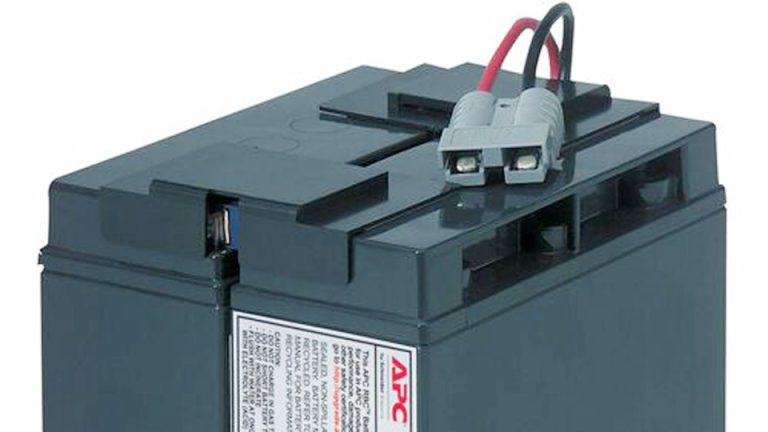
Which Battery Is Best Lithium or Lead Acid? Lifespan & Cost
One of the most common questions I get while working on backup power systems, cars, and solar setups is simple on the surface but tricky in real life: which battery is best lithium or lead acid. I’ve had people stand in front of me with two quotes in hand—one for a lithium battery and one for a lead-acid setup—completely unsure which direction to go, especially when the price difference is huge.
The confusion usually starts when both options seem to do the same job. They both store energy, both power your system, and both claim reliability. But once you’ve replaced enough swollen lead-acid batteries or dealt with lithium systems that weren’t properly matched, you realize the choice is not just about price—it’s about how you actually use the power day to day.
In real installations, I’ve seen lead-acid batteries struggle in deep discharge situations, especially in solar backup systems, while lithium batteries handle repeated cycles much more comfortably. At the same time, I’ve also seen people overspend on lithium when a simple lead-acid setup would have been more practical for their needs.
This topic matters because the wrong choice doesn’t just affect performance—it affects long-term cost, maintenance effort, reliability during outages, and even how often you end up replacing your batteries.
I’ll break down both battery types based on real-world use, not just specifications, so you can clearly see which one fits your setup, your budget, and your expectations without second-guessing later.
Image by holobattery
Understanding the Main Battery Types
Let’s start with the basics you’ll actually encounter.
Lead-Acid Batteries come in a few flavors:
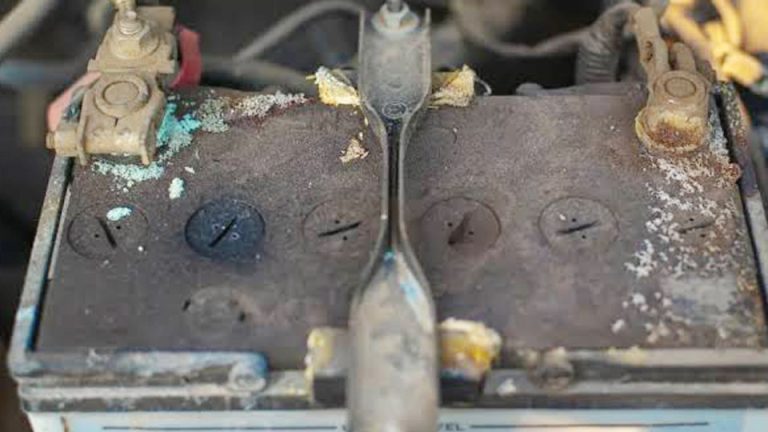
Flooded (Wet Cell): The classic, affordable option with liquid electrolyte. Great for starting cars if you don’t mind maintenance. You have to check water levels, clean corrosion, and they vent gases. They’re heavy and sensitive to deep discharges.
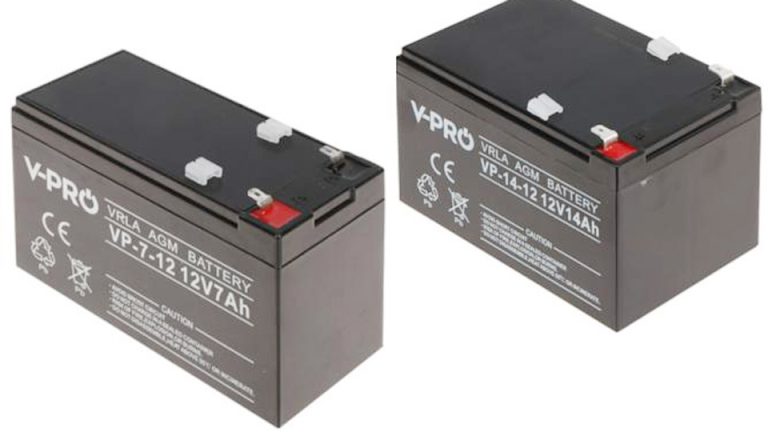
AGM (Absorbent Glass Mat): Sealed, maintenance-free, and more vibration-resistant. The electrolyte is absorbed in a fiberglass mat. Better for motorcycles, RVs, and vehicles with lots of electronics. They handle moderate deep cycling better than flooded but still prefer staying above 50% depth of discharge (DoD).
Gel: Similar sealed design but with a thickened electrolyte. Excellent in hot climates and for slow, deep discharges, but they’re picky about charging voltages and don’t like high current charges. Less common for automotive starting now.
Lithium Batteries, primarily lithium-ion variants for our purposes:
LiFePO4 (LFP): The go-to for solar, marine, RVs, and many drop-in automotive replacements. Extremely safe, long cycle life (often 2,000–6,000+ cycles), and stable. Lower energy density than other lithium types but far superior safety and longevity.
NMC (Nickel Manganese Cobalt) and similar: Higher energy density, common in EVs for range. More power in less weight, but generally less ideal for stationary solar or deep-cycle home use due to safety and longevity trade-offs compared to LFP.
In my experience, LiFePO4 is what most people mean when they say “lithium” for non-EV applications. It behaves predictably and doesn’t have the thermal runaway risks of older chemistries when properly managed.
How They Work: Chemistry in Real Use
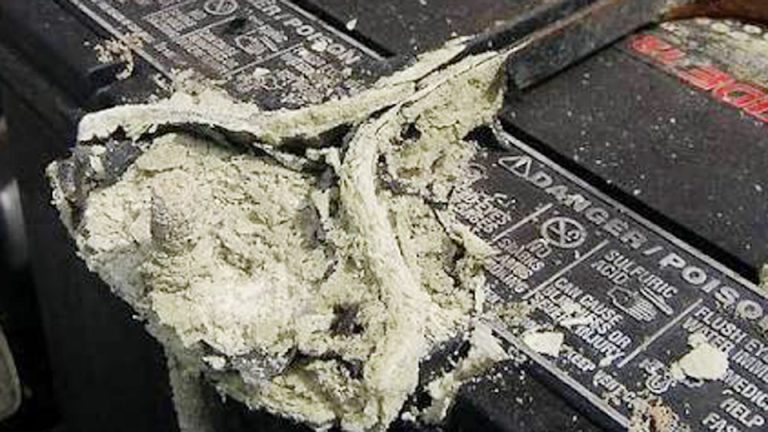
Lead-acid batteries rely on a chemical reaction between lead plates and sulfuric acid electrolyte. When discharging, lead sulfate forms on the plates. Charging reverses it. Sulfation (hard crystals forming) happens with repeated partial discharges or improper charging — a common killer I see in neglected car and solar batteries.
Lithium-ion (LiFePO4 especially) moves lithium ions between cathode and anode through an electrolyte. No liquid acid, minimal degradation from sulfation-like issues, and they maintain voltage much more consistently throughout discharge.
A lead-acid battery might sag below usable voltage for inverters long before it’s “empty,” while lithium delivers steady power.
Key Comparison: Performance, Lifespan, Cost, and More
Here’s a practical side-by-side based on real installations I’ve worked with (numbers are typical averages; always check your specific models):
Cycle Life and Depth of Discharge:
- Lead-acid (flooded/AGM): 300–1,000 cycles at 50% DoD. Going deeper shortens life dramatically.
- LiFePO4: 2,000–6,000+ cycles at 80–100% DoD. You get far more usable energy per cycle.
Weight and Size:
- A 100Ah lead-acid group 31 battery might weigh 60–70 lbs. Lithium equivalent: 25–35 lbs. Huge difference when mounting in a vehicle or carrying for solar.
Efficiency:
- Lead-acid: 80–85% round-trip. Lots of energy lost as heat.
- Lithium: 95%+. More of your solar harvest or alternator output actually gets stored and used.
Charging Speed:
- Lead-acid: Slow, needs careful multi-stage charging. Overdoing it causes gassing and damage.
- Lithium: Accepts higher currents and charges much faster, often 4x quicker to full. No float charge needed long-term.
Temperature Tolerance:
- Lead-acid struggles in extreme heat (accelerated corrosion) or cold (reduced capacity).
- LiFePO4 performs well across wider ranges, though all batteries prefer moderate temps for max life. Built-in BMS helps protect lithium.
Upfront vs. Lifetime Cost:
Lead-acid wins on initial price — often $100–300 for a decent 100Ah unit. Lithium starts higher ($400–1,000+), but over 5–10 years, lithium usually costs less per kWh delivered due to longevity and efficiency. In solar setups, the payback is clear after one or two lead-acid replacements.
Safety:
- Lead-acid: Risk of acid leaks, hydrogen gas explosions if ventilated poorly, and corrosion.
- Lithium (LFP): Very stable, no gassing, built-in BMS prevents overcharge/discharge. Still, respect high voltages and use quality units.
Real-World Applications: Cars, Solar, and Beyond
Automotive and Motorcycles:
For daily drivers and starting, a good AGM lead-acid often suffices and is cheaper. It plays nice with standard alternators. But for high accessory loads, winches, or frequent short trips, lithium drop-ins shine — lighter, faster recovery, consistent cranking power.
I’ve seen lithium car batteries last 8–10+ years with proper charging. Just ensure your alternator and charger are compatible (many modern lithium automotive batteries have integrated BMS).
Solar and Off-Grid Systems:
This is where lithium dominates. You can use nearly the full capacity daily without killing it quickly. Lead-acid forces you to oversize the bank and limit DoD, wasting money and space. In a cabin setup I helped with, switching to LiFePO4 meant reliable power through cloudy stretches and fewer generator hours.
UPS, Backup, Power Tools:
AGM or gel for short-term UPS if budget is tight. Lithium for anything needing frequent cycling or long runtime. Power tools increasingly ship with lithium for runtime and weight.
EV Users:
Modern EVs use advanced lithium (NMC or LFP packs). As an enthusiast, you already know the advantages in range and performance.
Charging Methods and Best Practices
This is where most people go wrong.
Lead-Acid Charging:
- Bulk, absorption, float stages. Typical 12V system: 14.4–14.8V absorption, 13.2–13.8V float.
- Avoid constant high voltage. Equalization for flooded types periodically.
- Chargers must match type (flooded vs AGM/gel have different profiles).
Lithium Charging:
- Simpler: Constant current then constant voltage. Bulk to about 14.2–14.6V for 12V LiFePO4, then stop (no long float).
- Higher charge currents allowed. Many BMS handle it.
- Dedicated lithium chargers or smart ones with profiles are best. Using a lead-acid charger can overcharge and damage lithium.
Pro Tip: For mixed or transitioning systems, use a DC-DC charger or battery isolator designed for lithium when charging from alternators.
Step-by-Step: Testing, Maintaining, and Replacing Batteries
Testing a Battery:
- Visual inspection: Look for cracks, leaks, bulging, or heavy corrosion.
- Voltage check (rested, engine off): 12.6V+ good for 12V lead-acid; ~13.0V+ for lithium (varies by SOC).
- Load test or use a battery analyzer for CCA/health reading. Many auto parts stores do this free.
- For solar: Monitor with a shunt or BMS app for capacity fade.
Maintenance Routines:
- Lead-acid: Check electrolyte (flooded), clean terminals with baking soda/water, ensure secure mounts, avoid full discharges.
- Lithium: Mostly hands-off. Keep terminals clean, monitor via BMS for cell balance/temp. Store at 50–80% SOC in cool, dry place.
- Both: Avoid extreme temps, parasitic drains, and mismatched charging.
Replacing a Battery:
- Disconnect negative first, then positive.
- Remove hold-downs, lift out (use a carrier for heavy ones).
- Clean tray and cables.
- Install new one, connect positive first, then negative. Torque properly.
- For lithium, program or select correct charger profile. Test system voltage/charging after.
Common Mistakes and How to Avoid Them
I’ve seen these repeatedly:
- Over-discharging lead-acid: Keeps sulfating plates. Use a low-voltage disconnect.
- Wrong charger for lithium: Leads to overvoltage. Get a lithium-specific or programmable one.
- Ignoring temperature: Heat kills lead-acid faster; cold reduces all capacity.
- Poor storage: Leaving discharged or on constant float.
- Mixing old and new batteries: Uneven performance and accelerated failure.
- Neglecting connections: Corrosion causes high resistance and weird voltages.
For solar users, undersizing the bank for lead-acid is classic — you end up replacing sooner.
Practical Recommendations
- Budget-tight starter or occasional use: Quality AGM lead-acid.
- Daily cycling, solar, off-grid, long-term: LiFePO4 lithium. Worth the investment.
- Match voltage (12V, 24V, 48V systems), capacity needs, and charging sources.
- For vehicles: Check CCA requirements. Lithium often needs less rated capacity for same performance.
- Proper storage: Cool, dry, partial charge. Recharge every 3–6 months if unused.
Safety Considerations
Always wear protection. Lead-acid: goggles, gloves for acid. Lithium: Respect BMS warnings, avoid puncture or water ingress on unprotected cells. Never charge unattended if possible, especially initial setups. Dispose/recycle properly — both types have regulations.
Taking the Next Step with Confidence
After years of troubleshooting failed systems and upgrading setups, the shift toward lithium makes sense for most people dealing with frequent use or reliability demands.
Lead-acid still has its place for simple, low-cycle, cost-sensitive applications, but lithium delivers more usable power, lasts longer, and reduces headaches over time.
You’re now equipped with the practical details to evaluate your car, solar array, or backup needs accurately. Test your current setup, calculate your actual energy demands, and choose accordingly.
Invest in a good battery monitor or BMS early — knowing exact state of charge and history prevents 80% of failures before they happen.
FAQ
Can I replace my lead-acid battery with lithium in my car?
Yes, many drop-in LiFePO4 options work well, but verify alternator output and charging system compatibility. Some need a lithium-specific regulator or BMS that handles vehicle charging profiles. Test thoroughly after install.
How long do lithium batteries really last in solar systems?
With proper use and a good BMS, 8–15+ years or thousands of cycles is common. Far longer than lead-acid’s typical 3–5 years in cycling applications. Real longevity depends on temperature, DoD, and charging habits.
Are lithium batteries safe compared to lead-acid?
LiFePO4 is among the safest lithium chemistries with very low fire risk. Lead-acid has acid and gas hazards. Quality batteries with BMS add protection layers for both. Follow manufacturer guidelines.
Is lithium worth the higher upfront cost?
For most users with moderate to high usage, yes — due to efficiency, cycle life, and lower replacement frequency. Calculate total cost of ownership over 5–10 years for your scenario.
What voltage should I charge a 12V lithium battery at?
Typically 14.2–14.6V max for LiFePO4. Avoid standard lead-acid float voltages long-term. Use a charger with a dedicated lithium profile.