How to Jumpstart a Dead Battery with Another Car Safely
You turn the key, and instead of the engine roaring to life, you get that slow, struggling click… click. Maybe the headlights are dim, maybe everything’s completely dead—and of course, it happens when you’re already late. In moments like this, knowing how to jumpstart a dead battery with another car isn’t just helpful—it saves your day.
I’ve seen people make simple mistakes here—wrong cable order, poor connections, even damaging electronics—just because no one showed them the right way. A quick jumpstart can bring your battery back, but doing it incorrectly can cost you far more than a tow or a new battery.
This isn’t just about getting the car running again. It’s about safety, protecting your vehicle’s electrical system, and avoiding unnecessary expenses. A proper jumpstart can extend battery usability, while a bad one can shorten its life or create hidden problems.
I’ll walk you through the exact steps I use in real situations—clear, simple, and safe. You’ll learn the right way to connect cables, what to watch out for, and a few practical tips that can save you from getting stuck again.
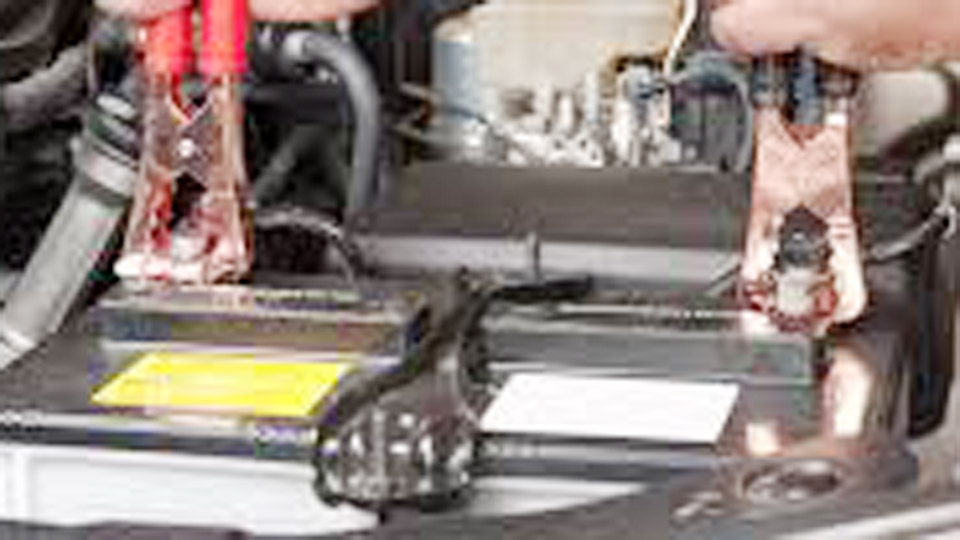
Image by crawfordsautoservice
How to Jumpstart a Dead Battery with Another Car
Every driver faces a dead battery at some point. Perhaps an interior dome light was left on overnight, or the extreme winter cold sapped the remaining cold cranking amps (CCA) of an aging lead-acid unit.
Before calling a tow truck, understanding the precise sequence of operations ensures you restore power safely without damaging the delicate electronic control modules (ECUs) of either vehicle.
What It Is and How It Works
Jumpstarting utilizes the electrical system of a donor vehicle with a healthy alternator and battery to bypass your dead battery and spin the starter motor of your engine. Once the engine catches, your vehicle’s alternator takes over, continuously generating electricity and recharging the battery.
When and Why to Use It
Use this method only when you are certain the issue is a discharged battery and not a faulty starter motor, alternator, or corroded electrical connection. If you hear rapid clicking, it indicates the battery has enough power to engage the solenoid but not enough to spin the engine. If you hear silence, it may be a connection issue or a completely shorted cell.
Step-by-Step Field Procedure
- Position the Vehicles: Park the two vehicles facing each other or side-by-side, but ensure the vehicles do not touch. Turn off both ignitions, engage the parking brakes, and turn off all accessories (lights, heaters, radios).
- Identify the Terminals: Open the hoods and identify the positive ($+$) and negative ($-$) terminals. The positive terminal is usually larger, marked with a plus sign ($+$), and may feature a red protective cover. The negative terminal is often marked with a minus sign ($-$).
- Connect the Positive Cable: Clamp one end of the red jumper cable to the positive ($+$) terminal of the dead battery.
- Connect the Donor Positive: Connect the other end of the red jumper cable to the positive ($+$) terminal of the donor vehicle’s battery.
- Connect the Donor Negative: Connect one end of the black jumper cable to the negative ($-$) terminal of the donor vehicle’s battery.
- Ground the Dead Vehicle: Connect the remaining black clamp to an unpainted, solid metal part of the dead car’s engine block or chassis (away from the battery). This avoids sparks near hydrogen gas emissions.
- Start the Donor Vehicle: Start the donor car and let it run at a slightly elevated idle (around 1,500 RPM) for 3 to 5 minutes to transfer a surface charge to the dead battery.
- Start the Dead Vehicle: Attempt to start the disabled vehicle. Once it starts, let both vehicles idle for a few minutes.
- Remove the Cables in Reverse Order: * Disconnect the black clamp from the grounded metal of the dead car.
- Disconnect the black clamp from the donor car.
- Disconnect the red clamp from the donor car.
- Disconnect the red clamp from the dead car.
- Drive It: Drive the vehicle for at least 20 to 30 minutes at highway speeds to allow the alternator to properly recharge the battery.
Real-World Insights & Common Mistakes
The Donor Dilemma: Never attempt to jumpstart a vehicle if the donor battery is visibly damaged, leaking, or frozen.
Modern ECU Protection: On modern vehicles with sensitive computers, voltage spikes during the disconnect phase can damage sensors. Ensure all loads are switched off before removing cables.
Cable Gauge Matters: Cheap, thin jumper cables ($8$ to $10$ gauge) cannot handle the high amperage required to turn over a cold engine. Always use heavy-duty $4$ or $2$-gauge jumper cables.
Battery Chemistry Comparison
To get the most out of your power systems, it helps to understand what is happening inside the battery housing. Different chemistries serve wildly different roles in our daily lives.
| Battery Type | Nominal Voltage | Typical Lifespan | Best Use Cases | Advantages | Disadvantages |
| Flooded Lead-Acid | 12.6V | 3 – 5 Years | Cars, basic UPS backups, engine starting | Low cost, high surge current | Requires watering, heavy, spills if tipped |
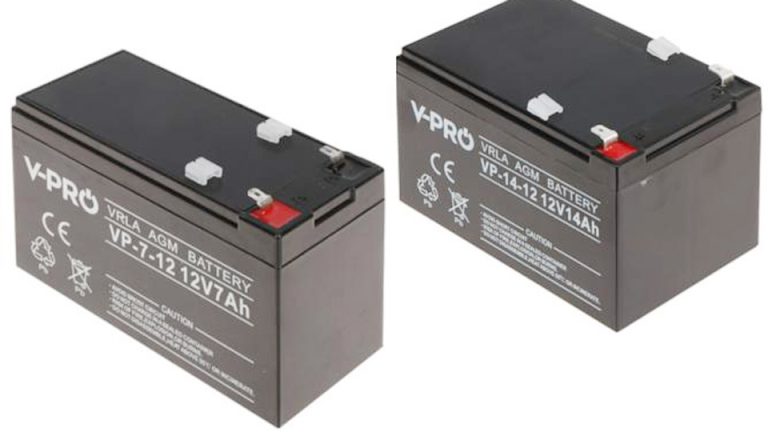
| AGM (Absorbed Glass Mat) | 12.8V | 4 – 7 Years | Start-stop vehicles, motorcycles, off-grid | Spill-proof, maintenance-free, vibration resistant | Higher cost, sensitive to overcharging |
| Gel Cell | 12.8V | 5 – 8 Years | Solar storage, deep-cycle marine | Deep discharge capability, safe in any position | Slower charge acceptance, lower peak power |
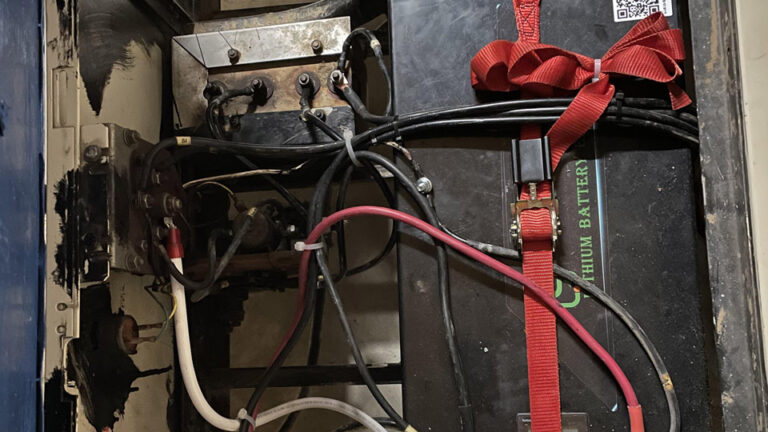
| Lithium Iron Phosphate (LiFePO4) | 12.8V | 10+ Years | Solar, RVs, marine, high-end power setups | Extremely light, flat voltage curve, 3000+ cycles | High upfront cost, low-temperature charging issues |
Battery Types: Performance, Lifespan, and Maintenance
Understanding the unique characteristics of each battery type allows you to select the right power source for your vehicle or off-grid project.
Lead-Acid Technology
What It Is and How It Works
Lead-acid batteries use lead plates submerged in an electrolyte solution of sulfuric acid and water. Chemical reactions between the active material on the plates and the acid generate electricity.
When and Why It Should be Used
This technology is ideal for applications requiring high, short bursts of current, such as engine starting.
Practical Real-World Tips
- Checking Electrolyte Levels: For unsealed, flooded batteries, periodically check the fluid level. Use only distilled water; tap water introduces minerals that will short-out cells.
- Storage Rules: A discharged lead-acid battery left in cold conditions can freeze and crack the case. Always store fully charged.
AGM (Absorbed Glass Mat) and Gel Technologies
What It Is and How It Works
AGM batteries suspend the electrolyte in a fiberglass mat between the plates, while Gel batteries use a silica-based gel to immobilize the liquid.
When and Why It Should be Used
They are ideal for modern vehicles with numerous electronic accessories and for marine applications where the battery may be tilted.
Practical Real-World Tips
- Avoid Standard Chargers: Using an aggressive, high-voltage setting on an AGM battery can dry out the glass mat and permanently damage the battery. Use a charger with an AGM-specific setting.
Lithium Iron Phosphate (LiFePO4)
What It Is and How It Works
Unlike traditional formulations, LiFePO4 chemistry utilizes stable lithium salts that resist thermal runaway. It maintains a very flat voltage output until the battery is almost completely drained.
When and Why It Should be Used
Excellent for off-grid solar setups and deep cycling, where weight and high cycle life are critical factors.
Practical Real-World Tips
- Cold Temperature Charging: Never charge a LiFePO4 battery below freezing ($0^\circ\text{C}$ or $32^\circ\text{F}$) without a battery management system (BMS) that features low-temperature protection. Charging at freezing temperatures causes metallic lithium plating, resulting in permanent capacity loss.
Charging Methods, Voltage, and Maintenance
Proper charging is the difference between a battery lasting one year or ten. Different chemistries require tailored voltage thresholds.
Charging Voltage Reference Ranges
The appropriate charging voltage depends on the state of charge and the chemistry being used:
Flooded Lead-Acid: Bulk charging at 14.4V to 14.8V, and float maintenance at 13.2V to 13.5V.
AGM / Gel: Bulk charging at 14.2V to 14.7V, and float maintenance at 13.0V to 13.4V.
Lithium (LiFePO4): Bulk charging at 14.2V to 14.6V, and float maintenance at 13.4V to 13.6V.
Testing and Diagnostics
To accurately diagnose a battery, use a digital multimeter or a dedicated load tester:
Resting Voltage Test: Let the battery sit disconnected for at least 4 hours. A healthy 12V lead-acid battery should read at least 12.6V to 12.8V. A reading of 12.0V or lower indicates the battery is fully discharged or has a dead cell.
Load Testing: Apply a load equal to half the battery’s Cold Cranking Amps (CCA) rating for 15 seconds. If the voltage drops below 9.6V under load, the battery has failed and should be replaced.
Storage Conditions and Maintenance Routines
Self-Discharge Rates: Lead-acid batteries lose 1% to 3% of their charge per week. LiFePO4 batteries lose less than 3% per month.
Maintenance Charging: If storing vehicles or power equipment for the winter, hook them up to a smart, multi-stage trickle charger or maintainer to prevent stratification and sulfation.
Real-World Usage Examples
Cars and Motorcycles
Vehicles demand high-output cranking power for brief periods. AGM batteries are highly recommended for motorcycles and modern start-stop automobiles, which draw heavy loads at intersections.
Solar Systems & Off-Grid Cabins
Off-grid systems require deep cycling. Using deep-cycle lead-acid batteries or LiFePO4 banks ensures steady, reliable power day in and day out.
UPS & Backup Systems
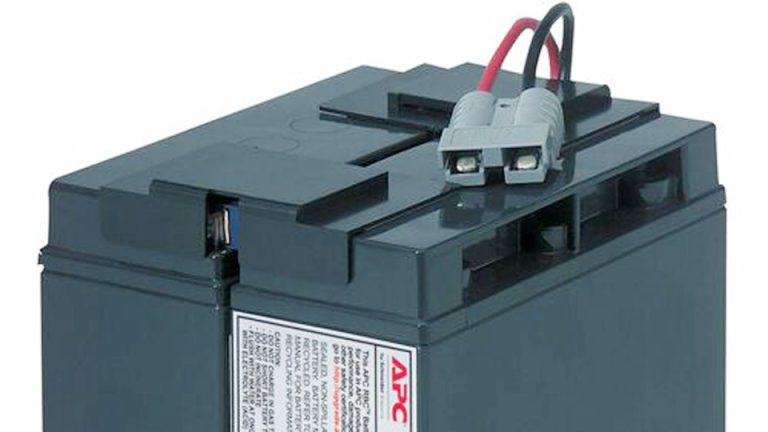
For sump pumps and communication backups, keep flooded or AGM batteries on a float charger so they are ready at 100% capacity in the event of an emergency.
Troubleshooting and Prevention
Preventing premature failure requires daily diligence. Let us examine the most common failure scenarios and their solutions.
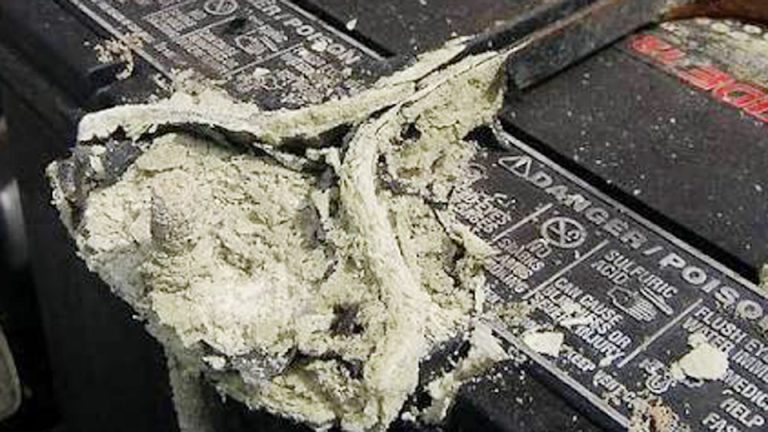
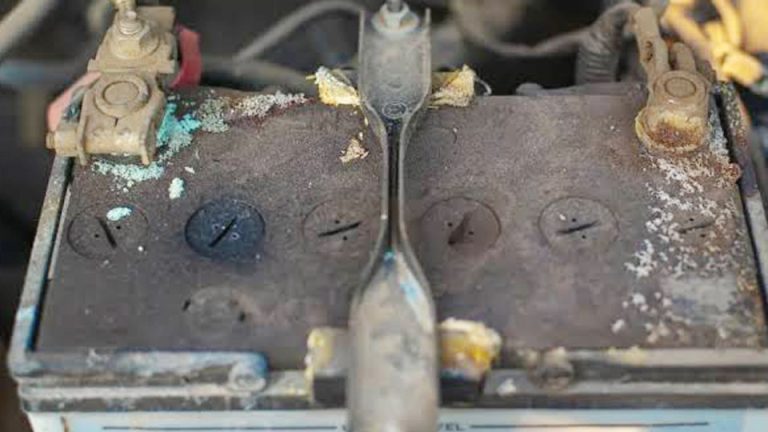
Corrosion Buildup: White or blue powdery residue on terminals creates resistance. Solution: Clean the terminals using a mixture of baking soda and water, rinse with clean water, and coat with dielectric grease.
Alternator Failure: If a car’s battery warning light illuminates while driving, the alternator is likely no longer supplying charging voltage 13.8V to 14.4V.
Sulfation: Allowing a lead-acid battery to sit at a low charge causes lead sulfate crystals to harden on the plates. Solution: Run a desulfation cycle on an advanced smart charger.
Conclusion
Understanding your battery and its charging needs gives you control over your vehicle and equipment reliability. Knowing the differences between chemistries, keeping terminals clean, and applying the proper charging voltage ensures your systems perform when you need them most.
The key takeaway is that battery health is interconnected: the right charging voltage, routine storage maintenance, and proper usage protocols will maximize your return on investment.
Expert Technician Tip: When replacing a car battery, always disconnect the negative ($-$) cable first and reconnect it last. This simple step prevents your wrench from accidentally grounding against the chassis while loosening the positive terminal, preventing short circuits and sparks.
Frequently Asked Questions
Can I use jumper cables on a completely dead AGM battery?
Yes, but you must be patient. An AGM battery accepts charge quickly. Connect the cables, let the donor vehicle run at higher idle for 10 minutes to build up a surface charge, and then attempt to start the vehicle.
How long does a car battery last?
On average, a standard lead-acid battery lasts 3 to 5 years, depending on the climate. Extreme heat accelerates water evaporation and grid corrosion, while extreme cold puts extra strain on starting components.
Can a frozen battery be jumpstarted?
No. If the battery is frozen, jumpstarting it or attempting to charge it can cause the case to rupture or explode due to expanding gases and hydrogen buildup. Let the battery thaw completely in a warm area before testing or charging.
Does leaving my car running recharge the battery?
Yes, but idling is an inefficient way to charge a dead battery. It requires roughly 20 to 30 minutes of normal driving or highway cruising at higher RPMs for the alternator to fully replenish the energy lost during a jumpstart.