How to Charge a Lithium-Ion Drill Battery Without Charger
You’re halfway through a job when the drill suddenly slows down and stops. You reach for the charger—only to realize it’s missing, broken, or left somewhere else. That’s usually when people start searching for how to charge a lithium-ion drill battery without charger and hoping there’s a safe way to get the battery working again.
I’ve seen this happen during home repairs, garage projects, and even outdoor jobs where buying a new charger immediately just isn’t practical. The problem is that lithium-ion batteries aren’t as forgiving as older battery types.
Using the wrong voltage, random wires, or unsafe charging methods can damage the battery permanently—or worse, create overheating and fire risks.
That’s why this topic matters more than most DIY guides explain. A safe charging method can save your battery, your tools, and a lot of money. But the wrong approach can shorten battery life fast or ruin an expensive drill pack completely.
I’ll walk you through the safest ways to charge a lithium-ion drill battery when the original charger isn’t available. You’ll also learn which methods actually work, which shortcuts to avoid, and the common mistakes that destroy lithium-ion batteries long before they should fail.
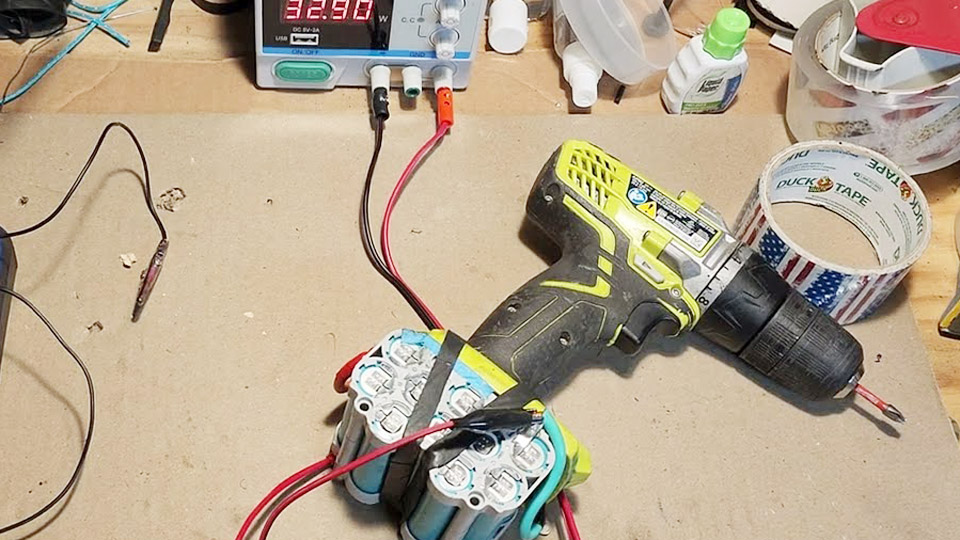
Image by dragon_offroad
Understanding Lithium-Ion Drill Batteries
Lithium-ion (Li-ion) packs dominate modern cordless tools because they deliver high energy density, low weight, and no memory effect compared to older NiCd or NiMH types. A typical 18V or 20V MAX drill battery uses multiple 18650 or similar cells in series (often 5 cells for ~18-21V nominal when fully charged).
Each cell has a nominal voltage of about 3.6-3.7V and charges safely to 4.2V maximum. Exceeding this stresses the chemistry and triggers protection circuits—or worse, thermal runaway. Capacity is rated in Ah (amp-hours); a 2Ah pack stores roughly 2 amps for one hour at nominal voltage. Real-world runtime depends on load, temperature, and age.
Why this matters in real life: On a job site or in your garage, a dead battery isn’t just inconvenient—it stops work. Lithium packs degrade over 300-1,000 cycles depending on care, heat exposure, and discharge depth. Proper charging preserves capacity and avoids the $50–$150 replacement hit.
When and Why You Might Need to Charge Without the Original Charger
Lost chargers, travel, emergencies, or dead OEM units are common triggers. You might also face incompatibility with newer tools or want a backup method for off-grid work. The goal isn’t to replace proper chargers long-term but to provide a safe, functional workaround.
Real-world tip: Always verify battery voltage first with a multimeter. A fully discharged 18V pack might read below 15V; charging too aggressively on a depleted pack can damage cells.
Safe Alternative Charging Methods for Lithium-Ion Drill Batteries
Method 1: Bench Power Supply or Adjustable DC Source (Most Reliable DIY Approach)
This is my go-to in the workshop. A variable bench supply with voltage and current limiting gives precise control.
Steps:
- Set voltage to match your pack—typically 20.5–21V max for a “20V” nominal pack (never exceed 4.2V per cell).
- Limit current to 0.5C to 1C (e.g., 1–2A for a 2Ah battery).
- Connect positive to positive, negative to negative (use the battery’s external terminals carefully).
- Monitor voltage and temperature constantly. Stop when current drops significantly (indicating full charge) or voltage reaches the limit.
- Charge in a cool, non-flammable area on a concrete or metal surface.
Pros: Controllable, mimics smart charging.
Cons: Requires equipment and basic electronics knowledge.
Method 2: Compatible Laptop or Universal Power Adapter
A 19–20V laptop charger (common 19.5V output) can work for short emergency boosts on 18-20V packs.
Cut the connector, identify polarity (usually center positive), and connect briefly (10–30 minutes). Monitor heat closely. This provides a trickle rather than full smart charging—use only to get enough juice for a few holes or to reach a proper charger.
Warning: No built-in balancing or cutoff. Overdo it and you risk imbalance or overheating.
Method 3: Solar Panel with Regulator or Power Bank with Voltage Matching
For off-grid scenarios, a small solar setup with a buck/boost converter and voltage regulator works. Match output carefully. Phone chargers or power banks are generally too low-voltage for direct use unless you step them up safely.
Method 4: Jumpering from Another Similar Battery (Temporary Rescue)
Connect a good 18-20V pack in parallel briefly to “jump” the dead one. Polarity must match perfectly. This equalizes voltage quickly but doesn’t fully charge—use it to get the tool running so you can swap to a working charger.
Step-by-Step: Charging Your Drill Battery Safely Without OEM Charger
- Assess the Battery — Check for swelling, leaks, or damage. Discard if compromised. Measure open-circuit voltage.
- Gather Tools — Multimeter, appropriate power source, alligator clips or secure connectors, timer.
- Set Parameters — Voltage: 4.2V × number of series cells. Current: ≤ battery Ah rating.
- Connect and Monitor — Start at low current. Feel the battery every 5–10 minutes. It should stay cool or barely warm.
- Terminate Charge — When voltage stabilizes near max and current tapers, disconnect. Let rest 30 minutes before use.
- Test — Insert in tool and check runtime. Recalibrate by running down and recharging if needed.
Pro Insight: Lithium packs have BMS (Battery Management System) boards that offer some protection, but they aren’t foolproof. Never rely solely on the BMS for charging safety.
Battery Types Comparison: Choosing and Maintaining the Right One
Understanding broader battery tech helps when your drill pack fails or you’re building solar/UPS systems.
Comparison Table:
| Feature | Lead-Acid (Flooded) | AGM/Gel | Li-ion (NMC) | LiFePO4 |
|---|---|---|---|---|
| Cycle Life | 200–500 | 300–800 | 300–1,000 | 2,000–5,000+ |
| Depth of Discharge | 50% recommended | 50–80% | 80–90% | 80–95%+ |
| Weight | Heavy | Medium | Light | Light-Medium |
| Charging Speed | Slow | Moderate | Fast | Very Fast |
| Cost (Upfront) | Low | Medium | High | Higher |
| Safety | Good | Better | Requires BMS | Excellent |
| Temp Tolerance | Poor in extremes | Moderate | Moderate | Excellent |
Lead-Acid/AGM/Gel: Reliable for cars, motorcycles, and basic solar but suffer sulfation if left discharged. Great for float charging but heavy and less efficient.
Lithium-Ion (Standard): High performance for tools and EVs but sensitive to heat and over-discharge.
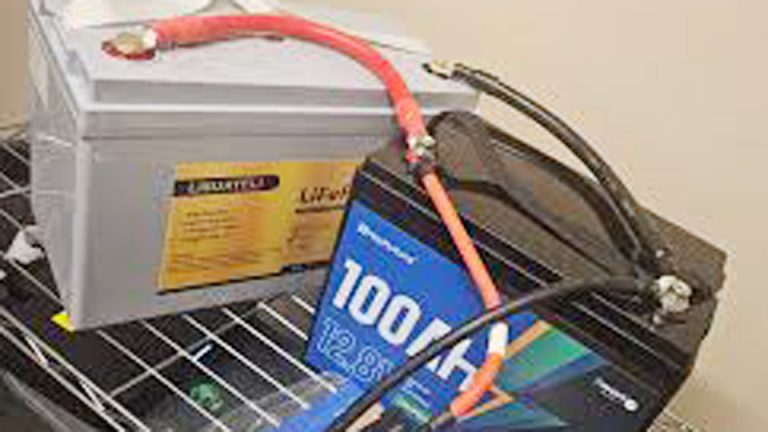
LiFePO4: My favorite for deep-cycle solar, UPS, and marine use. Thermally stable, long life, and forgiving—ideal upgrade if you’re moving beyond tools.
Real Example: In my solar shed setup, switching AGM to LiFePO4 cut weight, doubled usable capacity, and eliminated monthly maintenance worries.
Voltage, Capacity, and Charging Fundamentals
- Voltage Ranges: 12V tools (~3 cells), 18V (~5 cells), 20V MAX (similar). Always match charger output closely.
- Current: CC-CV (Constant Current then Constant Voltage) is standard for Li-ion. Start with current limit, hold voltage.
- Capacity (Ah/Wh): Higher Ah means longer runtime. A 4Ah 18V pack stores ~72Wh—enough for serious work.
Common Mistake: Using automotive chargers or mismatched voltages. A 12V car charger on an 18V pack does nothing useful and can damage both.
Maintenance, Storage, and Lifespan Tips
Store at 40–60% charge in a cool, dry place (around 50–70°F). Avoid full discharge or leaving on chargers indefinitely. Clean contacts regularly. For long-term storage, check voltage every 3–6 months and top up.
Lifespan Factors: Heat is the enemy—degrades capacity faster than anything. Partial charges are fine with lithium (no memory effect). Expect 2–5 years of solid use with good habits.
Troubleshooting:
- Won’t charge: Check BMS reset (sometimes needs specific voltage pulse).
- Overheating: Stop immediately—possible cell imbalance.
- Low runtime: Capacity fade; test individual cells if pack is accessible.
Safety Considerations Across All Battery Types
Lithium fires are rare but dramatic. Charge on non-flammable surfaces, never unattended overnight, and keep away from flammables. Use proper PPE. For lead-acid, watch for acid leaks and hydrogen gas. Dispose responsibly through recycling programs.
Mistakes I’ve Seen (and Made Early On):
- Leaving batteries in freezing trucks then charging immediately.
- Using unregulated wall warts.
- Ignoring swelling until failure.
- Mixing old and new cells in a pack.
Practical Applications Beyond Drills
Cars/Motorcycles: AGM or lithium starter batteries need dedicated chargers with desulfation modes for lead-acid types.
Solar and Off-Grid: LiFePO4 shines here with high DOD and efficiency. Pair with MPPT controllers.
UPS/Backup: Lithium offers faster recharge and lighter weight than flooded lead-acid.
Everyday Electronics: Similar low-voltage principles apply, but always use designed circuits.
Key Takeaways for Confident Battery Management
You’ve now got practical methods for charging lithium drill batteries in a pinch, a solid grasp of different chemistries, and habits that extend life while minimizing risks.
Whether you’re a weekend warrior, solar homeowner, or pro technician, treating batteries as precision tools rather than disposable items pays off in reliability and cost savings.
Invest in a quality adjustable bench supply with CC/CV modes and a temperature probe. It handles everything from drill packs to custom solar builds and gives you data-driven insight no basic charger offers. Pair it with a good multimeter, and you’ll troubleshoot like a seasoned electrician.
FAQ
Can I use a car battery charger to charge my lithium drill battery?
No. Car chargers deliver wrong voltage profiles and lack precision for lithium chemistry. They can overvolt cells or fail to limit current properly, leading to damage or fire. Stick to matched DC sources.
How long does it take to charge a drill battery with a laptop charger?
Expect 30–90 minutes for a partial boost on a compatible voltage unit. Full charges take longer and require monitoring. It’s an emergency hack, not a daily solution.
Is it safe to charge lithium batteries indoors?
Yes, if monitored on a non-flammable surface away from fabrics. Better in a garage or with fire suppression nearby. Never leave unattended.
What’s better for solar storage—AGM or LiFePO4?
LiFePO4 wins for longevity, efficiency, and usable capacity despite higher upfront cost. AGM works for budget or backup but needs more maintenance and replacement.
My drill battery swelled—can I still charge it?
No. Swelling indicates internal gas buildup and failure. Dispose safely and replace it. Continuing use risks rupture or fire.