Can You Use Carbon-Zinc Batteries Instead of Alkaline?
I’ve pulled plenty of dead remotes, clocks, and flashlights apart over the years, and one question keeps coming up from folks in the garage or off-grid setups: can you swap in carbon-zinc batteries when alkaline ones are called for—or vice versa?
The short answer is yes, you can in some low-drain situations, but it’s rarely the smart move. It often leads to shorter runtime, unexpected failures, or even leaks that ruin your device.
Battery choice matters more than most people realize. Whether you’re dealing with a car that won’t start on a cold morning, a solar setup that dies at night, or a power tool that quits mid-job, the right chemistry makes the difference between smooth operation and frustration.
I’ll walk you through when carbon-zinc works as a substitute, where it falls flat, and how it fits into the bigger world of automotive, deep-cycle, and rechargeable systems.
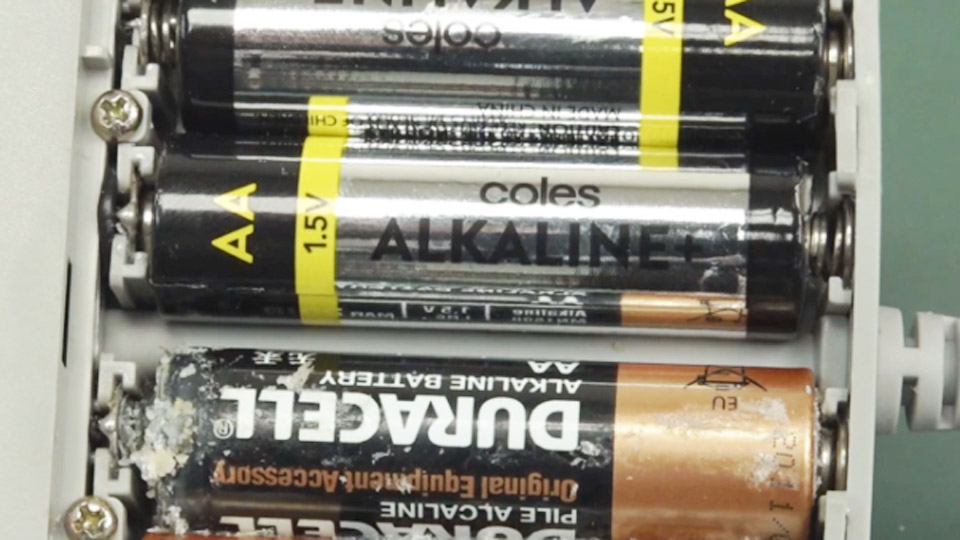
Image by upsbatterycenter
Understanding Carbon-Zinc and Alkaline Batteries
Carbon-zinc batteries (also called zinc-carbon or “heavy duty”) are the old-school, budget option. They use a zinc anode, manganese dioxide cathode, and an ammonium chloride or zinc chloride electrolyte. Voltage starts at 1.5V nominal, just like alkaline, but that’s where the similarities end.
Alkaline batteries swap in potassium hydroxide electrolyte and a more robust construction. This gives them higher energy density, better high-drain performance, and much lower leakage risk.
Key differences in practice:
- Capacity and runtime: Alkaline cells deliver 3–8 times more capacity in moderate-to-high drain devices. A carbon-zinc AA might give you 400–800 mAh; a good alkaline often exceeds 2,000–3,000 mAh under load.
- Discharge curve: Carbon-zinc voltage drops quickly. Alkaline holds steadier longer.
- Leakage: Carbon-zinc uses the zinc can as the negative terminal. As it depletes, the case weakens and leaks more easily—especially after expiration or in heat. Alkaline leaks far less.
- Shelf life: Alkaline lasts 5–10 years; carbon-zinc is more like 1–3 years.
- Cost: Carbon-zinc wins on upfront price, sometimes by a factor of 3–5x cheaper per cell.
In my experience, carbon-zinc still has a place in very low-drain gadgets like wall clocks, basic remotes, or smoke detectors that sip power. For anything with motors, lights, or frequent use, alkaline (or better) is the way to go.
When Can You Actually Use Carbon-Zinc Instead of Alkaline?
You can physically insert them—same size, same nominal voltage. Devices won’t explode. But performance suffers in most cases.
Good scenarios for carbon-zinc substitution:
- Low-drain intermittent use: Clocks, basic TV remotes, wireless mice/keyboards with minimal activity, simple toys.
- Budget emergency backups: Flashlights you rarely touch.
- Devices that specify “heavy duty” or carbon-zinc originally.
Bad ideas:
- High-drain devices: Digital cameras, powerful flashlights, motorized toys, portable speakers, game controllers.
- Devices left in hot cars or extreme temperatures—leakage risk skyrockets.
- Mixing with alkaline in the same device. Different internal resistances cause imbalance; the weaker cells reverse-polarize and leak. Never do this.
Real-world example: I once replaced alkalines in a set of walkie-talkies with carbon-zinc to save a few bucks. They worked for about 20% of the expected time before voltage sagged and audio distorted. Lesson learned.
Broader Battery Types: From AA Cells to Automotive and Solar Power
Small primary cells are just the start. Most of the headaches I see involve larger rechargeable systems.
Lead-Acid (Flooded): Traditional wet cells. Affordable, but they need maintenance—checking electrolyte levels, cleaning terminals. Good for basic car starting, but they sulfate if left discharged.
AGM (Absorbent Glass Mat): Sealed lead-acid variant. Electrolyte is held in fiberglass mats. Vibration-resistant, spill-proof, handles deep discharges better than flooded. Popular in modern vehicles with start-stop tech, motorcycles, and marine use. They accept higher charge currents and have lower self-discharge.
Gel: Another sealed lead-acid. Thicker gel electrolyte. Excellent for deep-cycle solar and UPS, but more sensitive to overcharging and generally lower charge acceptance than AGM.
Lithium-Ion and LiFePO4: Game-changers for weight and cycle life. LiFePO4 (lithium iron phosphate) is the safe, stable choice for solar, RV, and off-grid. They deliver 2,000–5,000+ cycles versus 300–800 for lead-acid equivalents. Much lighter, higher usable capacity (you can discharge to 20% without damage), and faster charging. Downside: higher upfront cost and need for compatible BMS/chargers.
Voltage and Capacity Basics:
- AA/AAA: 1.5V primary.
- Car batteries: 12V nominal.
- Solar/deep-cycle: Often 6V, 12V, 24V, or 48V banks.
- Capacity in Ah (amp-hours) or Wh (watt-hours). A 100Ah battery at 12V theoretically stores 1,200 Wh, but real usable depends on chemistry and discharge rate.
Charging Methods and Common Mistakes
Wrong charging is the fastest way to kill any battery.
For small cells: Use proper alkaline chargers if rechargeable alkalines, but most carbon-zinc and standard alkaline are primary (non-rechargeable). Attempting to recharge them risks leakage or rupture.
For larger systems:
- Lead-acid/AGM: Constant voltage charging around 13.8–14.4V for float, up to 14.7V for bulk on 12V systems. Temperature compensation matters.
- Lithium (LiFePO4): Typically 14.4–14.6V absorption, no float or very low. They hate over-voltage.
Step-by-step safe charging (12V system example):
- Check voltage with a multimeter first.
- Use a smart charger with multi-stage profile matching your chemistry.
- Connect positive first, then negative.
- Monitor temperature—warm is okay, hot is bad.
- For storage: Lead-acid at 100% charge in cool place; lithium around 50–70%.
Common mistakes I’ve seen:
- Using a cheap trickle charger on lithium—overcharges and damages cells.
- Mixing old and new batteries in a bank.
- Storing discharged lead-acid (sulfation city).
- Ignoring temperature: Heat kills capacity and lifespan across all types.
Battery Maintenance and Storage Tips
- Clean terminals regularly with baking soda/water mix for corrosion.
- For flooded lead-acid: Check specific gravity with a hydrometer.
- Store in cool, dry conditions. Avoid freezing or extreme heat.
- Test monthly on critical systems (car, solar, UPS).
- Use a battery tender for vehicles that sit.
Real-World Applications and Recommendations
Cars and Motorcycles: Stick to AGM or flooded lead-acid for stock replacements unless upgrading to lithium with proper alternator/BMS setup. Lithium cranks faster and saves weight but costs more.
Solar and Off-Grid: LiFePO4 dominates now. Deeper usable capacity means smaller banks for the same runtime. Pair with MPPT controllers.
UPS and Backup: AGM or lithium for reliability. Test under load periodically.
Power Tools and Electronics: High-drain tools love lithium-ion packs. For occasional AA devices, keep a mix—alkaline for performance, carbon-zinc for true low-drain spares.
Comparison Table: Battery Chemistries at a Glance
Small Primary Cells (AA example)
| Feature | Carbon-Zinc | Alkaline | Rechargeable NiMH |
|---|---|---|---|
| Cost per cell | Lowest | Medium | Higher upfront |
| Capacity (typical) | Low (400-800 mAh) | High (2,000+ mAh) | Good, reusable |
| High-drain performance | Poor | Excellent | Very good |
| Leakage risk | High | Low | Low |
| Best for | Clocks, remotes | Flashlights, cameras | Frequent use devices |
Large Rechargeable Banks (12V)
| Type | Cycle Life | Weight | Cost | Best Applications | Maintenance |
|---|---|---|---|---|---|
| Flooded Lead-Acid | 300-800 | Heavy | Low | Basic starting, budget solar | High |
| AGM | 500-1,200 | Medium | Medium | Vehicles, marine, UPS | Low |
| Gel | 500-1,000 | Medium | Medium | Deep cycle, solar | Low |
| LiFePO4 | 2,000-5,000+ | Light | High | Off-grid, RV, high performance | Very low |
Troubleshooting Common Battery Issues
- Quick voltage drop: Test individual cells. Weak one dragging the pack down.
- Swelling or hot: Immediate disconnect—overcharge or internal short.
- No cranking but lights work: Often bad connections or sulfated plates.
- Leakage cleanup: Neutralize acid with baking soda, dispose properly.
Practical Takeaways for Confident Battery Management
After years swapping batteries in cars, solar sheds, and workshops, the biggest lesson is matching chemistry to the actual load and usage pattern. Carbon-zinc batteries can substitute for alkaline in very low-drain, cost-sensitive spots, but you’ll replace them far more often and risk more mess. For everything else, step up to alkaline or go rechargeable where it makes sense.
A pro-level tip I swear by: Keep a quality load tester or multimeter in your kit and actually test batteries under simulated load before trusting them in critical applications. Voltage alone lies—especially on carbon-zinc or aging lead-acid. A battery reading 12.6V resting can still drop like a rock when asked to deliver amps.
FAQ
Can you use carbon-zinc batteries instead of alkaline in most devices?
Technically yes for fit and voltage, but expect much shorter life and potential leakage in anything beyond very low drain. Reserve carbon-zinc for clocks and basic remotes.
Is it safe to mix carbon-zinc and alkaline batteries?
No. Different discharge rates cause imbalance, leakage, and possible device damage. Always use the same type and age.
Are carbon-zinc batteries still worth buying in 2026?
Yes, for specific low-power, budget applications where you don’t need long runtime. They’re cheaper and perfectly functional there, but alkaline or rechargeables win for most daily use.
What’s the best battery upgrade for a solar or off-grid system?
LiFePO4 if your budget allows—lighter, longer life, more usable capacity. AGM is a solid middle ground for reliability without complex electronics.
How long should I expect a car battery to last?
3–5 years for flooded lead-acid, 4–7 for AGM, and 8–12+ for lithium with proper care. Heat, frequent deep discharges, and undercharging shorten all of them.