How Good Are E-Circuit Alkaline Batteries?
I’ve replaced more dead batteries in cars, solar setups, flashlights, and remotes than I can count over the years. Nothing frustrates a DIYer or off-grid homeowner faster than a device dying at the wrong moment because the batteries couldn’t hold up.
That’s why questions like “how good are E-Circuit alkaline batteries” pop up so often—especially when you’re staring at a pack of them for a couple bucks at Dollar Tree and wondering if they’re worth skipping the big-name brands.
In my experience, E-Circuit alkalines deliver solid everyday performance for the price, particularly in low-to-moderate drain applications. They won’t outperform premium lithium or high-end alkalines in heavy-use scenarios, but they often punch above their weight in value.
Let’s break it down with real testing context, comparisons, and practical advice I’ve gathered from years working with all kinds of battery systems.
Image by kellymercerhfx
What Are E-Circuit Alkaline Batteries?
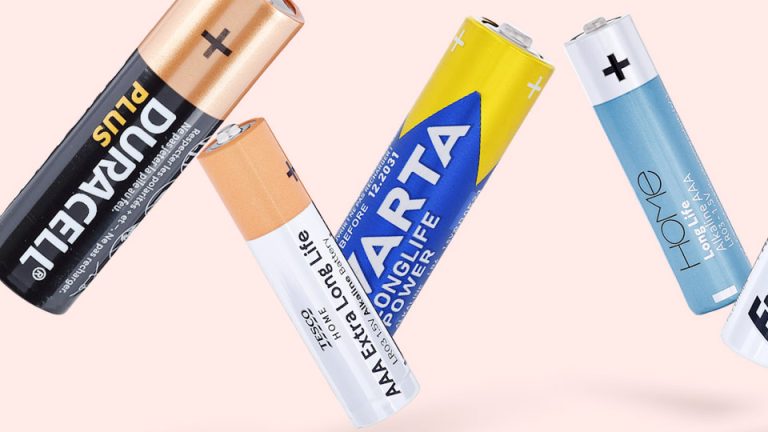
E-Circuit is Dollar Tree’s house brand for disposable batteries, available in AA, AAA, and other common sizes. Their alkaline versions use standard zinc-manganese dioxide chemistry with an alkaline electrolyte (typically potassium hydroxide). This gives them better capacity and leak resistance than old-school carbon-zinc “heavy duty” batteries.
You’ll see two main lines: standard alkaline and sometimes “ultra” or high-drain labeled packs. They ship in multipacks—often 4-packs for around $1.25 or larger bundles that drop the per-battery cost very low.
Voltage is a standard 1.5V nominal, with capacity typically landing in the 1,800–2,200+ mAh range for AA cells depending on the discharge rate and specific batch.
Real-World Performance: What the Tests Show
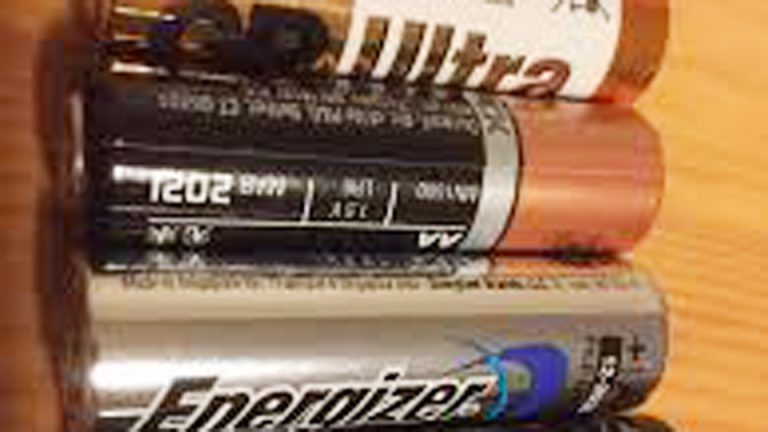
Independent tests paint a consistent picture. In CBC Marketplace testing with Ontario Tech University, E-Circuit alkaline AA batteries lasted nearly as long as Energizer and Duracell in low-drain simulations while costing a fraction of the price—around 31 cents per battery. They offered excellent capacity per dollar spent.
YouTube capacity tests (constant current discharge) often place them in the middle-to-lower pack for raw mAh—think 1,800–2,200 mAh at moderate drains—but they shine on value leaderboards.
One user on Reddit ran side-by-side tests in daily drivers like clocks and sensors: E-Circuit outlasted both Duracell and Energizer in his specific use case, with no early failures or leakage.
Key takeaway from the garage: For low-drain items (TV remotes, wall clocks, wireless mice, thermometers), they perform reliably. In higher-drain devices like digital cameras, powerful flashlights, or toys with motors, expect shorter runtime compared to premium alkalines or lithium cells.
How E-Circuit Alkaline Batteries Compare to Other Types
Battery choice depends on chemistry, use case, and budget. Here’s a practical breakdown:
Alkaline (E-Circuit, Duracell, Energizer, Amazon Basics, etc.)
- Good for intermittent or low-medium drain.
- Affordable, widely available.
- Shelf life: 5–10 years.
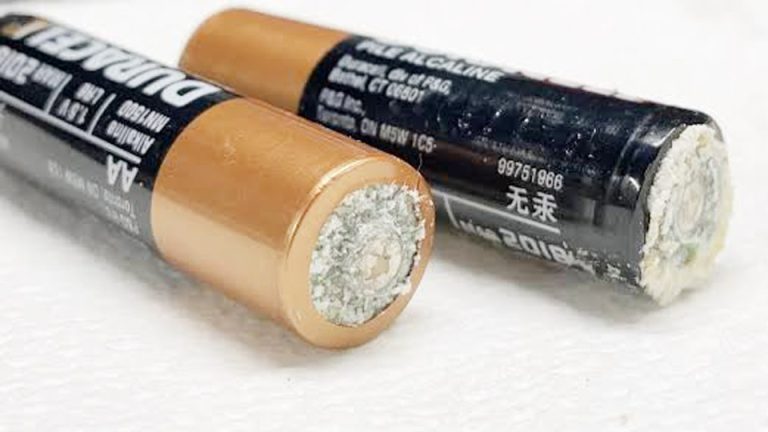
- Can leak if left discharged for long periods.
Carbon-Zinc (Heavy Duty versions)
- Cheaper upfront but lower capacity and more prone to leakage.
- Fine only for ultra-low drain, very occasional use.
Rechargeable NiMH
- 1.2V nominal (slightly lower voltage).
- 2,000–3,000+ mAh, hundreds of cycles.
- Better for high-use devices but self-discharge over weeks/months.
Lithium (Primary, non-rechargeable)
- 1.5V or higher, excellent high-drain performance, very long shelf life, lightweight, extreme temperature tolerance.
- Much more expensive upfront.
Lithium-Ion / LiFePO4 (Rechargeable, larger systems)
- For power tools, solar, EVs, and deep-cycle needs—not direct replacements for AA/AAA.
In head-to-head value, E-Circuit often beats big brands on cost-per-hour for light use. Premium alkalines win on raw runtime in demanding devices.
Battery Types Deep Dive: Lead-Acid, AGM, Gel, Lithium-Ion, and LiFePO4
While E-Circuit handles small disposable needs, many of us deal with larger systems in cars, motorcycles, solar arrays, UPS backups, and power tools. Understanding the full spectrum prevents costly mistakes.
Flooded Lead-Acid
Classic car and marine starting batteries. Affordable, but they require maintenance (checking electrolyte levels), vent gases, and suffer from sulfation if left discharged. Best for vehicles that get regular use.
AGM (Absorbed Glass Mat)
Sealed, vibration-resistant, higher discharge rates, and better deep-cycle performance than flooded. Common in modern vehicles, motorcycles, and some solar setups. They handle overcharging better but cost more.
Gel
Another sealed variant, excellent for deep discharge in solar and off-grid but sensitive to charging voltage. Overcharging kills them quickly.
Lithium-Ion (NMC, NCA)
Lightweight, high energy density. Dominant in EVs and high-performance power tools. Excellent cycle life when managed properly, but thermal runaway risk if damaged or poorly charged.
LiFePO4 (Lithium Iron Phosphate)
My go-to recommendation for solar, off-grid, and backup systems. Safer (very stable chemistry), 2,000–5,000+ cycles, high efficiency, and tolerant of partial states of charge. They cost more initially but pay for themselves through longevity and lower maintenance.
Voltage and Capacity Basics
- AA/AAA alkalines: 1.5V nominal.
- Car batteries: 12V nominal (actually ~12.6V fully charged).
- Capacity: Measured in Amp-hours (Ah) for larger batteries or milliamp-hours (mAh) for small cells. Watt-hours (Wh) give the best energy comparison across voltages.
A 100 Ah 12V battery stores roughly 1,200 Wh—enough to matter in solar but meaningless if you compare it directly to AA cells.
Charging Methods and Best Practices
Wrong charging is the fastest way to destroy any battery.
For small alkalines like E-Circuit: Do not attempt to recharge them in standard chargers—it’s unsafe and ineffective. Use them once and recycle properly.
For rechargeables: Match the charger to chemistry (NiMH smart chargers with -deltaV termination). For lead-acid/AGM: Use a multi-stage charger with float mode. Lithium systems need BMS-protected chargers with proper CC/CV profiles—typically 14.2–14.6V absorption for 12V LiFePO4.
Real voltages to know:
- 12V lead-acid: Charge at 13.8–14.4V.
- LiFePO4: 14.2–14.6V absorption, 13.5–13.8V float.
Never mix chemistries or voltages in the same system.
Step-by-Step: Testing and Maintaining Batteries
- Voltage Check — Use a multimeter. A fresh AA alkaline should read ~1.5–1.6V. A 12V battery at rest: 12.6V+ is healthy; below 12.2V needs charging.
- Load Test — For car batteries, use a carbon pile tester or battery analyzer under load. Small cells: A simple resistor or dedicated tester.
- Capacity Test — For AA/AAA, discharge at a known current (100–500mA) and calculate mAh.
- Maintenance Routine — For flooded lead-acid: Check specific gravity with a hydrometer, top up with distilled water. Clean terminals. For all batteries: Avoid extreme heat/cold storage.
- Storage — Cool, dry place. Lead-acid: Keep charged. Lithium: 50–70% SOC for long-term.
Common mistakes I see: Leaving batteries in devices for years (leakage risk), using cheap trickle chargers on lithium, or storing discharged lead-acid (sulfation).
Practical Applications and Recommendations
Cars and Motorcycles: Stick with quality AGM or flooded for starting. E-Circuit won’t help here—these need cranking amps.
Solar and Off-Grid: LiFePO4 is king. Pair with a good MPPT controller and BMS. Avoid mixing old lead-acid with new lithium.
UPS and Backup: AGM or LiFePO4 for reliability. Test quarterly.
Power Tools and Electronics: Lithium-ion packs for tools. For AA/AAA devices, E-Circuit works fine in remotes and clocks; step up to premium or lithium for cameras and high-drain toys.
Everyday Users: Keep a stash of E-Circuit for quick replacements in low-drain household items. They’re a smart budget option when performance demands aren’t extreme.
Safety Considerations
Alkaline leakage can ruin devices—remove batteries from infrequently used items. Larger batteries: Risk of explosion, fire, or acid spills. Always wear eye protection when working on them. Dispose/recycle responsibly—many auto parts stores take old batteries for free.
Overcharging, short circuits, and physical damage cause most failures. Use fuses and proper enclosures.
Comparison Table: Battery Types at a Glance
- Type: Alkaline (E-Circuit)
Best For: Low-drain household
Lifespan: Single use, 5-10 yr shelf
Cost: Very low
Pros: Cheap, reliable for light use
Cons: Not rechargeable, can leak - Type: AGM Lead-Acid
Best For: Vehicles, moderate cycling
Lifespan: 300-800 cycles
Cost: Medium
Pros: Robust, sealed
Cons: Heavier, lower efficiency - Type: LiFePO4
Best For: Solar, deep cycle
Lifespan: 2,000-5,000+ cycles
Cost: Higher upfront
Pros: Safe, lightweight, long life
Cons: Needs compatible charger/BMS
(Expand in your mind with actual numbers from your setups—real experience beats generic tables.)
Troubleshooting Common Battery Issues
- Device dies quickly → Test voltage under load; replace if weak.
- Corrosion on terminals → Clean with baking soda/water, apply dielectric grease.
- Swollen or hot batteries → Stop use immediately—safety hazard.
- Rapid self-discharge → Check for parasitic drains or bad cells.
Final Takeaway: Choosing and Using Batteries Confidently
After handling everything from tiny button cells to multi-kWh solar banks, the right battery is the one matched to your actual needs and budget. E-Circuit alkaline batteries prove that you don’t always need premium pricing for decent results in everyday low-drain situations.
They deliver respectable runtime and excellent value, making them a practical choice for remotes, clocks, and backup stashes—especially when tested side-by-side against far more expensive options.
You’re now equipped to evaluate chemistry, understand real capacity versus marketing claims, avoid common charging and storage pitfalls, and maintain systems for maximum life. That knowledge saves money and prevents headaches.
Pro-level tip from the workshop: Always date your batteries with a Sharpie when you install them. In a year or two, you’ll instantly know which ones have been sitting too long and which packs are still fresh—simple habit that separates weekend warriors from pros.
FAQ
How long do E-Circuit alkaline batteries last?
In low-drain devices like clocks and remotes, expect months to years depending on usage. High-drain items will drain them faster—plan on weeks instead of months. Shelf life is solid, often 5+ years.
Are E-Circuit batteries better than Duracell or Energizer?
Better on price-per-performance for light use, according to multiple independent tests. Premium brands usually win on raw high-drain runtime, but E-Circuit frequently offers superior value.
Can you recharge E-Circuit alkaline batteries?
No. Attempting it is unsafe and provides negligible benefit. Use dedicated rechargeables (NiMH) for applications needing frequent cycling.
Do E-Circuit batteries leak?
Like most alkalines, they can if left discharged in devices for extended periods. Remove them from infrequently used items and they’ve held up well in user reports with no unusual leakage issues.
What are the best batteries for solar or car use?
For solar/off-grid: LiFePO4. For cars: Quality AGM. E-Circuit isn’t designed for these—match the chemistry to the application.