How to Check Sealed Lead Acid Battery Health | Voltage Test
You connect your backup power system, alarm panel, or mobility scooter, expecting everything to work as usual. Instead, the battery runs out much sooner than it should—or worse, it won’t power the device at all.
That’s usually when people start wondering how to check sealed lead acid battery health before spending money on a replacement.
I’ve tested plenty of sealed lead acid (SLA) batteries that were labeled “dead” but only needed a proper charge or a simple health check. I’ve also seen batteries that looked perfectly normal on the outside but had lost most of their capacity inside.
Relying on guesswork can leave you stranded, waste money, or cause unexpected equipment failures when you need dependable power the most.
A few simple checks can reveal whether your battery is still in good condition, losing capacity, or nearing the end of its service life. Knowing what to test—and how to interpret the results—can help you extend battery life, avoid unnecessary replacements, and keep your equipment running reliably.
I’ll show you the methods I use to evaluate sealed lead acid batteries, explain which tools give the most accurate results, and point out the warning signs that tell you when it’s time to recharge, repair, or replace your battery.
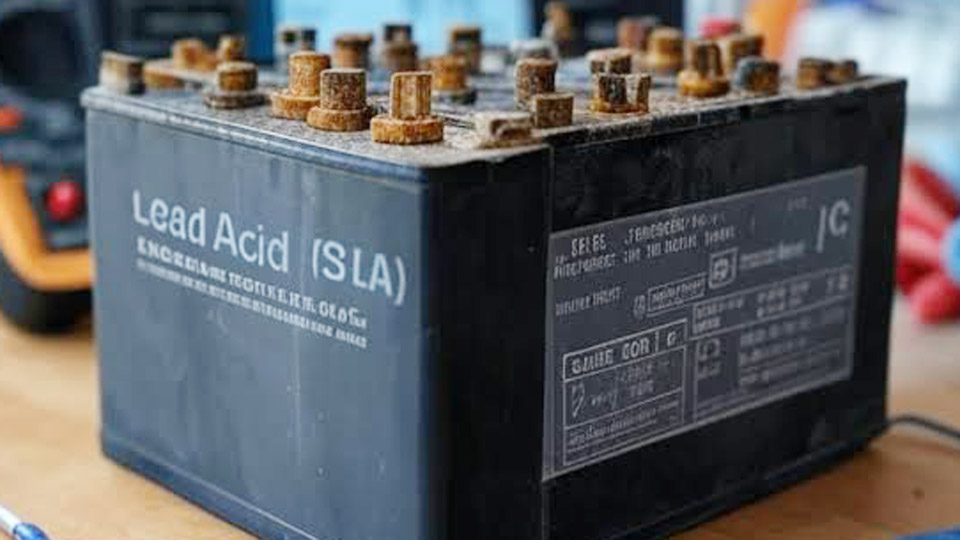
Image by buysecuritycameras
What Are Sealed Lead Acid Batteries and Why Health Checks Matter
Sealed lead acid batteries, often called SLA or VRLA (valve-regulated lead-acid), come in AGM (Absorbed Glass Mat) and gel varieties. Unlike flooded lead-acid, they’re maintenance-free with no accessible caps for adding water. The electrolyte is either absorbed in mats (AGM) or thickened into a gel, making them spill-proof and safer for many applications.
These batteries power everything from emergency lighting and scooters to solar off-grid setups and marine electronics. They’re popular because they’re affordable and robust, but they still suffer from sulfation, plate degradation, and capacity loss over time.
Heat, improper charging, and long periods of partial discharge accelerate aging. A typical SLA might last 3-5 years or 200-500 cycles under normal use, but poor habits can cut that in half.
Regular health checks help you spot when a battery is heading toward failure before it strands you or damages connected equipment. In solar systems I’ve worked on, one weak battery in a bank can drag down the whole array’s performance. In vehicles or UPS units, it can mean lost data, interrupted power, or safety issues.
Key Indicators of SLA Battery Health
Before diving into tests, understand what “healthy” looks like. A good 12V SLA at full charge and rest shows 12.6–12.8 volts. Under load, it should hold voltage without dramatic drops. Capacity (Ah rating) tells you how long it can deliver current—higher Ah means more runtime. Wh (watt-hours) gives total energy storage.
Degradation shows up as reduced runtime, slower cranking in vehicles, or quicker voltage sag in solar setups. In my garage tests, batteries that once ran a 12V inverter for hours now quit after 20 minutes—classic sign of lost capacity.
Tools You Need for Checking SLA Battery Health
You don’t need a professional lab. Start with:
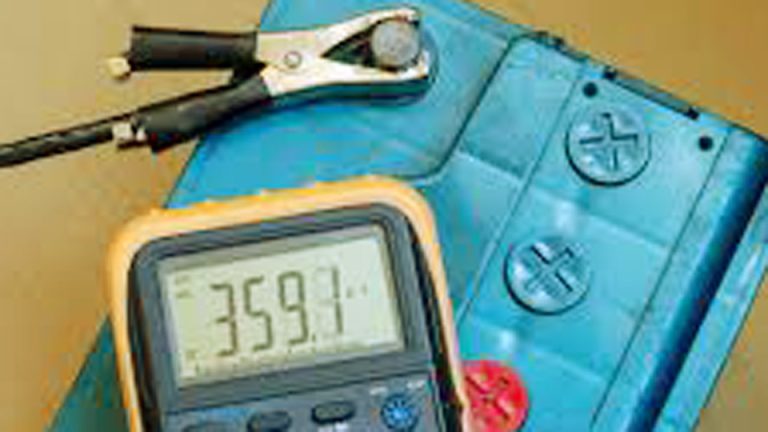
- Digital multimeter for voltage readings.
- Battery load tester (affordable ones from auto stores work well for 12V systems).
- Hydrometer (limited use for true sealed units, but helpful for comparison).
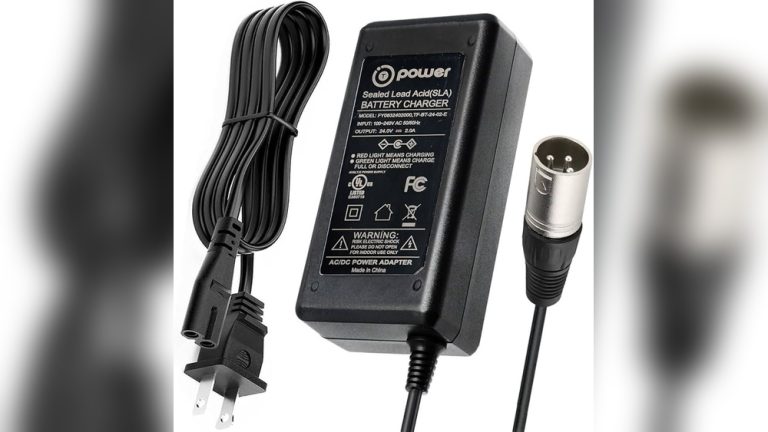
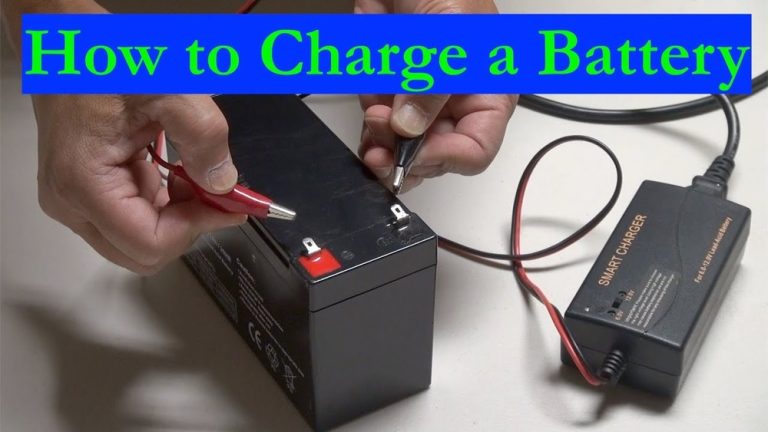
- Charger with proper SLA profile.
In real workshops, I always keep a clamp meter handy too for current draw checks.
Step-by-Step: How to Check Sealed Lead Acid Battery Health
Step 1: Visual Inspection
Look over the case for bulging, cracks, leaks, or heavy corrosion on terminals. Any of these means the battery is compromised—replace it. Clean terminals with baking soda solution if corroded, then rinse and dry. In motorcycle batteries I’ve serviced, corrosion often hides poor connections that mimic low capacity.
Step 2: Resting Voltage Test
Fully charge the battery using a compatible SLA charger, then disconnect and let it rest 4–24 hours. Measure across terminals with a multimeter set to DC volts.
- 12.6–12.8V: Healthy, near full charge (for 12V battery).
- 12.4–12.6V: About 75% charged.
- Below 12.2V: Significantly discharged or failing.
For 6V batteries, halve those numbers roughly. Temperature matters—cold batteries read lower. I always note ambient temp during checks.
Step 3: Load Testing
This is the gold standard for true health. Connect a load tester that draws about half the battery’s Ah rating for 15 seconds. A healthy 12V AGM should stay above 9.6V during the test at room temperature.
In practice, I test solar bank batteries by running a known load (like an inverter with lights) and timing runtime against rated capacity. If it delivers less than 70-80% of expected Ah, it’s time to plan replacement.
Step 4: Charge Acceptance and Recovery Test
Charge the battery and monitor current drop-off. A healthy SLA tapers to very low amps when full. If it stays high or gets hot, there’s an issue. After charging, recheck resting voltage.
Step 5: Capacity Test (Advanced)
For critical systems, discharge at a controlled rate (C/20 or similar) and measure total Ah delivered. This takes time but gives precise data. I do this for off-grid clients’ solar batteries annually.
Battery Types Comparison: SLA Variants and Beyond
Understanding differences helps you choose and test appropriately.
| Type | Construction | Maintenance | Lifespan (Years/Cycles) | Cost | Best Applications | Health Check Notes |
|---|---|---|---|---|---|---|
| Flooded Lead-Acid | Liquid electrolyte | High | 3-5 / 200-500 | Lowest | Automotive, marine | Hydrometer possible |
| AGM (SLA) | Absorbed mats | None | 4-7 / 300-600 | Medium | UPS, solar, vehicles | Voltage & load critical |
| Gel (SLA) | Thickened gel | None | 4-6 / 300-500 | Higher | Deep cycle, extreme temps | Sensitive to high charge voltage |
| Lithium (LiFePO4) | Lithium chemistry | Very Low | 10+ / 2000-5000+ | Highest | Solar, EV, high-cycle use | BMS monitoring, different voltages |
AGM offers great vibration resistance for motorcycles and cars. Gel excels in hot climates but hates overcharging. Lithium changes the game for longevity but needs compatible chargers.
Pros and Cons in Real Use
AGM SLA: Excellent for standby (UPS) because of low self-discharge. Downside? More expensive than flooded and can still sulfate if chronically undercharged. In solar systems I’ve installed, AGM banks hold up well to daily cycling if properly sized. Gel is forgiving on deep discharges but more prone to thermal runaway if mistreated. Lithium wins on weight and cycles but costs more upfront.
Charging Methods and Voltage Ranges for SLA Health
Wrong charging kills SLA batteries faster than anything. Use a dedicated SLA/AGM charger with multi-stage logic (bulk, absorption, float).
Typical 12V SLA:
- Bulk/absorption: 14.4–14.8V.
- Float: 13.2–13.8V.
Never use a standard car charger long-term—it can overcharge and dry out the internals even in sealed units. In my experience, smart chargers with temperature compensation prevent a lot of failures. For gel, keep voltages slightly lower to avoid gassing.
Charge after use, but avoid leaving on float indefinitely without periodic checks. In backup systems, I recommend desulfation modes on advanced chargers every few months.
Common Mistakes That Destroy SLA Battery Health
Beginners (and some pros) often:
- Use automotive chargers on SLA, leading to overvoltage.
- Store batteries discharged—sulfation sets in fast.
- Ignore temperature: Heat above 77°F accelerates aging; cold reduces available capacity.
- Mix old and new batteries in a bank.
- Skip load tests, relying only on surface voltage.
I once saw a solar installer replace an entire bank because of one bad battery causing imbalance. Proper isolation and testing could have saved thousands.
Storage and Maintenance Routines That Extend Life
Store at 50-80% charge in a cool, dry place. Check voltage every 3 months and top up if needed. For vehicles or seasonal equipment, use a maintainer. In off-grid setups, ensure equalized charging periodically.
Maintenance is minimal for sealed types, but cleaning terminals and ensuring good ventilation (even though sealed) prevents heat buildup.
Troubleshooting Low Health Readings
- Voltage fine but poor runtime? Likely sulfation or lost capacity—try a desulfating charger.
- Won’t accept charge? Possible internal short or dead cell.
- Overheating during charge? Bad charger or failing battery.
In UPS units, I disconnect and test individually. For cars, load test after charging.
Real-World Applications and Examples
Automotive and Motorcycles: Starting batteries need strong cranking amps. Check before winter—cold kills weak SLA fast.
Solar and Off-Grid: Bank health determines system reliability. I test monthly in high-use setups.
UPS and Backup: Critical for data centers or home offices. Sudden failure means lost work.
Power Tools and Electronics: Smaller SLA in drills or alarms degrade from infrequent use. Regular cycling helps.
Practical Recommendations for Long-Term Reliability
Match charger to battery chemistry. Size banks properly—don’t undersize for your loads. For compatibility, stick to same type and age in parallel/series strings. Use fuses and proper cabling to prevent issues.
Temperature compensation on chargers is a game-changer in varying climates.
Safety Considerations When Checking SLA Batteries
Even sealed, they can vent gas under stress. Work in ventilated areas, wear eye protection, and avoid sparks. Dispose of failed batteries responsibly—they contain lead and acid.
If a battery bulges or smells, don’t test further—recycle it.
Final Thoughts
After years of diagnosing everything from scooter batteries to large solar arrays, the biggest lesson is consistency. A quick monthly voltage check takes minutes but prevents major headaches.
You now have the practical framework to assess any sealed lead acid battery confidently. Whether reviving an old UPS, maintaining a solar bank, or keeping your ride reliable, these checks put you in control.
The single best pro tip I give technicians: Always perform a load test after voltage checks. Surface voltage can lie, but how the battery behaves under real demand reveals its true condition every time.
FAQ
How often should I check sealed lead acid battery health?
Every 3 months for standby use like UPS or seasonal equipment. Monthly for daily-cycled solar or automotive applications. More often in extreme temperatures.
Can you revive a sealed lead acid battery with low health?
Sometimes mild sulfation responds to a smart charger with desulfation mode or controlled cycling. Severe capacity loss is usually permanent—replace it to avoid frustration.
What voltage indicates a bad sealed lead acid battery?
Below 12.2V resting on a 12V battery after charging suggests problems. During load test, drops under 9.6V quickly point to failure.
Is a multimeter enough to check SLA battery health?
It’s a great start for state of charge, but pair it with a load test for accurate capacity assessment. Voltage alone misses many issues.
How long do sealed lead acid batteries typically last?
3-7 years depending on type, usage, and care. AGM often outlasts gel in cycling applications when properly maintained.