How to Make Lead Acid Batteries Last Longer | Proven Tips
Nothing stings quite like pulling a “dead” battery out after just a couple seasons when it should have lasted five or more. Lead-acid batteries are tough, affordable workhorses, but they fail fast when neglected.
Learning how to make lead acid batteries last longer saves serious money and hassle, whether you’re dealing with a daily driver, off-grid solar bank, or UPS system.
In real life, battery failure often hits at the worst time: a dead car on a cold morning, or your solar system dropping offline during a stretch of bad weather. Proper care extends life dramatically—often doubling or tripling cycles—by fighting sulfation, corrosion, and capacity loss.
This guide draws from hands-on experience with flooded, AGM, and gel lead-acid batteries, plus comparisons to lithium options for context. I’ll walk you through everything practical you need.

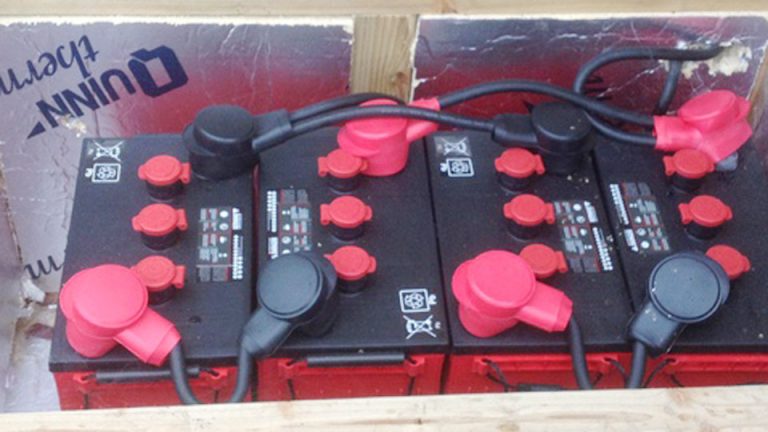
Image by firestonecompleteautocare
Understanding Lead-Acid Battery Basics
Lead-acid batteries have been around for over 150 years for good reason. They use lead plates and sulfuric acid electrolyte to store and release energy reliably.
A standard 12V battery has six cells, each nominally 2V. Capacity is measured in Amp-hours (Ah)—how long it can supply a certain current. For example, a 100Ah battery can theoretically deliver 5A for 20 hours. In practice, voltage, temperature, and discharge rate affect this.
Voltage ranges matter a lot. A rested, fully charged 12V lead-acid sits around 12.6–12.8V. Below 12.4V, it’s significantly discharged and at risk of damage if left that way. Deep discharges below 50% (around 12.0–12.2V) accelerate wear, especially in cycling applications.
Degradation happens through sulfation (lead sulfate crystals hardening on plates), plate corrosion, electrolyte loss, and active material shedding. Heat is a major enemy—every 10°C (18°F) rise above 25°C (77°F) can halve lifespan. Cold reduces available capacity temporarily but isn’t as destructive long-term.
Types of Lead-Acid Batteries: Flooded, AGM, and Gel
Not all lead-acid batteries behave the same. Choosing the right type for your use case is one of the first steps to longevity.
Flooded (Wet Cell) Batteries are the traditional, cheapest option. Liquid electrolyte covers the plates. They’re great for deep-cycle use in solar or golf carts but require regular maintenance: checking and topping up distilled water, cleaning terminals, and equalizing charges.
AGM (Absorbed Glass Mat) batteries suspend the electrolyte in a fiberglass mat. They’re sealed (VRLA), spill-proof, vibration-resistant, and maintenance-free. AGM handles higher discharge rates better than flooded and recombines gases internally. Ideal for vehicles with start-stop, motorcycles, or harsh conditions.
Gel batteries use a silica-thickened electrolyte. They excel in very deep discharges (up to 80-90% DoD) and high-temperature environments but have lower cranking power and charge more slowly. They’re sensitive to overcharging.
Comparison Table: Lead-Acid Types (Approximate Real-World Values)
| Feature | Flooded | AGM | Gel |
|---|---|---|---|
| Maintenance | High (water, clean) | Low/None | Low/None |
| Cost (upfront) | Lowest | Medium-High | Medium |
| Cycle Life (50% DoD) | 300-800 | 500-1200+ | 600-1500+ |
| Vibration Resistance | Moderate | Excellent | Good |
| Deep Discharge Suitability | Good | Very Good | Excellent |
| Charge Speed | Fast | Fast | Slower |
| Typical Lifespan (years, auto/solar) | 3-5 | 5-8 | 5-10 |
These are averages based on proper care. Lithium (LiFePO4) offers 2000-5000+ cycles and 80-100% usable DoD but at higher upfront cost. Many users stick with lead-acid for budget or compatibility.
Why Batteries Die Early: Common Mistakes to Avoid
Beginners and pros alike make these errors. I’ve seen all of them shorten life dramatically.
- Leaving batteries partially discharged: Sulfation starts quickly below 50% SoC. Always recharge promptly.
- Overcharging or wrong voltage: Too high causes gassing, water loss (in flooded), and plate corrosion. Too low leaves it undercharged.
- Ignoring water levels in flooded batteries: Plates exposed to air sulfate and warp. Use only distilled water, added after charging.
- Deep discharges too often: Occasional is okay for deep-cycle batteries, but avoid routine drops below 50% in starter batteries.
- Poor storage: Discharged batteries in heat or cold self-discharge and sulfate. Store at full charge in moderate temps.
- Loose or corroded connections: Causes voltage drops and heat.
- Mixing old and new batteries or mismatched capacities in banks.
Proper Charging Practices: The Key to Longevity
Charging is where most life is won or lost. Use a quality multi-stage charger (bulk, absorption, float) matched to your battery type.
For a 12V flooded/AGM:
- Bulk charge: Up to ~14.4-14.8V.
- Absorption: Hold until current tapers.
- Float: 13.2-13.8V for maintenance.
Gel prefers slightly lower voltages (around 14.1-14.4V absorption). Always check manufacturer specs—temperature compensation is crucial (lower voltage in heat).
Step-by-Step Safe Charging:
- Inspect for damage, clean terminals.
- Use PPE: gloves, goggles, ventilation.
- Connect positive first, then negative.
- Set correct mode and voltage.
- Monitor temperature—stop if hot.
- For flooded: Check water levels after cooling.
Equalization (higher voltage ~15-16V for short periods) for flooded batteries mixes electrolyte and reduces mild sulfation, but do it sparingly (every 1-3 months if needed).
Smart maintainers for stored vehicles or solar are game-changers—they prevent self-discharge without overcharging.
Maintenance Routines That Actually Work
Monthly/Seasonal Checks:
- Visual inspection: Leaks, bulges, corrosion.
- Voltage test: Rested >12.6V is good.
- For flooded: Electrolyte level (just above plates). Top with distilled water post-charge.
- Clean terminals with baking soda/water mix, then grease.
- Tighten connections.
Load Testing: Use a carbon pile tester or multimeter under load. A healthy battery holds voltage well (e.g., above 9.6V during cranking).
Storage Tips: Charge fully, disconnect if possible, store cool (50-70°F ideal), recharge every 1-2 months. Avoid concrete floors (myth for modern batteries, but good airflow helps).
In solar/deep-cycle setups, aim for 30-50% average DoD max. Use a good charge controller with temperature sensing.
Real-World Applications and Examples
Cars and Motorcycles: Starter batteries see shallow discharges. Keep the alternator healthy, avoid short trips that don’t fully recharge, and use a maintainer in winter. AGM shines here for vibration and reliability.
Solar and Off-Grid: Deep-cycle flooded or AGM in banks. Balance strings, avoid imbalance. I’ve seen mismatched batteries drag down entire banks—test and replace individually when possible.
UPS and Backup: Float charging is constant—use precise float voltage to minimize corrosion.
Power Tools/RVs: Match battery to duty cycle. Gel for slow, deep use.
Troubleshooting Common Issues:
- Low voltage after charge? Check for parasitic drains or sulfation.
- Won’t hold charge? Load test or try desulfation (pulsed chargers, cautiously).
- Corrosion? Clean and protect.
Safety Considerations
Batteries contain sulfuric acid and produce explosive hydrogen gas during charging. Work in ventilated areas, no sparks/flames. Neutralize spills with baking soda. Dispose/recycle properly—lead is hazardous. Wear protection. Never short terminals.
For lithium conversions, ensure BMS compatibility, but that’s a separate upgrade path.
Choosing and Replacing Batteries
Match capacity, CCA (cold cranking amps) for vehicles, and reserve capacity. In banks, use identical age/type. Buy from reputable sources with warranties.
When replacing:
- Disconnect negative first.
- Remove hold-downs.
- Clean tray.
- Install new, reconnect positive first.
- Test charging system.
Practical Recommendations Summary
- Charge fully after every significant use.
- Maintain proper electrolyte (flooded).
- Avoid extremes of temperature and discharge.
- Use quality chargers and maintainers.
- Inspect regularly—catch issues early.
- For longevity, consider AGM upgrade if maintenance is a pain.
A Technician’s Pro Tip
One trick I’ve used for years on tired flooded batteries in solar banks: After a full charge, perform a controlled equalization followed by a specific gravity check (1.265-1.280 ideal per cell with hydrometer). It reveals weak cells early and helps balance the bank. Combine with periodic desulfating pulses on a smart charger for extra seasons out of aging units.
You’ve got the knowledge now. Treat your batteries right, and they’ll return the favor with reliable power for years. Start with a full inspection of what you have today—small habits compound into big savings and fewer headaches down the road.
FAQ
How often should I check my lead-acid battery water levels?
For flooded batteries in regular use, check monthly. In hot climates or heavy cycling, every 2-4 weeks. Add distilled water only after charging to the proper level. AGM and gel are sealed—no checking needed.
Can I use a car charger on a deep-cycle battery?
Only if it’s a smart multi-stage charger with appropriate settings. Standard automotive chargers can overcharge and damage deep-cycle types. Match voltage and algorithm.
What’s the best way to store a lead-acid battery over winter?
Fully charge it, clean terminals, store in a cool, dry place above freezing. Use a trickle maintainer. Recharge every 1-2 months if not maintained. Avoid storing discharged.
How do I know when to replace my lead-acid battery?
It fails load test, holds less than 70-80% capacity, or voltage drops quickly. In vehicles, slow cranking or frequent jumps signal replacement. Test annually after 3-4 years.
Does temperature really affect battery life that much?
Yes—heat accelerates corrosion and water loss; cold reduces capacity. Keep installations shaded or insulated where possible, and use temperature-compensated charging.