What Are the Electrodes Made of in the Alkaline Battery?
A flashlight starts getting dim, a TV remote becomes unreliable, or a battery-powered toy suddenly loses power. Most people replace the batteries and move on, but few stop to wonder what’s actually happening inside.
That curiosity often leads to an interesting question: what are the electrodes made of in the alkaline battery, and why do those materials matter?
The answer is more important than it might seem. The materials used for the electrodes play a huge role in how much power a battery can deliver, how long it lasts on the shelf, and how well it performs under everyday use.
They also help explain why alkaline batteries generally last longer than older battery technologies and why some batteries handle heavy-drain devices better than others.
Understanding the basics can save you from a lot of confusion when comparing battery types, reading specifications, or troubleshooting poor performance. It also gives you a clearer picture of what you’re actually paying for when you buy a premium battery versus a budget option.
I’ll break down the electrode materials inside an alkaline battery, explain how they work together to produce electricity, and show why these components have such a big impact on battery lifespan, reliability, and real-world performance.
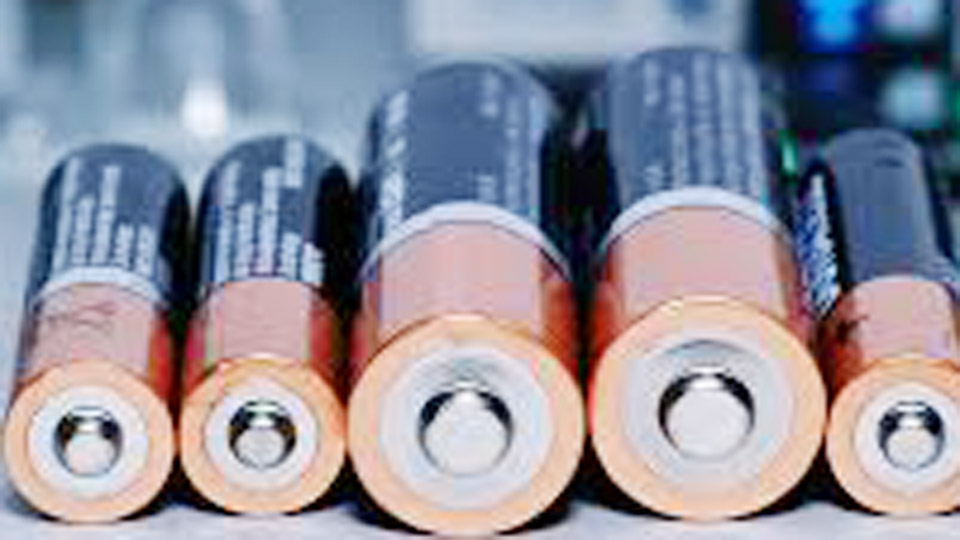
Image by vonikoshop
Understanding Battery Electrodes: The Core of Power Delivery
Electrodes are where the magic (and the chemistry) happens. The anode releases electrons during discharge (oxidation), and the cathode accepts them (reduction). The electrolyte shuttles ions between them. Materials matter because they determine voltage, capacity, cycle life, safety, and cost.
In Alkaline Batteries
The negative electrode (anode) is powdered zinc metal, often mixed into a gel with the KOH electrolyte for better contact and to reduce corrosion. The positive electrode (cathode) is a compressed mixture of manganese dioxide powder with carbon (graphite) added for conductivity. The steel can usually serves as the cathode current collector.
This setup gives about 1.5V per cell and works well for intermittent use in remotes, flashlights, toys, and clocks. Zinc gets oxidized to zinc oxide, and MnO₂ is reduced. Once the reactants are depleted, the battery is done—non-rechargeable in standard form (though some “rechargeable” alkalines exist with limitations).
Lead-Acid Batteries (Flooded, AGM, Gel)
These dominate automotive starting and many deep-cycle/solar applications. The negative electrode is spongy lead (Pb), and the positive is lead dioxide (PbO₂). Both are on lead-alloy grids (often lead-antimony or lead-calcium). The electrolyte is sulfuric acid.
During discharge, both plates convert to lead sulfate, and the acid weakens. Recharging reverses this. Flooded versions need water top-ups; AGM (absorbed glass mat) immobilizes the electrolyte in fiberglass; gel uses a thickened electrolyte. These are robust but heavier and less efficient at deep discharges.
Lithium-Ion Batteries (Especially LiFePO4)
Graphite (or sometimes silicon-enhanced) serves as the anode. Cathodes vary: lithium iron phosphate (LiFePO4) for safety and longevity, or NMC/NCA for higher energy density in EVs. Lithium ions shuttle between electrodes without major structural changes, enabling thousands of cycles.
LiFePO4 is my go-to recommendation for solar and off-grid because it’s stable, doesn’t suffer from thermal runaway as easily as other lithium chemistries, and handles deep cycling beautifully.
How Different Battery Chemistries Work in Practice
Batteries convert chemical energy to electrical through reversible (secondary) or one-way (primary) reactions. Voltage comes from the electrode potential difference; capacity (Ah) reflects how much charge they store; energy (Wh) is voltage times capacity.
In a car, a lead-acid battery delivers high cranking amps (CCA) quickly. In solar, deep-cycle batteries endure repeated charge/discharge. Alkaline batteries shine in low-drain, portable scenarios but die fast under heavy use.
Real-World Voltage and Capacity Basics
- 12V lead-acid: Fully charged ~12.6-12.8V, discharged to ~10.5V under load.
- LiFePO4 12V pack: ~13.6V nominal, charges to 14.2-14.6V, discharges safely to ~10-11V.
- Capacity in Ah tells runtime; Wh accounts for voltage. A 100Ah lead-acid at 50% usable depth of discharge (DoD) gives ~600Wh usable. A similar LiFePO4 at 80-90% DoD delivers far more.
Battery Types Compared: Which One Fits Your Needs?
Here’s a practical side-by-side based on years of swapping batteries in cars, trucks, solar setups, UPS systems, and power tools.
Pros and Cons Overview
Flooded Lead-Acid: Cheap upfront, widely available, good for starting. Heavy, needs maintenance, shorter life (300-500 deep cycles), sulfates if left discharged.
AGM: Spill-proof, vibration-resistant, faster charging, longer life than flooded (~400-800 cycles). More expensive, still sensitive to over-discharge.
Gel: Excellent for deep cycling in some solar/backup uses, low self-discharge. Slower charging, damaged by high currents.
LiFePO4: 3000-10,000+ cycles, 80-90%+ usable capacity, lightweight, efficient, built-in BMS for protection. Higher upfront cost, but best long-term value for solar/off-grid. Excellent safety.
Alkaline: Inexpensive for single-use, stable shelf life, no maintenance. Not rechargeable effectively, low capacity for high-drain.
Comparison Table (Approximate for 12V 100Ah Equivalent)
| Battery Type | Initial Cost | Usable Capacity | Cycle Life (Deep) | Weight | Maintenance | Best For |
|---|---|---|---|---|---|---|
| Flooded Lead-Acid | Low | ~50% | 300-500 | Heavy | High | Starting, occasional use |
| AGM | Medium | ~60-70% | 400-800 | Medium | Low | Marine, RV, vehicles |
| Gel | Medium-High | ~50-70% | 500-800 | Medium | Low | Solar, deep cycle |
| LiFePO4 | High | 80-90%+ | 3000-10,000+ | Light | Very Low | Solar, off-grid, EV backup |
| Alkaline | Very Low | Varies (primary) | N/A (disposable) | Light | None | Low-drain portables |
Charging Methods: Getting It Right Every Time
Wrong charging is one of the fastest ways to kill a battery. I’ve seen too many ruined packs from mismatched chargers.
Lead-Acid (Including AGM/Gel): Multi-stage charging—bulk (higher current/voltage), absorption (constant voltage), float (maintenance). Typical 12V: Bulk to 14.4-14.8V, float ~13.2-13.8V. Avoid over 14.4V on gel in many cases.
LiFePO4: Constant current/constant voltage (CC/CV). Charge to 14.2-14.6V (3.55-3.65V per cell), no float needed long-term or very low. BMS handles protection. Faster charging, higher efficiency.
Alkaline: Not designed for recharge. “Rechargeable” versions exist but lose capacity quickly and can leak.
Use a smart charger matched to chemistry. For solar, MPPT controllers with proper profiles are essential. In cars, the alternator handles it, but check voltage output (13.8-14.5V running).
Step-by-Step: Testing and Charging a Battery
- Visual inspect for damage, leaks, corrosion.
- Use a multimeter: 12.6V+ rested = good; below 12.2V = needs charge.
- Clean terminals (baking soda + water for acid corrosion).
- Connect charger correctly (positive first).
- Monitor temperature—warm is okay, hot is bad.
- For storage: Lead-acid at full charge, cool/dry; lithium partial charge, check periodically.
Maintenance, Storage, and Common Mistakes
Proper care extends life dramatically. I tell every customer: treat your battery like the expensive tool it is.
Maintenance Routines
- Lead-acid: Check electrolyte levels (distilled water only), clean terminals, equalize periodically.
- AGM/Gel: Keep clean and secure; test voltage regularly.
- Lithium: Minimal—BMS does most work, but avoid extreme temps.
- Alkaline: Store cool/dry; dispose responsibly (zinc and MnO₂ can be recycled).
Storage Tips: Avoid freezing or extreme heat. Lead-acid self-discharges; use a maintainer. Lithium holds charge better.
Common Mistakes I See
- Leaving batteries discharged for weeks (sulfation in lead-acid).
- Using car chargers on deep-cycle or lithium batteries.
- Over-tightening terminals or mixing old/new batteries.
- Ignoring temperature effects—cold kills cranking power, heat accelerates degradation.
- Disregarding safety: acid spills, short circuits, or charging in enclosed spaces.
Troubleshooting Step-by-Step
- Slow cranking? Test battery and alternator.
- Won’t hold charge? Check for parasitic drains (multimeter in series).
- Swollen case? Overcharge or heat—replace immediately.
- Corrosion? Clean and protect.
Real-World Applications and Examples
Cars and Motorcycles: Lead-acid (often AGM now) for starting. High CCA needed. Replace every 3-5 years typically.
Solar and Off-Grid: LiFePO4 dominates for daily cycling. One setup I helped with went from daily lead-acid headaches to set-it-and-forget-it lithium with proper inverter integration.
UPS and Backup: AGM or gel for reliability; lithium for longer runtime in smaller space.
Power Tools and Electronics: Alkaline for convenience in low-drain; lithium-ion rechargeables for high-drain.
Safety Considerations
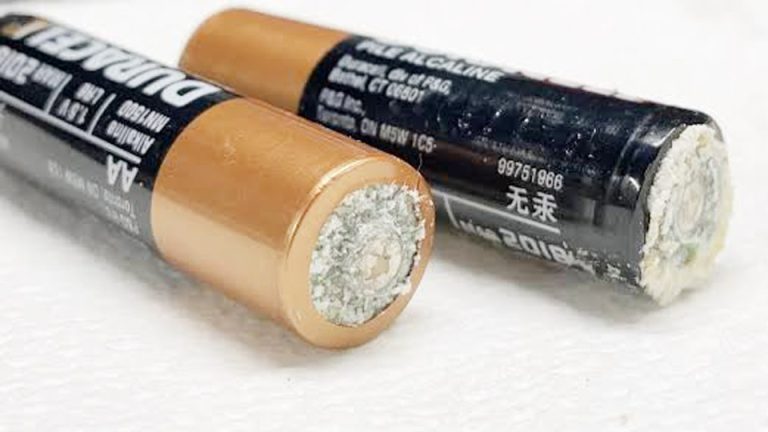
Batteries store energy—respect them. Lead-acid: acid burns, hydrogen gas (ventilate). Lithium: thermal runaway rare in LiFePO4 but use BMS. Alkaline: leakage can damage devices. Always wear protection, work in ventilated areas, and recycle properly. Never puncture or incinerate.
Practical Recommendations for Choosing and Using Batteries
Match the battery to the job: high cranking for starters, deep-cycle for solar. Calculate needs—daily Wh consumption divided by voltage and DoD. Factor total cost of ownership (lifespan matters more than sticker price). Buy quality with warranties. Test regularly.
For compatibility: Same chemistry and capacity in banks; proper wiring for balance.
Key Takeaways for Confident Battery Management
After dealing with hundreds of battery systems, the biggest lesson is that understanding the chemistry—starting with those zinc and manganese dioxide electrodes in alkaline cells—leads to better choices across all types.
You now know electrode materials drive performance, why lithium often wins long-term for cycling applications, proper charging voltages, and how maintenance prevents most failures.
Always load-test a battery under real conditions before declaring it good. A multimeter reading can lie, but a carbon pile tester or smart analyzer under cranking or inverter load reveals the truth. Pair that with matching your charger profile exactly, and you’ll get maximum life out of every pack.
FAQ
What are the electrodes made of in an alkaline battery?
The negative electrode (anode) is zinc powder, and the positive electrode (cathode) is manganese dioxide. This combination with KOH electrolyte provides reliable 1.5V power for many household devices.
How do alkaline batteries differ from rechargeable ones used in cars or solar?
Alkaline are primary (disposable) with zinc/MnO₂ electrodes. Car/solar batteries are secondary (rechargeable) using lead-acid or lithium chemistries for repeated cycling.
What’s the best battery type for solar power systems?
LiFePO4 for most users due to high cycle life, usable capacity, and efficiency. AGM works for smaller or budget setups but requires more careful management.
Can I recharge alkaline batteries?
Standard ones are not designed for it and can leak or fail. Specialized rechargeable alkalines exist but offer reduced performance and lifespan.
How often should I check or maintain my vehicle battery?
Every 3-6 months: clean terminals, test voltage/load, check charging system. In extreme climates, more frequently.