How to Clean Alkaline Battery Acid Safely & Prevent Damage
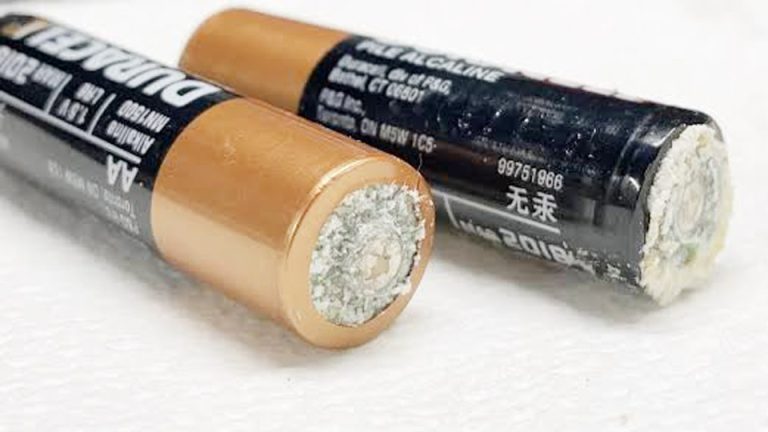
You grab a remote, flashlight, or kids’ toy and it refuses to turn on. When you open the battery compartment, there it is—white, crusty buildup around the batteries and metal contacts. Most people face this at some point, but very few actually know how to clean alkaline battery acid safely without damaging the device.
From experience, the biggest mistake I see is people either ignoring the corrosion or trying to force-scrape it off with a knife or screwdriver. That residue isn’t just dirt—it slowly eats away at the metal contacts and spreads if it’s left untreated.
I’ve repaired devices where a simple leak turned into a completely dead battery compartment just because it wasn’t cleaned properly in time.
What makes it worse is that many users assume the device is finished once leakage appears, so they throw it away unnecessarily. In reality, most alkaline battery corrosion can be cleaned if you handle it the right way and don’t rush the process.
I’ll walk you through the exact steps I use in real repair situations to remove alkaline battery leakage safely, what tools actually work, and the mistakes that can permanently damage your device if you’re not careful.
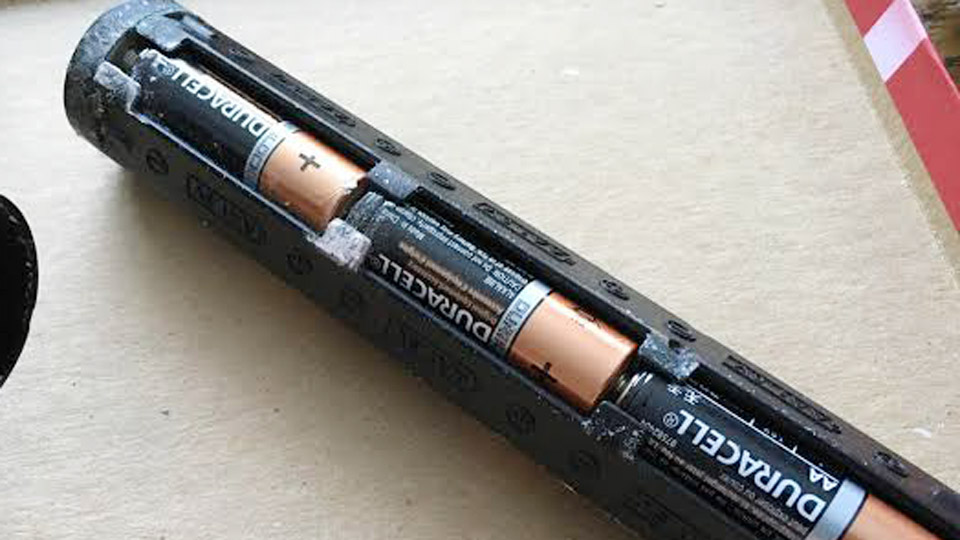
Image by r/howto
Understanding Alkaline Battery Leakage
Alkaline batteries, the standard AA, AAA, C, and D cells in most household devices, use potassium hydroxide as the electrolyte. Despite the name “alkaline battery acid,” it’s a strong base, not an acid, but it’s still highly corrosive. When the battery ages, gets damaged, or sits unused in a device, the casing can degrade and leak this electrolyte.
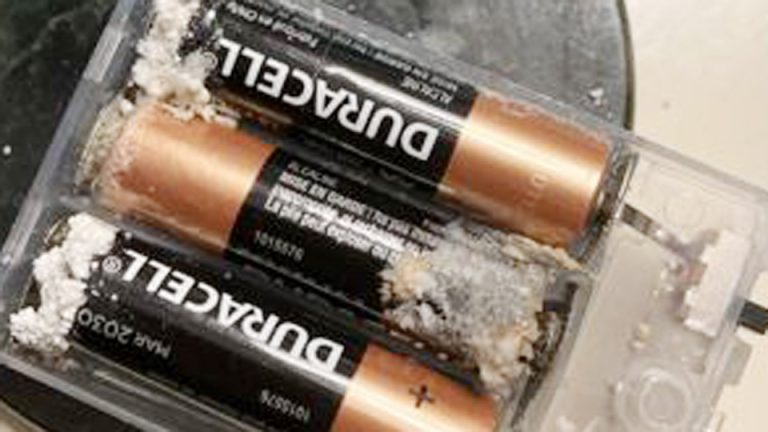
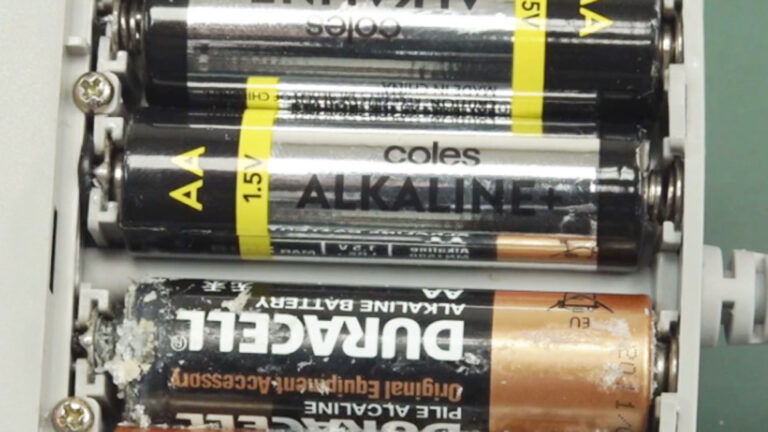
You’ll spot it as a white powdery residue, sticky liquid, or greenish corrosion on the battery terminals and springs. Left alone, it eats through metal contacts, causes poor conductivity, and can permanently damage circuit boards.
In cars or motorcycles, similar issues appear with other battery types, but alkaline leaks are especially common in devices stored in garages or vehicles that experience temperature swings.
Why Battery Leaks Happen and When You’ll Encounter Them
Heat accelerates the chemical reactions inside alkaline cells, causing pressure buildup and eventual rupture of the seal. Cold can cause condensation that promotes corrosion. Storing devices with batteries installed for months (think smoke detectors, flashlights in the glovebox, or solar charge controllers) is a classic trigger.
In my experience, the worst cases come from mixed old and new batteries or cheap off-brand cells. For solar and deep-cycle setups, I’ve seen AGM and gel batteries leak less often than flooded lead-acid, but when they do, the sulfuric acid is far more aggressive. Lithium-ion and LiFePO4 batteries rarely leak electrolyte but can swell or vent gases if abused.
Safety First: Protecting Yourself and Your Gear
Before you touch anything, put on nitrile gloves and eye protection. Potassium hydroxide can cause chemical burns on skin and is especially nasty if it gets in your eyes. Work in a well-ventilated area.
Neutralize the alkaline residue with a mild acid like white vinegar or lemon juice diluted in water. For lead-acid battery acid spills (sulfuric), use baking soda instead. Never mix the two approaches on the same spill.
Step-by-Step: How to Clean Alkaline Battery Acid
Step 1: Remove the Batteries
Take out every cell carefully. If a battery is stuck, don’t force it—wiggle gently or use a plastic tool. Dispose of leaked batteries properly; many auto parts stores or recycling centers accept them.
Step 2: Initial Wipe-Down
Brush off loose powder with an old toothbrush or soft brush. Avoid spreading it around. Wipe larger amounts with a dry cloth or paper towel.
Step 3: Neutralize the Residue
Mix equal parts white vinegar and water (or use straight vinegar for heavy buildup). Dampen a cotton swab or cloth and gently clean the contacts, springs, and battery compartment. You’ll see fizzing as it neutralizes. For stubborn spots, let it sit a minute then scrub lightly.
Step 4: Rinse and Dry
Wipe again with a clean, water-dampened cloth to remove vinegar residue, then dry thoroughly with a microfiber cloth or compressed air. Moisture is your enemy—any leftover dampness will cause new corrosion.
Step 5: Polish and Restore Contacts
Use a pencil eraser or fine emery cloth on metal terminals for a bright shine. For circuit boards, isopropyl alcohol (90%+) on a swab works well after neutralization. I’ve revived countless remotes and flashlights this way.
Step 6: Test and Reassemble
Install fresh, same-brand batteries. Test the device. If it still doesn’t work, corrosion may have reached deeper—time for repair or replacement.
This process usually takes 10–20 minutes and has saved me from buying new equipment dozens of times.
Battery Types: How They Compare and Why Chemistry Matters
Different batteries demand different care. Here’s what I’ve learned from real-world use:
Lead-Acid (Flooded, AGM, Gel)
Common in cars, motorcycles, solar banks, and UPS systems. They contain sulfuric acid electrolyte. Flooded versions need distilled water top-ups; AGM and gel are sealed and maintenance-free but still sensitive to overcharging. Lifespan: 3–7 years in vehicles, longer in properly managed solar setups. Capacity often rated in Ah (amp-hours).
Alkaline
Disposable, high initial voltage (1.5V), good for low-drain devices. Prone to leakage after 1–3 years. Not rechargeable in standard use.
Lithium-Ion and LiFePO4
Rechargeable powerhouses in EVs, power tools, and modern solar storage. LiFePO4 is safer and longer-lasting (2,000+ cycles) than standard lithium-ion. Voltage per cell is 3.2–3.7V nominal. They hate extreme cold and over-discharge but don’t leak corrosive electrolyte like older types.
Comparison Table
| Battery Type | Typical Voltage | Lifespan (Cycles/Years) | Leak Risk | Best For | Cost per kWh (approx.) |
|---|---|---|---|---|---|
| Flooded Lead-Acid | 12V | 300–500 / 3–5 years | High | Cars, basic solar | Low |
| AGM/Gel | 12V | 500–800 / 5–8 years | Low | Deep cycle, RV, marine | Medium |
| Alkaline | 1.5V | N/A (single use) | Medium | Remotes, flashlights | Varies |
| Li-ion | 3.6–3.7V | 500–1,000 / 5–10 years | Very Low | Power tools, EVs | High |
| LiFePO4 | 3.2V | 2,000–5,000 / 10+ years | Very Low | Solar storage, off-grid | Medium-High |
Pros and cons vary by use. Lead-acid is cheap and proven but heavy and requires more maintenance. Lithium shines in efficiency and weight but costs more upfront.
Charging Systems and Common Mistakes
Wrong charging kills batteries faster than anything else I see. For lead-acid, use a smart charger that matches the voltage—typically 13.8–14.4V for 12V systems in float/absorption stages. Overcharging causes gassing and heat; undercharging leads to sulfation.
Lithium batteries need specific chargers with BMS (Battery Management System) compatibility. Never use a lead-acid charger on lithium without proper settings—voltage mismatch can cause fire or instant failure.
Real mistake I’ve seen repeatedly: Leaving a maintainer on a fully charged battery for months, or using a high-amp automotive charger on a small deep-cycle bank. In solar setups, mismatched charge controllers destroy banks quickly.
Practical Charging Tips
- Match charger to battery chemistry and capacity.
- For cars: Trickle charge at 1–2A for maintenance.
- Solar: Use MPPT controllers for lithium or lead-acid.
- Check voltage regularly with a multimeter—12.6V+ is healthy for a rested 12V lead-acid.
Storage, Maintenance, and Extending Lifespan
Store batteries in cool, dry places between 50–70°F. Avoid temperature swings. For lead-acid, keep them charged; for lithium, store at 50–60% charge if long-term.
Maintenance routines:
- Monthly voltage checks on stored batteries.
- Clean terminals every 6 months on vehicles.
- Equalize flooded lead-acid batteries periodically per manufacturer specs.
- In off-grid solar, monitor depth of discharge—avoid going below 50% on lead-acid, 20% on lithium for longevity.
Degradation happens from heat, deep cycling, and age. A well-maintained car battery can last 5+ years; neglected ones die in 18 months.
Troubleshooting Battery Issues Beyond Cleaning
After cleaning alkaline leaks, devices sometimes still fail. Check for broken springs, bent contacts, or damaged wiring. In vehicles, test alternator output (13.8–14.5V running). For solar, inspect connections for voltage drop.
Power tools with swollen lithium packs need proper disposal and replacement—don’t attempt to open them yourself.
Real-World Examples from Garage and Field
In my truck, a leaky alkaline battery in the key fob corroded the contacts until the door wouldn’t unlock. Quick clean and new battery fixed it. On a client’s solar cabin, flooded lead-acid batteries leaked acid onto the floor after overcharging—neutralized with baking soda, cleaned, and replaced with LiFePO4 for better performance.
Motorcycle owners often find corrosion under seats from AGM batteries that weren’t maintained during winter storage. Proper trickle charging prevents it.
Choosing the Right Battery for Your Needs
Consider duty cycle, temperature, weight, and budget. For daily drivers, a good AGM is reliable. Off-grid homeowners benefit hugely from LiFePO4 despite higher cost because of cycle life and efficiency. Always match Ah/Wh capacity to your load—undersized banks fail fast.
Practical Recommendations Summary
- Use quality batteries from reputable brands.
- Invest in a good multimeter and smart charger.
- Follow manufacturer voltage and current specs religiously.
- Clean spills immediately.
- Recycle old batteries responsibly.
When installing any new battery, especially in vehicles or solar, apply a thin layer of dielectric grease to the terminals after cleaning. It prevents future corrosion like nothing else and makes removal easier years later.
You now have the hands-on knowledge to handle alkaline battery acid cleanup safely, choose the right chemistry for your application, and keep everything running longer.
Whether you’re keeping your car reliable, your solar system efficient, or your household devices working, these practices turn potential disasters into routine maintenance. Take care of your batteries, and they’ll take care of you when it counts.