How to Measure Lead Acid Battery Capacity (Ah Test Guide)
A backup inverter suddenly shuts down during a power cut, even though the battery was “fully charged” just yesterday. The display looks normal, but the runtime drops far too quickly. That’s usually when the real issue shows up—no one actually checked How to Measure Lead Acid Battery Capacity before relying on it.
In most setups I deal with, people assume voltage tells the whole story. In reality, a battery can show a healthy voltage and still have poor usable capacity due to aging, sulfation, or uneven cell condition. That mismatch is what leads to unexpected power cuts, weak cranking in vehicles, and unreliable backup during outages.
Capacity testing isn’t just a technical step—it’s what separates a dependable battery from one that’s quietly failing. It directly affects runtime, performance under load, lifespan decisions, and whether you’re wasting money on batteries that look fine on the surface.
In this guide, I’ll walk through practical ways to measure lead acid battery capacity, what readings actually matter in real conditions, and the common mistakes that lead to misleading results.
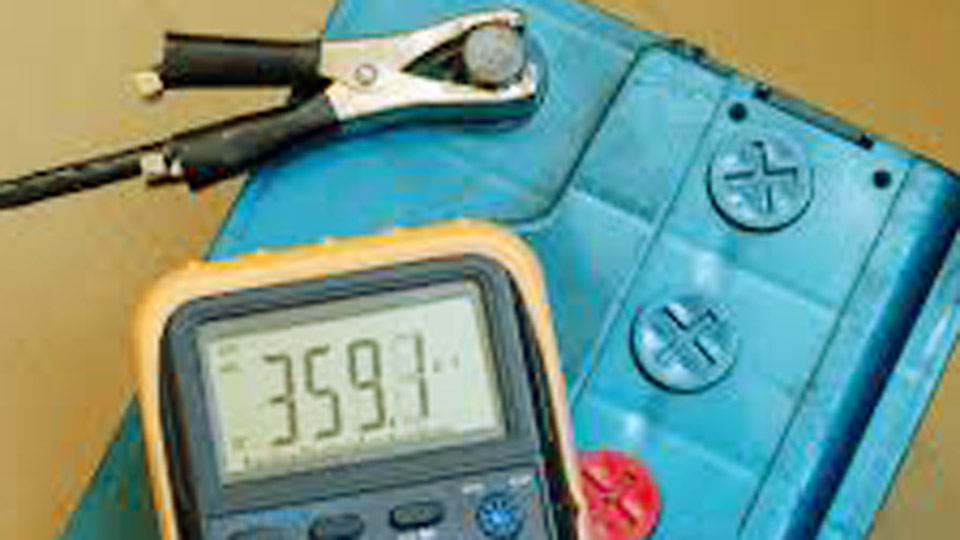
Image by spvenergy
Why Battery Capacity Matters in Real Life
Capacity is the total amount of energy a battery can store and deliver, typically rated in amp-hours (Ah) at a specific discharge rate (like the 20-hour rate, or C/20). A 100Ah battery should theoretically supply 5 amps for 20 hours before hitting the cutoff voltage.
In practice, real-world factors change this. A car battery might crank the engine fine (high CCA) but lack reserve capacity for accessories if the alternator fails. In solar systems, degraded capacity means shorter runtimes at night or during cloudy stretches.
Overlooking this leads to underperforming setups, frequent replacements, and safety risks like sudden power loss or over-discharge damage.
I’ve seen flooded batteries in RVs lose 30-40% capacity after a couple of years of improper maintenance, while well-cared-for AGM units hold up better. Measuring capacity gives you hard data instead of guesswork.
Understanding Lead-Acid Battery Types
Before diving into measurement, know your battery. Not all lead-acid batteries behave the same.
Flooded (Wet Cell) Lead-Acid: Traditional design with liquid electrolyte. Affordable and common in cars and deep-cycle applications. They require regular watering and venting. Best for stationary or accessible setups.
AGM (Absorbent Glass Mat): Electrolyte absorbed in fiberglass mats. Sealed, maintenance-free, spill-proof, and vibration-resistant. Excellent for vehicles, motorcycles, and marine use. They handle higher discharge rates and charge faster than flooded but cost more upfront.
Gel: Similar to AGM but with a gelled electrolyte. Great for deep cycling with less risk of stratification. More sensitive to high charge voltages and temperatures. Often used in solar and mobility applications.
Comparison Table: Lead-Acid Battery Types
| Feature | Flooded | AGM | Gel |
|---|---|---|---|
| Maintenance | High (water checks) | Low/None | Low/None |
| Cost | Lowest | Higher | Highest |
| Deep Cycle Life | Good (with care) | Better | Best for deep discharge |
| Vibration Resistance | Fair | Excellent | Good |
| Spill-Proof | No | Yes | Yes |
| Charging Speed | Moderate | Fast | Slower |
| Typical Lifespan (cycles at 50% DoD) | 500-800 | 800-1200+ | 1000+ |
Pros and Cons Summary: Flooded batteries win on price and tolerance for occasional overcharge but demand attention. AGM offers convenience and performance for demanding environments. Gel excels in deep, slow discharges but doesn’t like high currents or overcharging.
Choose based on your application: cars and starting needs favor AGM or flooded; solar/deep-cycle favors AGM or gel.
Key Battery Metrics: Voltage, Capacity (Ah), and More
A fully charged 12V lead-acid battery rests around 12.6-12.8V. Below 12.4V, it’s significantly discharged. Cutoff for testing is usually 10.5V to avoid damage.
Capacity (Ah) measures sustained energy delivery. Reserve Capacity (RC) indicates minutes a fully charged battery can deliver 25A before dropping to 10.5V—useful for automotive contexts.
Degradation happens from sulfation (lead sulfate buildup), corrosion, and active material shedding. Heat, deep discharges, and improper charging accelerate it.
Tools You’ll Need for Measuring Capacity
- Digital multimeter or voltmeter (accurate to 0.01V)
- Hydrometer (for flooded batteries—checks specific gravity)
- Load tester or programmable discharger (for accurate tests)
- Battery charger (smart, multi-stage preferred)
- Clamp meter for current
- Safety gear: gloves, goggles, baking soda for spills
For DIY, a constant load like a resistor bank, inverter with known load, or light bulbs works but requires monitoring.
Step-by-Step: How to Measure Lead Acid Battery Capacity
The gold standard is a controlled discharge test. It’s time-consuming but reliable.
Preparation:
- Fully charge the battery using a proper charger. For 12V flooded/AGM: bulk/absorption around 14.4-14.7V, then float at 13.5-13.8V. Let it rest 4-24 hours.
- Clean terminals and inspect for damage.
- For flooded: Check electrolyte levels and specific gravity (1.265-1.280 for full charge).
- Record resting voltage.
Discharge Test (C/20 Rate Preferred):
- Calculate load: For 100Ah battery, aim for 5A constant current (100Ah / 20 hours).
- Connect a stable load (resistors, heater element, or electronic load). Monitor voltage and current.
- Discharge until voltage reaches ~10.5V (1.75V per cell). Time the duration.
- Capacity (Ah) = Current (A) × Time (hours). Adjust for temperature if needed (tests best at 77°F / 25°C).
Example: A “100Ah” battery discharges at 5A for 16 hours → actual capacity ~80Ah (80% of rated—time to replace or maintain).
Quicker Voltage + Load Checks: Resting voltage gives SOC estimate. Apply a moderate load (e.g., 10-20A) and watch voltage drop. Significant sag indicates low capacity.
For flooded batteries, hydrometer readings per cell provide insight into balance and health.
Common Pitfalls in Testing: Testing without full charge, using inconsistent loads, ignoring temperature, or stopping too early. Always recharge immediately after testing to prevent sulfation.
Voltage Charts and State of Charge
Approximate 12V Lead-Acid SOC (Resting Voltage):
- 100%: 12.7-12.8V
- 75%: ~12.4V
- 50%: ~12.2V
- 25%: ~12.0V
- Discharged: <11.8-10.5V
These vary slightly by type and temperature. Load affects readings dramatically—always test at rest for SOC.
Charging Methods and Their Impact on Capacity
Proper charging preserves capacity. Use a multi-stage charger:
- Bulk: High current until ~80% SOC.
- Absorption: Constant voltage (14.4-14.7V) until current tapers.
- Float: 13.2-13.8V for maintenance.
Mistakes I See Often: Using automotive chargers on deep-cycle batteries (wrong voltages), overcharging (gassing, water loss), or undercharging (sulfation). Temperature compensation is key—reduce voltage in heat, increase in cold.
For solar: MPPT controllers with proper setpoints. Equalization (higher voltage periodically) for flooded batteries helps desulfate but skip on sealed types.
Battery Lifespan, Degradation, and Real-World Examples
Expect 3-7 years for automotive, 500-1500 cycles for deep-cycle depending on use and care. Lithium (LiFePO4) lasts longer but that’s another topic.
Car/Motorcycle: A weak battery might crank but fail to power electronics. Measure capacity after a no-start complaint.
Solar/Off-Grid: Bank capacity determines autonomy days. Test individual batteries annually.
UPS/Power Tools: Frequent shallow cycles still degrade over time.
I once tested a bank of flooded golf cart batteries in a solar setup. New: full 200+Ah per pair. After 4 years of occasional undercharging: down to 120Ah combined. Proper routines extended others to 8+ years.
Maintenance Routines to Preserve Capacity
- Keep terminals clean and tight.
- For flooded: Check water levels after charging; use distilled water only.
- Store at full charge in cool, dry place; trickle charge every 1-3 months.
- Avoid deep discharges below 50% regularly.
- Equalize flooded batteries monthly if needed.
Storage Tips: Cool temps (50-70°F ideal). Never store discharged.
Safety Considerations
Lead-acid batteries involve sulfuric acid and hydrogen gas. Work in ventilated areas, wear protection, neutralize spills with baking soda. Avoid sparks during charging. Overheating or overcharging risks explosion or leakage. Dispose responsibly—recyclable.
Troubleshooting Low Capacity
- Low voltage after charge: Sulfation or bad cells.
- High self-discharge: Internal shorts or age.
- Uneven cells (flooded): Replace battery.
- Recondition with desulfator or controlled cycles, but success varies.
Practical Recommendations
- Match charger to battery type and size (current ~10-20% of Ah rating).
- For compatibility: Same type, age, and capacity in banks.
- Routine: Monthly voltage checks, annual capacity tests for critical systems.
- Upgrade wisely: AGM for vibration-prone or maintenance-shy users.
Real-World Takeaways for Better Battery Management
You now have the knowledge to go beyond “it’s probably dead” and actually diagnose and maintain lead-acid batteries effectively.
Understanding types, proper charging, and accurate capacity measurement turns guesswork into confident decisions—whether keeping your daily driver reliable, maximizing solar investment, or ensuring backup power when it counts.
Perform a full capacity test after any major service or when a battery is a few years old and shows even minor symptoms. It’s the only way to know true health, and it prevents 90% of surprise failures in the field.
FAQ
How accurate is a simple voltage test for lead acid battery capacity?
It’s a quick indicator of state of charge but poor for capacity. A battery can read 12.6V at rest yet have half the rated Ah due to internal degradation. Always follow with a load or discharge test for real insights.
What’s the best way to test a deep cycle lead acid battery at home?
Fully charge it, apply a constant load around C/20 rate (e.g., 5A for 100Ah), and time until it hits 10.5V. Calculate Ah from current × hours. Use a smart charger afterward.
Can I measure capacity without fully discharging the battery?
Approximate methods exist using impedance or load snapshots, but they’re less accurate. Full discharge remains the most reliable for precise Ah figures.
How often should I test battery capacity in a solar system?
At least annually, or every 6 months for heavy-use systems. Seasonal checks after winter or heavy cycling help catch degradation early.
What voltage should I charge a 12V lead acid battery to?
Absorption: 14.4-14.7V; Float: 13.5-13.8V. Adjust for temperature and type—consult your battery’s specs to avoid damage.