Nickel-Metal Hydride vs Lithium Ion AA Batteries: Key Differences
I’ve swapped out more dead AA batteries in flashlights, remotes, cameras, and kid toys than I care to count over the years. Nothing kills momentum faster than a device dying at the worst moment—whether it’s your headlamp going dark mid-repair or the wireless mouse quitting during a deadline.
That’s why understanding nickel-metal hydride (NiMH) versus lithium-ion AA batteries isn’t just tech trivia; it’s practical knowledge that saves time, money, and frustration.
Both options beat disposable alkalines for frequent use, but they behave differently in real-world conditions. NiMH has been the reliable workhorse for decades, while lithium-ion AA variants (often 1.5V with built-in circuitry) bring higher voltage and different performance characteristics.
I’ll break down how they work, where each shines or falls short, and the hands-on decisions I’ve made in garages, off-grid setups, and everyday electronics.
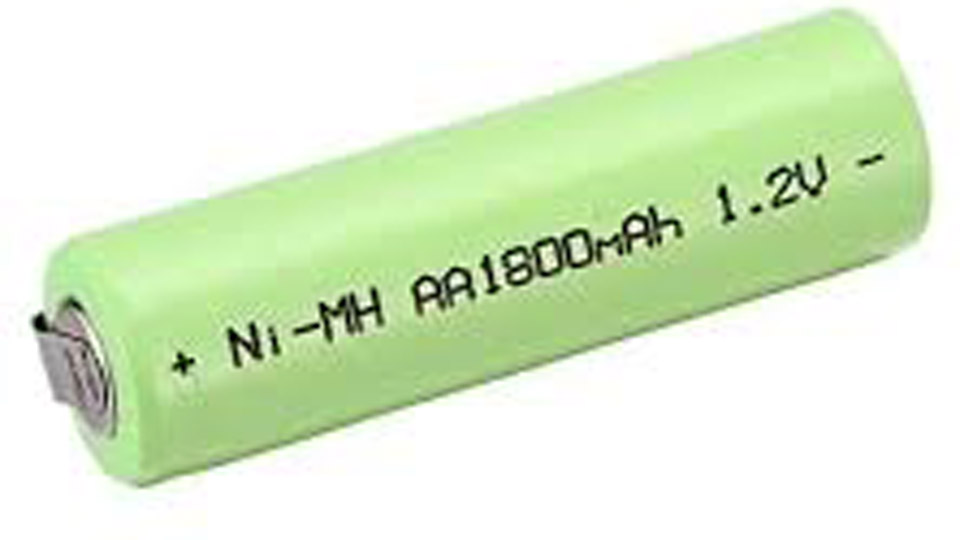
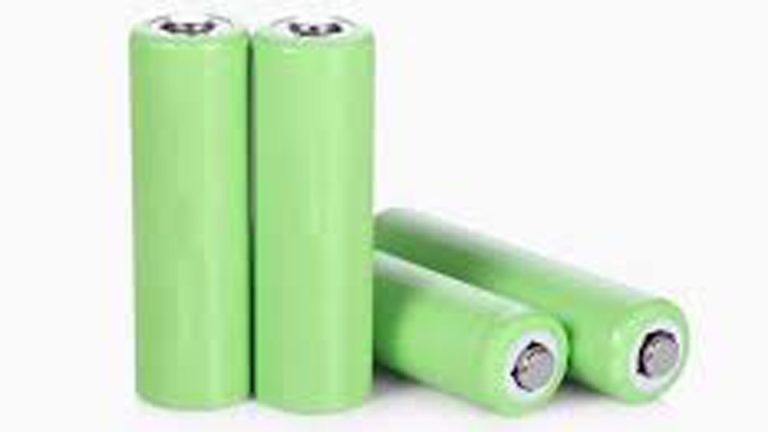
Image by ufinebattery
Understanding NiMH AA Batteries: The Everyday Reliable Choice
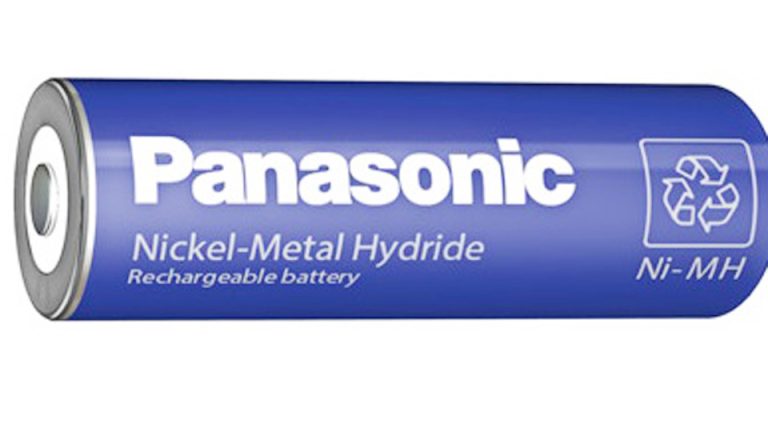
Nickel-metal hydride AA batteries deliver a nominal 1.2V. The chemistry uses a hydrogen-absorbing alloy for the negative electrode and nickel oxyhydroxide for the positive. This setup replaced older NiCd cells, offering better capacity without the cadmium toxicity.
In practice, a good NiMH AA might rate 2000–2800mAh. Fresh off the charger, voltage starts around 1.4V and settles quickly to 1.2V, holding relatively steady until near depletion. This predictable curve works well in devices designed for alkaline or NiMH voltages.
How They Perform in Real Use
For low-to-moderate drain devices like TV remotes, clocks, or wireless keyboards, NiMH excels. I keep sets of Panasonic Eneloop or similar low-self-discharge (LSD) versions in rotation. They retain 70-85% charge after a year in storage, unlike older high-self-discharge NiMH that lost power on the shelf.
In higher-drain scenarios—digital cameras, flashlights, or power tools—capacity shines on paper, but voltage sag under load can dim performance compared to fresh alkalines or constant-voltage lithium options. Still, for most household and workshop uses, they’re plenty capable.
Charging and Maintenance
NiMH cells tolerate a range of chargers, but smart chargers with proper termination (delta-V detection) prevent overcharging. I recommend avoiding cheap trickle chargers long-term; they shorten life. A decent charger brings a set to full in 2–4 hours safely.
Common mistake: Mixing old and new cells or different capacities in the same device. One weak cell drags the pack down, leading to incomplete charging or reverse polarity damage. I always test and group matched sets.
Lifespan and Real-World Longevity
Quality NiMH like Eneloops handle 500–2000+ cycles depending on depth of discharge and care. In my experience, treating them gently (avoiding full deep discharges routinely) extends service. Self-discharge remains higher than lithium (up to 30% per month for non-LSD), so rotate stock.
Lithium-Ion AA Batteries: Higher Voltage, Modern Performance
Lithium-ion AA batteries (rechargeable 1.5V versions) typically use Li-ion chemistry with a built-in protection circuit (BMS) that regulates output to a steady ~1.5V and prevents over-discharge, over-charge, and shorts. Nominal internal voltage is higher (around 3.6–3.7V), stepped down.
Capacities often list around 1500–3000mWh (effective mAh lower due to voltage). The constant 1.5V output means devices run at optimal performance longer without voltage drop.
Real-World Applications
These shine in high-drain devices: bright LED flashlights, wireless mics, certain medical gear, or cameras needing consistent power. In cold weather testing I’ve seen, some lithium AAs maintain better output than NiMH, though results vary by brand.
They’re less ideal as direct drop-ins for every device tuned to 1.2V NiMH/alkaline expectations, though many work fine. Always check device tolerances.
Charging Specifics
Lithium AA requires dedicated chargers—never use a NiMH charger. The BMS handles safety, but mismatched charging risks damage or reduced life. Many support USB charging, which is convenient. Charge times are often faster to 80% capacity.
Lifespan Considerations
Cycle life can reach 500–1000+ with proper care. They suffer less calendar aging in some conditions but are more sensitive to heat and full discharges. Protection circuits help, but physical damage or extreme temperatures reduce reliability.
Direct Comparison: NiMH vs Lithium Ion AA Batteries
Here’s a practical side-by-side based on hands-on use and typical specs:
Voltage
- NiMH: 1.2V nominal — steady for most legacy devices.
- Li-ion AA: ~1.5V constant — better for high-performance needs.
Capacity and Runtime
NiMH often wins raw mAh, delivering more total energy in moderate drains. Lithium maintains higher voltage, so effective runtime in demanding devices can feel superior despite lower nominal mAh. Energy (Wh) comparison favors lithium in many high-drain cases.
Weight and Size
Both fit standard AA slots, but lithium packs more energy density, often feeling lighter per performance.
Self-Discharge
NiMH (especially LSD): Moderate. Lithium: Lower, better for infrequent use or emergency kits.
Temperature Performance
NiMH handles wider ranges (-20°C to 60°C typically). Lithium can struggle in extremes without good BMS, though some perform well in cold.
Safety
NiMH is very forgiving—stable chemistry, low fire risk. Lithium requires BMS; quality ones are safe, but damage or cheap no-name cells raise risks of venting or thermal issues. Never puncture or expose to extreme heat.
Cost
NiMH cheaper upfront and per cycle for high-use scenarios. Lithium costs more but offers convenience in specific applications.
Cycle Life
Both reach hundreds of cycles; NiMH often edges in total throughput for everyday abuse tolerance.
Broader Battery Context: Lessons from Automotive, Solar, and Deep-Cycle Systems
While AA batteries are small-scale, principles carry over. In cars and motorcycles, we moved from flooded lead-acid to AGM and lithium (LiFePO4) for better weight, cycles, and cranking power. Solar and off-grid setups favor deep-cycle lithium or AGM for longevity and efficiency over lead-acid’s maintenance needs.
Voltage and chemistry matching matters everywhere. Just as you wouldn’t mix battery types in a 12V bank without balancing, avoid mixing NiMH and lithium AAs in the same device. Capacity (Ah or Wh), charging profiles, and safety all align with larger systems.
For power tools or UPS backups, similar trade-offs exist: lithium offers power density; robust alternatives like NiMH or lead-acid variants provide reliability in certain conditions.
Step-by-Step: Testing and Choosing the Right AA Batteries
- Assess Your Devices — High-drain (flashlights, cameras)? Consider lithium 1.5V. Low-drain or many devices? NiMH for cost and compatibility.
- Check Specs — Look for reputable brands (Panasonic Eneloop for NiMH; quality lithium like EBL or XTAR with clear BMS ratings).
- Test Voltage and Capacity — Use a multimeter or battery analyzer. Fresh NiMH ~1.4V; lithium ~1.5V under load.
- Charge Properly — Match charger to chemistry. Monitor initial cycles.
- Storage — Cool, dry place. For long-term, store at partial charge (40-60% for lithium; charged for NiMH LSD).
Replacing Batteries
In multi-cell devices, replace all at once with matched cells. For solar-powered garden lights or remotes, NiMH often suffices economically.
Pros and Cons Summary
NiMH Pros: Affordable, safe, high cycle tolerance in daily use, widely compatible, good for bulk household needs.
NiMH Cons: Voltage sag under heavy load, higher self-discharge (non-LSD), slower charge in some cases.
Lithium Ion AA Pros: Constant high voltage, potentially better high-drain runtime, lower self-discharge, faster partial charges.
Lithium Cons: Higher cost, needs specific chargers, slightly more safety vigilance, variable compatibility.
Common Mistakes and How to Avoid Them
- Wrong Charger: Using NiMH charger on lithium (or vice versa) damages cells or creates hazards. Label your chargers.
- Over-Discharging: Devices left on until dead stress both types. Recharge before full depletion when possible.
- Mixing Cells: Different ages, brands, or capacities cause imbalance.
- Extreme Temperatures: Garage storage in summer heat kills lithium faster; cold slows both.
- Ignoring Self-Discharge: Old NiMH sets go flat—rotate and test quarterly.
- Cheap No-Name Batteries: Fake high-capacity claims fail fast. Stick to tested brands.
In solar or automotive contexts, similar errors—like incorrect charging voltage on LiFePO4 vs lead-acid—lead to early failure. Measure and match.
Practical Maintenance Routines
For NiMH: Full charge monthly if unused. Use a smart charger. Clean contacts occasionally.
For Lithium AA: Store partially charged. Avoid full-time trickle if not designed for it. Inspect for swelling.
Troubleshooting: Device won’t power? Test individual cells. Slow charging? Check contacts or charger. Weak output? Capacity fade—time to replace.
Real-World Usage Examples
- Cars/Motorcycles: AA for key fobs or small accessories—NiMH reliable.
- Solar/Off-Grid: Larger systems use big lithium, but AA for small devices benefit from low self-discharge lithium.
- Power Tools/Electronics: Lithium for consistent power in high-drain; NiMH for cost in moderate use.
- UPS/Backup: NiMH or lithium packs for small electronics backups.
I’ve run Eneloop NiMH in flashlights for years with minimal issues, while lithium AAs revived high-drain gear noticeably.
Choosing and Buying Smartly
Prioritize needs: Volume of devices favors NiMH economics. Performance in demanding tools favors lithium. Buy in sets for matching. Check recent reviews for 2026 availability—brands like Panasonic, EBL, and others lead.
Key Takeaways for Confident Battery Management
After years handling everything from AA cells to deep-cycle banks, the right choice comes down to matching chemistry to the task. NiMH remains the versatile, budget-friendly standard for most AA applications, delivering reliable cycles without fuss.
Lithium-ion AA brings modern advantages in voltage stability and density for high-performance needs, with built-in safeguards when quality-made.
You’ve now got the practical framework: understand voltage and load demands, charge correctly, avoid common pitfalls, and maintain consistently. This prevents failures, stretches budgets, and keeps your gear running when it counts.
Invest in a decent battery analyzer or multimeter and log your sets’ performance over cycles. It reveals degradation early—long before devices fail—and helps you rotate stock like a pro, maximizing every battery’s life.
FAQ
Are lithium AA batteries better than NiMH?
It depends. Lithium excels in high-drain devices needing steady 1.5V and low self-discharge. NiMH wins for cost, safety margin, and compatibility in most everyday low-to-medium drain uses. Test both in your specific devices.
Can I use lithium AA batteries in place of NiMH?
Often yes for devices tolerant of higher voltage, but check manuals. Lithium’s 1.5V can overdrive sensitive 1.2V-optimized gear. Use the correct charger always.
How long do NiMH AA batteries last?
Hundreds to over 1000 cycles with good care. Expect 2–5 years of regular use. LSD versions hold charge better in storage.
What charger should I use for lithium ion AA batteries?
Dedicated lithium-compatible chargers only. Many feature USB input and automatic shutoff. Avoid NiMH or universal chargers unless explicitly rated.
Which has better cold weather performance?
NiMH generally handles cold better across wider ranges. Lithium performance varies by quality and BMS but can drop in extreme low temps—keep spares warm if possible.