How to Clean Alkaline Battery Leakage Safely
A flashlight that refuses to turn on during a power cut, a TV remote that suddenly stops responding, or a child’s toy that looks perfectly fine from the outside—then you open the battery compartment and find that chalky, white-green buildup eating into the contacts.
This is where most people first realize they’re dealing with how to clean alkaline battery leakage, not just a simple dead battery.
In real repair work, this is one of the most common issues I come across. Alkaline batteries don’t just die quietly—they often leak over time, and that leakage starts corroding the metal terminals, breaking proper contact, and slowly damaging the device from the inside.
I’ve seen cases where a small leak turned a fully functional device into scrap simply because it was left untreated for too long.
What makes it tricky is that the damage doesn’t always look serious at first. A little white powder or crust might seem harmless, but it can keep spreading and eating away at the contacts if it isn’t cleaned properly. Many people either ignore it or clean it the wrong way, which usually makes things worse.
I’ll walk through the exact steps I use in the field to deal with alkaline battery leakage safely—what to use, what to avoid, and how to restore proper contact so the device can work again without risking further damage.
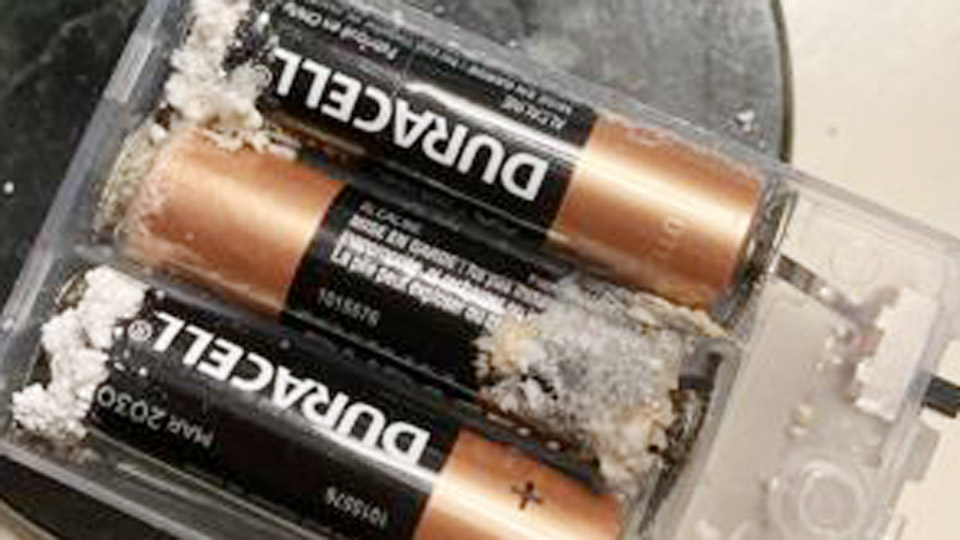
Image by r/batteries
Understanding Alkaline Battery Leakage: Why It Happens and Why It Matters
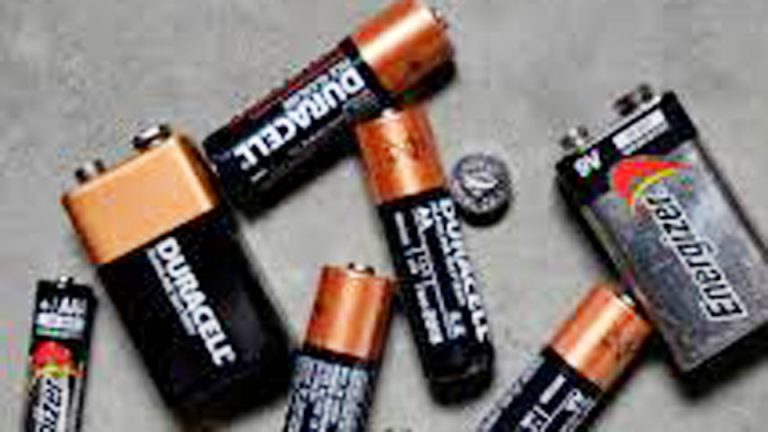
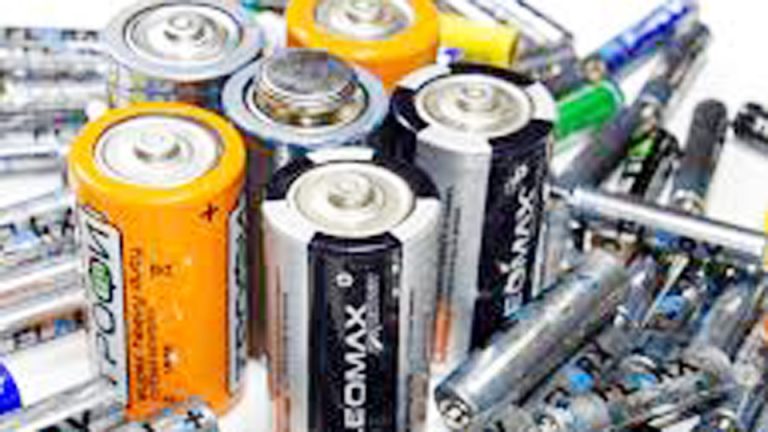
Alkaline batteries (the standard AA, AAA, C, D, and 9V ones) use potassium hydroxide as the electrolyte—a strong base. Over time, especially if left in devices for months or years, the casing can degrade, pressure builds, and the electrolyte leaks out. It forms a white or bluish crystalline crust that’s highly corrosive.
This leakage doesn’t just look bad. It can interrupt electrical contact, cause shorts, damage circuit boards, and even pose minor skin or eye irritation risks. In cars or solar setups,
I’ve seen similar principles apply to terminal corrosion on larger batteries, leading to starting failures or reduced system efficiency. Addressing it promptly prevents bigger headaches and teaches you to spot early signs of trouble across all battery types.
Safety first: Wear gloves and eye protection. Work in a well-ventilated area. Avoid breathing in any dust from the residue.
Step-by-Step Guide: How to Clean Alkaline Battery Leakage
Here’s the practical method that works reliably, whether it’s a flashlight, remote, or kids’ toy.
Remove the batteries and dispose of them properly. Don’t just toss them—take them to a recycling center. The leaked material can continue reacting.
Wipe away loose debris. Use a dry cloth, paper towel, or soft brush to remove as much crust as possible without spreading it. Compressed air can help in tight spots.
Neutralize the alkaline residue. Apply white vinegar or lemon juice with a cotton swab or cloth. The acid neutralizes the base, and you’ll often see fizzing as it reacts. Let it sit for a few minutes. For stubborn spots, make a paste or let it soak longer.
Scrub gently. Use an old toothbrush or soft brush to work the solution into the contacts and compartment. Be careful not to damage delicate springs or plastic.
Rinse and clean residue. Wipe with a damp (not soaking) cloth, then follow with isopropyl alcohol (90%+ preferred) on a swab to remove any remaining moisture or film. Alcohol evaporates quickly and leaves things clean and dry.
Dry thoroughly. Let everything air dry completely—several hours if possible—before inserting new batteries. Moisture is the enemy here.
Inspect and test. Check for any remaining corrosion or damaged contacts. Test the device with fresh batteries.
Pro tip from experience: If the corrosion has eaten into metal contacts badly, you might need to replace springs or the entire compartment. In extreme cases, the device may not be salvageable, which is why prevention beats cure.
Why Battery Knowledge Goes Beyond Alkaline Leakage
Cleaning one leak is useful, but understanding the bigger picture keeps your vehicles running, your solar system reliable, and your tools powered. Let’s break down the main battery types you’ll encounter.
Lead-Acid Batteries: The Workhorse
Flooded lead-acid batteries are common in cars, motorcycles, and some solar setups. They’re affordable but require maintenance.
Pros: Low cost, proven technology, easy to find.
Cons: Heavy, need watering (distilled only), prone to sulfation if discharged deeply, shorter lifespan (3-5 years typical with care).
AGM (Absorbent Glass Mat) versions are sealed, vibration-resistant, and spill-proof—great for off-road or marine use.
Pros: Maintenance-free, faster charging, better deep-cycle performance than flooded.
Cons: More expensive upfront, sensitive to overcharging.
Gel batteries are similar but use a gelled electrolyte—good for deep cycling but slower to charge and more temperature-sensitive.
Lithium-Ion and LiFePO4 Batteries
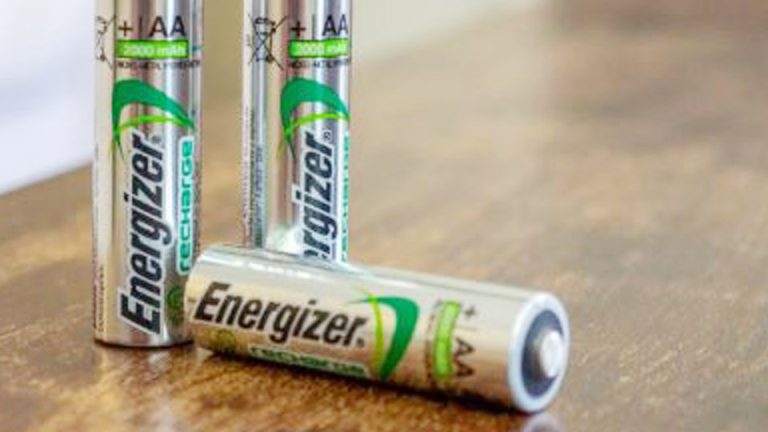
Lithium-ion (including LiFePO4) dominates modern EVs, solar storage, and high-end power tools.
Pros: Lightweight, high energy density, 5-10+ year lifespan with thousands of cycles, low self-discharge, efficient.
Cons: Higher initial cost, require compatible chargers and BMS (Battery Management System) for safety.
LiFePO4 is particularly safe and stable compared to other lithium chemistries.
Comparison Table: Battery Types at a Glance
| Battery Type | Lifespan (Years) | Cycle Life | Cost | Maintenance | Best For | Voltage (12V Nominal) |
|---|---|---|---|---|---|---|
| Flooded Lead-Acid | 3-5 | 200-500 | Low | High | Cars, basic backup | 12.6-12.8V full |
| AGM Lead-Acid | 4-7 | 400-800 | Medium | Low | Vehicles, solar, marine | 12.6-12.8V full |
| Gel | 4-6 | 500-1000 | Medium | Low | Deep cycle | Similar |
| LiFePO4 | 8-15+ | 2000-5000+ | High | Very Low | Solar, EV, off-grid | 12.8-13.6V full |
Real-world example: In my solar setup, switching from lead-acid to LiFePO4 cut weight dramatically and nearly eliminated maintenance while doubling usable capacity.
Voltage, Capacity, and Charging Basics
Batteries are rated by voltage (nominal 12V for many systems) and capacity in Amp-hours (Ah) or Watt-hours (Wh). A 100Ah battery can theoretically supply 5A for 20 hours, but real-world efficiency and depth of discharge matter.
Correct charging is critical. Wrong voltage is one of the top killers.
- Lead-Acid/Flooded: Bulk ~14.4-14.8V, Absorption similar, Float 13.2-13.8V.
- AGM: Bulk/Absorption 14.4-14.7V, Float 13.5-13.8V.
- Lithium (LiFePO4): Often 14.2-14.6V absorption, no float needed or very low. Use a BMS.
Use a smart charger matched to your battery type. Overcharging causes gassing and heat in lead-acid; undercharging leads to sulfation.
Step-by-Step: Testing and Charging a Car Battery
- Safety: Park on level ground, engine off, gloves on.
- Visual inspection: Check for cracks, leaks, corrosion.
- Voltage test with multimeter: 12.6V+ = good; below 12.4V = charge or suspect issue.
- Load test if possible (many auto parts stores do this free).
- Charge with appropriate charger. Monitor temperature.
- For replacement: Disconnect negative first, then positive. Install new one in reverse. Tighten securely.
Maintenance Routines That Actually Work
- Terminals: Clean corrosion regularly (baking soda for acid-based on lead-acid).
- Storage: Keep fully charged in cool, dry place. For lead-acid, check every 1-3 months.
- Solar/Deep Cycle: Avoid discharging below 50% for lead-acid/AGM; lithium handles deeper better.
- Temperature: Extreme heat accelerates degradation; cold reduces capacity temporarily.
Common Mistakes and How to Avoid Them
I’ve made most of these myself:
- Leaving batteries in devices too long → leakage.
- Using tap water in flooded batteries → mineral buildup.
- Mismatched chargers → damage.
- Ignoring parasitic drains in vehicles.
- Deep cycling lead-acid too often without recharging promptly.
In solar systems, undersizing the battery bank for your loads or poor ventilation leads to frequent failures.
Troubleshooting Real-World Scenarios
- Car won’t start: Test battery, alternator output (13.7-14.7V running).
- Solar not holding charge: Check connections, shading, controller settings.
- Power tools dying fast: Verify charger compatibility and storage.
For UPS or electronics, regular testing prevents sudden failures during outages.
Practical Recommendations for Everyday Users
Choose based on use: Lead-acid/AGM for budget car starters, lithium for solar or frequent cycling. Always match voltage and get proper Ah rating. Invest in a good multimeter and smart charger—they pay for themselves.
Store batteries at around 50-80% charge if long-term. Rotate stock. Dispose responsibly.
Key Takeaways for Confident Battery Management
You now know exactly how to clean alkaline battery leakage and far more: how different chemistries behave, proper charging voltages, maintenance that extends life, and pitfalls to dodge.
Whether you’re jump-starting a truck on a cold morning, keeping a solar cabin powered, or just making sure the TV remote works, these habits save time, money, and frustration.
On any lead-acid bank (car or solar), do a monthly equalization charge if your charger supports it (controlled overcharge to mix electrolyte and remove sulfate)—but only on flooded types, and follow manufacturer specs closely. It’s kept many of my batteries going strong years past their expected date.
FAQ
How do I prevent alkaline batteries from leaking in the first place?
Remove them from devices you don’t use regularly. Store devices and loose batteries in cool, dry conditions. Check expiration dates and replace proactively.
Can I use baking soda instead of vinegar for alkaline leakage?
No—baking soda neutralizes acids, not bases. Stick with vinegar or lemon juice for alkaline. Use baking soda for lead-acid spills.
What’s the best charger for a mix of battery types?
A smart multi-stage charger with specific modes for flooded, AGM, gel, and lithium. Avoid cheap trickle chargers that can overcharge.
How long do car batteries really last?
Typically 3-5 years, longer with AGM or proper care. Heat, short trips, and corrosion shorten life.
Is it safe to clean battery corrosion inside electronics?
Yes, if done carefully as described. If the board looks badly damaged (green or black pitting), professional repair or replacement may be needed.