How to Clean Leaking Alkaline Battery Safely (No Damage)
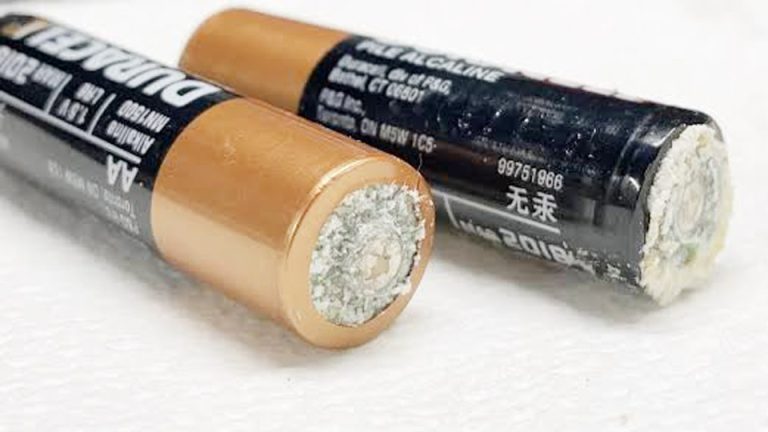
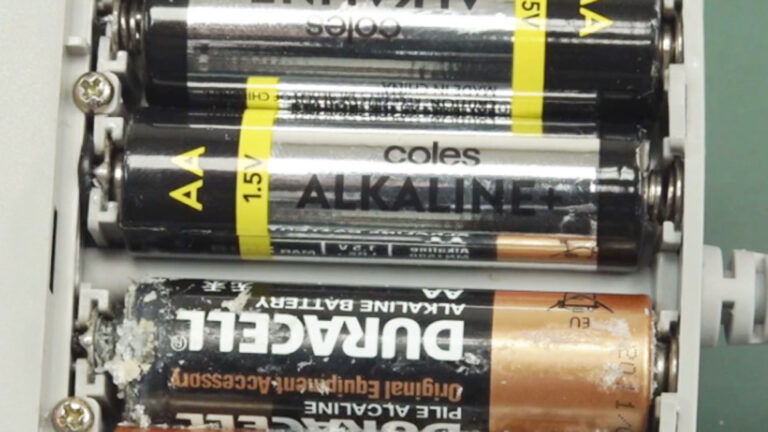
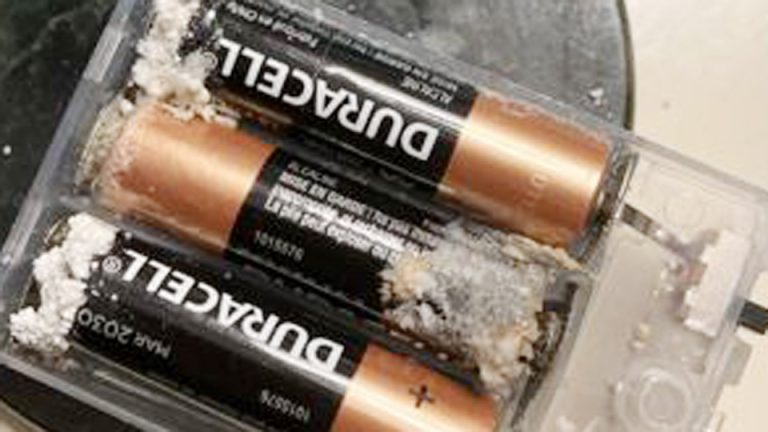
It is a familiar scenario for many of us: you reach for a high-lumen flashlight, a TV remote, or an expensive diagnostic scan tool, only to find it completely unresponsive. When you open the battery compartment, you are greeted by a crusty, white-and-blue crystalline mess.
Dealing with a leaking alkaline battery is frustrating, but knowing how to clean a leaking alkaline battery safely and effectively is a crucial skill that can save your expensive electronics from the trash bin.
We will walk through the exact, field-tested process of neutralizing alkaline battery acid, cleaning the terminals, and salvaging damaged electronics. More than that, we will take a deep dive into the broader world of battery technologies, charging systems, and everyday maintenance.
Whether you are managing an off-grid solar system, maintaining your vehicle’s starting battery, or just trying to keep your power tools running, understanding the nuances of modern power storage is the key to preventing premature failure and unexpected costs.
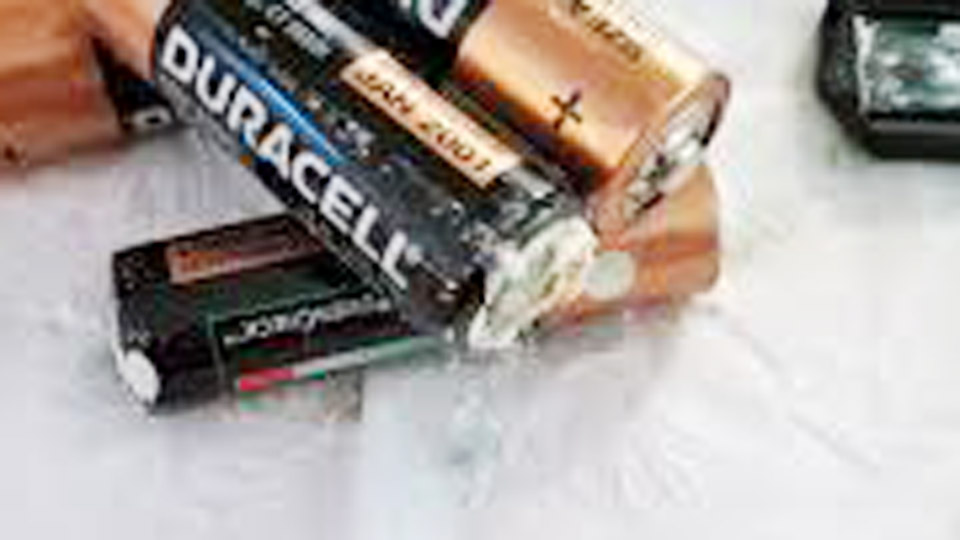
Image by yashicasailorboy
How to Clean a Leaking Alkaline Battery: The Step-by-Step Procedure
When an alkaline battery discharges its electrolyte—primarily potassium hydroxide (KOH)—it creates a corrosive, alkaline salt crust. Because KOH is a strong base, simply wiping it away is not enough; it must be chemically neutralized to stop the corrosion process.
What It Is & How It Works
The white powdery residue left behind is potassium carbonate, formed when the leaking potassium hydroxide reacts with carbon dioxide in the air. This substance conducts electricity and continues to eat away at metal contacts long after the battery has been removed.
When and Why to Use This Method
Use this procedure as soon as you discover a leak in any low-drain or high-drain electronic device, including remote controls, digital scales, flashlights, or medical devices.
Step-by-Step Cleaning Guide
Safety First: Put on safety glasses and nitrile gloves. The corrosive material can irritate the skin and is dangerous if rubbed into the eyes.
Isolate and Remove: Carefully remove the leaking batteries and dispose of them according to local hazardous waste guidelines. Do not touch the residue with bare hands.
Mechanical Removal: Use a small, stiff-bristle nylon brush, an old toothbrush, or a wooden toothpick to gently scrape away the large crusty deposits from the battery contacts.
Chemical Neutralization: Dip a cotton swab in a mild acid solution, such as white vinegar or lemon juice. Dab the solution onto the affected battery terminals. You will notice a slight fizzing or bubbling; this is the acid neutralizing the alkaline salt.
Precision Cleaning: Do not flood the compartment. Clean the contacts carefully using the swab. For heavy corrosion, you can use a fine-grit abrasive pad or a dedicated terminal cleaning tool.
Drying: Use a clean cotton swab or cloth slightly dampened with distilled water to wipe away the remaining residue and acid. Follow up by completely drying the compartment with a clean cloth or a standard hairdryer on the lowest, coolest setting.
Refining the Contact: Once completely dry, coat the metal terminals lightly with a thin application of dielectric grease or contact cleaner to prevent future corrosion.
Pro Tip: Never use excessive water when cleaning electronic compartments, as moisture can seep into the internal circuitry and cause short-circuiting.
Understanding Battery Chemistries: The Core Technologies
To make sense of the power systems we use every day, it is essential to understand the specific characteristics of different battery chemistries. The market features a wide array of options, each suited for distinct environments and duty cycles.
Lead-Acid (Flooded and Sealed)
Lead-acid batteries have been a staple of the automotive and backup power industries for over a century. They rely on a chemical reaction between lead plates and a sulfuric acid electrolyte.
Flooded Lead-Acid: Requires the addition of distilled water and features removable caps. It is highly cost-effective but produces off-gassing during charging, requiring well-ventilated spaces.
Sealed (AGM and Gel): Uses a fiberglass mat (AGM) or a silica-based gel to immobilize the liquid acid. They are spill-proof, maintenance-free, and highly resistant to vibration.
Lithium-Ion and LiFePO4 (Lithium Iron Phosphate)
Lithium chemistries have reshaped consumer electronics, electric vehicles (EVs), and home energy storage.
Lithium-Ion (NMC/LCO): Delivers the highest energy density, making it the top choice for compact devices, power tools, and electric vehicles.
LiFePO4: Highly stable and less prone to thermal runaway, making this chemistry ideal for residential solar installations, marine systems, and UPS backups.
Comparison Table of Battery Technologies
| Technology Type | Nominal Voltage (per cell) | Typical Lifecycle (Cycles) | Energy Density (Wh/kg) | Best Real-World Application |
| Flooded Lead-Acid | 2.1V | 300 – 500 | 30 – 40 | Golf carts, traditional engine starting |
| AGM Lead-Acid | 2.1V | 500 – 800 | 35 – 45 | Automotive start-stop systems, RV setups |
| Lithium-Ion | 3.6V – 3.7V | 500 – 1,500 | 150 – 250 | Laptops, EVs, portable power stations |
| LiFePO4 | 3.2V | 2,000 – 5,000 | 90 – 160 | Solar storage, UPS, off-grid cabins |
Pros and Cons of Common Battery Types
Lead-Acid and AGM Systems
Pros: Highly reliable in extreme cold-cranking scenarios, low initial cost, and built to handle high instantaneous current draws.
Cons: Heavy, low energy density, and sensitive to deep discharges, which can permanently reduce lifespan if regularly drawn past 50% depth of discharge (DoD).
Lithium-Ion (NMC/LiFePO4) Systems
Pros: Exceptionally long service life, lightweight, and capable of maintaining a flat discharge voltage profile even when nearly depleted.
Cons: High upfront costs, sensitive to low temperatures during charging, and require a dedicated, advanced Battery Management System (BMS).
Real-World Applications: From Vehicles to Off-Grid Solar
Understanding your specific battery requirements depends on the application. A starter battery needs to provide brief, massive bursts of energy, while an off-grid solar bank requires deep, sustained power delivery over many hours.
Cars and Motorcycles
Modern internal combustion engine vehicles rely on AGM or flooded lead-acid batteries to power the starter motor, while newer vehicles with stop-start technology use absorbent glass mat (AGM) batteries. Motorcycles typically use compact AGM or lithium replacement batteries to save weight.
Off-Grid Solar Systems
Residential and off-grid solar systems are shifting toward LiFePO4 systems. Unlike lead-acid, lithium systems can be discharged to 80% or more without damaging the internal cell structure, and they charge up to five times faster from solar charge controllers.
UPS and Backup Systems
Uninterruptible Power Supplies (UPS) for computers or servers depend on small AGM lead-acid batteries. They provide a stable, reliable load and are designed to float on charge for years until an outage occurs.
Power Tools and Consumer Electronics
High-drain power tools rely on 18V or 20V Lithium-ion packs, which deliver excellent discharge rates. Maintaining these tools involves keeping the contacts clean and preventing moisture intrusion during outdoor work.
Charging Methods, Voltage Ranges, and Maintenance Routines
Improper charging is the single biggest cause of premature battery degradation and failure. Different chemistries demand unique voltage ranges and charge profiles to avoid overheating and internal gas buildup.
Lead-Acid and AGM Charging Protocols
Lead-acid batteries are charged using a multi-stage process:
- Bulk Stage: Delivers maximum current to bring the battery up to about 80% state-of-charge.
- Absorption Stage: Maintains a constant, elevated voltage (typically 14.4V to 14.8V) to fully top up the battery without boiling the electrolyte.
- Float Stage: Drops the voltage to a safe maintenance level (typically 13.2V to 13.8V) to keep it fully charged without causing gassing or drying out the cells.
Lithium-ion and LiFePO4 Charging Protocols
Lithium-ion batteries use a Constant Current / Constant Voltage (CC/CV) profile. The charger pushes a constant current until the battery reaches its peak voltage, then holds that voltage until the current tapers off to zero.
Important Note: Never attempt to charge a lithium-ion battery using a lead-acid charger that features an automatic desulfation mode. The high-voltage pulses can damage the internal BMS or cause the cells to short-circuit.
Preventing Battery Failures: Real-World Mistakes to Avoid
Even professionals sometimes make mistakes when maintaining high-value power equipment. Avoiding common pitfalls ensures long, trouble-free service life.
1. Disregarding Charge and Voltage Limits
Letting lead-acid batteries drop below 50% state-of-charge causes internal lead sulfate crystals to harden into an irreversible state, a process known as sulfation. Always check the battery state-of-charge using a high-quality digital multimeter.
2. Improper Storage Conditions
Batteries self-discharge over time. If a battery is left completely discharged for months, it may not accept a charge again. Store batteries in a cool, dry place between 50°F and 70°F, and maintain a trickle charge or maintenance charge when they are not in use.
3. Mixing Old and New Batteries
When using multi-battery devices, never mix batteries of different brands, chemistries, or states of charge. Doing so causes the weaker battery to reverse its polarity under load, resulting in severe leakage and device damage.
Practical Troubleshooting Steps
When a battery system fails to hold a charge, run through these diagnostic steps before replacing the battery:
Check the Open-Circuit Voltage (OCV): Disconnect all loads. A 12V lead-acid battery should read at least 12.6V when fully charged; a reading below 12.0V indicates deep discharge or a failing cell.
Clean the Connections: Use a wire brush to remove any white or green corrosion from the battery terminals and ring connectors. Poor contact causes high resistance and voltage drops.
Perform a Load Test: Use a carbon pile load tester to check the cranking performance of a vehicle battery, or use a battery analyzer to verify the internal resistance of smaller packs.
Practical Takeaway and Summary
Knowing how to clean a leaking alkaline battery and understanding your everyday power systems will save you significant time, money, and frustration. By applying the correct charging profile, understanding your specific chemistry, and maintaining clean terminals, you prevent premature system failure.
Battery Chemistries: Choose between lead-acid for low-cost, high-current reliability, and lithium (LiFePO4) for long, maintenance-free lifespans and superior depth of discharge.
Charging Methods: Always match the charger’s chemistry setting to the battery, and avoid mixing lead-acid algorithms with lithium banks.
Common Mistakes: Avoid dropping batteries below 50% capacity, and store them in a climate-controlled, dry space.
Safety Tips: Always wear protective gear when handling chemicals or acid, and dispose of damaged units at certified recycling facilities.
Technician’s Pro-Tip: When cleaning terminal connectors on a vehicle or solar system, spray a light coat of anti-corrosion battery terminal protector after connecting the terminals to form an airtight seal against moisture and oxygen.
Frequently Asked Questions
Is it safe to clean a leaking alkaline battery with water?
No. You should not flood a battery compartment with water. While a damp cotton swab can be used for the final wipe, water on its own does not neutralize potassium hydroxide. Always use an acid-based neutralizer like white vinegar or lemon juice first to stop the corrosion.
How do I know if a battery is truly dead or just deeply discharged?
Measure the open-circuit voltage with a digital multimeter. If a 12V lead-acid battery reads below 10.5V, or a 1.5V AA battery reads below 0.9V, the internal resistance may be too high, meaning the battery needs replacement rather than recharging.
Can a lithium-ion battery be brought back from zero voltage?
Generally, no. When a lithium battery drops to 0V, its internal safety circuitry often trips, permanently locking out the cells. Attempting to charge a heavily discharged lithium battery can lead to overheating or fire risks.
Why do alkaline batteries leak in storage?
They leak because of the natural degradation of the internal components over time. As the battery discharges, internal gases build up, putting pressure on the seal. When the seal fails, the potassium hydroxide electrolyte escapes, forming a crystalline crust on the contacts.
What should I do if battery acid gets on my skin?
Rinse the affected area immediately with large amounts of running water for at least 15 minutes. If skin irritation persists or if the chemical touches your eyes, seek medical attention immediately.